WHY DO I GET BLADDER INFECTIONS ALL THE TIME?

Embed from Getty ImagesAre you one of those women who get cystitis very often? Well, you are not alone! It is estimated that at least 50 % of women will get a urinary infection in their lifetimes; of those, about 30% will get another episode after a short period of time….

Let’s try to understand the problem and learn how to reduce the chances of repeated infections…

What is cystitis?

Cystitis is an inflammation of the bladder, usually caused by a bacterial infection. There is sometimes confusion between urinary infection and cystitis.

Urinary tract infection comprises 3 types of infection:

  • Urethritis: inflammation of the urethra (the tube from where we urinate)
  • Cystitis: inflammation of the bladder (by far the commonest)
  • Pyelonephritis: inflammation of the kidneys

We consider recurrent cystitis at least three episodes of urinary tract infection in one year, or two episodes in 6 months.

Symptoms of cystitis

The symptoms of cystitis include:

  • Persistent urge to urinate
  • Intense burning when urinating
  • Passing small amounts of urine
  • Usually a small amount of blood while wiping, more rarely red or brown (cola-like) urine
  • Low abdominal pain
  • Cloudy or funny-smelling urine

Many times cystitis may be asymptomatic, especially in postmenopausal women.

It should be stressed that cystitis does not cause fever. If you get fever, flank or high abdominal pain, nausea, vomits, then you may have a pyelonephritis and you should seek medical attention.

 Causes of cystitis

The most common cause of cystitis is Escherichia coli, a bacterium that belongs to the normal intestinal flora. This means that most of the times, we do not get the bacterium from somewhere or someone else, but from our own body.

But why this happens?

  • Just because we are women! We have a much shorter urethra than men, which is much closer to the anus. This anatomical disadvantage makes much easier for the bacteria to reach the bladder.
  • Sexual intercourse. The great majority of women will get cystitis after intercourse. Although several explanations have been proposed for the link between cystitis and sex, most likely it has to do with some micro traumatisms of the urethra, which allow bacteria to go upward.
  • Not enough fluids, not frequent visits to the toilet. We do it many times: we forget to drink water and we hold back the urine! Both factors predispose to cystitis as they favor bacterial replication inside the bladder.
  • Menopause. Cystitis tends to be less symptomatic in menopausal than in younger women; thus, the infection may be noticed only when it became pyelonephritis. The lack of the hormone estrogen is responsible for this predisposition, as the genital area becomes very dry and gets traumatised very easily. Occasionally, a relaxation of the pelvic organs may cause urinary incontinence or retention, burdening further the situation.
  • Pregnancy. Hormonal shifts, together with the pressure of the womb on the bladder and ureters (the tubes that connect the kidneys with the bladder) affect the function of the urinary system.
  • Other reasons. Urinary tract abnormalities, diabetes, low immune system, etc.

But why do I get cystitis so often?

Most of the recurrent cystitides occur in otherwise healthy women, without urinary tract abnormalities or immune system problems. It is not clear why this happens, though many theories have been proposed: changes in the pH, lower antibodies levels in the genital area, greater adherence of the bacteria to the bladder, anatomical differences (such as shorter distance between the urethra and the anus).

What can I do to prevent recurrences?

Sometimes, making some changes to our life style will be enough to reduce the risk of repeated cystitis. Keep in mind the following:

  • Drink plenty of fluids: ideally, more than 2 liters per day, especially with warm weather.
  • Dot hold back the urine: you should try to urinate at frequent intervals, drinking plenty of fluid will help!
  • Urinate after intercourse: this simple act will reduce the chances of cystitis by washing any bacteria that may be present in the urethra, making more difficult for them to reach the bladder
  • Wipe from front to back: when you urinate, but especially when you pass stools, remember to wipe yourself from the front to the back, and not the other way around, to avoid transferring bacteria from the anus to the urethra.
  • Avoid constipation. Many women will feel that being constipated make them more susceptible to cystitis. This may be due to a higher concentration of bacteria in the genital area. Be sure then, to eat plenty of fibers, drink fluids and exercise regularly.
  • Be careful with the hygiene of the area, but don’t overdo it! It is important to wash the genital area with a mild soap, but avoid antiseptics, bidet use, vaginal douching or excessive washing. We have a normal flora that protects us against the “bad” bacteria. All the above mentioned may affect the normal flora and predispose us to repeated urinary and genital infections.
  • Avoid excessive heat, humidity and pressure on the area. Tight clothes, synthetic underwear will favor bacterial proliferation. It is also recommended to change your bathing suit after swimming.
  • Consume cranberries. Both the juice and the extract (the tablet) seem to reduce the episodes of cystitis. According to some studies, the effect seems to be stronger in women with repeated urinary infections.

When nothing works…

  • Discuss the problem with your physician. If you haven’t done it so far, a urine analysis and culture should be done, to confirm the diagnosis. Urethritis and vaginitis may mimic the symptoms of cystitis.
  • For the same reason, your doctor may prescribe a vaginal – cervical culture.
  • In order to rule out any anatomical problem, an ultrasound of the urinary system may be considered. A consultation with an urologist may be needed to run some more sophisticated tests, such as cystoscopy.
  • A long term therapy with a low dose of antibiotic is sometimes prescribed. If the episodes are clearly linked to intercourse, then a single dose of antibiotic may be used every time within 2 hours of love making.
  • In menopausal women, a vaginal estrogen therapy may be helpful.
References
http://www.aafp.org/afp/2010/0915/p638.html
http://www.nhs.uk/Conditions/Cystitis/Pages/Introduction.aspx

FIRST BABY BORN AFTER UTERINE TRANSPLANTATION

Newborn feetA few days ago, Swedish scientists announced the birth of a baby whose mother had received a uterine transplant, as reported in the prestigious journal The Lancet.

The mother, a 36-year-old who was born without the uterus, had received the womb of a 61-year-old donor. Before the surgery, the woman underwent in-vitro fertilization and freezing of the embryos. One and a half month after transplantation she had her first menstruation and about one year later she got one embryo transferred. She became pregnant, received treatment to avoid transplant rejection throughout pregnancy and by end September delivered a healthy baby boy.

According to declarations of Dr. Brannstrom, the leader of the Swedish medical team, both mother and baby are doing fine. The baby was delivered by cesarean section at 8 months because the mother developed high blood pressure (preeclampia) and the baby monitoring revealed that the heart rate was abnormal.

A breakthrough in gynecology

The achievement of a birth after uterine transplant is a veritable breakthrough if we consider the complexity of the procedure. I had the opportunity to follow a lecture by Dr. Brannstrom, where he explained the procedure in detail. The surgery is performed by a multidisciplinary team, and is extremely lengthy. Uterine transplant, as opposed to kidney of heart transplant, has extra challenges: the uterus in its non-pregnant state is about the size of a pear, and weights about 60 grams, but during pregnancy it reaches about 900 grams and gets a very large amount of blood flow, including new vessels that develop during pregnancy.Thus, extreme care should be given to what is called vascular anastomosis (the connection of the vessels). In addition, the uterus needs to be properly anchored to the nearby organs. After surgery, there are other difficulties to overpass such as the possibility of rejection, especially during pregnancy, where the treatment needs to take in consideration both the mother and the developing baby. Needless to say, the Swedish team had done many years of extensive research in animals before deciding to move forward and try in humans.

Women that may benefit

This surgery has very specific indications. The woman that underwent this operation had a very rare disorder called Mayer-Rokitansky-Küster-Hauser syndrome, which means that she was born without the uterus. This condition accounts for 1 in 5000 births (Queen Amalia of Greece had it…). Other candidates for this procedure are women who had their uterus removed due to cancer, fibroids, etc. Up until now, the only options for these women were adoption or surrogacy.

Ethical and medical concerns

This procedure raises several questions. First, unlike the kidneys or the heart, the uterus is not a vital organ. The risks of undergoing such a complex and burdensome surgery, together with the risks of the immunosuppresive therapy which put both the woman and the baby in danger, does it pay? Is it ethical? The possible risks of the donor should also be considered. In addition, the woman will most likely need to remove the uterus after family completion because the immunosuppresive therapy would eventually damage the uterus.

Like any procedure so revolutionary and avant-garde, future will show if it becomes routine care. In any case, the Swedish team should be congratulated for their efforts and contribution to help infertile women.

If you want to see an interview to Dr. Brannstrom and his team:

http://youtu.be/_tWjUYtsUfY


References

http://www.thelancet.com/journals/lancet/article/PIIS0140-6736(14)61728-1/fulltext

SMOKING IN PREGNANCY: MORE DANGEROUS THAN WE THOUGHT

We knew for many years that smoking during pregnancy was harmful for the baby, as it has been linked to increased risk of miscarriage, preterm labor and low birthweight. But a recent study came to incriminate cigarette smoking for something we were not sure yet: birth defects.

British scientists examined the literature published on the subject the last 50 years, and after putting all the information together in what is called a meta-analysis, they came up with the conclusion that smoking is indeed responsible for certain birth defects.

The higher risk was for a malformation called gastroschisis, in which the baby is born with the intestine or stomach protruding outside the body through a hole in the abdominal wall; for this anomaly, babies of women who smoked during pregnancy had 50% increased risk.

In addition, they found that babies born from mothers that smoked while expecting had higher risk for the following:

  • Musculoskeletal defects, that is, missing or shortened arms and legs, cleft lips, cleft palate, craniosynostosis (abnormally shaped head): 26% higher risk;
  • Gastrointestinal malformations: 27% more chances.
  • Undescended testis in baby boys: 13% higher chances.
  • Heart problems: 9% excess risk.

That cigarette is toxic for a developing baby does not seen illogical: cigarettes contain more than 7000!! chemicals, most of which can easily cross the placenta. And we know very well that cigarette is highly toxic for adults and children.

The mechanism by which cigarettes may cause all these defects is not clearly understood, but the key seems to be reduced oxygen supply to the baby. Nicotine (the addictive component of cigarettes) causes blood vessels to constrict, this may lead to reduced blood flow to the placenta or to the baby’s tissues; another component, carbon monoxide, binds to hemoglobin (the molecule that carries oxygen in the blood) stronger than oxygen, thus lowering the amount of oxygen in the blood circulation. Maybe, some of the chemicals contained in cigarette have a direct toxic effect on the baby’s tissues.

In light of this information, if you are a smoker you should make every possible effort to quit smoking as soon as you learn you are pregnant, or even better, before conceiving.

Cigarette is addictive, so it may not be easy, but your baby can give you a great motivation to quit….


Reference
Allan Hackshaw, Charles Rodeck, and Sadie Boniface: Maternal smoking in pregnancy and birth defects: a systematic review based on 173 687 malformed cases and 11.7 million controls. Hum. Reprod. Update (2011) doi: 10.1093/humupd/dmr022. First published online: July 11, 2011

WANT TO GET PREGNANT?

You have decided to get pregnant, that’s great! Before you start trying, here are some tips you may find useful….

  1. Schedule a visit to your gynecologist
  2. Start taking folic acid
  3. Give up drinking, smoking, drugs…
  4. Eat healthy
  5. Reduce caffeine intake
  6. Watch your weight
  7. Exercise, but not too much
  8. Don’t forget your oral health
  9. Reduce your stress levels
  10. Avoid certain infections
  11. Reduce exposure to environmental hazards
  12. Figure out your fertile days

1. Schedule a visit to your gynecologist

Embed from Getty ImagesIt is a good idea, before trying to get pregnant to consult your gynecologist. At that visit, you may want  to discuss:

-any medical problem you may have. Some diseases may get better or worse while you are pregnant, some others may affect your baby.

-any medication you are taking. Certain medications are dangerous during pregnancy, and some have to be switched before you even try to conceive.

-your family history. There are diseases that run in families, and you may be able to do some tests to understand if you are at risk. Be sure to mention whether someone in your family has any health problem (e.g. Down syndrome, thalassemia or sickle-cell disease, cystic fibrosis, mental retardation), or if someone was born with a cardiac, neurological or other defect.

-your habits: diet, weight, exercise, any unhealthy habit (such as smoking, drinking, or taking drugs).

If it’s been a year since you had a checkup, you can also expect to have a pelvic exam, eventually an ultrasound and a Pap smear. You may also get tested for sexually transmitted diseases and other bacteria that can reduce your chances of getting pregnant.

Some couples may decide to undergo some prenatal blood exams, including genetic testing for specific conditions, such as hemoglobinopathies (e.g. thalassemia) or cystic fibrosis, based on their ethnic background or family history.

A folic acid supplement may be prescribed at that point.

2. Start taking folic acid

2800841720_ab6c229284_o

Taking a folic acid supplement is very important. By taking 400 mcg of folic acid a day for at least one month before you conceive and during your first trimester, you reduce your chances of having a baby with some births defects (such as spina bifida) by 50 to 70 percent.

You may also consider some multivitamin supplements that may help you get pregnant. Make sure though, not to exceed the recommended doses of vitamin A (unless it’s in a form called beta-carotene). Getting too much vitamin A can cause birth defects.

3. Give up drinking, smoking, drugs…

4322475363_b7d6a1c20d_qIf you smoke, drink or take drugs, now’s the time to stop!

Tobacco use can affect fertility both in women and men, and this seems to be true even for secondhand smoking. Smoking or taking drugs while you are pregnant can lead to miscarriage, premature birth, low-birthweight babies and (according to recent studies)  congenital malformations.

Alcohol can also reduce fertility, therefore it’s a good idea to cut back when you start trying to get pregnant. Drinking alcohol during pregnancy can cause birth defects and other severe problems to you baby.

4. Eat healthy

9577668909_02670b3797_qIt is now a good time to start eating healthy: plenty of fruits and vegetables every day, as well as whole grains and foods that are high in calcium – like milk and yogurt. Eat a variety of protein sources, such as beans, nuts, seeds, and meats.

While fish is an excellent source of omega-3 fatty acids (which are very important for your baby’s brain and eye development), as well as proteins, vitamin D and other nutrients, it also contains mercury, which can be harmful. It is usually recommended that pregnant women eat up to 2 servings a week of fish that are not high in mercury (such as herring, trout, salmon, and sardines), and avoid shark, swordfish, king mackerel, tilefish. The consumption of white canned tuna should be limited to 1 serving per week.

5. Reduce caffeine intake

3155462396_d7f6b94586_qThere seems to be an association between high caffeine consumption and reduced fertility. Too much caffeine has also been linked to a risk of miscarriage in some studies, but not in others. To be on the safe side, it is recommended to limit coffee consumption to 1 cup a day.


6. Watch your weight

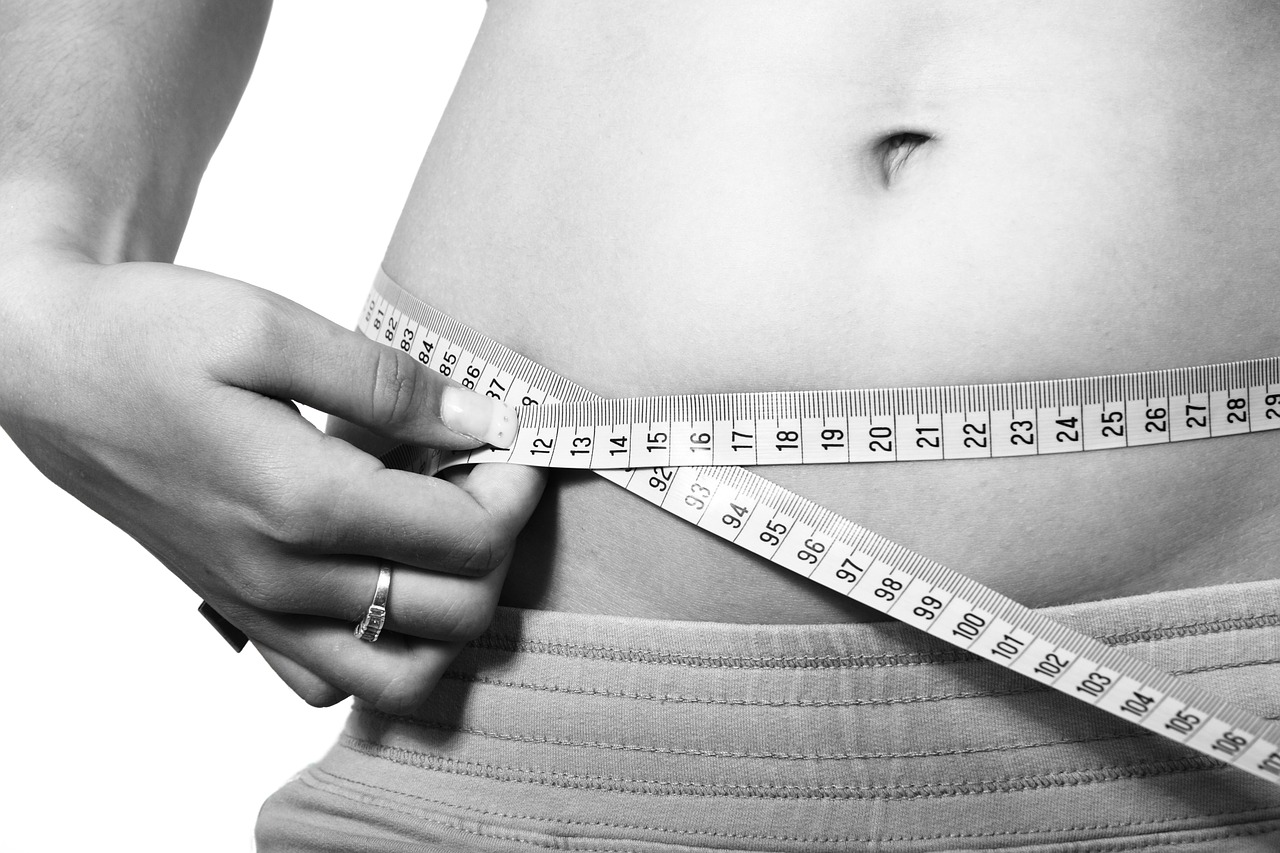
belly-2354_1280You may have an easier time conceiving if you’re at a healthy weight. Being over or under the ideal weight makes it harder for some women to become pregnant.


7. Exercise, but not too much

8552318056_f938f51ff2_qA fitness program will result in a healthy body, fit for pregnancy. In addition, exercising is a great way to relieve the stress that can be both the cause and consequence of not getting pregnant…

You may consider walking or cycling or swimming, on most days of the week, for about 30 minutes. To increase flexibility, you may try stretching, Pilates or yoga.

But be careful not to overdo it. Very intense exercise seems to have the opposite effect, as it has been related to infertility in some studies.

8. Don’t forget your oral health

Woman with toothbrush

Hormonal changes during pregnancy can make women more susceptible to gum disease, causing the gums to bleed easily while flossing or brushing. But if you take care of your oral health before trying to conceive you have less chances of experiencing problems while pregnant.


9. Reduce your stress levels

7676579466_42b4fd82d1_qIt is becoming clearer that stress is responsible for infertility; indeed, several studies reveal that relaxation techniques increase the chances of getting pregnant. Furthermore, a recent study confirms something we see in everyday practice: pregnancy is much more likely to occur during months when couples report feeling happy and relaxed and is less likely to happen during the months they report feeling tense or anxious. The influence of stress on infertility, though is not straightforward, and it may vary in different women.

10. Avoid certain infections

337315801_4f8f28992f_q

You’ll want to stay away from certain foods such as raw and undercooked red meat, fish and poultry, raw eggs, unpasteurised milk and soft cheeses. These foods can cause dangerous infections, such as listeriosis, salmonella and toxoplasmosis.

In order to avoid toxoplasmosis it’s also a good idea to wear gloves when digging in the garden or the cat’s litter box, if you have one.

11.Reduce exposure to environmental hazards

2575598759_f2109d9152_qThere is some evidence to support that routine exposure to certain chemicals or radiation may be harmful for pregnant women. If you work in such an environment, you’ll need to make some changes before you conceive. In addition, some cleaning products, pesticides, solvents, etc, can be dangerous during pregnancy.


12. Figure out your fertile days

2827062969_951d6cf19b_qInitially, you may prefer to let fate decide when you will conceive. But if you want to be more precise in calculating your fertile days:

First, you should understand when your ovulation occurs. For that, you may use an ovulation calculator, that is, a web tool or application where you write down your period days for some months and you learn when you are fertile; you will find several online, many are designed for smart phones. With these calculators, you get a rough estimate of your fertile days.

If you want to be even more exact, you may start recording your basal body temperature (BBT) and your cervical mucus changes. If you chart them over several months, you may more easily understand when you’re ovulating each month.

Ovulation predictor kits can also help you figure out when you’re ovulating by detecting a hormone (LH) in your urine.

Once you have a clear picture of your cycle, there’s only one thing left to do — get to work! It is advised to have sex every day or every other day beginning about five days before ovulation, and continuing through the day after ovulation. This is because, though sperm can live as long as five days inside a woman’s body, an egg’s life span is only about 12 to 24 hours. By having intercourse before you ovulate, as well as on the day of and the day after ovulation, you maximize your chances of getting pregnant.


Good luck! And hopefully soon with good news!

More info at gofertile.eu

Photo credits
1. Getty images; 2. @Doug88888 Flickr.com; 3. Paul Heskes Flickr.com; 4. PeterFranz Flickr.com; 5. Adam Selwood Flickr.com; 6. pixabay.com; 7. Richard foster Flickr.com; 8. Wagner Cesar Munhoz Flickr.com; 9. MeditationMusic.net Flickr.com; 10. Joost Nelissen Flickr.com; 11. tk-link Flickr.com; 12..craig Flickr.com

HPV: ALL YOU NEED TO KNOW

Embed from Getty Images

You got your Pap test result: “HPV”. What do you do? What most of us do: you google it! You go from one site to the other, from forum to forum … and you get really confused: I have what?!? How did I catch it? Will I have cancer? Is my partner cheating on me? A lot is being said and written about HPV, a great part of it being contradictory! The truth is, many things about HPV are still a mystery, even for physicians… Let’s try to get things straighten out and answer the most common questions regarding HPV….

  • Getting to know HPV

HPV stands for human papillomavirus. It’s a virus and is transmitted from person to person through skin-to-skin contact. HPV is in fact a very large family, comprising more than 120 subtypes; of those, only 30 infect the genital area.

  • How common is HPV infection?

Very common! It is estimated that 80% of women will contract the virus at some point in their lives. Most of the times, the immune system will be able to get rid of the virus, but a small percentage will keep it for life. It seems that many women will catch it and fight it several times in their lifetimes…

  • How did I get HPV? Who gave it to me?

The primary source of transmission is sexual contact, including vaginal, oral or anal. Actually, sexual intercourse is not required to get infected, as HPV can be spread by skin-to-skin contact. Although some research suggests that HPV could be transmitted through items such as towels or underwear, this is not yet clear. On this subject, the opinions are divided between experts, and many (including myself) feel that it is extremely unlikely, if not impossible, to catch the virus this way. Α pregnant woman, in rare instances, may transmit HPV to her baby, but the transmission route (vaginal the moment of delivery, or through the placenta during pregnancy) is not yet clear.

  • Is there any way of knowing how long I’ve had HPV?

Once you get infected with HPV, it may either show itself (usually 1 to 3 months after), or lay dormant and undetectable. Then the virus may be later cleared completely by the immune system, or remain present in the cervical cells for years. Because it can last long in your body before any cell changes occur, it is difficult to know who transmitted HPV to you or how long you’ve had it. So the answer to this question is: NO.

  • I got HPV! What will happen to me now?

-Most of the times, absolutely nothing. The majority of HPV infections will be cleared by your immune system without you even noticing it.

-Of the over 100 types of HPV, about 12 subtypes (mostly subtypes 6 and 11) may cause genital warts (also known as condylomas). These are growths that may appear on the external genitalia, but also around the anus, inside the vagina or on the uterine cervix. Genital warts are very common: 1 out of 10 persons will have condylomas at some point in their lives (the frequency varies according to different countries between 0,3 and 12 %). It is important to remember that genital warts are benign and do NOT evolve to cancer.

-Approximately 15 types of HPV (most commonly types 16 and 18) are related to cancer. All these types are known as “high risk types”. While cervical cancer is the most common cancer related to HPV, and HPV seems to be almost the exclusive cause of cervical cancer, this virus can also cause other, less frequent cancers: vulvar, vaginal, anal and oropharyngeal (means throat and tongue). Because a lot has been said lately about the possibility of getting cancer of the throat with oral sex, it is important to clarify that: Yes, HPV is related to throat cancer, BUT this is a not a very common cancer and only half of all throat cancers are caused by HPV!

-Low-risk types can also cause a rare condition called recurrent respiratory papillomatosis, in which warts grow in the throat.

  • What about men?

Things are less clear for men, as HPV is more difficult to test than in women. It is accepted that men are carriers of the virus and contribute to its widespread presence, so it can be assumed that HPV infection is as frequent in men as in women. What is sure is that men are much more rarely affected by the virus, with the exception of genital warts (same as women). Although rare, men may develop HPV-related anal or oropharyngeal cancer. HPV may be also related to penile cancer, but this type of cancer is extremely unusual.

  • I got infected with a high risk-type HPV. Will I have cancer?

When we get infected with a high risk-type virus, it may enter the cells and damage their DNA, causing then to grow abnormally. These cellular changes may progress to what is called dysplasia or cervical intraepithelial neoplasia (CIN). Most of the times, the immune system will destroy the abnormal cells before they become cancer. But sometimes they are not cleared by our body’s defense, allowing them to evolve, first to a mild lesion, then to a moderate, then to a severe lesion, which in turn, after several years may result in cancer. The transformation of these cells into cancer has to do with a balance between the aggressiveness of the virus and how strong our immune system is: the stronger will prevail…

  • Can we stop the virus before going into cancer?

Yes! Thanks to a Greek scientist, Dr. Georges Papanicolaou, we learnt that cervical cancer can be found before becoming cancer, that is, at its precancerous state. The Pap test (named after him) can detect early signs of abnormal cell changes of the cervix, allowing early treatment so they do not become cancer. There are other, more sophisticated tests, such as HPV testing and colposcopy that can be used as complementary exams t to the Pap test.

  • How can I avoid HPV infection?

That’s a difficult question. A sexually active person will never be 100% protected against HPV. We can though take some measures to reduce the chances of infection:

-Limit the number of sexual partners: although you may get HPV even if you had only one sexual partner in your lifetime, the more partners you have, the more the changes of getting infected.

-Use condoms. Condoms offer only partial protection against HPV infection as the virus can also be passed by touching infected areas not covered by a condom. The protection of condoms is estimated to be around 60%, that’s something, though ! and in fact is the only mean we have to be protected. Condoms should be used for vaginal, anal or even oral sex.

-Get vaccinated. Two vaccines are available to protect against certain types of HPV. This topic deserves further analysis in a future post…

  • What can I do to fight HPV?

There is no treatment for HPV itself, only for the problems that the virus can cause. These are some measures you can take to help your body get rid of the virus or at least prevent it from evolving into more severe lesions:

-Boost your immune system. The virus takes profit of a low defense system to progress. To help your immune system eat healthy, sleep well, avoid stress (if that is possible…), exercise, do activities that make you feel relaxed…Read more here.

-Quit smoking. Some chemical contained in cigarette will help the virus to progress into cancer.

-Get off the pill. Although the pill protects against uterine and ovarian cancer, it doubles the risk of cervical cancer…

In conclusion, if you got HPV:

First of all: don’t panic!

Second: get always good quality information on the subject. Don’t rely on rumors or on “what someone told you”. Knowledge is power!

Last, but not least, visit regularly your gynecologist. It takes 5 minutes to have a Pap test done. These 5 minutes can save your life!

References

http://www.cdc.gov/std/hpv/stdfact-hpv.htm

http://www.acog.org/~/media/For%20Patients/faq073.pdf?dmc=1&ts=20140707T0129049372

http://www.biomedcentral.com/1471-2334/13/39