If there is one word can define the 1990s, that is globalization. With Brazil’s growing openness to the globalized nineties’ culture, greatest influence of foreign musical trends was unavoidable. The youth of that period would increasingly enjoy dancing -in night clubs- to the new electronic rhythms, such as techno, trance and house.
Globalization also made easy for Brazilian music to gain worldwide recognition. After pioneers like Carmen Miranda, many other names gave Brazilian popular music international publicity during that decade.
In the 90s, other styles like funk carioca and hip hop became popular among young people of the country’s Southeast, whereas the brega style “resisted” and was renewed, remaining popular especially in the North and Northeast regions.
These are the songs I chose from this period:
74) João Gilberto – “Eu Sambo Mesmo ” (1991)
One of bossa nova’s fathers, João Gilberto is a consummated artist since the fifties, with enormous international recognition since then.
His 1991 album João, with orchestrations by Clare Fischer, featured songs in English, French, Italian, and Spanish, plus old sambas and his version of Caetano Veloso’s “Sampa”. This song (“I Really Samba”) is the opening track of this wonderful album.
“Magalenha” was composed by musician Carlinhos Brown and is the second track of Sergio Mendes studio album Brasileiro. The energetic vocals by Carlinhos and the explosive rhythm of the Bahian percussionists are just electrifying … I dare you not to dance when you listen to it!
“Magalenha” appears in the soundtrack of the 1998 film Dance with Me .
76) Daniela Mercury – “O Canto da Cidade” (1992)
“The Queen of Axé”Daniela Mercury is well known for popularizing axé music, not only throughout Brazil, but also internationally. As a matter of fact, she enjoys a goddess-like worship in Salvador da Bahia.
Her second album, O Canto da Cidade (1993) was a national phenomenon, establishing her as the most popular Brazilian performer of the early ’90s. The title track of this album (“The tune of the city”), a celebration of her native Salvador, became a sensation and topped the charts. Not only was O Canto da Cidade the first Brazilian album to top a million in sales, but it remains her best-selling album to date, with millions of copies sold -and it continues to sell today.
77) Timbalada- “Beija Flor” (1993)
In the late 1980s the talented drummer Carlinhos Brown started to form percussion ensembles in his hometown Salvador; he simply gathered people in the streets and taught them basic percussion patterns. Eventually these gatherings grew into a band called Timbalada.Timbalada is credited with the revival of the timbal (a kind of drum used in candomblé), which had been nearly extinct before they began featuring it. Moreover, the band melted the rhythms of Bahia with those of Afro-American and Afro-Caribbean origin, such as samba reggae and axé and added some pop elements; the result is an interesting, extremely prototype sound. The band’s aesthetics also has a distinctive character: the vocalists make heavy use of body painting, which provides a tribal touch and adds to their originality. Timbalada is also well known for its regular participation in Salvador de Bahia’sCarnival.
Due to their innovative music and particular aesthetics, it didn’t take long until the band caught the attention of Brazilians -and the entire world, gaining deserved, huge popularity. Their first album, released in 1993, has one of their major hits, Beija-flor (“Hummingbird”).
78) Ivan Lins – “Madalena” (1993)
Songwriter, vocalist, and pianist, Ivan Lins came to fame in Brazil in 1970 when Elis Regina recorded his song “Madalena” and made it a hit. He has been an active performer and songwriter of Brazilian popular music and jazz since then, with numerous of his compostions recorded by remarkable Brazilian and foreign and artists, such as George Benson, Michael Bublé, Ella Fitzgerald, Quincy Jones, Sarah Vaughan, Sting and Barbra Streisand.
He did release his own version of “Madalena” in his 1993 Minha História; in here though I include this marvellous, live version with Elis Regina, featured in the album Elis Regina e Ivan Lins – Juntos (Ao Vivo).
79) Chico Science & Nação Zumbi – “Da Lama Ao Caos” (1994)
From the mud flats of his natal Recife, Chico Science began to experiment with music, blending maracatu with reggae, funk, rap, and rock. The mixture of ancient folkloric Northeastern rhythms with world pop and electronic music would become referred as mangue beat (“mud beat”). Mangue beat eventually grew into a musical movement, one of the most characteristics of Brazil’s musical scene of the 90s.
After being recognized in his region, Chico Science joined Nação Zumbi; their first collaborative album, Da Lama Ao Caos, was released in 1994, from which the eponymous track was a major hit.
80) Mamonas Assassinas – “Pelados em Santos” (1995)
Characterized as a satirical rock band, Mamonas Assassinas‘s sound consisted of a mixture of pop rock with influences of popular genres such as sertanejo, brega, pagode, forró, and vira. The only studio album recorded by the band, Mamonas Assassinas, with the hits Pelados em Santos“, “Vira-Vira” and “Robocop Gay” had a meteoric success, rapidly becoming diamond-certified.
Unfortunately, their career was tragically interrupted in March 2, 1996, when the group was the victim of a plane crash which caused the death of all its members, and a great national commotion. In spite of their brief success, the band continues influencing the national musical scene and being celebrated even now, more than two decades after its end.
81) Carlinhos Brown – “A Namorada” (1996)
Not only a talented percussionist, Carlinhos Brown is also a greatly praised composer and vocalist. After his success with Timbalada (see above), he decided to display all his musical virtues in his solo album Alfagamabetizado. For the album’s release, Carlinhos Brown performed many shows throughout Brazil, The United Status, Japan and Europe. The track “A Namorada” was the biggest success, even being included on the soundtrack of the film Speed 2, where he also made a cameo appearance performing the song.
82) Skank- “Garota Nacional” (1996)
Belo Horizonte band Skank became one of the most popular bands in Brazil in the ’90s. Mixing influences of pop music, reggae, ska and rock & roll, Skank reached the market with their first eponymous album. Their 1996 album O Samba Poconé includes one of their greatest hits, Garota Nacional. Although “Garota Nacional” literally translates to “national girl”, the song is not about the women of Brazil, as usually believed: it refers to the “girls of Bar Nacional”, a bar and nightclub in Belo Horizonte famous in the early 1990s for its beautiful female patrons.
83) Simone and Martinho da Vila – “Ex-Amor” (1996)
One of the greatest Brazilian female artists of all time, Simone is a sensuous singer with a signature low, mellow voice. Although having a more activist repertory in her beginnings, she later abandoned it in favor of more mainstream, romantic songs, with which she has enjoyed international success.
In this song she unites her voice with that of another iconic MPB and samba singer/composer: Martinho da Vila.
84) Chitãozinho e Xororó – “Luar Do Sertão” (1996)
With a 30 year-career, 30 released albums and the impressive 30,000,000 sold copies, Chitãozinho e Xororó are a real phenomenon in Brazil. The two singers were the first artists to successfully promote the fusion of “redneck music” (caipira) with urban pop, opening the field for a millionaire craze which would become known as sertanejoromântico, a genre that ultimately took all regions of Brazil -and many other countries. Indeed, Chitãozinho e Xororó have performed with artists such as Billy Ray Cyrus, Reba McEntire and the Bee Gees.
This song, Luar do Sertão (Hinterlands Moonlight in English) is a popular, old Brazilian song, one of the most recorded Brazilian songs of all time. Its simple verses praise the life in sertão (English: hinterlands or countryside). It appears in their album Classicos Sertanejos and counts with the participation of Simone.
“A felicidade” has had many re-recordings throughout the years; I love this one by the Quarteto Jobim-Morelenbaum, which features Antonio Carlos Jobim’s son, guitarist/vocalist Paulo Jobim, and his grandson, pianist/vocalist Daniel Jobim, along with cellist Jacques Morelenbaum and his wife, vocalist Paula Morelenbaum. With the exception of Daniel, all of the group’s members were members of Jobim’s final band before his death in 1994.
86) Ney Matogrosso – “Poema” (1999)
Famous for his singular countertenor voice, but mostly for his provocative stage costumes, make-up and daring movements, Ney Matogrosso has always been regarded as a controversial character. What nobody can deny is that Ney is an extremely talented artist. In fact, he was ranked by Rolling Stone as the third greatest Brazilian singer of all time.
He is best known as a member of the glam rock group Secos & Molhados, a phenomenon band during the 1970s. After the band split up, Ney pursued a successful solo career in Brazil and abroad, obtaining several Gold and Platinum records.
This song (“Poem”) belongs was released in Olhos de Farol, an album that celebrated 25 years of Ney’s solo career.
With the end of Brazil’s dictatorship, a renewed feeling of freedom invaded the youth of the 80s. This generation of artists, free to openly portray their feelings and desires, gives rise to what would be called BRock, or Brazilian rock. Emblematic bands of this decade are Blitz, Paralamas do Sucesso, Titãs, Ultraje a Rigor and Legião Urbana. Irreverent and uncompromised, they would be frequently accused of being superficial, banal and alienated; their songs though demonstrated they were nothing like that: they would often criticize the 80s social reality, particularly consumerism and the influence of television.
The year 1985 is certainly engraved in the memory of rock lovers: the colossal festival Rock in Rio takes place. Rock in Rio counted with the presence of the world’s greatest rock artists such as Queen, Rod Stewart, AC/DC and Yes; it remains in history as the largest Rock Festival of all time, with an audience of nearly 1.5 million people.
Although rock and pop were the predominant genres in Brazil during the 80s, other musical styles would gain increasing popularity by the end of the decade, such as sertanejo,pagode, afro and axé music.
This is my list of great Brazilian songs of the 1980s:
63) Rita Lee – “Lança Perfume” (1980)
For the Brazilians, Rita Lee is one of their dearest artists. With an impressive record of 55 million albums sold –Brazil’s highest grossing female artist of all time- the “Queen of Brazilian Rock” is a not only a singer, but also a talented songwriter, multi-instrumentalist, actress, writer and activist.
Former member of the influential group Os Mutantes, Lee has participated in major revolutions in the world of music and society. Her songs, often with an acid or feminist tone, have become ubiquitous in the charts throughout the latest 50 years.
Lança perfume is one of her most popular songs; it makes reference to an aromatic spray often used as a recreational drug, very popular in Brazil.
64) Gal Costa – “Festa do Interior” (1981)
Essential Brazilian artist, one of the most amazing voices, Gal Costa is known for her perfect pitch and incredibly high notes. Timeless and always relevant, Gal is constantly reinventing herself: she went from a Tropicalia icon in the 60s, a hippie muse in the 70s to a more pop repertoire in the 80s and nowadays, in her latest albums, she has been even exploring electronic music.
This song (English “Countryside Party”) from her 1981 double album Fantasia became her biggest ever hit, going multi-platinum by the end of the year.
65) Djavan – “Samurai” (1982)
Djavan is a singer, songwriter, producer and guitarist, highly praised not only in Brazil, but internationally: his songs have been recorded by Al Jarreau, Carmen McRae, the Manhattan Transfer, and many other fundamental Brazilian artists.
Djavan combines traditional Brazilian rhythms with popular music drawn from the Americas, Europe and Africa; his songs are known for their “colors”: refined and poetic, but utterly simple at the same time.
In 1982, he recorded the universally acclaimed album Luz, which has been described as a “pop explosion (…) a succession of hits with exquisite use of the technological resources of the time”. From this album comes the song Samurai, in which Stevie Wonder is a guest star.
66) Gonzaguinha – “O que é, O que é?” (1982)
A major pop star in Brazil in the ‘70s and ‘80s, Gonzaguinha was the son of the famous baião artist Luiz Gonzaga. Although he decided to follow his father’s footsteps, he was a great singer in his own right, adopting a completely different style. Being born and raised in a poor Rio de Janeiro favela (shanty town) made him quite adept at writing about the social and political conditions of Brazil’s poor; his aggressive and unappealing lyrics in the eyes of the media earned him the nickname “Cantor rancor” (Grudge singer). With the beginning of the political opening in the second half of the 1970s, he began to modify the discourse and composed songs of more pleasant tone; his fame skyrocketed. He was at the peak of this popularity when, in 1991 he died in a car crash.
This is one of his most recognizable songs, it was released in the album Caminhos do Coração.
67) Lulu Santos – “Como Uma Onda (Zen Surfismo)” (1983)
Brazilian superstar with high-selling discography, Lulu Santos is one of the most emblematic figures of the 80s, a synonym with Brazilian pop music.
This song (English “Like a wave”) was created by Lulu himself together with journalist and writer Nelson Motta, especially for the soundtrack of the movie Garota Dourada. Its lyrics describe the pleasures of an idealized beach culture, ultimately becoming a reflection on the contradictions of a youth oscillating between grandiose delusions and bohemian escapism. It was a smash hit. According to Rolling Stone Brazil, this song is the proof … “of Lulu’s indisputable dominance in the art of creating the Perfect pop”.
68) Lobão e os Ronaldos – “Me Chama” (1984)
Multi-talented Lobão (“Big Wolf“, in reference to the Disney’s Big Bad Wolf character), is a singer-songwriter, composer, multi-instrumentalist, writer, publisher, television host and media personality. Aside from his talent as musician, he has a reputation for having little inhibition in expressing his opinions and for publicly criticising fellow musicians, which led to a notable number of controversies and enmities.
With the album Ronaldo Foi pra Guerra, the only album he released accompanied by the band Os Ronaldos, Lobão had the biggest success of his career, the super hit “Me Chama” (“Call Me”).
69) Ultraje a Rigor – “Inútil” (1985)
Ultraje a Rigor is one of the most important Brazilian rock bands. With their simple and danceable melodies, and the irreverent tone Roger Moreira’s voice gave to the ironic lyrics, the band had all the ingredients to reach the Brazilian youth of the 80s.
Their first LP, Nós Vamos Invadir sua Praia (We’re going to invade his beach) was a massive success: it was the first Brazilian rock LP to receive gold and platinum status. From this album comes Inútil (“Useless”), one of the most important protest songs of Brazilian rock, a compendium of the frustrations common to all Brazilian at the time.
70) Paralamas do Sucesso – “Alagados” (1986)
Paralamas do Sucesso is the most successful Brazilian rock band, with a long-lasting career since 1977, always with the same line-up: Herbert Vianna, Bi Ribeiro and João Barone. Their success has surpassed the Brazilian borders, making then a recognizable band in Latin America and Europe; furthermore, they have been many times awarded at the Latin Grammy, MTV Brasil and Multishow awards.
Alagados (“Flooded”) gives an account of the harsh life in Brazilian favelas during the period of intense socioeconomic crisis that hit the country in the 1980s. The song make particularly reference to Rio de Janeiro: “…the city with open arms in the postcards, but closed fists in real life”
71) Titãs – “Comida” (1987)
Another emblematic Brazilian rock band that blossomed in the ’80s, Titãs (“The Titans”) became known for their intelligent lyrics, with poetic references and social criticism. The group eventually became mainstream, adopting a more pop approach and enjoying massive recognition.
Jesus não Tem Dentes no País dos Banguelas(“Jesus has no teeth in the land of the toothless”) is Titãs’ most important album; it was a huge commercial success (double platinum certified), but also highly acclaimed by the critics. One of the best tracks of this album is Comida (“Food”). Its lyrics affirm that people’s needs go beyond their own material existence -represented by food- requiring cultural and existential necessities, such as fun and art. Comida frequently served as the motto for student protests, which increased even more the band’s reputation.
72) Legião Urbana – “Que país é esse? ” (1987)
Legião Urbana was formed during Brazil’s economic crisis of the ’80s, when corruption became deeply rooted in the country’s politics. This was Renato Russo’s motivation to create his band “Urban Legion”. Russo’s incandescent lyrics, portraying the frustrations of an entire generation, gave voice to a multitude of desperate people and became a phenomenon of popularity throughout Brazil.
The band’s success was cemented in 1987, with Que País É Este (“What Country Is This”). They developed a devoted following, and the band came to carry the nickname “Religião Urbana” (meaning “Urban Religion”).
While they disbanded officially in 1996 after Russo’s death due to AIDS complications, Legião Urbana is still one of Brazil’s most famous rock bands.
73) Cazuza – “Ideologia” (1988)
Vocalist of the first Brazilian rock band Barão Vermelho and highly popular as a solo artist, Cazuza left his personal mark on Brazilian music through his songs, which continue to be constantly recorded by other artists, in spite of his early death in 1992 due to AIDS complications, at 32 years old.
Ideologia (“Ideology”) is the title track of Cazuza’s third album, which was composed in partnership with Roberto Frejat. It is one of the singer’s most successful songs; its beautiful, compelling lyrics were written by Cazuza after discovering he was HIV positive: “…My pleasure now is life-threatening, my sex and drugs have not rock ’n’ roll…”
Brazil’s music transition into the 70s was marked by the consolidation of MPB (Música Popular Brasileira, Brazilian Popular Music) which now incorporates into its repertoire different rhythms, not only from Brazil’s different regions (such as the northeastern baião), but also from foreign countries (like Jamaican reggae). Standout artists of the 70s MPB are, among others, Caetano Veloso, Gilberto Gil, Chico Buarque, Gal Costa, Simone, Elis Regina, Rita Lee and Maria Bethânia.
The Jovem Guarda had already made its appearance in the 60s and was still very popular in the beginning of the 70s. Nevertheless, Brazil was under military dictatorship at that time, and the cultural elites accused these artists of being “alienated” from the country’s social and political problems; as a result, the movement soon lost its strength.
Without the presence of the nonchalant Jovem Guarda, a different genre of popular romantic music emerged, which would gain the pejorative epithet “cafona“, then replaced by “brega” (both words meaning “tacky”). Once the name got accepted by its fans, brega music became a trend and won a wide audience. Many artists belong to this genre, although its fame was consolidated by Waldick Soriano. Since the end of the Jovem Guarda, Roberto Carlos also approached a more romantic, brega style; nevertheless, he managed to establish his position as the country’s most popular singer.
The decade of the 70s, together with the 60s, gave some of the most beautiful and timeless songs of Brazil’s cultural legacy. I really had a hard time to choose just a few among the many great songs of this period. This is the list I finally put together:
32) Maria Creuza, Toquinho and Vinicius de Moraes – “Eu sei que vou te amar” (1970)
This incredibly beautiful song (English: “I know I will love you“) was composed by Antônio Carlos Jobim and Vinícius de Moraes. Although initially recorded by Maysa, it would become a classic when performed live in Buenos Aires by Vinícius de Moraes, together with two iconic artists of Brazil’s music stage of the 70s: Vinicius’s favourite vocalist Maria Creuzaand his long-time partner, singer and guitarist Toquinho. He would later include it on his 1970 album En ‘la Fusa’ con Maria Creuza y Toquinho (also known as “Grabado en Buenos Aires con Maria Creuza y Toquinho”). The amazing melody by Tom Jobim, and Vinicius’ impassioned lyrics on the immortality of love would establish “Eu sei que vou te amar” as one of Brazil’s quintessential songs. Indeed, it was voted the best Brazilian song of all times in a survey organized by Revista Bula.
33) Wilson Simonal – “País Tropical” (1970)
“Tropical Country” was composed by Jorge Ben Jor, but it became a hit when singer Wilson Simonal released it on his 1970 Album, Simonal.
Over the years, the song would be increasingly credited to its author, overshadowing the success of the first version by Simonal. It has also been adapted by many composers and singers like Sergio Mendes, Ivete Sangalo, or even Shakira, but also by Jorge Ben Jor himelf, on his album Tropical in 1976.
34) Paulinho da Viola – “Foi um Rio que Passou em Minha Vida” (1970)
“It was a river that passed in my life” is the song that gives the name to the second album of carioca sambista (samba composer) Paulinho da Viola.
The song was a huge success, being sung by the masses during Rio’s carnival, and became Brazil’s biggest hit of the 1970, projecting Paulinho nationally.
35) Vinicius de Moraes and Toquinho – “Tarde em Itapoã ” (1970)
This is another fruit of Toquinho’s long partnership with Vinicius de Moraes, which would last until Vinicius death in 1980. Composer and performer with 50 years of sucessful career, Toquinho has to date 84 records released, over 450 compositions and about 8,500 shows in Brazil and abroad.
This song (“Afternoon in Itapoã”) immortalizes Itapuã as a serene, romantic and exuberant place, located 20 km from the center of Salvador de Bahia. Unfortunately, spending an afternoon in Itapuã is no longer the quiet program Vinícius and Toquinho described: the neighborhood became Salvador’s noisiest and one of the most polluted.
36) Chico Buarque – “Construção” (1971)
Brazil in the early 1970s was a land of paradoxes: under military government, the so-called “Brazilian Miracle” promised record economic growth; as a result, construction was booming. Workers though, would spend endless hours at the constructions and earned very little.
This was also a period when censorship hampered artistic freedom of expression. Fearing persecution, Chico Buarque spent a brief period of exile in Italy; but longing his beloved Brazil, he returned determined to show his disagreement with the situation. And he managed to create a masterpiece.
“Construction” is the chronicle of the life and death of a construction worker. The character of the song leaves the house, kisses his wife and children and goes to work. There he works “as if he were a machine”. Finally, he falls from the scaffolding in the middle of the street “like a package, disrupting the traffic”.
The lyrics are truly brilliant, written in dodecasyllable verses with each sentence ending with a proparoxytone word (that is, stressed on the antepenultimate syllable). The stanzas are repeated three times, with some keywords being changed position; these changes make the understanding of the lyrics ambiguous as it is not clear whether the worker dies as a result of the bad working conditions or he commits suicide, desperate in the face of his scant life prospect.
“Construction” would not be so overwhelming without the symphonic, imposing arrangement conceived by Rogério Duprat, who uses the orchestra as a sinister component, emulating the chaotic noises of the metropolis, its horns and buildings under construction.
The song is a strong critic of workers’ alienation in a modern, urban capitalist society; it is still a reference song to understand a thorny period of Brazil’s history. Deservedly, “Construção” was selected by Rolling Stone magazine as the greatest Brazilian song of all times.
37) Maria Creuza – “Você Abusou ” (1971)
The BaianosAntônio Carlos and Jocáfi composed and first sung this beautiful song (“You abused”), which was successful with the sultry voice of Maria Creuza -who later married Antônio Carlos.
It became an international hit, particularly in France, where it was later adapted by Michel Fugain with the name “Fais comme l’oiseau”; other famous versions are those by Celia Cruz and Stevie Wonder.
38) Nara Leão – “Insensatez” (1971)
“How foolish” is a bossa nova song composed by Antônio Carlos Jobim, with lyrics by Vinícius de Moraes. The song resembles Chopin’s prelude in E minor.
It has been re-recorded many times by Brazilian and foreign artists such as Olivia Newton-John, Liberace, Iggy Pop, and Pat Metheny. Nevertheless, I love this version, performed by “the muse of bossa nova”, Nara Leão.
39) Roberto Carlos – “Detalhes” (1971)
Latin pop superstar Roberto Carlos is a major figure in Brazil – and worldwide: his popularity as romantic ballad singer is perhaps rivalled only by Julio Iglesias.
During the 60s he initiated a major revolution; in a period when the Beatles were taking over the world, Carlos became their Brazilian counterpart as the leader of the Jovem Guarda. Initially a TV show, this “Young Guard” soon became not only a musical style, but also a behavioral, fashion and language influence to an entire generation. With his light music and simple lyrics, he was a deep contrast to “serious”, “somber” MPB. Managing to pursue a successful career throughout the years, Roberto Carlos is arguably the most successful romantic artist in Brazil, gaining the title of “The King”.
Together with his longtime partner Erasmo Carlos, he composed this timeless ballad whose lyrics are, according to Rolling Stone Brazil: “…among the most beautiful in the history of music, in any of the five continents”.
40) Gal Costa – “Vapor Barato” (1971)
Arguably one of Brazil’s most amazing voices, a representative figure of the Tropicália movement, an indisputable timeless icon. Gal Costa is a star that keeps shining for over 5 decades.
Back in the 70s, things were not easy for Gal. While all her friends had gone away, exiled by the dictatorship, she decided to stay in Brazil, as part of the “resistance”. And she managed to become the muse of Tropicália with the show Gal a Todo Vapor. Directed by Wally Solomon, the show was recorded in her outstanding double album Fa-Tal.
“Vapor Barato”, included in Fa-Tal is about the disenchantment of the post-1968 years, of course expressed in a very poetical, metaphorical way so as to remain under the radar of censorship. Although now considered a timeless song, it had been almost forgotten until filmmaker Walter Salles “rescued” it by including it in the soundtrack of the film Terra Estrangeira (Foreign land).
41) Jorge Ben – “Filho Maravilha” (1972)
Brazilians’ passion for football (soccer) is not a secret; therefore, a song devoted to a football player comes to no surprise. “Filho Maravilha” is a song written by one of the most important Brazilian artists, singer and songwriter Jorge Ben (later renamed Jorge Ben Jor), and refers to Brazilian football player João Batista de Sales, better known as “Fio Maravilha”.
Always innovative and open-minded, Jorge Ben has been a member of most of the important movements of 20th Brazilian popular music. He is the author of two of the most legendary samba songs: “Mas Que Nada” and “País Tropical“.
42) Sérgio Sampaio – “Eu Quero é Botar Meu Bloco na Rua” (1972)
Sérgio Sampaio was not a mainstream artist. His elaborate lyrics, often with literary references (he was an admirer of Franz Kafka) did not enjoy much commercial success. Nevertheless, his enormous talent and his irreverent manners were invariably praised by critics and a selected public.
He did have one big hit, “Eu Quero é Botar Meu Bloco na Rua” (I want to throw my troops on the streets), a song that refers, as many songs of that period, to the military dictatorship and Sampaio’s wish that everybody goes out and express anything they had keep to themselves.
43) Milton Nascimento – “San Vicente” (1972)
Milton Nascimento is one of Brazil’s most talented and influential artists, with a sublime tenor voice “that often slips into an ethereal falsetto, (…) as that of an angel”, the New York Times once wrote.
San Vicente is one of his greatest classics; it has become an anthem, both in Brazil and other Latin America countries. Recorded in 1972 in the double collective album Clube da Esquina, it is, without any doubt, one of the most beautiful songs of the Brazilian popular songbook. Milton has interpreted it with many other artists, of which those with the remarkable Brazilian percussionist Naná Vasconcelos and the Argentinian iconic singer Mercedes Sosa are just marvellous.
44) Airto Moreira – “Tombo In 7/4” (1973)
The most iconic percussionist of the 70s –and still one of the world’s greatest, Airto Moreira (or just Airto) helped make percussion an essential part of modern jazz; he has collaborated with the greatest names of jazz such as Miles Davis, John McLaughlin, Al Di Meola and Chick Corea.
This song was part of his masterful 1973 album “Fingers”, and was composed together with Uruguayan artist Hugo Fattoruso. What Airto probably never imagined was that “Tombo In 7/4” would become a huge mainstream success, until German group Bellini sampled it in 1997 to create the super hit “Samba de Janeiro”.
45) Novos Baianos – “Samba da Minha Terra” (1973)
Os Novos Baianos is regarded as one of the most important and revolutionary groups in Brazilian music. They had a primordial role in the fusion of rock with Brazilian folklore rhythms, helping along the evolution of MPB. Formed in Salvador, Bahia in the late ’60s by Paulinho Boca de Cantor , Pepeu Gomes , Moraes Moreira, Baby Consuelo and Luiz Galvão.
This song belongs to their third record, Novos Baianos F. C.; it displays the enormous talent of the band, particularly through the voice and violão (acoustic guitar) of Moraes Moreira, and the electric guitar of virtuoso Pepeu Gomes.
46) Raul Seixas – “Metamorfose Ambulante” (1973)
Raul Seixas is without any doubt one of Brazil’s fundamental rock musicians. In spite of his premature death at 44 years old in 1989, “Raulzito” –his nickname- remains a strong influence to popular music and a timeless idol for Brazilian people.
His expressive and existentialist discography was heavily marked by his collaboration with the outstanding novelist Paulo Coelho. From his numerous hits I find this song (“Walking metamorphosis”) is one of the most beautiful; it was released in his acclaimed debut album Krig-ha, Bandolo!
47) Fagner – “Canteiros” (1973)
Raimundo Fagner (or just Fagner) is a singer, composer, musician, actor and music producer. He has managed to remain highly successful from the beginning of his career in the 70s till nowadays, not only in Brazil, but also abroad -particularly in Spanish-speaking countries.
During his long career he has recorded in several countries and collaborated with many international artists, leading to the release of -so far- 35 albums (the last one in 2014). This song belongs to his debut album, Manera Fru Fru, Manera.
48) Nelson Cavaquinho – “A Flor e o Espinho” (1973)
Nelson Cavaquinho is -together with Cartola- the most talented and prolific samba composer: he left 600 compositions that have been recorded by some of the greatest interpreters of Brazilian music.
Cavaquinho composed the tune for this beautiful samba and Guilherme de Brito wrote the lyrics, which are among the most heartbreaking of Brazilian music: “Get your smile out of the way, ‘cause I want to go by with my pain”. Its tone is typical of the pair, usually pessimistic about love and life.
49) Secos & Molhados – “Rosa de Hiroshima” (1973)
Formed in 1971 by Ney Matogrosso, Gerson Conrad and João Ricardo, Secos & Molhados is one of few bands who led Brazil from bossa nova through Tropicália and then to Brazilian rock. Much of the group’s success, apart from their masterful first eponymous album (one of the biggest selling phenomena of the 1970s), was their extravagant stage presence, with heavy use of makeup and dramatic elements, and of course Ney’s signature counter-tenor voice.
“Rosa de Hiroshima” was originally a poem by Vinicius de Moraes. Its very powerful lyrics are a criticism to war; the poetic tone managed to fool censorship and became a huge success during the seventies.
50) Os Originais do Samba – “Saudosa Maloca” (1973)
Appreciated for their particular blend of traditional samba and humor, Os Originais do Samba became a commercial success, achieving three gold records during their long-lasting career. Their fame in Brazil extended abroad: they were the first samba group to perform and record at the Olympia in Paris; they also performed in the USA.
This song (“Nostalgic Shed”) belongs to the great paulista composer Adoniran Barbosa; it has been performed by many artists including Adoniran himself, but this version by Os Originais do Samba is my favourite.
51) Benito De Paula – “Meu Amigo Charlie Brown” (1974)
With his fancy dressing and emotional interpretations, Benito di Paula became the father of a new samba style, which would be known as sambão-jóia, a romantic and commercial genre precursor of contemporary pagode romântico.
52) Elis Regina and Tom Jobim – “Águas de Março” (1974)
“A a stick, a stone, it’s the end of the road”… “Águas de Março” describes the beginning of the rainy season in Brazil, the month of March, which also marks the end of the summer (in the Southern Hemisphere). The element of water is a metaphor for a rebirth, a promise of life. Both the lyrics and music have a constant downward progression much like the water torrent from the rain.
Tom Jobim wrote both the English and Portuguese lyrics. Although there were previous recordings, this is the version that many consider definitive; it was recorded by Elis Regina and Tom in the album Elis & Tom.
“Águas de Março” was named as the all-time best Brazilian song in a poll conducted by the newspaper Folha de S.Paulo, and the second greatest Brazilian song by the Brazilian edition of Rolling Stone .
53) Tim Maia – “Imunização Racional (Que Beleza)” (1975)
Musician and songwriter known for his humorous and ironic musical style, Tim Maia is regarded as one of the biggest icons of Brazilian music. Mostly acknowledged for introducing soul into Brazil’s musical scene; he also contributed to a wide variety of musical genres, such as funk, bossa nova, disco, romantic ballads, pop, rock, jazz, baião and MPB.
This song belongs to his fifth album, Tim Maia Racional Vol. 1. Although not well received by the critics at that time, it is now regarded as one of the best albums of all times, ranking 17 in Rolling Stone’s list.
54) Clara Nunes – “Juízio Final” (1975)
“Queen of Samba” Clara Nunes is considered one of the greatest of her generation. She was the first female singer in Brazil to sell over 100,000 copies of a record, and at the peak of her career she would sell more than a million copies of each album she released. Nunes was researcher of the rhythms and folklore of Brazil and the roots of black music, she even converted to Umbanda in her later life. She died in 1983 at the age of 40 years old; nevertheless, she remains one of the most popular singers in Brazil.
This song (the title means “Last Judgment”) was written by Nelson Cavaquinho, and belongs to her album Claridade.
55) Cartola – “Preciso me Encontrar” (1976)
Cartola is one of the most wronged cases of Brazilian music: he became known only at advanced age, although his songs had been often recorded by other singers. Nevertheless, he is considered one of Brazil’s quintessential artists.
This particular song, sophisticated and delicate as most of his songs, was released in his masterful second disc Cartola II. It was included in the soundtrack of the highly acclaimed film Cidade de Deus (City of God), and lately in the TV series 3%.
56) Milton Nascimento and Chico Buarque – “O que Será (A Flor da Pele)” (1976)
O Que Será (What may it be?) was composed by Chico Buarque for the film “Dona Flor e Seus Dois Maridos”, based on the book by Jorge Amado.There are three versions of this song: “O que será? (Abertura)“, performed by Simone; “O que será? (À flor da terra)“, sung by Chico Buarque; and the mesmerizing “O que será? (À flor da pele)“, in which Buarque is accompanied by the incomparable Milton Nascimento. The song has a deeply passionate tone, although there are many interpretations of its lyrics.
57) Elis Regina and Milton Nascimento– “Caxangá” (1977)
Elis Regina is certainly one of the most talented singers to emerge from Brazil, often deemed the greatest Brazilian singer of all times. With her explosive personality and her sublime voice, she gained the respect not only of the Brazilian people, but also of the nation’s leading songwriters, who would line up to have one of their songs recorded by her. Elis’ death at the age of 36 shocked the whole country; nevertheless, she remains as popular after death as she was in life.
This beautiful song is interpreted together with Milton Nascimento, and belongs to her album Elis.
58) Maria Bethânia and Gal Costa– “Sonho Meu” (1978)
Maria Bethânia is one of Brazil’s biggest voices, with a long and successful career: she is among the 10 best-selling music artists in Brazil, having sold more than 26 million records. Talent seems to run in her family’s veins: Bethânia is the sister of the singer-songwriter Caetano Veloso and of writer-songwriter Mabel Velloso, as well as being aunt of the singers Belô Velloso and Jota Velloso.
From her album Alibi comes Sonho meu (“My dream”), where her unique voice blends with another, incredible one: Gal Costa’s.
59) Caetano Veloso – “Sampa” (1978)
It is curious that in a city with great musical representatives like Os Mutantes and Demônios da Garoa, no one could decipher São Paulo better than the baianoCaetano Veloso. “Sampa” (short for São Paulo) is Caetano’s tribute to the city of São Paulo, known for its characteristic drizzle and the large number of migrants, especially from the Northeast region of the country (pejoratively called “baianos”).
Pollution, the reception to migrants, the multiple cultures and the dreams of their inhabitants are pictured in the elegant lyrics, so intense to make the song an all-time classic and transform the intersection of Ipiranga and São João Avenues in one of the most famous spots of the city. In the song, from the album Muito (1978), Caetano is accompanied by the group Outra Banda da Terra.
60) João Bosco – “O Bêbado e a Equilibrista” (1979)
A civil engineer-turned-singer/songwriter, João Bosco would become one of Brazil’s most formidable songwriters, with songs recorded by the country’s greatest artists. During his early career, he supplied Elis Regina with some of her best material; since Elis’ death he started to perform his own songs, becoming an emblematic figure in Brazil’s musical scene.
This is his most personal protest song (English “The Drunkard and the Tightrope Walker”), which was selected as the theme song of Amnesty International. I love this version, sung by Bosco himself, although “O Bêbado” was made famous mostly by Elis Regina. Written during the last years of a military dictatorship, it is a deeply metaphoric, poetic song, not easy to understand on a first read. The drunk represents the artists, poets and musicians who dared to raise their voices against the dictatorship, the Equilibrist is the hope for democracy, which at every “event” that disturbed the military (marches, etc), saw its existence threatened.
61) Gilberto Gil– “Toda Menina Baiana” (1979)
Already a star from the 60’s, Gilberto Gil is known not only for his innovative musical style, but also for political and environmental activism.
This song (“Every girl from Bahia”) is a tribute to women from Bahia, and was reportedly inspired by Gil’s teenager daughter; it appeared in his album Realce.
62) Beth Carvalho – “Coisinha do Pai” (1979)
Beth Carvalho’s name is synonymous with samba, particularly the MangueiraScola do Samba. Singer, guitarist, cavaquinist and composer, she began recording in the mid ‘60s; her interpretation of “Andança” earned her the third place at the III Festival Internacional da Canção and became a classic of MPB, re-recorded by many great singers like Maria Bethânia, Elis Regina, and Nana Caymmi.
Her 1979 album No Pagode is considered a masterpiece, and featured this song, her biggest hit of all time. In the late ‘90s, the song was even sent to outer space in the space probe Pathfinder!
As the bossa nova movement evolves in the early 1960s, Brazil’s original aestheticism gives way to the introduction of political themes. The politicization of popular music would take shape under Brazil’s military dictatorship of 1964 leading to the so-called “protest song“, of which one of the most emblematic is Caminhando (“Walking”) by Geraldo Vandré. It is the time of great musical festivals, when a “university” generation of composers and singers appeared. Artists such as Chico Buarque and Edu Lobo would be idolized by intellectuals and were instrumental in the creation of Música Popular Brasileira (Brazilian Popular Music) or MPB, a movement initially linked to political engagement against dictatorship.
The Tropicália movement was also a form of protest song that appeared during the same period; it was characterized by the eclectic blend of pop culture elements -such as rock- with the elite culture -the modernist and concretist schools of visual arts- having a more erudite and experimental character. The Bahians Caetano Veloso and Gilberto Gil were the main exponents of this movement.
The Iê-iê-iê style (Brazil’s rock’n’roll of the 60s, the equivalent of France’s yé-yé) was “softer” in Brazil than in the USA or UK, adopting a more romantic style. This movement came to be known as Jovem Guarda(Young Guard) and had huge commercial success. Its more representative artists were Roberto Carlos, Erasmo Carlos, Tim Maia and Wanderléa, among others.
These are some of the greatest songs of this period:
11) João Gilberto – “Corcovado” (1960)
“Corcovado” was written by Antônio Carlos Jobim in 1960 and refers to Rio de Janeiro’s iconic Corcovado mountain. An English version was later released with the title “Quiet Nights of Quiet Stars“.
This song was included in the album Brazil’s Brilliant João Gilberto, which was released in the United States in 1960. It was the record that introduced João Gilberto, Antonio Carlos Jobim and bossa nova to the American audience, before Stan Getz scored a hit with “Desafinado”.
12) Carlos Lyra – “Minha Enamorada” (1960)
This song (“My beloved”) is the most successful fruit of Carlos Lyra’s partnership with “El poetinha” Vinicius de Moraes.
“Minha Namorada” was released during the bossa nova boom, but in terms of rhythm and melody it does not have much to do with it. It is a romantic, tender and sincere ballad; Lyra and Vinicius wrote other emblematic songs, but few were as perennial as this one.
13) Maysa – “O Barquinho” (1961)
One of Brazil’s most charismatic divas, known as “the Janis Joplin of Bossa Nova” due to her tumultuous personal life, Maysa would become influential for a whole generation of Brazilian artists.
This song (the title means “Little boat”) was reportedly composed by Roberto Menescal and Ronaldo Bôscoli while being with friends on a boat; suddenly the engine broke down, and the sound of the motor when they were trying to restart the boat made the tune for “O Barquinho”. It was re-recorded many times, but this is one of the most successful and beautiful versions.
14) João Gilberto and Stan Getz – “So Danço Samba” (1962)
“Só Danço Samba” was composed by Antônio Carlos Jobim, with lyrics by Vinicius de Moraes; it was suggested that the song was part of a failed movement to invent a bossa nova dance.
Só Danço Samba became in instant classic with hundreds recordings over the decades. With English lyrics provided by Norman Gimbel, it gained immediate international popularity under the titles Jazz Samba, Jazz ‘n’ Samba or occasionally I Only Dance Samba (literal translation of the original Portuguese title).
15) Antônio Carlos Jobim – “Água De Beber” (1963)
“Drinking-Water” was composed by Brazil’s towering figure of bossa nova and one of the great songwriters of the centuryAntônio Carlos Jobim, with lyrics by another fundamental figure in Brazilian music, the co-father of bossa nova, Vinicius de Moraes.
This was reportedly the first song composed in the new Brazil capital, Brasilia, while it was still being constructed. It has had many re-recordings; some great versions are those by Astrud Gilberto, Ella Fitzgerald and Frank Sinatra.
16) Astrud Gilberto, João Gilberto and Stan Getz – “The Girl from Ipanema” (1964)
This is arguably Brazil’s most iconic song; the sound of an era in which bossa nova was the lingua franca of the country and this song its anthem.
Summer 1962, Rio de Janeiro. The story goes that Antonio Carlos Jobim and Vinicius de Moraes were sitting at a bar near Ipanema Beach in Rio, when they saw the most beautiful woman walking by, and they immediately wrote this song down on a bar napkin! (not quite exactly the truth, though, read more here). The original version, Garota de Ipanema was released in 1962. Nevertheless, while an Ipanema girl named Heloísa inspired the song, it was another Cariocawho made it famous worldwide.
Astrud Gilberto was the wife of singing star João Gilberto, when she entered a New York studio in March 1963. João and Jobim were making a record of the song with tenor saxman Stan Getz. The idea of a verse in English came up, and Astrud was the only one of the Brazilians who spoke English. The song with the name “The Girl from Ipanema” was released and it rapidly became a huge worldwide hit. Indeed, it is the second most re-recorded song in history after The Beatles’ “Yesterday”.
17) Demônios da Garoa – “Trem das onze” (1964)
This song (English: “The 11 P.M. Train”) was composed by São Paulo singer and composer Adoniran Barbosa; it portrays, in a tragicomical way, the drama of a lover who lives in a distant suburb of São Paulo, and who cannot stay longer with his beloved woman because the last train will be departing soon, at 11 p.m, and his mother won’t sleep until he gets home. “Trem das Onze” is an example of both samba paulista (samba developed in São Paulo) and samba-de-breque (here).
It was released in 1964 and made famous that same year by the samba group Demônios da Garoa. It is one of the best known Brazilian popular songs and considered of the most representative cultural symbols of the city of São Paulo.
18) Moacir Santos – “Nanã – Coisa Número 5” (1965)
“Coisas” (“Things”) is the debut album by composer, maestro and multi-instrumentalist Moacir Santos. It was released in 1965; the ten tracks of the album were named as “Things” – numbered from 1 to 10. The LP was chosen by the Brazilian Rolling Stone Magazine as one of the 100 best Brazilian records of all time.
19) Sergio Mendes and Brasil 66 – “Mas que nada ” (1966)
If you want to hear good, uplifting samba, this is the song! Mas que nada (the English translation would be “come on” or “yeah! Right”) was the first hit of an artist who would became a real school within Brazil’s popular music, Jorge Ben (later, Jorge Ben Jor). It was an impressive hit in 1963, and the beginning of Jorge Ben’s career.
But I have to say I love this version by another great artist, Sergio Mendes. With this song he managed to go beyond Brazil’s borders in 1966, and then again in 2006 when he re-recorded with The Black Eyed Peas…
20) Walter Wanderley Trio – “Samba de Verão” (1966)
“Summer Samba” (also known as “So Nice”) was first popularized by Walter Wanderley Trio in 1966 — the album Rain Forest on which it was issued reached platinum status in 1970. The song became an instant success, with radio stations playing it constantly. Also in 1966 the trio accompanied Astrud Gilberto on her A Certain Smile, a Certain Sadness album, which features a beautiful, sung version of this song.
Although immortalized as an “easy listening” or “lounge music” artist, Wanderley music was at that time innovative and revolutionary. The percussive rhythms reminiscent of a Brazilian black tradition were not dear to many Brazilians; in fact most of his successful career took place in the United States.
21) Baden Powell and Vinicius de Moraes – “Canto de Ossanha” (1967)
In candomblé (an Afro-American religious tradition), there is no ceremony without the presence of Ossanha, the entity that holds the magic force – the axé– necessary in every ritual. Perhaps this is the reason why “Canto de Ossanha” is the opening track of Os Afro-Sambas, the third album emerged from the partnership between the music of Baden Powelland the lyrics of Vinicius de Moraes.
This syncretism of Brazil with Africa via Bahia, now so natural, was not taken for granted in the 60s. “Canto de Ossanha” helped the sound of Afro-Brazilian religions, systematically persecuted until two decades before, become an inextricable part of Brazil’s music and culture.
A great cover of this song was released in 2006 by Jurassic 5.
22) Caetano Veloso – “Alegria, Alegria” (1967)
“Happiness, Happiness” is a song written and performed by Caetano Veloso. Often referred to as “the Brazilian anthem of 1967”, it later appeared on his influential eponymous 1968 album.
This was the song that introduced the Tropicália movement to Brazil. The ideal exposed by the song lyrics was first presented at a memorable live performance in 1967, reinforced by the Argentine group Beat Boys, who added visual aesthetics. It was a hit at the time, and was often sung during public manifestations in favor of impeachment.
23) Wilson Simonal – “Nem Vem Que Não Tem” (1967)
An emblematic figure of Brazil’s popular music, Wilson Simonal was a singer with great success in the 1960s and 1970s, although he was relatively unknown outside of South America.
This is his biggest international hit (the title would be translated as “Don’t even think about it!”); it was adapted and recorded by French singer Zanini, who made a hit with the song “Tu veux ou tu veux pas”.
24) Edú Lobo and Marília Medalha – “Ponteio” (1967)
A singer, multi-instrumentalist, producer and composer, Edú Lobo is one of the driving forces behind the MPB movement. He has worked with the most important Brazilian artists and his songs were covered by big names of international music such as Sarah Vaughan and Earth, Wind & Fire.
This is one of his most famous songs, performed here with Marília Medalha; with this song they were the winners of the III Festival de Música Popular Brasileira/FMPB in 1967.
25) Chico Buarque and Mpb4- “Roda Viva” (1967)
Arguably one of Brazil’s most renowned songwriters and singers, Chico Buarque is an iconoclastic figure in post-bossa nova Brazilian music. With his distinctive voice, elegant phrasing, and considerable skill at lyric writing, Buarque became extremely popular in the 1960s –particularly among women, as he was very handsome. However, Buarque resented the role of pop star and chose to be seen as a serious artist.
Roda Viva (“The wheel of life”) is a song that Buarque wrote for the eponymous play; it was a criticism to the obsessive fan culture. During the play, the pop star protagonist was literally torn apart and his flesh consumed by his fans; the performers would also offer the audience pieces of the dead pop star’s flesh to eat (it was chicken meat). Needless to say, the military dictatorship in charge those years did not like the idea of the play and soldiers were sent out to disrupt the performances, destroy sets and assault performers; Chico Buarque himself was briefly jailed.
26) Os Mutantes – “Panis Et Circenses” (1968)
Os Mutantes(“The Mutants”) are one of the most talented and influential Brazilian psychedelic rock bands that were linked with the Tropicália movement. Their unique blend of psychedelic rock, bossa nova, tropicália and samba has inspired many contemporary American and European artists, who cite Os Mutantes as a major influence. With many changes from the original line-up featuring Rita Lee, Arnaldo Baptista and Sérgio Dias, the band has been active since then, with their last album being released in 2013.
The title of this song means “Bread and Circuses”, and it is an allusion to the classical poet Juvenal, who scorned ancient Romans for their easy and predictable manipulation through bread and circus. The song, in turn, is a satire of bourgeois conventions. In the lyrics, a first-person poetic voice tries desperately to alarm the family, to snap them out of their mental and physical stagnation; the attempt is futile. During these early years of military rule in Brazil, when economic liberalization brought quick financial boons to the complaisant and complicit upper middle class, expressions of rejection of these mores were frequent in Brazilian music.
27) Caetano Veloso – “Tropicália” (1968)
The opening track of the first tropicalista album by Caetano Veloso, “Alegria, Alegria”. It was very popular upon its release in Brazil, and the Brazilian press used the song title “Tropicália” to christen the larger artistic movement it represented “Tropicalismo”, to the disdain of Caetano himself. Later it was re-recorded by Gal Costa and inspired a homonymous song, released by the American Beck, declared lover of the movement.
Although Caetano has expressed displeasure with the album, it often shows up on lists of greatest Brazilian albums, and was inducted into the Latin Grammy Award Hall of Fame in 2001.
28) Geraldo Vandré – “Pra não dizer que não falei das flores” (1968)
Also known as “Caminhando” (“Walking”; or “Not to say that I haven’t spoken about the flowers”), it was composed by Geraldo Vandréand was presented at the III International Festival of Song of TV Globo in 1968 where it ranked second (the winner was “Sabiá”). It caused a great controversy at that time because the public, mostly students thirsting for protest songs, booed the jury’s decision and made the explosive “Pra Não Dizer…” a sort of anthem of a generation.
The song was considered by the dictatorship a mockery of the armed forces; public playing of the song was forbidden, all the registers of Vandré’s presentation at the festival were deleted, and Vandré became one of the most hunted persons in the country, forced eventually to flee the country. The song was finally released 11 years later, with the end of dictatorship.
Walking is still used to remember the situation the country was going through at the time and to keep alive the memories of those who were victims of the hard times of dictatorship. It has been re-recorded many times, of which one of the most iconic is the one by Simone; the latter was lately sampled by Reboot and Federico Scavo.
29) Gilberto Gil – “Domingo No Parque” (1968)
With this song (“Sunday at the park”) Gilberto Gil got the second place at the 1967 III Festival of Popular Music, accompanied by Os Mutantes; it was later released in the album Gilberto Gil (1968). Gil, together with Caetano Veloso, became the leader of Brazil’s Tropicalia movement. His musical style provided a more universal sound to the music played at that time, mixing electric guitar with traditional Bahian elements, such as the sound of the berimbau. He is undoubtedly one of Brazil’s, and the world’s most celebrated singer/songwriters, with a musical career that has successfully spanned six decades and hits in each one.
30) Noriel Vilela – “Dezesseis Toneladas” (1969)
With his signature deep bass voice, Noriel Vilela made a career first as a member of the samba vocal group Cantores de Ebano. His 1969 solo album “Eis o Ôme” is a succession of sambalanço songs with strong afro influence. This was Vilela’s greatest hits, which is a Portuguese version of the American classic “Sixteen Tons” by Ernie Ford and Merle Travis.
The latest years Vilela enjoys a cult revival among fans of sambalanço. In 2014 “Dezesseis Toneladas” was used for a famous beer commercial, and since then it has been re-recorded several times.
31) Erasmo Carlos – “Sentado à Beira do Caminho” (1969)
“Sitting at the Edge of the Road” was composed by the legendary duo Roberto Carlos & Erasmo Carlosand released by Erasmo Carlos.
The song describes the despair and hopelessness of a lover waiting for his beloved; it became an instant hit and was adapted in many languages, the most famous version being the Italian by Ornella Vanoni with title “L’appuntamento”. Vanoni’s version was included in the musical score of the film Ocean’s Twelve.
In my previous post I presented an overview of Brazil’s music history and styles. This article will focus on the music of the first half of the twentieth century.
During this period, Brazil’s Teatro de Revistabecame a very popular genre, inspired by European operetta. It reached its peak in the 30s and revealed talents like Carmen Miranda, Wilza Carla, Dercy Gonçalves and Elvira Pagan, who had immense success.
Also in the late 1930s, the so-called Radio Era began in Brazil. As the process of recording discs was still primitive with poor quality results, the radio became the preferred circulation channel for new productions. This communication medium played an important role on the diffusion of popular music until well into the 1950s, but it quickly lost space when television became popular. Some performers that conquered the national audience were Dolores Duran, Dalva de Oliveira, Cauby Peixoto, Nora Ney, Emilinha Borba, Marlene, Vicente Celestino and Ângela Maria.
During this period the popularity of samba intensifies, and by the end of the 50’s bossa nova starts making its appearance.
These are 10 representative songs of the 30s – 40s – 50s:
1) Francisco Alves – “Aquarela do Brasil” (1939)
Known in the English-speaking world simply as “Brazil“, it’s one of the most famous Brazilian songs, written by Ary Barroso. With this song, he created the genre known as samba exaltation for speaking of Brazil’s great qualities. “Aquarela do Brasil” became successful after being included in Walt Disney’s animated film Saludos Amigos. Since then, it has been recorded numerous times throughout the years, and was featured prominently in Terry Gilliam’s 1985 film Brazil.
After “Garota de Ipanema”, it is the most recorded Brazilian song in the four corners of the planet. This wonderful original version was performed by Francisco Alves; other great covers are those by Elis Regina and João Gilberto.
2) Dorival Caymmi – “O Mar” (1940)
No other composer of Brazilian music portrayed the sea as well as Dorival Caymmi. Among all his songs this one is certainly one of the greatest classics and has been recorded in other languages by interpreters from all over the world. The vastness of the sea of his native Bahia was Caymmi’s greatest inspiration for this song.
3) Carmen Miranda – “Tico-Tico No Fubá” (1947)
Although first presented in 1917, it reached the peak of popularity in the 40s. One of its most successful versions is the one by Ademilde Fonseca in 1942. This is one of the songs that contributed to the internationalization of Brazilian music, mostly since it featured in several American films, such as Copacabana (1947), in which it was eternalized by the iconic fruit-basket head-dressed Carmen Miranda.
4) Luiz Gonzaga – “Asa Branca” (1947)
Written by Luiz Gonzaga and Humberto Teixeira, asa branca (“white wing”) refers to a bird of the parched sertão (the semi-arid region in Northeastern Brazil ). The picazuro pigeon symbolizes peace, longing and exile. But the evocative lyrics of the song speak of the difficult conditions of sertanejo’s life. The bird flaps wings to find a better life and the protagonist of the song does the same. But he promises to his love that someday he will return, when the rain falls again. There are more than 300 versions of this song, but no interpretation beats the one by Gonzaga.
5) Waldir Azevedo – “Brasileirinho” (1947)
Waldir Azevedo is one of the most famous cavaquinho players of Brazil. This song, representative of the choro genre, would become a reference for all the instrumentalists of Brazil and was a huge success from the moment it was released.
6) Noel Rosa – “Conversa de Botequim ” (1950)
Launched in 1935, this samba perpetuates one of the lightest and most relaxed lyrics of that time. It was written, however, in a tense time – marked by the 1930 Revolution in Brazil and by the crack of the New York Stock Exchange. The most acclaimed versions are by Aracy de Almeida, Chico Buarque and by Noel himself, one of its authors.
7) João Gilberto – “Chega de Saudade ” (1958)
This song is often considered to be the first recorded bossa nova song. The music was composed by Antonio Carlos Jobim and the lyrics were written by Vinícius de Moraes. João Gilberto‘s version is the most famous, although the original one was recorded one year later.
The title can be translated roughly as “enough longing,” though the Portuguese word saudade carries a far more complex meaning. The word implies an intensity of heartfelt connection that is yearned for passionately. Chega means no more, enough.
8) João Gilberto – “Desafinado” (1958)
There are countless recordings of this classic bossa nova song, but this one arguably surpasses all the others. Composed by Antônio Carlos Jobim, it was released in João Gilberto‘s seminal album Chega de Saudade. Its strange melody, its deliberate debauchery and the incomparable guitar sound had never been heard before. Although Brazil had already exported some songs before this one, nothing compared to the impact that “Desafinado” had when it was recorded in 1962 by Stan Getz and Charlie Byrd for the album Jazz Samba. It was the music that definitively put bossa nova in the international scene and took Brazilian music to an era of modernity.
“Desafinado” means “out of tune” and was a response to critics who claimed that bossa nova was a new genre for singers who can’t sing.
9) Dolores Duran – “A Noite do Meu Bem” (1959)
This samba-canção is the most famous song of carioca Dolores Duran and the one that best defines her particular style. A successful singer in a country that, at that time, had no tradition of women composers, Dolores gained more popularity after her death at age 29, one month after releasing this song.
10) Luiz Bonfá – “Manhã De Carnaval ” (1959)
The most notorious composition of carioca violinist Luis Bonfá was used in the soundtrack of the film Orfeu do Carnaval (Black Orpheus) directed by Marcel Camus. The film won the Oscar for Best Foreign Language Film in 1960, after which this beautiful song conquered the entire world.
Music is one of the most powerful cultural expressions of a nation, a sort of thermometer which reflects the history and mood of the people at a certain time, whether they feel happy, troubled, or oppressed.
And this is certainly true for Brazil: throughout the years music has been drawing the face of the country, mirroring Brazilians’ joy, uncertainties and longings…
Whoever has been in Brazil has most likely realized that music is deeply rooted into Brazilians’ DNA. Music is everywhere, accompanying every single mundane activity: Brazilians have fun with music, travel with music, prepare feijoada with music. And they dance… When I first visited Brazil I was amazed to see that just by hearing samba in the street, everybody -kids and grown-ups alike- would start dancing, as something natural, without inhibitions of any kind…
I love Brazil, its beautiful nature, its people, culture and music… Thus, I decided to pay a tribute to Brazil’s music by choosing 100 among the most representative songs of all times… I believe that after listening to all these songs you will realize -like I did- how timeless Brazil’s music is…
This introductory post will help you understand Brazilian music history and styles. More posts will follow presenting 100 iconic Brazilian songs in chronological order.
I hope you enjoy it!
Música do Brasil – Overview
Brazilian music originated from the fusion of indigenous, European and African elements, the latter brought mainly by Portuguese colonizers and the African slaves.
Until the 19th century, Portugal (and Europe for that matter) is the main gateway to most rhythms that would built Brazilian music, both erudite and popular. With the passage of time, African melodic and rhythmic elements begin to exert increasing influence on popular music, which would thus acquire the characteristic Brazilian sound that consolidates in the twentieth century, mainly through the diffusion of the genres lundu, frevo, choro and samba (see below). The indigenous practically left no trace in mainstream music, except in some regional folkloric genres.
In the twentieth century there is an extraordinary flowering of Brazil’s music. It is the period when national music gains autonomy and identity, although it never ceases – rather increases – the blend with new foreign rhythms. The fundamental work of Heitor Villa Lobos is the first great landmark of erudite Brazilian music, later developed by many other composers. During the same period, popular music gains the respect of elites and consolidates genres that would become trademarks of Brazil, such as sambaand bossa nova. Regional folk genres such as musica sertaneja, baião and forró also gain popularity and are heard throughout the entire country.
Brazilian music styles
We all know samba and bossa nova, but Brazilian music is extremely rich and diverse. This is a brief summary of Brazil’s most important music genres:
The First Music Styles
These were some of the first styles that appeared in Brazil:
Lundu: brought by African slaves, it is one of the genres that would later compose samba.
Frevo: included on UNESCO’s list of intangible heritage, it is the traditional music of Pernambuco’s Carnival. Its trademark is the colorful umbrellas, which would “hide” the forbidden at that time capoeira (Afro-Brazilian martial art and dancing).
Choro: (means “cry”) a music gender originated in Rio de Janeiro. It is considered the first characteristic rhythm of Brazilian popular music, and is still very popular nowadays. In spite of its name, it usually has a fast, happy rhythm. Representative artists: Waldir Acevedo, Dominguinhos, Joaquim Callado, Pixinguinha andLuis Gonzaga (the later represents a regional form of choro called baiāo).
Maxixe: it is a mix of lundu with Argentinian tango, Cuban habanera and polca. It was considered so scandalous that caught international attention and travelled to Europe, together with tango. Maxixe contributed, together with lundu, to the origins of samba.
Contemporary Brazilian Music
These musical styles are Brazil’s trademark and are all listened nowadays.
Sertanejo
A music style that originated in Brazil’s countryside in the 1920s. It is the most popular music genre in Brazil, particularly throughout the southern/ southeastern and center/ western countryside. Sertanejo has seen a revival in the 90’s, regularly topping Brazilian music charts and earning a specific category at the Latin Grammy Awards. Representative artists: Sergio Reis, Chitãozinho & Xororó and Michel Teló.
Forró
When in 1945 the northeast musician Luiz Gonzaga recorded Dança Mariquinha, the genre forró was launched – a rhythm and type of dance typical of the Northeast of Brazil. Given the vagueness of the term, there is no consensus on the definition of forró as a musical style, the name being usually used as a generalization of various musical rhythms of Northeast region. Famous artists include Luiz Gonzaga, Wesley Safadão, and Solange Almeida.
Samba
The year 1916 is considered the official birth of samba, a mix of maxixe with Bahia folklore rhythms. Samba rapidly spread throughout Brazil dominating not only its iconic carnival, but also the whole world. Samba is the most famous Brazilian musical style, and has many other sub genres:
Samba-canção: Appears in the 1920s, with slow rhythms and sentimental lyrics. Example: Ai Ioiô by Luís Peixoto.
Carnival Samba: composed by samba marches – known as marchinhas – and made to be danced and sung in carnival events. Examples: Abre alas, Cabeleira do Zezé, among others.
Samba-exaltação: With patriotic lyrics highlighting the wonders of Brazil, with orchestral accompaniment. Example: Aquarela do Brasil (see here).
Samba de breque: (literally brake samba) This style has moments of quick stops, where the singer includes comments, usually with critical or humorous tone. One of the masters of this style is Moreira da Silva.
Samba de gafieira: It was created in 1940 and has orchestral accompaniment. Fast and strong in the instrumental part, it is widely used in ballroom dancing. K-Ximbinho is a famous artist of this genre.
Sambalanço: Emerging in the 50s in nightclubs in São Paulo and Rio de Janeiro, it received a strong influence from jazz. One of the most significant representatives of Sambalanço is Jorge Ben Jor, which mixes elements of other genres too. This style would set the grounds for bossa nova.
Pagode: Born in Rio de Janeiro in the 70s, it has a repetitive rhythm and uses percussion instruments and electronic sounds. It spread rapidly throughout Brazil and conquered radios and dance floors in the next decade thanks to its simple and romantic lyrics. Representative artists are Fundo de Quintal, Negritude Jr., Só para contrariar, Raça Negra and Zeca Pagodinho.
Bossa Nova
Bossa nova is a Brazilian popular music movement of the late 50s initiated by João Gilberto, Tom Jobim, Vinicius de Moraes and other young singers and/or songwriters from Rio de Janeiro. The style was derived from samba, with a strong jazz influence. Initially, the term bossa nova (“new wave”) was used only to describe a new way of singing and playing samba.
The ground zero of bossa nova is the song Chega de Saudade (see here). Bossa nova gave a more sophisticated touch to the samba genre; over the years, it would become one of the most influential movements in the history of Brazilian music, and the song Girl from Ipanema would be its anthem.
This style went through many transformations that resulted in a new generation of composers; new artists appeared in the music scenario who were collectively named Sons of bossa nova. Artists such as Geraldo Vandré and Chico Buarque are among the Sons of bossa nova, although their style has little or nothing to do with bossa nova (see MPB).
Tropicália
Originated by the end of the 60s after bossa nova, Tropicália was the next musical movement and came at a time when Brazil was undergoing political upheaval due to a strict military dictatorship. The rebellious lyrics of Tropicalia songs bothered the government, who decided to exile the most influential Tropicália artists, such as Caetano Veloso and Gilberto Gil.
Música Popular Brasileira (MPB)
Appreciated mainly by Brazil’s urban middle classes, Brazilian popular music – known as MPB – emerged in the 1960s with the Sons of Bossa Nova. MPB was the merge of two previously divergent musical movements: bossa nova (representing musical sophistication) and folk music (which defended Brazil’s music roots). As a result of the 1964 dictatorship, the two movements became a broad cultural front against the military regime; this new genre presented at first a distinct nationalistic profile, but with time it comprised more diverse trends of Brazilian music.
MPB also includes other mixtures of rhythms such as samba and rock – giving rise to a new style known as samba-rock – or pop and samba, with famous artists like Gilberto Gil and Chico Buarque. By the end of the 1990s the mixture of Latin music together with reggae and samba gave space to a new genre known as samba-reggae.
Even though extensive, MPB should not be confused as comprising all music of Brazil; it is rather a specific music style.
Funk Carioca
Originated in the 80s in the favelas of Rio de Janeiro, the lyrics ususally describe favela life. In the 2000’s this genre would invade nightclubs, becoming a fashionable style across the country.
Although extremely successful, this genre is the target of strong criticism as performers use obscene and vulgar language, many times inciting to violence and drug consumption. See here for some of the most known funk artists.
Axé Music
Axé emerged in Bahia in the 80s during the Carnival of Salvador. It mixes frevo rhythms, reggae, merengue, forró, maracatu and other african-latino rhythms. The song Fricote by Luiz Caldas, is usually regarded as the starting point of this style.
The word “axé” is a religious greeting which means positive energy, used in Candomblé and Umbanda – religions with African origins which are commonly practiced in Bahia. It quickly spread throughout the country and still enjoyes great commercial success; its biggest names are Daniela Mercury, Ivete Sangalo, Claudia Leitte, Timbalada, among others.
Assisted reproduction techniques help thousands of couples with infertilityto circumvent their problem and become parents. Nevertheless, when it is not possible for a woman to conceive due to poor egg quality or from having no eggs at all, she may still become pregnant by using eggs from a donor.
The first pregnancy with egg donation was reported in 1983, and ever since, more and more women are choosing this procedure to achieve their dream of having children. The main reason for this trend is that women are increasingly postponing childbearing until later on in life, when their fertility is often reduced; another reason is that over the years, the process has become highly successful due to recent technologies advances and improved freezing techniques.
What is egg donation?
Egg donation is a form of assisted reproduction by which a woman donates her ova to enable another woman to conceive. These oocytes are fertilized by the recipient’s husband sperm, or alternatively by a donor sperm.
The resulting embryos are transferred into the recipient uterus, which has been adequately prepared to receive them. The difference with routine in vitro fertilization (IVF)is that the egg donor is not the recipient; that is, they are two different women.
If pregnancy occurs, the recipient will have a biological but not a genetic relationship to the child, and her partner (if he provided the sperm) will be both biologically and genetically related.
What are the indications for egg donation?
Egg donation may be considered in the following situations:
Premature ovarian insufficiency: a condition in which menopause begins earlier than usual, usually before the age of 40 years old. In most cases the cause is unknown, but it may be the result of certain diseases, chemotherapy, radiotherapy or surgical removal of the ovaries. Egg donation is also suitable for women who were born without ovaries.
Low ovarian reserve: when there is a decrease in the number of eggs, resulting in reduced chances of pregnancy. Generally, this is due to advanced reproductive age, as the number of oocytes -and therefore fertility- decreases rapidly after the age of 35-40 years old.
Genetically transmitted diseases: women affected by, or carriers of a significant genetic disease who would prefer not to pass this disease on to their child.
Previous history of failure with IVF: especially when egg quality seems to be the problem.
Who are the egg donors?
1) Anonymous, voluntary donors: According to the Greek law, candidate egg donors are covered by anonymity and are required to sign a specific consent for the donation of their genetic material. In order to accept a woman into an egg donation program she should meet the following requirements:
Age between 18 and 35 years old.
She should be healthy, non-smoker, with no personal or family history of genetic diseases.
By law, the donor receives financial compensation only for the loss of working days, travel and other expenses incurred during the treatment cycle in which she participates. In any case, egg donation is an altruistic, anonymous and voluntary act.
2) Egg sharing: Women undergoing IVF may agree to donate their surplus oocytes to other women with infertility.
3) Known donor: a person who is known to the recipient, usually a close relative of friend. According to the Greek law, oocyte donation is an anonymous procedure, that is, the donor has no access to the child born, nor the recipient to the donor. Therefore, in Greece the donation of ova to known persons is forbidden by law.
Evaluation of the egg donor
Each candidate donor, after being fully informed about the egg donation program, completes a thorough questionnaire on her family, medical and psychological history. In addition, she is the subject of a series of exams to determine whether her health is in good condition and she can respond properly to the hormonal therapy.
The evaluation involves a comprehensive physical and gynecological examination, as well as the assessment of her psychological and mental status, her genetic material and reproductive system.
In addition, donors undergo the following laboratory testing:
Blood type and Rhesus
Hepatitis B & C
HIV 1 & 2
Syphilis
Hemoglobin electrophoresis
Sickle cell trait testing
Cystic fibrosis (CF) mutation
Fragile X testing
Conventional karyotype. It is also possible to a perform a molecular karyotype, upon request of the recipient couple.
A donor is ineligible if either the questionnaire or the screening tests indicate the presence of risk factors, or clinical evidence of an infectious or genetic disease.
Evaluation of the recipient couple
Adequate screening and preparation of the recipient couple are essential for the success of an egg donation program.
According to the Greek law, a woman is considered suitable to receive oocytes when her uterus has normal morphology and functionality and has not exceeded the age of 50 years.
The evaluation of the recipient couple is similar to that of couples undergoing routine IVF. First, the physician obtains a thorough medical history from both partners.
The assessment of the woman includes an in-depth physical and gynecological examination, a detailed pelvic ultrasound and laboratory testing. Briefly, the ovarian function, her blood group, and exposure to certain infections are examined. In addition, a Pap smear test and cultures for certain microbes (Neisseria gonorrhoeae, Chlamydia trachomatis, etc) are obtained.
In some cases, the uterine cavity is evaluated with hysterosalpingography (HSG), sonohysterography or hysteroscopy. If the woman is over 45 years old, a more thorough assessment of her cardiac function, pregnancy-induced hypertension and gestational diabetes risk are recommended. The effect of advanced maternal age on pregnancy will be discussed extensively, as well as any medical conditions that may affect pregnancy.
An embryo transfer trial before the actual procedure (“mock” embryo transfer) is strongly recommended. It allows to determine the best way to place the embryos into the uterus, and ensures that there are no unexpected obstacles along the way. Sometimes the cervix is very narrow and hinders the transfer of the embryos into the uterus; this may result in significantly reduced chances of pregnancy. In case of a narrow or distorted cervical canal, a cervical dilation may be recommended.
A treatment trial in a previous cycle with the same medications used for the endometrial preparations is proposed when possible, in order to assess the uterine response to hormone therapy.
The male assessment includes a semen analysis, blood group and genetic testing, among other exams.
According to the Greek law, the recipient couple should be tested for syphilis, hepatitis B and C, HIV-1 and HIV-2 within the six months preceding the treatment cycle.
The procedure
Preparation of the donor for egg retrieval
The donor follows the procedure of a standard IVF. Initially, she undergoes ovarian stimulation, that is, she receives a combination of hormonal medications in order to achieve the development of a sufficient number of oocytes within the ovaries; egg development is monitored by ultrasound and blood exams at regular intervals. When the oocytes are at the appropriate size, ovulation is triggered by an injection of human chorionic gonadotropin (hCG). Oocyte retrieval, scheduled approximately 34-36 hours after hCG administration, entails the use of a needle which is inserted through the vagina into the ovaries, whereby the eggs are aspirated under ultrasound guidance. The procedure is carried out under a mild sedation.
The ova obtained are evaluated for their maturity and then fertilized with the partner’s sperm, which has been processed in the laboratory. Donor sperm may be also utilized when indicated.
The male partner should provide the semen sample the day of the donor’s egg retrieval. Alternatively, if the presence of the partner is not possible on that day, the semen can be cryopreserved (frozen) at an earlier time.
Preparation of the recipient for embryo transfer
In order for the embryos to implant into the recipient’s uterus, the endometrium (uterine lining) must be prepared and synchronized with the donor cycle.
There are numerous protocols for endometrial preparation. Briefly, women who still have menstrual period may receive an injectable medication for temporary suppression of the ovarian function. When the donor starts ovarian stimulation, the recipient receives a hormone called estradiol to achieve endometrial growth. Estradiol can be administered orally or through a transdermal patch. Ultrasound assessment of endometrial thickness -and occasionally blood tests- are performed during this period. On the day after the donor receives hCG, the recipient begins treatment with progesterone. Progesterone causes endometrial maturational changes that allow the embryo to implant. Progesterone can be administered by intramuscular injection, vaginally or orally. Besides estradiol and progesterone, other medications may be prescribed if required.
The embryos are transferred into the recipient’s uterus, usually within three to five days after fertilization of the eggs in the laboratory. Embryo transfer is done using a thin catheter inserted through the cervix into the uterus. If the recipient couple has extra embryos, they will be cryopreserved (frozen). Thus, it is possible to transfer these embryos at a later time without the need for another egg donation.
Hormonal therapy with estradiol and progesterone continues until the recipient takes a blood pregnancy test (β hCG). If the test is positive, the hormones are continued during the first trimester of pregnancy.
Success rates with egg donation
Since egg donors are young and healthy women, success rates are higher than those obtained with conventional IVF. The age of the recipient does not seem to affect the success of the procedure. According to data from the National Agency of Medically Assisted Reproduction, the pregnancy rate with egg donation in Greece is 54%.
Nevertheless, the greater the number of attempts with donor-egg IVF, the higher the odds of success. Thus, it is estimated that the success rates after the third attempt reach almost 90% in most cases.
Many factors play an important role in the success of the procedure: adequate evaluation and preparation of both donors and recipients, optimal synchronization between them, high laboratory standards and well-trained scientific staff, will all have a positive impact on pregnancy rates in an egg donation program.
Risks of egg donation
1) For the donor:
Egg donation is a very safe procedure. Nevertheless, it is not entirely risk-free. Medicines taken to stimulate the ovaries, oocyte retrieval and the anesthesia required are all possible sources of complications. Briefly, the side effects of medications are usually mild, as one of the most feared complications in assisted reproduction, ovarian hyperstimulation syndrome is very rare in these cases. The remaining risks are estimated as follows: anesthesia risks: 1 / 10,000; risk of severe bleeding from oocyte retrieval: 1 / 2,500; risk of infection: less than 1/500.
It should be noted that the fertility of women who become egg donors is in no way affected. In fact, the eggs donated would have been otherwise discarded by their bodies.
2) For the recipient:
The possibility a donor transmits an infectious disease to the recipient is virtually non-existent, provided that proper evaluation of the egg donor has been performed, as dictated by the Greek law.
The most common risk for the recipient is the occurrence of a multiple pregnancy (twins) if more than one embryo is transferred. In any case, in egg donation cycles, the transfer of more than two embryos is strictly forbidden by the Greek law. If the couple is opposed to the possibility of a twin pregnancy, then only one embryo may be transferred (single embryo transfer, SET).
Pregnancy complication risk in recipiens with advanced age should be assessed individually for each case.
3) For the child:
To date, thousands of children have been born with this procedure, and the available data is reassuring, and equivalent to that of conventional IVF: the rate of birth defects is the same as the general population.
THE LEGISLATION IN GREECE
On Egg Donation
Egg donation is an altruistic act, voluntary and with no financial benefit. Donors are compensated only for the working days they lose as part of the donation process and their travel expenses.
Donation of ova and sperm is allowed in Greece provided donor anonymity is ensured.
Egg donation is not allowed to women over 50 years old.
Donors must sign an oocyte concession consent.
Recipients sign a document stating that they are married and accept to undergo in vitro fertilization with egg donation. If they are not married, they should sign a notary act stating that they wish to undego IVF using the egg donation method.
On Assisted Reproduction
On January 27 2005, the law 3305/2005 on the application of assisted reproduction techniques was reported.
The Greek law on medically assisted reproduction is one of Europe’s most flexible. It safeguards the couple who wants to have a child based on medical, biological and bioethical principles. Its main purpose is, ultimately, the protection of the child to be born.
Basic principles of the current legislation
Some of the key points of the in-force law are the following:
1) Assisted reproduction methods are legal and allowed for women up to the age of 50 years, as this is considered the limit for natural conception.
2) The donation of ova and sperm is permitted, but the consent of the spouse or partner is also required.
3) Pre-implantation genetic diagnosis is allowed with the purpose of diagnosing whether the resulting embryos are carriers of genetic diseases. Consent of the concerned individuals is required.
4) Sex selection is prohibited unless a serious sex-related hereditary disease is avoided.
5) Cloning for reproductive purposes is prohibited.
6) Cryopreservation of genetic material or fertilized eggs is permitted.
7) The use of a gestational carrier (surrogacy) is allowed. A surrogate is a woman who carries a pregnancy for another couple or woman, who wishes to have a child but is unable to get pregnant for medical reasons. The surrogate woman must undergo medical and psychological examination. There should be no financial transaction other than the costs resulting from pregnancy exams, loss of work, etc. The procedure requires a special permit from a judge.
8) Assisted Reproduction Units are established and operate with the permission of the competent Authority, which shall give its agreement and verify that the legal requirements are met. For any violation, it sets administrative and criminal penalties.
9) The law sets age limits for sperm donors (younger than 40 years old) and egg donors (younger than 35 years).
10) Single women are allowed to conceive with assisted reproduction.
11) Donors must undergo clinical and laboratory testing and are not admitted to donation programs if they suffer from hereditary, genetic or infectious diseases. The use of fresh semen from donor is not permitted; only frozen semen may be used.
H υποβοηθούμενη αναπαραγωγή βοηθά χιλιάδες ζευγάρια μευπογονιμότητα να παρακάμψουν το πρόβλημά τους και να αποκτήσουν παιδιά. Σε κάποιες περιπτώσεις όμως, τα ωάρια της γυναίκας δεν είναι κατάλληλα, ικανά ή και δεν υπάρχουν καθόλου ώστε να γονιμοποιηθούν. Σε αυτές τις περιπτώσεις υπάρχει η εναλλακτική λύση που προσφέρεται στα ζευγάρια της χρήσης ωαρίων από δότρια.
Η πρώτη εγκυμοσύνη με δωρεά ωαρίων αναφέρθηκε το 1983, και από τότε όλο και περισσότερες γυναίκες επιλέγουν αυτή τη διαδικασία για να πραγματοποιηθεί το όνειρό τους να αποκτήσουν παιδιά. Ο κύριος λόγος που οι γυναίκες ανατρέχουν σε αυτή τη διαδικασία είναι η σημερινή κοινωνική τάση κατά την οποία όλο και περισσότερο καθυστερούν να τεκνοποιήσουν, αναβάλλοντάς το για αργότερα στη ζωή τους, όταν η γονιμότητά τους είναι πλέον ελαττωμένη. Επιπρόσθετο λόγο αποτελεί η εξέλιξη της τεχνικής αυτής με την πάροδο των ετών, που έχει σαν αποτέλεσμα τα πολύ υψηλά πλέον ποσοστά επίτευξης εγκυμοσύνης, στην οποία συνδράμουν και οι βελτιωμένες τεχνικές κατάψυξης.
Τι είναι η δωρεά ωαρίων;
Η δωρεά ωαρίων είναι μία μορφή εξωσωματικής γονιμοποίησηςόπου χρησιμοποιούνται ωάρια που έχουν χορηγηθεί από άλλη γυναίκα και γονιμοποιηθεί από το σπέρμα του συζύγου της λήπτριας (ή από έναν δότη σπέρματος).
Τα έμβρυα που προκύπτουν μεταφέρονται στη μήτρα της λήπτριας που έχει προετοιμαστεί κατάλληλα για να τα δεχθεί. Η διαφορά με την εξωσωματική γονιμοποίηση είναι ότι η δότρια ωαρίων δεν είναι και δέκτρια, δηλαδή πρόκειται περί δύο διαφορετικών γυναικών.
Σε περίπτωση εγκυμοσύνης, η λήπτρια θα έχει μια βιολογική, αλλά όχι γενετική σχέση με το παιδί, ενώ ο σύντροφός της (εφόσον αυτός παρείχε το σπέρμα) θα είναι σχετιζόμενος βιολογικά και γενετικά.
Πότε ενδεικνύεται η δωρεά ωαρίων;
Η χρήση δωρεάς ωαρίων δίνει τη δυνατότητα επίτευξης εγκυμοσύνης στις παρακάτω περιπτώσεις:
Πρόωρη ωοθηκική ανεπάρκεια, μια κατάσταση στην οποία η εμμηνόπαυση έχει αρχίσει πολύ νωρίτερα από το συνηθισμένο, συνήθως πριν την ηλικία των 40 ετών. Οφείλεται σε ιδιοπαθή αίτια, ή είναι αποτέλεσμα ασθένειας, χημειοθεραπείας, ακτινοθεραπείας ή χειρουργικής αφαίρεσης των ωοθηκών. Επιπλέον, η μέθοδος αυτή είναι κατάλληλη για γυναίκες που έχουν γεννηθεί χωρίς ωοθήκες.
Μειωμένες ωοθηκικές εφεδρείες, που σημαίνει ότι τα ωάρια είναι λιγότερα, και χαμηλής ποιότητας. Αυτό συχνά οφείλεται στην ηλικία, επειδή η ποιότητα των ωαρίων (και συνεπώς η γονιμότητα) μειώνεται ραγδαία μετά την ηλικία των 35-40 ετών.
Γενετικά μεταδιδόμενες ασθένειες που ενδεχομένως, όταν χρησιμοποιούνται τα ωάρια της γυναίκας, μεταδίδονται στο παιδί και καθιστούν αδύνατη ή προβληματική την έκβαση μιας εγκυμοσύνης.
Προηγούμενο ιστορικό αποτυχίας με εξωσωματική γονιμοποίηση, ειδικά όταν η ποιότητα των ωαρίων φαίνεται να είναι το πρόβλημα.
Ποιες είναι οι δότριες ωαρίων;
1) Ανώνυμες, εθελόντριες δότριες: σύμφωνα με την ελληνική νομοθεσία, η υποψήφια δότρια ωαρίων, καλύπτεται από ανωνυμία και υποχρεούται να υπογράψει ειδικά έγγραφα συγκατάθεσης για τη δωρεά του γενετικού της υλικού. Για να γίνει δεκτή μια γυναίκα σε ένα πρόγραμμα δωρεάς ωαρίων πρέπει να πληροί τις εξής προϋποθέσεις:
-Να έχει ηλικία από 18 έως 35 ετών.
-Να είναι υγιής, μη καπνίστρια και να μην υπάρχει προσωπικό ή οικογενειακό ιστορικό γενετικών ασθενειών.
Βάσει του νόμου η δότρια λαμβάνει ένα ποσό ως αποζημίωση για την τυχόν απώλεια ημερών εργασίας της, τις μετακινήσεις και άλλα έξοδα που προκύπτουν κατά τη διάρκεια του κύκλου στον οποίο συμμετέχει. Σε κάθε περίπτωση, η δωρεά ωαρίων είναι μια πράξη αλτρουιστική, ανώνυμη και εθελοντική.
2) Προγράμματα εξωσωματικής γονιμοποίησης (“egg sharing”): γυναίκες που υποβάλλονται σε εξωσωματική γονιμοποίηση μπορεί να συμφωνήσουν να δωρίσουν τα περισσευούμενα ωάριά τους σε γυναίκες με υπογονιμότητα.
3) Γνωστή δότρια: γυναίκες που είναι γνωστές στην λήπτρια, συνήθωςαπό το φιλικό και οικογενειακό περιβάλλον της. Σύμφωνα με την Ελληνική νομοθεσία, η δωρεά ωαρίων είναι μία ανώνυμη διαδικασία, δηλαδή ούτε η δότρια δεν έχει δυνατότητα πρόσβασης στο παιδί που θα γεννηθεί αλλά ούτε και η λήπτρια στη δότρια. Επομένως στην Ελλάδα η δωρεά ωαρίων σε γνωστά πρόσωπα απαγορεύεται από το νόμο.
Έλεγχος της δότριας
Η υποψήφια δότρια, αφού έχει ενημερωθεί πλήρως για το πρόγραμμα δωρεάς ωαρίων, έχει συμπληρώσει την αίτηση και έχει γίνει δεκτή, θα πρέπει να υποβληθεί σε σειρά εξετάσεων για να διαπιστωθεί αν η κατάσταση της υγείας της και του γενετικού της υλικού είναι καλή και αν θα μπορεί να ανταποκριθεί σωστά στην ορμονική θεραπεία.
Ο έλεγχος της δότριας διαφέρει από κέντρο σε κέντρο, αλλά σε γενικές γραμμές η διερεύνηση συμπεριλαμβάνει εξέταση από παθολόγο ιατρό και γυναικολόγο για τον έλεγχο της φυσικής, ψυχολογικής και νοητικής της κατάστασης, του γενετικού της υλικού, και του αναπαραγωγικού της συστήματος.
Επιπλέον, υποβάλλονται στις ακόλουθες εργαστηριακές εξετάσεις:
Ομάδα αίματος – Rhesus
Ηπατίτιδες (Β,C)
HIV
Σύφιλη
Ηλεκτροφόρηση αιμοσφαιρίνης
Τεστ δρεπανώσεως
Κυστική ίνωση
Fragile X
Καρυότυπος
Έλεγχος της λήπτριας / του ζευγαριού
Καθοριστικό ρόλο για την επιτυχία του προγράμματος δωρεάς ωαρίων παίζει ο σωστός έλεγχος – προετοιμασία της λήπτριας.
Βάση της ελληνικής νομοθεσίας, μια γυναίκα θεωρείται κατάλληλη να λάβει ωάρια όταν η μήτρα της έχει φυσιολογική μορφολογία και λειτουργικότητα και δεν έχει περάσει το πεντηκοστό έτος ηλικίας.
Η προετοιμασία του ζευγαριού-λήπτη περιλαμβάνει συμβουλευτική συνάντηση με τον γιατρό για ιατρικές εξετάσεις όπως γίνεται και σε ένα κανονικό κύκλο εξωσωματικής γονιμοποίησης. Αρχικά, ο γιατρός λαμβάνει ένα ολοκληρωμένο ιατρικό ιστορικό και από τους δύο συντρόφους.
Η αξιολόγησητηςγυναίκας περιλαμβάνει μια εμπεριστατωμένη φυσική και γυναικολογική εξέταση, ένα λεπτομερή υπερηχογραφικό έλεγχο και ειδικές εργαστηριακές εξετάσεις. Συνοπτικά, ελέγχεται η λειτουργία των ωοθηκών, η ομάδα αίματος, όπως και η έκθεση σε ορισμένες λοιμώξεις. Επιπλέον, θα ληφθεί ένα τεστ Παπανικολάου και καλλιέργειες κολπικού εκκρίματος για ορισμένα μικρόβια (Neisseria gonorrhoeae, Chlamydia trachomatis, κ.α.).
Σε ορισμένες περιπτώσεις, αξιολογείται η κοιλότητα της μήτρας με ένα υστεροσαλπιγγογράφημα (ΥΣΓ), υπερηχο-υστερογραφία ή υστεροσκόπηση. Εάν η γυναίκα είναι ηλικίας άνω των 45 ετών, πρέπει να εξεταστεί το ενδεχόμενο διεξοδικότερης αξιολόγησης της καρδιακής λειτουργίας, του κινδύνου υπέρτασης της κύησης και του διαβήτη κύησης. Η επίπτωση της προχωρημένης μητρικής ηλικίας στην εγκυμοσύνη θα συζητηθεί εκτενώς, καθώς και οποιεσδήποτε ιατρικές καταστάσεις που μπορεί να επηρεάσουν την εγκυμοσύνη.
Ένα τεστ εμβρυομεταφοράς πριν την προσπάθεια είναι πολύ σημαντικό, επειδή ενίοτε ο τράχηλος είναι πολύ κλειστός με αποτέλεσμα να δυσκολεύεται η μεταφορά των εμβρύων στην μήτρα και συνεπώς να μειώνονται σημαντικά οι πιθανότητες κύησης. Σε περίπτωση στενού ή παραμορφωμένου τραχηλικού αυλού συστήνεται διαστολή του τραχήλου.
Ένα δοκιμαστικό τεστ με τα ίδια φάρμακα προετοιμασίας του ενδομητρίου σε προηγούμενο κύκλο για να εκτιμηθεί η ανταπόκριση της μήτρας στα φάρμακα θεωρείται ιδανικό.
Η αξιολόγηση του άνδρα περιλαμβάνει, μεταξύ άλλων, μια ανάλυση σπέρματος, ομάδα αίματος και γενετική εξέταση, όπως υποδεικνύεται.
Βάση νόμου, το ζευγάρι-λήπτη πρέπει να εξεταστεί για σύφιλη, ηπατίτιδα Β και C, HIV-1 και HIV-2, που έχουν εξάμηνη ισχύ.
Η διαδικασία
Προετοιμασία της δότριας για την λήψη των ωαρίων
Η δότρια ακολουθεί τη διαδικασία μιας κανονικής εξωσωματικής γονιμοποίησης. Ως εκ τούτου, υποβάλλεται σε ωοθηκική διέγερση, δηλαδή λαμβάνει μια ορμονική αγωγή σε ενέσιμη μορφή με σκοπό να ανακτηθεί ένας ικανός αριθμός ωαρίων. Η παρακολούθηση γίνεται με υπερηχογράφημα και μέτρηση ορμονών σε τακτά χρονικά διαστήματα, και όταν αυτά δείξουν ότι έχουν παραχθεί αρκετά ώριμα ωοθυλάκια, χορηγούνται πρόσθετες ορμόνες και προγραμματίζεται η ωοληψία. Η διαδικασία αυτή γίνεται με την χρήση μίας βελόνας, διαμέσου του κόλπου, με την οποία αναρροφόυνται τα ωάρια με υπερηχογραφική καθοδήγηση. Η διαδικασία συνήθως γίνεται με ελαφρά αναισθησία («μέθη»).
Τα ωάρια που αποκτώνται, αξιολογούνται ως προς την ωριμότητα τους και στη συνέχεια γονιμοποιούνται με το σπέρμα του άνδρα, το οποίο έχει υποστεί επεξεργασία στο εργαστήριο. Το σπέρμα ενός δότη μπορεί να χρησιμοποιηθεί, όταν αυτό κρίνεται αναγκαίο.
Το σπέρμα προσκομίζεται την ημέρα της λήψης των ωαρίων ή εναλλακτικά, εάν η παρουσία του συζύγου καθίσταται αδύνατη την ημέρα αυτή, υπάρχει η δυνατότητα κρυοσυντήρησής του σε προγενέστερο χρόνο.
Προετοιμασία της λήπτριας για την εμβρυομεταφορά
Προκειμένου τα έμβρυα να εμφυτεύονται στη μήτρα της λήπτριας, το ενδομήτριο (το κάλυμμα της κοιλότητας της μήτρας) πρέπει να προετοιμάζεται και να συγχρονίζεται με την δότρια.
Υπάρχουν πολλά πρωτόκολλα για την προετοιμασία του ενδομητρίου. Συνοπτικά, στις γυναίκες που έχουν περίοδο συνήθως χορηγείται ένα φάρμακο σε ενέσιμη μορφή για την προσωρινή καταστολή των ωοθηκών. Όταν η δότρια ξεκινά τα ορμονικά φάρμακα για την ωοθηκική διέγερση, η λήπτρια λαμβάνει οιστραδιόλη από το στόμα (ή σε μορφή “patch”) για να επιτευχθεί ανάπτυξη του ενδομητρίου. Υπερηχογραφική αξιολόγηση του πάχους του ενδομητρίου, και ενίοτε εξετάσεις αίματος, θα διενεργηθούν κατά τη διάρκεια αυτής της περιόδου. Την επομένη της ημέρας που η δότρια λαμβάνει τις ορμόνες για την τελική ωρίμανση των ωαρίων, η λήπτρια αρχίζει θεραπεία με προγεστερόνη. Η προγεστερόνη προκαλεί ειδικές αλλαγές ωρίμανσης του ενδομητρίου που επιτρέπουν την εμφύτευση του εμβρύου. Η προγεστερόνη μπορεί να χορηγηθεί με ενδομυϊκή ένεση, κολπικά ή από το στόμα. Άλλα φάρμακα ενδέχεται να χρησιμοποιηθούν, ανάλογα με την περίπτωση.
Τα έμβρυα μεταφέρονται στη μήτρα της λήπτριας, συνήθως μέσα σε τρεις έως πέντε ημέρες μετά την γονιμοποίηση των ωαρίων στο εργαστήριο. Η μεταφορά των εμβρύων γίνεται με χρήση ενός λεπτού καθετήρα που εισάγεται, διαμέσου του τράχηλου, μέσα στη μήτρα. Εάν το ζευγάρι-λήπτη έχει περισσευούμενα έμβρυα, αυτά θα κρυοσυντηρηθούν (κατάψυξη εμβρύων). Δίνεται δηλαδή δυνατότητα και για μελλοντική μεταφορά χωρίς να χρειάζεται άλλη δωρεά ωαρίων.
Η ορμονική θεραπεία με οιστραδιόλη και προγεστερόνη συνεχίζεται μέχρις ότου η λήπτρια κάνει το τεστ κυήσεως (β-χοριακή). Εάν το τεστ είναι θετικό, οι ορμόνες συνεχίζονται κατά την διάρκεια του πρώτου τριμήνου της κύησης.
Ποσοστά επιτυχίας
Επειδή οι δότριες είναι νέες και υγιείς γυναίκες, τα ποσοστά επιτυχίας είναι υψηλότερα από αυτά της κλασσικής εξωσωματικής γονιμοποίησης. Η ηλικία της λήπτριας δεν φαίνεται να επηρεάζει την επιτυχία της διαδικασίας. Σύμφωνα με τα διαθέσιμα στοιχεία της Εθνικής Αρχής Ιατρικώς Υποβοηθούμενης Αναπαραγωγής (ΕΑΙΥΑ), το ποσοστό κύησης στην Ελλάδα είναι 54%, που αντιστοιχεί στα διεθνή δεδομένα.
Αξιοσημείωτο είναι να αναφερθεί ότι, όσο μεγαλύτερος είναι ο αριθμός των προσπαθειών με δωρεά ωαρίων, τόσο μεγαλύτερες είναι και οι πιθανότητες επιτυχίας. Έτσι, εκτιμάται ότι το ποσοστό κύησης μετά την τρίτη προσπάθεια αγγίζει το 90% στις περισσότερες περιπτώσεις.
Πολλοί παράγοντες παίζουν σημαντικό ρόλο στην επιτυχία της διαδικασίας: ο σωστός έλεγχος και η προετοιμασία της λήπτριας και της δότριας, ο καλός συντονισμός τους, οι υψηλές εργαστηριακές προδιαγραφές και το άρτια καταρτισμένο επιστημονικό προσωπικό συμβάλουν θετικά στην επίτευξη εγκυμοσύνης στο πρόγραμμα δωρεάς ωαρίων.
Ασφάλεια της διαδικασίας δωρεάς ωαρίων
Για την δότρια:
Η δωρεά ωαρίων είναι μια πολύ ασφαλής διαδικασία. Όμως, δεν εντελώς ακίνδυνη. Τα φάρμακα που λαμβάνονται για τη διέγερση των ωοθηκών, η ωοληψία και η αναισθησία που απαιτείται είναι πιθανές αιτίες επιπλοκών. Εν συντομία, οι παρενέργειες των φαρμάκων είναι συνήθως ήπιες, καθώς μία από τις πιο επίφοβες επιπλοκές στην υποβοηθούμενη αναπαραγωγή, το σύνδρομο υπερδιέγερσης των ωοθηκών, είναι πολύ σπάνιο σε αυτές τις περιπτώσεις. Οι υπόλοιποι κίνδυνοι εκτιμώνται ως εξής: κίνδυνοι από την αναισθησία: 1 / 10.000, κίνδυνος σοβαρής αιμορραγίας από τη ωοληψία: 1 / 2.500, κίνδυνος μόλυνσης: λιγότερο από 1/500.
Πρέπει να σημειωθεί πως σε καμία περίπτωση δεν επηρεάζεται η γονιμοποιητική ικανότητα των γυναικών που αποφασίζουν να γίνουν δότριες ωαρίων. Στην πραγματικότητα δωρίζουν ωάρια που ούτως ή άλλως σε περίπτωση που δεν χρησιμοποιηθούν θα καταστρέφονται από τον οργανισμό τους.
Για την λήπτρια:
Το ενδεχόμενο να κολλήσει η λήπτρια κάποια ασθένεια από την δότρια είναι ουσιαστικά ανύπαρκτο, εφόσον ακολουθούνται οι διαδικασίες ελέγχων που ορίσει ο νόμος, ο οποίος σωστά εφαρμοζόμενος εξασφαλίζει την μη μετάδοση λοιμώξεων.
Ένας πιθανός κίνδυνος είναι η πολλαπλή εγκυμοσύνη (δίδυμα) εάν μεταφερθούν περισσότερα από ένα έμβρυα. Βάση νόμου, απαγορεύεται σε κάθε περίπτωση η μεταφορά περισσότερο των δύο εμβρύων. Εάν το ζευγάρι είναι αντίθετο στο ενδεχόμενο δίδυμης κύησης, τότε υπάρχει η δυνατότητα μεταφοράς μόνο ενός εμβρύου.
Το ρίσκο που σχετίζεται με επιπλοκές της κύησης σε συνάρτηση με την προχωρημένη ηλικία της λήπτριας πρέπει να εκτιμηθεί ατομικά για κάθε περίπτωση.
Για το παιδί:
Μέχρι σήμερα, χιλιάδες παιδιά έχουν γεννηθεί με αυτή τη διαδικασία, και τα διαθέσιμα δεδομένα φαίνεται να είναι καθησυχαστικά, και αντίστοιχα με την κλασσική εξωσωματική γονιμοποίηση: το ποσοστό γεννητικών ανωμαλιών είναι ίδιο σε σχέση με το γενικό πληθυσμό.
ΤΟ ΝΟΜΙΚΟ ΠΛΑΙΣΙΟ ΣΤΗΝ ΕΛΛΑΔΑ
ΓΙΑ ΤΗΝ ΔΩΡΕΑ ΩΑΡΙΩΝ
Η δωρεά ωαρίων είναι μια αλτρουιστική πράξη, εθελοντική και χωρίς οικονομικές απολαβές. Οι δότριες αποζημιώνονται μόνο για τις ημέρες εργασίας που χάνουν, στο πλαίσιο της διαδικασίας για τη δωρεά και για τα έξοδα μετακίνησης τους.
Η δωρεά ωαρίων και σπέρματος επιτρέπεται στην Ελλάδα με την προϋπόθεση ότι εξασφαλίζεται η ανωνυμία της δότριας και του δότη.
Η δωρεά δεν επιτρέπεται σε γυναίκες άνω των 50 ετών.
Οι δότριες υπογράφουν δήλωση παραχώρησης των ωαρίων.
Οι δέκτες υπογράφουν μια δήλωση ότι είναι παντρεμένοι και δέχονται να υποβληθούν σε εξωσωματική γονιμοποίηση με δωρεά ωαρίων. Εάν δεν είναι παντρεμένοι, τότε υπογράφουν δήλωση σε συμβολαιογράφο ότι επιθυμούν να υποβληθούν σε εξωσωματική γονιμοποίηση με τη μέθοδο της δωρεάς ωαρίων.
ΓΙΑ ΤΗΝ ΥΠΟΒΟΗΘΟΥΜΕΝΗ ΑΝΑΠΑΡΑΓΩΓΗ
Στις 27 Ιανουαρίου 2005 δημοσιεύτηκε ο νόμος 3305/2005 σχετικά με την εφαρμογή της ιατρικής υποβοηθούμενης αναπαραγωγής.
Ο ελληνικός νόμος για την ιατρικώς υποβοηθούμενη αναπαραγωγή είναι από τους πιο προοδευτικούς της Ευρώπης. Κατοχυρώνει και προστατεύει το ζευγάρι που επιθυμεί να αποκτήσει παιδί με βάση τα δεδομένα της ιατρικής και της βιολογίας, καθώς και τις αρχές της βιοηθικής. Βασικός γνώμονας είναι κατά την εφαρμογή των μεθόδων της υποβοηθούμενης αναπαραγωγής να λαμβάνεται υπόψη κυρίως το συμφέρον του παιδιού που θα γεννηθεί.
Βασικές αρχές της υπάρχουσας νομοθεσίας
Κάποια από τα σημαντικότερα άρθρα του νόμου που είναι χρήσιμο να γνωρίζουμε είναι:
1) Οι μέθοδοι υποβοηθούμενης αναπαραγωγής είναι καθ’ όλα νόμιμοι και επιτρέπονται για τη γυναίκα μέχρι το πεντηκοστό έτος της ηλικίας της, καθώς αυτό θεωρείται το όριο για φυσική ικανότητα αναπαραγωγής.
2) Επιτρέπεται η δωρεά ωαρίων και σπέρματος, απαιτείται όμως και η έγγραφη συναίνεση του ή της συζύγου ή συντρόφου.
3) Επιτρέπεται η προεμφυτευτική γενετική διάγνωση με τη συναίνεση των ενδιαφερόμενων προσώπων για να διαγνωσθεί αν τα γονιμοποιημένα ωάρια είναι φορείς γενετικών ανωμαλιών.
4) Απαγορεύεται η επιλογή φύλου, εκτός αν πρόκειται να αποφευχθεί σοβαρή κληρονομική νόσος που συνδέεται με το φύλο.
5) Απαγορεύεται η κλωνοποίηση για αναπαραγωγικούς σκοπούς.
6) Επιτρέπεται η κρυοσυντήρηση γενετικού υλικού ή γονιμοποιημένου ωαρίου.
7) Επιτρέπεται η παρένθετη μητρότητα. Δηλαδή η περίπτωση κατά την οποία μια γυναίκα κυοφορεί και γεννά ύστερα από εξωσωματική γονιμοποίηση με χρήση ωαρίου ξένου προς την ίδια, για λογαριασμό μιας άλλης γυναίκας, η οποία επιθυμεί να αποκτήσει παιδί, αλλά αδυνατεί να κυοφορήσει για ιατρικούς λόγους. Η γυναίκα που θα κυοφορήσει το παιδί θα πρέπει να έχει υποβληθεί σε ιατρικές και ψυχολογικές εξετάσεις. Δεν θα πρέπει να υπάρχει οικονομική συναλλαγή εκτός από τα έξοδα της γυναίκας που θα κυοφορήσει για εξετάσεις, απώλεια εργασίας κλπ. Για την όλη διαδικασία απαιτείται ειδική άδεια από δικαστή.
8) Οι μονάδες υποβοηθούμενης αναπαραγωγής ιδρύονται και λειτουργούν με άδεια του αρμόδιου φορέα μετά από σύμφωνη γνώμη της Αρχής, η οποία ελέγχει αν πληρούνται οι νόμιμες προϋποθέσεις. Για όποιες παραβάσεις θέτει διοικητικές και ποινικές κυρώσεις.
9) Θέτει όρια ηλικίας για τους δότες σπέρματος (νεότεροι από 40 ετών) και τις δότριες ωαρίων (νεότερες των 35 ετών).
10) Ανύπαντρες γυναίκες μπορούν να αποκτήσουν παιδί με υποβοηθούμενη αναπαραγωγή.
11) Οι δότες υποβάλλονται υποχρεωτικά σε κλινικό και εργαστηριακό έλεγχο και δεν γίνονται δεκτοί αν πάσχουν από κληρονομικά, γενετικά ή μεταδοτικά νοσήματα. Δεν επιτρέπεται η χρήση νωπού σπέρματος από τρίτο δότη. Από δότη επιτρέπεται η χρήση μόνο κατεψυγμένου σπέρματος.
Όταν εισήχθη στη δεκαετία του ’60, το αντισυλληπτικό χάπι έγινε σύμβολο της γυναικείας απελευθέρωσης
Το αντισυλληπτικό χάπι έκανε την εμφάνισή του πριν από 50 χρόνια. Αναδυόμενο σε μια περίοδο κοινωνικών και πολιτικών αναταραχών, έδωσε στις γυναίκες τη δυνατότητα να επιλέξουν πώς και πότε να κάνουν οικογένεια και να απολαμβάνουν τη σεξουαλική τους ζωή. Δεν είναι απορίας άξιον λοιπόν που το χάπι θεωρείται μία από τις μεγαλύτερες επιστημονικές εφευρέσεις του 20ού αιώνα και αποτελεί ένα από τα πιο εμβληματικά σύμβολα της γυναικείας απελευθέρωσης.
Από την αρχή όμως για την επαναστατική αυτή μέθοδο αντισύλληψης υπήρξε διχασμός. Ορισμένοι πίστευαν πως θα δημιουργούσε “μια κοινωνία με αχαλίνωτη σεξουαλικότητα, ικανή να υπονομεύσει τα θεμέλια της οικογένειας”. Άλλοι φοβόντουσαν πιθανές βλαβερές επιπτώσεις στα τέκνα των γυναικών που τα ελάμβαναν.
Πενήντα χρόνια αργότερα, το χάπι παραμένει πιο αμφιλεγόμενο από ποτέ και – παραδόξως – όλο και περισσότερες γυναίκες “ελευθερώνονται” από τον “απελευθερωτή” τους: η δημοτικότητα του χαπιού είναι σε ελεύθερη πτώση, μια τάση που παρατηρείται σε πολλές χώρες. Οι λόγοι για αυτή τη μετατόπιση είναι πολλοί, αλλά ο φόβος για πιθανές παρενέργειες φαίνεται ότι είναι αυτός που τις απασχολεί περισσότερο. Αναμφισβήτητα, το διαδίκτυο και τα μέσα κοινωνικής δικτύωσης, με την αναφορά αμέτρητων προσωπικών ιστοριών με δραματικούς τίτλους και την εξάπλωση πολυάριθμων φημών, έχουν επηρεάσει αρνητικά την αντίληψη των γυναικών όσον αφορά τους κινδύνους του χαπιού. Όμως είναι οι φόβοι αυτοί βάσιμοι; Πόσο επικίνδυνο είναι το χάπι; Τι είναι αλήθεια και τι είναι ψέμα;
Ας δούμε τι απαντά η επιστήμη στις πιο συνηθισμένες φήμες σχετικά με το αντισυλληπτικό χάπι …
1) Το αντισυλληπτικό χάπι βλάπτει τη γονιμότητα
ΛΑΘΟΣ. Πολλές μελέτες έχουν τεκμηριώσει ξεκάθαρα ότι η ορμονική αντισύλληψη δεν προκαλεί στειρότητα. Ενίοτε η γονιμότητα καθηστερεί να επανέλθει πλήρως μέχρι και 6 μήνες μετά τη διακοπή του αντισυλληπτικού δισκίου, αλλά ένα χρόνο μετά την διακοπή του, οι γυναίκες που προσπαθούν να συλλάβουν είναι εξίσου πιθανό να μείνουν έγκυες (80%) με αυτές που δεν έχουν πάρει ποτέ το χάπι. Μάλιστα, σε ορισμένες περιπτώσεις μακροχρόνιας χρήσης ενδέχεται να υπάρχει αυξημένη πιθανότητα εγκυμοσύνης εντός 6-12 μηνών μετά από τη διακοπή του.
Επιπλέον, η ορμονική αντισύλληψη συμβάλλει στην διατήρηση της γονιμότητας επειδή προστατεύει από τη φλεγμονώδη νόσο της πυέλου, την ενδομητρίωση, την έκτοπη κύηση, τις κύστεις των ωοθηκών, τον καρκίνο των ωοθηκών και της μήτρας (βλέπε παρακάτω).
Πρόσφατα, μια μελέτη έδειξε ότι το χάπι δεν “σκοτώνει” την επιθυμία για σεξ: οι συναφείς παράγοντες, όπως η σχέση με τον σύντροφο, το άγχος, η κόπωση, τα οικογενειακά προβλήματα, ο πρόσφατος τοκετός, έχουν πιο σημαντικό αντίκτυπο στη σεξουαλική επιθυμία από τον τύπο αντισύλληψης που χρησιμοποιείται.
3) Το αντισυλληπτικό χάπι παχαίνει
ΛΑΘΟΣ (ΩΣ ΕΠΙ ΤΟ ΠΛΕΙΣΤΟΝ). Μια πρόσφατη μεγάλη επιστημονική αναθεώρηση επιβεβαίωσε ότι τα αντισυλληπτικά χάπια δεν προκαλούν αύξηση βάρους στις περισσότερες γυναίκες. Σε ορισμένες περιπτώσεις, με την έναρξη της λήψης του χαπιού μπορεί να υπάρχει μια προσωρινή αύξηση βάρους λόγω κατακράτησης υγρών, η οποία συνήθως υποχωρεί στους 2 με 3 μήνες.
Το σωματικό βάρος πολλών γυναικών μεταβάλλεται συχνά λόγω διαφόρων αλλαγών στον τρόπο ζωής τους. Επειδή αυτές οι αλλαγές στο βάρος είναι τόσο συνηθισμένες, πολλές γυναίκες το αποδίδουν, εσφαλμένα, στη χρήση του χαπιού.
4) Το χάπι αυξάνει τον κίνδυνο θρόμβωσης
ΣΩΣΤΟ. Ήδη από τη δεκαετία του ’60 γνωρίζουμε ότι τα συνδυασμένα αντισυλληπτικά χάπια αυξάνουν τον κίνδυνο φλεβικής θρόμβωσης, δηλαδή του σχηματισμού ενός πήγματος αίματος που φράζει μια φλέβα, η οποία είναι μια σοβαρή και δυνητικά θανατηφόρα επιπλοκή. Τα συνδυασμένα αντισυλληπτικά περιέχουν συνθετικές εκδοχές των ορμονών οιστρογόνου και προγεστερόνης. Είναι κυρίως το οιστρογόνο που προκαλεί φλεβική θρόμβωση, αλλά τα τελευταία χρόνια έγινε γνωστό ότι και ορισμένες μορφές προγεστερόνης αυξάνουν τον κίνδυνο φλεβοθρόμβωσης. Πράγματι, οι πιο “σύγχρονες” μορφές του συνδυασμένου χαπιού – οι αποκαλούμενες τρίτης και τέταρτης γενιάς – που περιέχουν γεστοδένη, δεσογεστρέλη και δροσπιρενόνη, συνδέονται με υψηλότερο κίνδυνο θρόμβωσης.
Ο Ευρωπαϊκός Οργανισμός Φαρμάκων (EMA) αναφέρει ότι η συχνότητα εμφάνισης θρόμβωσης ανά 100.000 γυναίκες αναπαραγωγικής ηλικίας είναι η εξής:
5 έως 10 για μη έγκυες γυναίκες που δεν χρησιμοποιούν αντισυλληπτικά δισκία,
20 για γυναίκες που χρησιμοποιούν το συνδυασμένο χάπι παλαιάς (δεύτερης) γενιάς, που περιέχει λεβονοργεστρέλη,
40 για γυναίκες που παίρνουν χάπια τρίτης και τέταρτης γενιάς.
Γνωστοί παράγοντες κινδύνου για φλεβική θρόμβωση είναι το κάπνισμα, η υψηλή αρτηριακή πίεση, η παχυσαρκία, η ηλικία άνω των 35 ετών και η οικογενειακή ή προσωπική ιστορία καρδιαγγειακών νοσημάτων. Όμως ένας ειδικός εργαστηριακός έλγχος μπορεί να ελαχιστοποιήσει τις πιθανότητες φλεβικής θρόμβωσης τόσο από τους προαναφερθέντες παράγοντες κινδύνου, όσο και από την λήψη αντισυλληπτικού χαπιού ή της κύησης. Αλλά για αυτό καλό είναι να συμβουλευτείτε τον ιατρό σας.
Ενώ τα στοιχεία αυτά σε πρώτη ανάγνωση μπορεί να φαίνονται τρομακτικά, θα πρέπει να λαμβάνουμε υπόψη πως:
Ο κίνδυνος θνησιμότητας από θρόμβωση είναι περίπου 1%. Συνεπώς, οι πιθανότητες για μια γυναίκα να πεθάνει ως αποτέλεσμα ενός θρόμβου που οφείλεται στη χρήση του χαπιού είναι περίπου 2 έως 4 ανά ένα εκατομμύριο γυναίκες.
Ο κίνδυνος θρόμβωσης παραμένεισημαντικά χαμηλότερος από εκείνον που σχετίζεται με την εγκυμοσύνη και τον τοκετό (ο οποίος εκτιμάται στο 1 στις 1000-2000 γεννήσεις).
Μάλιστα, όταν το 1995 στο Ηνωμένο Βασίλειο δόθηκε προειδοποίηση σχετικά με τον αυξημένο κίνδυνο θρόμβωσης με τα χάπια τρίτης γενιάς, η ανακοίνωση αυτή προκάλεσε πανικό και οδήγησε πολλές γυναίκες να σταματήσουν το χάπι, με αποτέλεσμα να αυξηθούν σημαντικά οι γεννήσεις και οι αμβλώσεις την επόμενη χρονιά.
Συνοπτικά, οι πιθανότητες εμφάνισης θρομβωτικού επεισοδίου με την λήψη αντισυλληπτικών δισκίων είναι πολύ χαμηλές, ιδιαίτερα με συνδυασμένα χάπια που περιέχουν χαμηλή δόση οιστρογόνου (30 μικρογραμμάρια ή μικρότερη) και προγεστερόνη παλαιάς γενιάς (όπως η λεβονοργεστρέλη). Αυτή η μορφή αντισυλληπτικού χαπιού, δυστυχώς, δεν κυκλοφορεί στην Ελλάδα.
Το χάπι που περιέχει μόνο προγεστερόνη (“minipill”), είναι μια μορφή από του στόματος αντισύλληψης με χαμηλή δόση προγεστερόνης, το οποίο δεν περιέχει καθόλου οιστρογόνα. Παρόλο που η αποτελεσματικότητά του είναι ελαφρώς χαμηλότερη σε σύγκριση με το συνδυασμένο χάπι, το minipill δεν αυξάνει τον κίνδυνο φλεβικής θρομβοεμβολής ή αρτηριακών θρομβωτικών επεισοδίων (βλ. παρακάτω). Δυστυχώς ούτε αυτά τα χάπια κυκλοφορούν στην Ελλάδα.
5) Το χάπι αυξάνει τον κίνδυνο εμφράγματος και εγκεφαλικού
ΣΩΣΤΟ. Μια πρόσφατη μεγάλη μελέτη ανασκόπησης σχετικά με τα αρτηριακά αγγειακά ατυχήματα (έμφραγμα του μυοκαρδίου και ισχαιμικό αγγειακό εγκεφαλικό επεισόδιο) που σχετίζονται με το χάπι έδειξε ότι ο συνολικός κίνδυνος αρτηριακής θρόμβωσης αυξήθηκε κατά 60% στις γυναίκες που χρησιμοποιούσαν αντισυλληπτικά χάπια σε σύγκριση με μη χρήστες. Σε αντίθεση με την φλεβική θρόμβωση, ο κίνδυνος δεν διέφερε ανάλογα με τον τύπο της συνθετικής προγεστερόνης. Ωστόσο, ήταν διπλάσιο σε γυναίκες που έπαιρναν χάπια με υψηλότερες δόσεις οιστρογόνων (τα παλαιότερα σκευάσματα αντισυλληπτικών χαπιών).
Συνεπώς, το συνδυασμένο χάπι που περιέχει λεβονοργεστρέλη και χαμηλή δόση οιστρογόνο (30 μg ή λιγότερο) είναι η ασφαλέστερη μορφή από του στόματος ορμονικής αντισύλληψης. Το minipill είναι επίσης μια καλή επιλογή σε γυναίκες υψηλού κινδύνου (βλ. προηγουμένως).
6) Οι γυναίκες που καπνίζουν δεν πρέπει να πάρουν το χάπι
ΣΩΣΤΟ. Υπάρχουν κάποιες ενδείξεις ότι το κάπνισμα μπορεί να μειώσει την αποτελεσματικότητα της ορμονικής αντισύλληψης. Οι καπνίστριες που παίρνουν το χάπι εμφανίζουν πιο συχνά αιμορραγία σε σχέση με γυναίκες που δεν καπνίζουν, γεγονός που θα μπορούσε να σηματοδοτήσει ότι η αποτελεσματικότητα του χαπιού είναι ελαττωμένη. Πρέπει όμως να διεξαχθούν περισσότερες μελέτες για να κατανοηθεί καλύτερα η επίδραση του καπνίσματος στη δράση του χαπιού.
Αλλά αυτό που γνωρίζουμε σίγουρα είναι πως οι καπνίστριες που λαμβάνουν συνδυασμένα αντισυλληπτικά χάπια έχουν αυξημένο κίνδυνο φλεβικής θρόμβωσης και καρδιακής νόσου (βλ. παραπάνω). Αυτός ο κίνδυνος είναι μεγαλύτερος για τις γυναίκες που καπνίζουν περισσότερα από 15 τσιγάρα την ημέρα, είναι ηλικίας άνω των 35 ετών ή παίρνουν σκευάσματα με υψηλά επίπεδα οιστρογόνων.
Αν είστε μικρότερη των 35 ετών και καπνίζετε, θα πρέπει να είστε ιδιαίτερα προσεκτική σχετικά με τη χρήση του αντισυλληπτικού χαπιού, και η απόφαση να το πάρετε θα πρέπει να εξατομικεύεται, λαμβάνοντας υπόψη άλλους παράγοντες κινδύνου όπως το προσωπικό και οικογενειακό ιστορικό υπέρτασης, υψηλής χοληστερόλης ή καρδιακών παθήσεων. Οι καπνίστριες ηλικίας 35 ετών και πάνω δεν πρέπει να λαμβάνουν το συνδυασμένο αντισυλληπτικό χάπι.
Αν καπνίζετε, μπορείτε να επιλέξετε το minipill, το οποίο δεν φαίνεται να αυξάνει τον κίνδυνο φλεβικής θρομβοεμβολής ή αρτηριακών θρομβωτικών επεισοδίων. Διαφορετικά θα πρέπει να συζητήσετε με το ιατρό σας σχετικά με μια άλλη αντισυλληπτική μέθοδο, όπως το ενδομήτριο σπείραμα (“σπιράλ”).
7) Το χάπι προκαλεί αλλαγές στη διάθεση και κατάθλιψη
Ωστόσο, άλλη πρόσφατη δημοσίευση έρχεται να αμφισβητήσει αυτόν τον ισχυρισμό. Δανοί ερευνητές εξέτασαν τα αρχεία περισσότερων από ένα εκατομμύριο γυναικών που χρησιμοποιούσαν ορμονική αντισύλληψη. Διαπίστωσαν ότι οι γυναίκες που παίρνανε το συνδυασμένο χάπι είχαν 23% αυξημένες πιθανότητες να χρειαστεί να πάρουν αντικαταθλιπτικά φάρμακα σε σχέση με εκείνες που δεν έλαβαν ορμονική αντισύλληψη. Για όσες χρησιμοποιούσαν το minipill (και άλλες μεθόδους που περιέχουν μόνο προγεστερόνη, όπως το ορμονικό σπιράλ), ο κίνδυνος ήταν 34% μεγαλύτερος. Αυξήθηκε ακόμα περισσότερο, έως και 80% για τα κορίτσια ηλικίας 15 έως 19 ετών στο συνδυασμένο χάπι.
Υπάρχουν μερικά σημαντικά σημεία που θα πρέπει να ληφθούν υπόψη για αυτά τα αποτελέσματα:
Η κατάθλιψη είναι μια περίπλοκη κατάσταση, η αιτία της οποίας δεν είναι ακόμη τελείως κατανοητή. Διάφοροι παράγοντες φαίνεται να παίζουν ρόλο: γενετικοί, περιβαλλοντικοί, ψυχολογικοί και κοινωνικοί. Επομένως, είναι πολύ δύσκολο να αξιολογηθεί η σχέση μεταξύ κατάθλιψης και ορμονικής αντισύλληψης.
Η μελέτη της Δανίας δεν αποδεικνύει ότι οι ορμόνες είναι υπεύθυνες για την κατάθλιψη – η “συσχέτιση” δεν σημαίνει απαραίτητα “αιτιώδη συνάφεια”.
Ο κίνδυνος διάγνωσης της κατάθλιψης αυξάνεται στους δύο έως τρεις πρώτους μήνες της χρήσης αντισυλληπτικών, αλλά μετά αρχίζει να ελαττώνεται.
Ακόμη και αν επιβεβαιωθούν αυτά τα ευρήματα, ο αριθμός των προσβεβλημένων γυναικών παραμένει μικρός: 2,2 στις 100 γυναίκες που χρησιμοποιούν αντισυλληπτικά χάπια παθαίνουν κατάθλιψη, σε σύγκριση με 1,7 στις 100 που δεν τα παίρνουν.
Συμπερασματικά, το χάπι μπορεί να έχει αντίκτυπο στη διάθεση ορισμένων γυναικών, αλλά χρειάζεται περαιτέρω έρευνα για να διαπιστωθεί εάν τα ορμονικά αντισυλληπτικά είναι πράγματι η αιτία κατάθλιψης και αλλαγών της διάθεσης.
8) Το χάπι είναι 100% αξιόπιστο
ΛΑΘΟΣ. Θεωρητικά, με τέλεια χρήση, το χάπι είναι 99,7% αποτελεσματικό στην πρόληψη μιας ανεπιθύμητης εγκυμοσύνης. Ωστόσο, υπάρχουν πολλοί παράγοντες που ενδέχεται να επηρεάσουν την αποτελεσματικότητα του χαπιού: μη τυπική χρήση (ξεχάσατε να το πάρετε, δεν το παίρνετε σωστά), ορισμένα φάρμακα ή ιατρικά προβλήματα, κλπ… Επομένως, όταν πρόκειται για πραγματικές συνθήκες, το χάπι είναι περίπου 92% αποτελεσματικό: περίπου 8 στις 100 γυναίκες που παίρνουν το συνδυασμένο χάπι θα μείνουν έγκυες σε ένα χρόνο.
9) Εάν παίρνεις το χάπι δεν χρειάζεται το προφυλακτικό
ΛΑΘΟΣ. Μια έρευνα που διεξήχθη στη Γαλλία έδειξε ότι “… μία στις δέκα νέες γυναίκες ηλικίας 15 έως 20 ετών δεν γνωρίζει ότι το χάπι δεν προστατεύει από τον ιό HIV και τις σεξουαλικά μεταδιδόμενες λοιμώξεις”. Όπως αναφέρθηκε προηγουμένως, το χάπι είναι πολύ αποτελεσματικό για την αποτροπή μιας ανεπιθύμητης εγκυμοσύνης, αλλά δεν προσφέρει καθόλου προστασία για σεξουαλικά μεταδιδόμενα νοσήματα. Στην πραγματικότητα, η μόνη αντισυλληπτική μέθοδος που προστατεύει από τις σεξουαλικά μεταδιδόμενες λοιμώξεις είναι το προφυλακτικό. Διαβάστε περισσότερα εδώ.
Η προστατευτική δράση ενάντια στον καρκίνο των ωοθηκώνκαι του ενδομητρίου (το κάλυμμα της κοιλότητας της μήτρας) έχει αποδειχθεί συστηματικά σε πολλές μελέτες. Αυτή η επίδραση αυξάνεται με το χρονικό διάστημα που χρησιμοποιούνται τα αντισυλληπτικά χάπια και συνεχίζεται για πολλά χρόνια αφού η γυναίκα σταματήσει να τα παίρνει.
Μια μετανάλυση 70 μελετών έδειξε αυξημένο κίνδυνο καρκίνου του μαστού στις γυναίκες που λαμβάνουν ή πήραν πρόσφατα ορμονική αντισύλληψη. Ο κίνδυνος ήταν υψηλότερος για τις γυναίκες που άρχισαν να χρησιμοποιούν τα αντισυλληπτικά ως έφηβες. Ωστόσο, 10 χρόνια μετά την παύση της χρήσης τους, ο κίνδυνος ήταν αντίστοιχος με εκείνος των γυναικών που δεν τα είχαν χρησιμοποιήσει ποτέ.
Εφόσον οι περισσότερες μελέτες που έχουν γίνει έχουν αξιολογήσει κυρίως τα παλαιότερα χάπια με μεγαλύτερες δόσεις ορμονών, μέχρι πρότινος πιστεύαμε πως τα χάπια νεότερης γενιάς που διατίθενται τα τελευταία χρόνια θα ήταν ασφαλέστερα όσον αφορά τον κίνδυνο καρκίνου του μαστού. Ωστόσο, μια νέα μελέτη από τη Δανία διαπίστωσε ότι ακόμη και με τα σημερινά χάπια, οι χρήστες ορμονικής αντισύλληψης παρουσίασαν αύξηση κατά 20% του κινδύνου εμφάνισης καρκίνου του μαστού σε σύγκριση με μη χρήστες. Οι πιθανότητες ήταν μεγαλύτερες μεταξύ των γυναικών που χρησιμοποίησαν ορμόνες για περισσότερο από 10 χρόνια. Ο κίνδυνος ήταν παρόμοιος σε μέγεθος με αυτόν των παλαιότερων τύπων χαπιών.
Το αν η χρήση αντισυλληπτικών από το στόμα αυξάνει τον κίνδυνο καρκίνου του ήπατος δεν είναι σαφές: ενώ μερικές μελέτες διαπίστωσαν περισσότερες περιπτώσεις ηπατοκυτταρικού καρκινώματος (ενός τύπου καρκίνου του ήπατος) σε γυναίκες που πήραν το χάπι για περισσότερο από 5 χρόνια, άλλες δεν επιβεβαίωσαν αυτόν τον συσχετισμό.
Δεδομένου ότι το χάπι φαίνεται να μειώνει τη συχνότητα ορισμένων καρκίνων και να αυξάνει τον κίνδυνο άλλων, ανακύπτει μια ενδιαφέρουσα ερώτηση: Το χάπι αυξάνει τον συνολικό κίνδυνο καρκίνου; Η απάντηση είναι ΟΧΙ. Μια πρόσφατα μελέτη ανέλυσε επιδημιολογικά δεδομένα περισσότερων από 40.000 γυναικών που παρακολουθήθηκαν για περισσότερο από 40 χρόνια. Τα αποτελέσματα έδειξαν ότι οι χρήστες από του στόματος αντισυλληπτικών προστατεύονται από τον καρκίνο του παχέος εντέρου, του ενδομητρίου και των ωοθηκών, και αυτό το ευεργετικό αποτέλεσμα διαρκεί για πολλά χρόνια μετά τη διακοπή του χαπιού. Αντιθέτως, παρατηρήθηκε αυξημένος κίνδυνος καρκίνου του μαστού και τραχήλου της μήτρας με τωρινή και πρόσφατη λήψη του χαπιού, κίνδυνος που φαίνεται να χάνεται εντός περίπου 5 ετών μετά τη διακοπή της αντισύλληψης από το στόμα, χωρίς να υπάρχει αυξημένος κίνδυνος με το χρόνο. Αυτά τα αποτελέσματα είναι καθησυχαστικά και παρέχουν ισχυρές αποδείξεις ότι οι περισσότερες γυναίκες δεν εκτίθενται σε μακροχρόνιο κίνδυνο καρκίνου εάν επιλέξουν να χρησιμοποιήσουν από του στόματος αντισύλληψη. Μάλιστα, πολλές γυναίκες είναι πιθανόν ακόμη και να προστατευθούν.
11) Το χάπι έχει πολλές ενοχλητικές παρενέργειες
ΣΩΣΤΟ ΚΑΙ ΛΑΘΟΣ. Ορισμένες γυναίκες δεν θέλουν να πάρουν το χάπι επειδή φοβούνται ενοχλητικά συμπτώματα. Πράγματι, το αντισυλληπτικό χάπι είναι ένα φάρμακο, και ως εκ τούτου ενδέχεται να προκαλέσει παρενέργειες.
Οι πιο συχνές ανεπιθύμητες ενέργειες που σχετίζονται με τη χρήση συνδυασμένων αντισυλληπτικών δισκίων περιλαμβάνουν αλλαγές στην περίοδο, ναυτία, πρήξιμο ή πόνο του στήθους, πονοκέφαλο, αμηνόρροια (να μην έρθει καθόλου η περίοδος), εκκρίσεις από τον κόλπου και διαταραχές της όρασης σε γυναίκες που φοράνε φακούς επαφής. Σε σπάνιες περιπτώσεις μπορεί να υπάρχουν μείωση της σεξουαλικής επιθυμίας, αλλαγές στη διάθεση, ή προσωρινή αύξηση βάρους λόγω κατακράτησης υγρών (βλ. παραπάνω). Γενικά, αυτές οι ανεπιθύμητες ενέργειες δεν αποτελούν σημάδι ασθένειας και συνήθως υποχωρούν εντός των πρώτων μηνών από τη έναρξη της λήψης του χαπιού.
Βελτιωμένη οστική πυκνότητα (αποφυγή οστεοπόρωσης σε μεγαλύτερες γυναίκες)
Προστασία από τη φλεγμονώδη νόσο της πυέλου
Πρόληψη κύστεων των ωοθηκών
Μείωση προβλημάτων της έμμηνου ρύσης
Πρόληψη των εμμηνορρυσιακών ημικρανιών (με ορισμένες μορφές χαπιών συνεχόμενης λήψης)
Προστασία από αναιμία λόγω έλλειψης σιδήρου
Μείωση του πόνου της ωορρηξίας
Θεραπεία της ακμής
Θεραπεία αιμορραγίας από ινομυώματα
Θεραπεία δυσμηνόρροιας (πόνοι περιόδου)
Θεραπεία της τριχοφυΐας
Θεραπεία του προεμμηνορροϊκού συνδρόμου (PMS)
Μείωση των συμπτωμάτων ενδομητρίωσης
Μείωση των συμπτωμάτων του συνδρόμου των πολυκυστικών ωοθηκών
Πρόκληση αμηνόρροιας σε διάφορες περιπτώσεις, πχ όταν επιθυμείτε να σταματήσετε την περίοδό σας για κάποιο χρονικό διάστημα. Με τα χάπια μπορείτε επίσης να προκαλέσετε ή να καθυστερήσετε την περίοδό σας.
Τελικά, πόσο επικίνδυνο είναι το χάπι;
Δεν υπάρχει η τέλεια μέθοδος αντισύλληψης, μακάρι να υπήρχε! Και είναι αλήθεια πως η ορμονική αντισύλληψη, όπως και κάθε άλλο φάρμακο, ενδέχεται να προκαλέσει ενοχλητικές παρενέργειες και σοβαρούς κινδύνους για την υγεία. Αυτό μήπως σημαίνει ότι κανείς δεν πρέπει να πάρει το χάπι; Φυσικά και όχι! Πρέπει να έχουμε κατά νου ότι οι σοβαροί κίνδυνοι είναι πολύ σπάνιοι και τα ενοχλητικά συμπτώματα είναι συνήθως μικρής διάρκειας. Επιπλέον, το χάπι προσφέρει πολλά μη αντισυλληπτικά οφέλη για την υγεία.
Αλλά όταν συζητάμε για τα πλεονεκτήματα και τα μειονεκτήματα των χαπιών, μερικές φορές ξεχνάμε ένα πολύ σημαντικό ζήτημα: το χάπι είναι μία από τις πιο αποτελεσματικές αντισυλληπτικές μεθόδους. Και η αποτελεσματική αντισύλληψη εμποδίζει μια ανεπιθύμητη εγκυμοσύνη, η οποία μπορεί να έχει όχι μόνο καταστροφικές ψυχολογικές συνέπειες αλλά η αντιμετώπησή της ενδεχομένως να επισύει σοβαρές επιπλοκές, που μπορεί να σας ακολουθήσουν στο υπόλοιπο της ζωής σας.
Επομένως, τα πιθανά προβλήματα του χαπιού θα πρέπει να αναλυθούν σε αντιπαραβολή με τα πλεονεκτήματα. Δηλαδή, δεν πρέπει να δίνεται έμφαση μόνο στα μειονεκτήματα, αλλά να λαμβάνουμε σοβαρώς υπόψιν όλα τα θετικά οφέλη του χαπιού. Φυσικά, κάθε γυναίκα που σκέφτεται να πάρει το χάπι πρέπει να συζητήσει διεξοδικά με τον ιατρό της, που σε συνδιασμό με το ιστορικό της, θα την οδηγήσει σε αποφυγή όσο το δύνατον αποτελεσματικότερη των πιθανών κινδύνων ώστε η λήψη του αντισυλληπτικού χαπιού να αποφέρει την επιθυμητή, ευεργετηκή δράση που σίγουρα υπερτερεί των μειονεκτημάτων.
When introduced in the 1960s, the birth control pill became a symbol of female liberation
The contraceptive pill made its appearance more than 50 years ago. Emerging during a period of social and political upheaval, it gave women the possibility to choose how and when to have a family, and to enjoy their sexual life. Thus, it is regarded as one of thegreatest scientific inventions of the 20th century and one of the utmost symbols of female liberation.
From the very beginning though, this revolutionary method of contraception has been a source of controversy: some people thought it would create “a society with unbridled sexuality likely to undermine the foundations of the family”; others feared harmful effects and the birth abnormal children.
Fifty years later, the pill remains even more controversial than before and -paradoxically enough- more and more women are “liberating” from their “liberator”: the pill’s popularity is on the decline, a trend observed in many countries. The reasons behind this shift are many, but fear of side effects seems to the most recurrent. Arguably the web and social media, with the spread of countless personal stories with dramatic headlines and numerous pill scares have influenced women’s perception on the pill’s risks. But are these fears legitimate? How dangerous is the contraceptive pill? What is true and what is false?
Let’s see what science answers to the pill’s most common assumptions…
1) The pill harms your future fertility
FALSE. All scientific evidence agrees that hormonal contraceptives do not make women sterile in the long run. Sometimes it may take three to six cycles for fertility to fully return, but within a year after going off the pill, women trying to conceive are as likely to get pregnant (80%) as those who were never on the pill. In certain cases of long-term use, there may be even increased likelihood of pregnancy within 6-12 months after discontinuing it.
Moreover, hormonal birth control may preserve fertility by offering protection against pelvic inflammatory disease, endometriosis, ectopic pregnancy, ovarian cysts, ovarian and uterine cancer (see below).
Recently, a study provided evidence that the pill does not kill desire: contextual factors, such as the relationship with the partner, stress, fatigue, family problems, recent childbirth, have a more considerable impact on sexual drive than the type of contraception used.
3) The pill makes you fat
MOSTLY FALSE. A recent extensive review study showed no evidence that birth control pills cause weight gain in most women. Although some persons may gain some weight when they start taking it, it’s often a temporary side effect due to fluid retention, not extra fat. And, like most side effects, it usually goes away within 2 to 3 months.
A woman’s weight may fluctuate naturally due to changes in age or life circumstances. Because changes in weight are common, many times they will wrongly attribute their weight gain or loss to the use of the pill.
4) The pill increases the risk of blood clots
TRUE. From the 1960s it is known that combined contraceptives pills may increase the risk of venous thrombosis, that is, a blood clot obstructing a vein, a serious and potentially life-threatening complication. Combined contraceptives contain synthetic versions of the hormones estrogen and progesterone. It is the estrogen that is mostly associated with the formation of blood clots, but the latest years it became evident that the type of progesterone also influences the risk. Indeed, the most “modern” formulations of the combined pill – the so-called third and fourth generation – containing the synthetic progesterones gestodene, desogestrel and drospirenone are associated with higher risk of thrombosis.
The European Medicines Agency (EMA) provides the following values for the incidence (frequency) of deep vein thrombosis in 100,000 women of childbearing age:
5 to 10 in non-pregnant women who do not use oral contraceptives,
20 for women using a second generation combination pill (containing levonorgestrel),
40 among women taking third and fourth generation pill.
Factors that may increase the risk of thrombosis are smoking, high blood pressure, obesity, age over 35 years, and a family or personal history of vascular accidents.
Although these figures may look scary, they should be analyzed in perspective:
The mortality rate of clotting events is about 1%. Thus, the odds of dying as a result of having a clot attributable to the use of the pill would be about 2 to 4 per million women.
The risk remains considerably lower than that related to pregnancy and birth (estimated 1 in 1000- 2000 deliveries).
Indicative of this is the 1995 pill scare in the UK, when a warning was issued on the increased risk of thrombosis related to third generation pills. This led many women coming off the pill, resulting in 12,400 additional births and a 9% abortions rise in 1996.
Overall, the odds of having a thrombotic episode related to the pill are very low, in particular with combined pills containing low dose of estrogen (30 or less micrograms) and old-generation progesterone (such as levonorgestrel).
5) The pill increases the risk of heart attack and stroke
TRUE. An extensive review study looking at arterial vascular accidents attributed to the pill (myocardial infarction and ischemic stroke) showed that the overall risk of arterial thrombosis was 60% increasedin women using oral contraceptive pills compared to non-users. Unlike venous thrombosis, the risk did not vary according to the type of synthetic progesterone. However, it was twice as high in women taking pills with higher doses of estrogen (the older formulations of contraceptive pills).
Therefore, the combined pill containing levonorgestrel and low dose estrogen (no more than 30 µg) is the safest oral form of hormonal contraception. The minipill may also be considered in high risk women (see above).
6) A woman should not take the pill if she smokes
TRUE. There is some evidence that smoking may decrease the effectiveness of hormonal birth control. When taking the pill, smokers experience more frequently irregular bleeding than non-smokers; this could signal that the efficacy of the pill is lowered, but more research needs to be conducted to better understand the effect of smoking on the pill’s action.
But what we do know for sure is that smokers who take combined oral contraceptives have increased risk of venous thrombosis and heart disease (see above). This risk is higher for women that smoke more than 15 cigarettes/day, are older than 35 years old or take formulations with high estrogen levels.
If you are under 35 years old and smoke, you should be extremely careful about using the pill, and the decision to take it should be individualized considering other risk factors such as personal and familiar history of high blood pressure, high cholesterol or heart disease.Smokers aged 35 or over should not take the combined contraceptive pill.
If you smoke you may opt for the mini pill, which does not seem to increase the risk of venous thromboembolism or arterial thrombotic accidents; otherwise you should discuss with your doctor about another contraceptive method, such as the intra-uterine device (IUD).
7) The pill causes mood changes and depression
DEBATABLE. Most studies have shown no effect of the pill on depression and mood changes; some studies have even found a protective effect. In 2016, an extensive review on hormonal contraception and mood changes confirmed the existing evidence, and concluded that “… negative mood changes are infrequent and combined hormonal contraception may be prescribed with confidence”.
However, a recent publication came to challenge this assertion. Danish researchers went through the health records of more than a million women using hormonal contraception. They found that those on the combined pill were 23% more likely to be prescribed an antidepressant than those not on hormonal contraception. For those on the minipill (and on other progesterone-only methods, including the hormonal IUD), the figure rose to 34%. It increased even further, to 80% more likely, for girls 15 to 19 years old on the combined pill.
There are a few important points to consider about these results:
Depression is a complex condition whose cause is still poorly understood. Several factors seem to play a role: genetic, environmental, psychological and social. Therefore, it is very difficult to evaluate the link between depression and hormonal contraception.
The Danish study does not prove that hormones are responsible for the depression – “association” does not necessarily translate into “causation”.
The risk of being diagnosed with depression peaks at two to three months of contraceptive use, but then begins to fall.
Even if these findings are confirmed, the number of affected women remains small: 2.2 out of 100 women who use hormonal birth control develop depression, compared to 1.7 out of 100 non-users.
In conclusion, the pill may have impact on some women’s emotions, but further research is needed to establish whether hormonal contraceptives are indeed the cause of depression and mood changes.
8) The pill is 100% reliable
FALSE. Theoretically, with perfect use, the pill is 99.7% effective at preventing unwanted pregnancy. However, there are many factors that may interfere with the pill’s level of effectiveness: forgetting to take it, not taking it as directed, certain medications or medical problems…Therefore, when it comes to real life, the pill is about 92% effective: about 8 in 100 women using the combined pill will get pregnant in a year.
FALSE. A surveyconducted in France showed that “…one in ten young women 15 to 20 years old is not aware that the pill does not protect against HIV and sexually transmitted infections (STI)”. As stated before, the pill is a very good at preventing unwanted pregnancy but it offers no STI protection at all. In fact, the only contraceptive method that protects against sexually transmitted infections is the condom. Read more here.
The protective effect on ovarian and endometrial cancer (the lining of the uterus) has been consistently demonstrated in many studies. This effect increases with the length of time oral contraceptives are used and continues for many years after a woman stops using the pill.
Long-term use of oral contraceptives is associated with an increased risk of cervical cancer. This correlationis not completely understood, as virtually all cervical cancers are caused by certain types of human papillomavirus (HPV). It has been suggested that women who use the pill may be less likely to use condoms, therefore increasing their risk of being exposed to HPV.
An extensive analysis of more than 70 studies suggested an increased risk of breast canceramong current and recent users of hormonal contraception. The risk was highest for women who started using oral contraceptives as teenagers. However, by 10 years after cessation of use, their risk was similar to that in women who had never used it.
Since most studies so far have evaluated birth control pill older formulations with higher doses of hormones, until recently it was assumed that the newer-generation pills available now would be safer regarding breast cancer risk. Yet a new study from Denmarkfound that even with the current pills, hormonal contraception users experienced a 20% increase in the risk of breast cancer compared to non-users; the odds rose among women who used hormones for more than 10 years. The risk was similar in magnitude to that of older pill types.
Whether oral contraceptive use increases the risk of liver cancer is not clear: while some studies found more cases of hepatocellular carcinoma ( a type of liver cancer) in women who took the pill for more than 5 years, others did not confirm this correlation.
Since the pill seems to reduce the frequency of certain cancers and increase the risk of others, an interesting question arises: Does the pill increase the overall risk of cancer? The answer is NO. A recently published studyprovided epidemiological data on more than 40,000 women followed for more than 40 years. The results showed that users of oral contraceptives are protected from colo-rectal, endometrial, and ovarian cancer; this beneficial effect lasts for many years after stopping the pill. An increased breast and cervical cancer risk was seen in current and recent users, which appears to be lost within approximately 5 years of stopping oral contraception, with no evidence of either cancer recurring at increased risk in ever users with time. These results are reassuring and provide strong evidence that most women do not expose themselves to long-term cancer harm if they choose to use oral contraception; indeed, many are likely to be protected.
11) The pill has many bothersome side effects
TRUE AND FALSE. Some women refuse to take the pill because they fear certain annoying symptoms. Indeed, the birth control pill is a medication, and as such, it has possible side effects.
The most common adverse reactionsassociated with use of combined contraceptives include changes in bleeding patterns, nausea, breast tenderness, headaches, missed periods, vaginal discharge and visual changes with contact lenses; few women may also experience changes in sexual desire and mood changes, or temporary weight gain related to fluid retention (see above). In general, these side effects are not a sign of illness, and usually stop within the first few months of using the pill.
Prevention of menstrual migraines (with non-stop formulations)
Protection against iron-deficiency anemia
Reduction of ovulation pain
Treatment of acne
Treatment of bleeding from fibroids
Treatment of dysmenorrhea (painful periods)
Treatment of excess hair on face or body
Treatment of premenstrual syndrome (PMS)
Reduction of endometriosis symptoms
Reduction of polycystic ovarian syndrome symptoms
Induction of amenorrhea for lifestyle considerations (when you need to stop your period for a while; you can also advance or delay your period with the pill)
So, how dangerous is the pill?
There is no perfect contraception method. I wish there were. And it is true that hormonal contraception, like any other medication, may have annoying side effects and serious health risks. Does it mean that no one should take the pill? Of course not!
We should keep in mind that severe risks are very rare and most bothersome symptoms are short-lived; in addition, the pill offers many non-contraceptive health benefits. But when discussing about the pill’s pros and cons, sometimes we forget a very important issue: the birth control pill is one of the most effective contraceptive methods. And effective birth control prevents from unwanted pregnancy, which may have not only devastating psychological consequences, but may also lead to severe physical harm.
Therefore, the potential problems of the birth control pill should be analyzed in perspective: we shouldn’t just pay attention to downsides, forgetting to place them in context with the upsides. Every woman considering taking the pill should thoroughly discuss with her healthcare provider not only the possible risks, but also its significant benefits, which for many women will be greater than the harms.

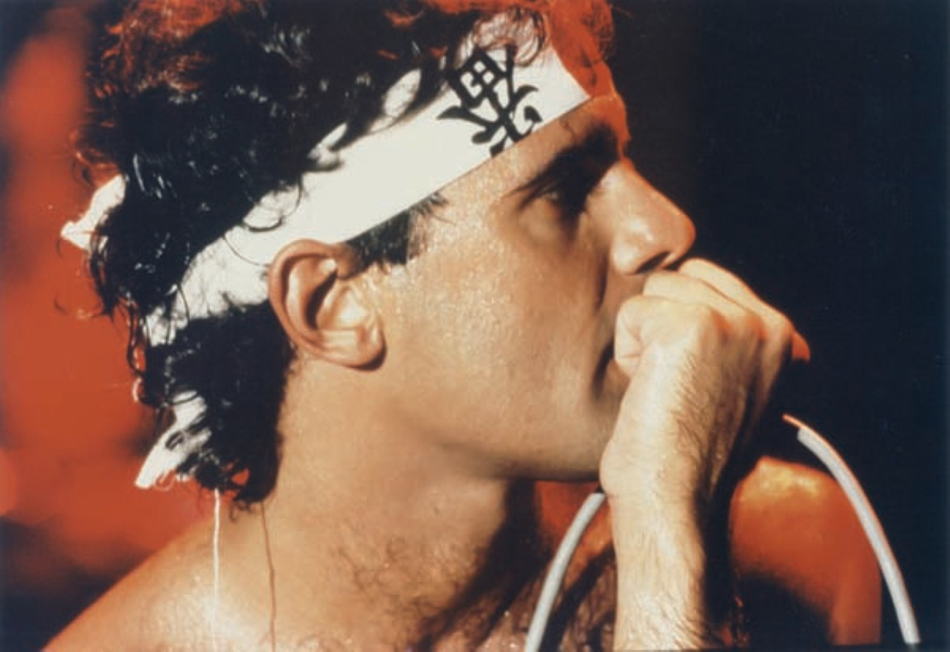


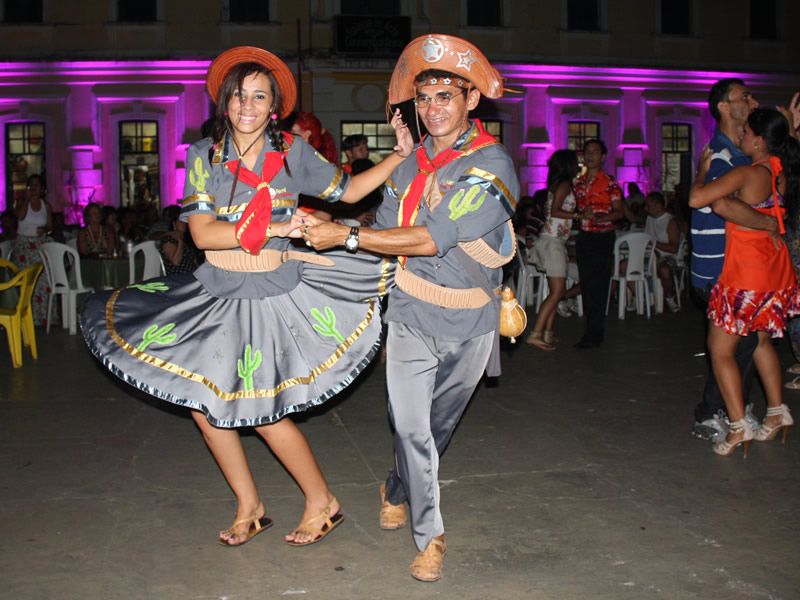
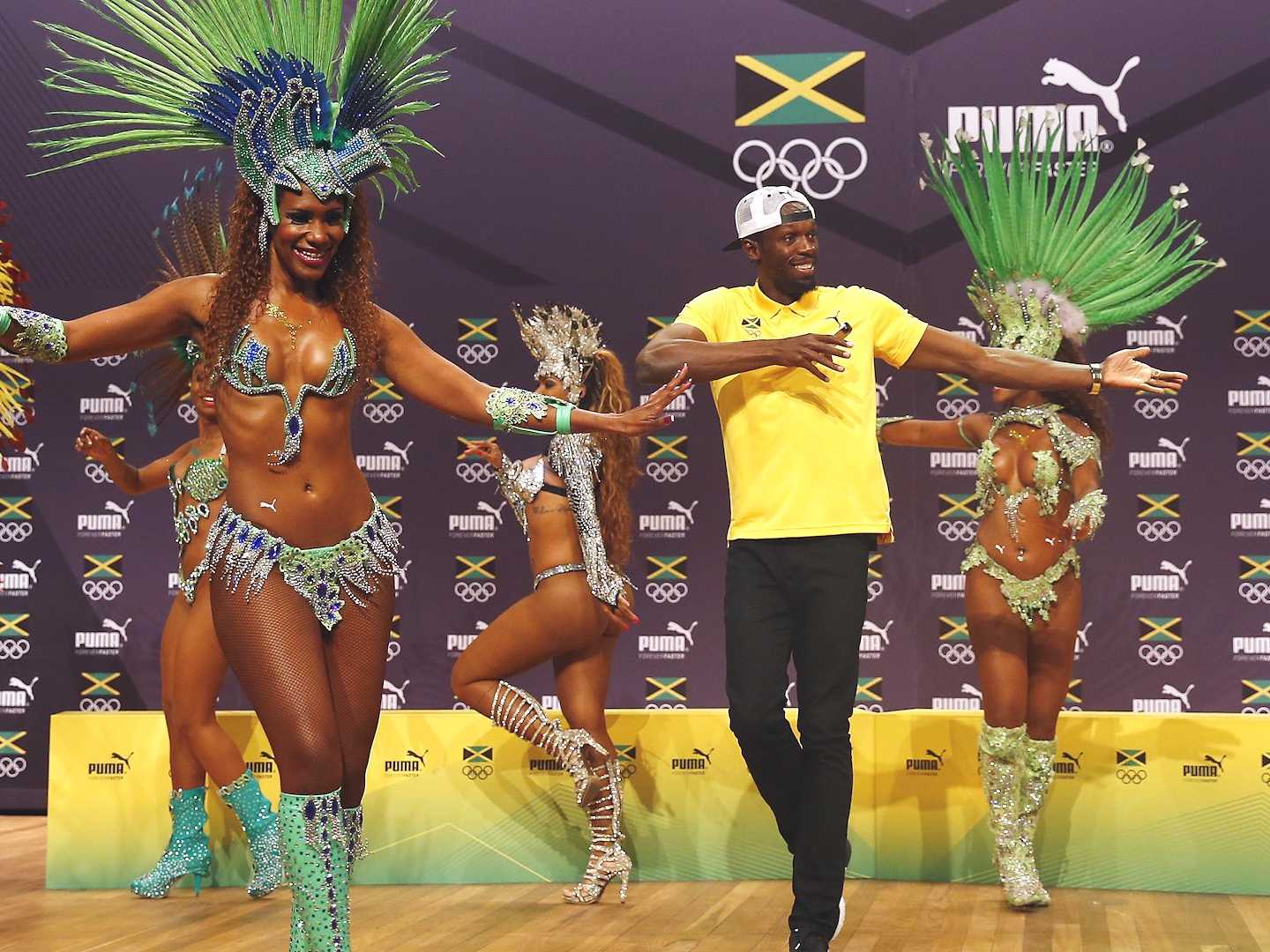




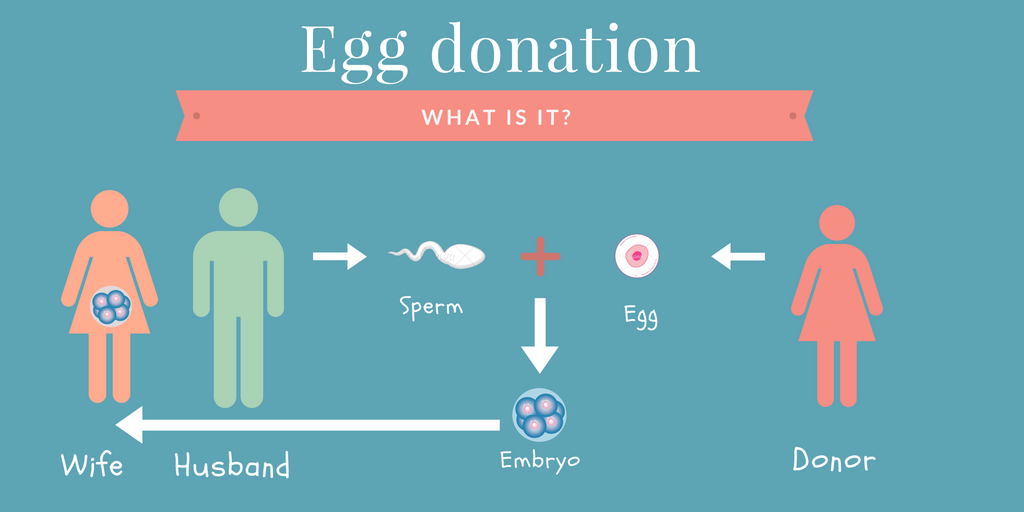








 Woman 2 women


