100 ESSENTIAL FRENCH SONGS YOU MUST HEAR Part 3: The 1970s

best-french-songs-70s-mod-resizedSee also:

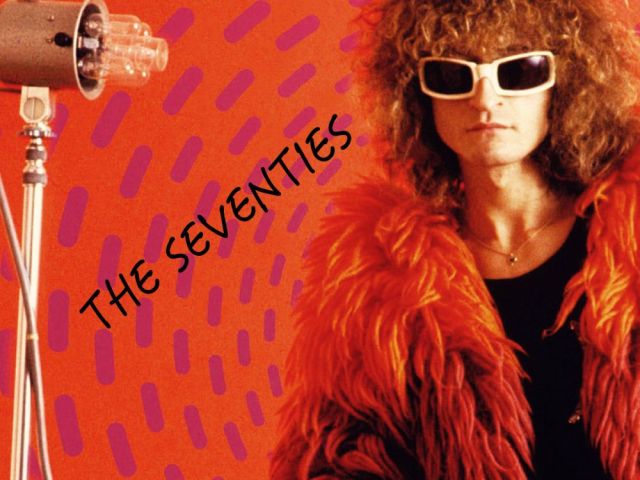
The Hippie wave, which had become particularly powerful after May ’68, affected not only fashion and cinema, but also music. Moreover, Anglo-Saxon music started to exert an increasing influence on France’s culture: rock, disco, and punk would gradually show up.

The music stage of the seventies saw the rising stars of the 60s become consecrated as “vedettes”, but also the advent of new talents with different musical styles: some of them inspired by English music, others who adopted a folk style, as wells as many new artists who modernized the traditional chanson Française. A new trend would found many followers in this period: the duet.

Although the 70s are considered by many the beginning of France’s decline as a culture trend-setter, numerous beautiful songs have emerged during that decade. I actually had a hard time to choose some among the many memorable songs… These are my top picks:

34) Léo Ferré – “Avec le temps” (1970)

Somewhat controversial Léo Ferré wrote, composed and sang this beautifully sad love song, inspired by his own love disenchantment. It became an instant classic and one of the most covered French songs worldwide.


 35Barbara –  “L’ aigle noir” (1970)

Singer-songwriter Barbara was known for her meaningful poetry, the beautiful melodies and her voice’s deep emotion. This dark song (means “The black eagle”) is believed to refer to sexual abuse she experienced as a child.


 36) Jean-François Michael – “Je pense à toi” (1971)

This so romantic song (in English “I think about you”) is an adaptation of Italian “E penso a te” by Lucio Battisti. It has been sung in many languages.


37) Michel Delpech – “Que Marianne était jolie” (1972)

The title of this song means “Marianne was so beautiful”. Marianne is actually an allegorical name for the French Republic, sang by one the greatest representatives of popular chanson Française, Michel Delpech. It has been recently sung by Renaud (January 2016) in memory of the victims of Charlie Hebdo attack.


38) Maxime Le Forestier – “San Francisco” (1972)

Known for his folksy style, Maxime Le Forestier became influential for a whole baba cool generation. After living in a hippie community, in a blue house in San Francisco, he was inspired to create one of his best known hits: “San Francisco”. The  song starts with the line: “It’s a blue house leaning against the hill”. Due to the success of this song, in recent years, the owners of the famous house agreed to repaint it blue (after years of it being painted in green).


39) Michel Fugain – “Une belle histoire” (1972)

After its release in 1972,“Une belle histoire” (A beautiful story) became immediately a huge success, and managed to remain as an all time classic, being still frequently played in certain French radio stations.


40) Vicky Leandros – “Après toi” (1972)

This song (the title means “After you”) was the winning song of the Eurovision Song Contest 1972 performed by Greek singer Vicky Leandros, who was representing Luxembourg. If you follow the Eurovision contest, it’s really worth to see this video: the differences with the present time are quite remarkable…


41) Dalida & Alain Delon – “Paroles, paroles” (1973)

This song was originally performed by Italians Mina and Alberto Lupo, but this version, sung by the timeless diva Dalida together with actor – sex-symbol Alain Delon surpassed it in success, becoming a huge hit not only in France, but also in other countries.


42) Michel Sardou – “La Maladie d’amour” (1973)

Inherently romantic but also with strong social and political convictions, Michel Sardou is considered one of the most popular artists in the Francophone world. “The disease of love” is often cited as one of Sardou’s most successful songs and an essential piece of France’s music heritage. This and several other Sardou’s songs have been included in the beautiful comedy film La famille Bélier.


43) Nino Ferrer – “Le Sud” (1974)

Although famous for his funny songs such as “Le téléfon”, “Les cornichons”, Nino Ferrer changes over time to a more complex and serious style. The result: two of his greatest hits “La maison près de la fontaine” and  this beautiful song. Le Sud (French for “The South”) refers to the country where Ferrer spent his childhood, New Caledonia.


44) Nana Mouskouri – “Que je sois un ange” (1974)

Nana Mouskouri is considered to be one of the best-selling music artists in the world: she has released -so far- over 200 albums in 10 different languages! Of her many beautiful songs, this is my favourite; it has been recently sampled by Nym.


45) Joe Dessin – “L’été indien” (1975)

Already famous during the 60s, this prolific artist would become established and well-known worldwide during the 70s. “L’Été indien” (French for “Indian summer”) is Dassin’s biggest hit, but he sang many other great songs: “Et si tu n’existais pas”, “À toi”, among others.


46) Jeane Mason  – “Avant de nous dire adieu” (1976)

This was one of American (former Paymate) Jeane Mason’s first and biggest hits. The title means “Before we say goodbye”.


47) Gérard Lenorman – “Michèle” (1976)

Very popular in France and Francophonie during the 1970s and early 1980s, this is one of Lenorman’s best known and beautiful songs, together with “Voici les clés“.


48) Plastic Bertrand  – “Ca plane pour moi”(1977)

Punk-rock Belgian singer Plastic Bertrand recorded this song, which became one of the hits of the 70s. Although covered several times, the original is still the most successful. “Ça plane pour moi” is a French idiomatic expression which translates as “everything’s going well for me”; you may have lately heard it in a commercial of a well-known whisky brand.


49) Marie Myriam – “L’oiseau et l’enfant” (1977)

“The Bird and the Child” was the winning song in the Eurovision Song Contest 1977 performed by Marie Myriam; this was the last time a French song won the contest. In 2015, Kids United (a six-children French musical group created to support UNICEF) released a very successful cover of this song.


50) Michel Polnareff – “Lettre à France” (1977)

Provocateur and eccentric, with his signature black glasses and fancy trousers, Polnareff is still to date critically acclaimed during his occasional tours. He wrote nostalgic “Lettre à France”  (Letter to France) when he was exiled in the USA due to fiscal and financial problems.


51) Michel Berger et Luc Plamondon – “Le blues du businessman” (1978)

This is one of the songs of rock opera Starmania, which would become a huge success in French-speaking countries; an English version was later created. The song tells about a businessman who, although professionally successful, realizes that he would have preferred to become an artist.


52) Julien Clerc – “Ma préférence” (1978)

Talented singer, songwriter and pianist, Clerc is still a highly respected French artist, with active humanitarian work. From his vast repertoire this is his most beautiful songs, in which he asks his partner to be forgiven for his infidelities and come back to him.


53) Claude Nougaro – “Tu verras” (1978)

The title means “You will see”; it is an adaptation of Brazilian Chico Buarque’s  O Que Será? Due to its immediate success, Claude Nougaro wins in 1978 the French Record Academy Award.


54) Francis Cabrel – “Je l’aime a mourir” (1979)

Je l’aime à mourir” (English: I love her to death) was a hit single for Francis Cabrel not only in France, but also in Canada, Europe and other countries (he also recorded it in Spanish). It has been covered many times and in many languages, one of the latest is that by Shakira.

Don’t miss:

YouTube playlist here


100 ESSENTIAL FRENCH SONGS YOU MUST HEAR Part 2: The 1960s

best-french-songs-60s-bb-modSee also 

With France’s postwar reconstruction finally over, a renewed sense of optimism and energy started to exude from young people in the 60s. Fashion, cinema and music reflected this state of mind: Nouvelle vague cinema and pret-à-porter are emblematic of this period, although after the 1968 events, young people would be largely influenced by the hippy culture (known as baba cool in French). French music is marked by the emergence of yé-yé, (from the English “yeah yeah”), which became a global phenomenon and gave the world some of the best all-time songs.

These are some of the most memorable songs of the sixties:

16) Gilbert Bécaud – “Et maintenant” (1961)

Also known as “Monsieur 100,000 Volts” for his energetic performances, Bécaud remained a popular artist for nearly fifty years. “Et maintenant” is about a love deception: in the song, despair and commotion go in crescendo (so does the music) ending with a last tragic verse: “I really have nothing left”. It was a huge success; a 1961 release by Bécaud himself in English known as “What Now My Love” became an instant hit in the UK and USA.


 17) Françoise Hardy – “Tous les garçons et les filles” (1962)

This song (means “All the Boys and Girls”) is about the feelings of a young woman who hasn’t found love, and her envy of the couples that surround her. It quickly became a success; Hardy also recorded it in English, Italian and German. It has been covered many times and featured in several films.


 18Georges Brassens – “Les copains d’abord” (1964)

This prolific singer/ songwriter/ poet, who wrote and sang more than 100 poems and recorded 14 albums, is known for his anarchist ideas and his black-humored texts. Les copains d’abord, an anthem to friendship, has become one of his most famous songs. It was initially written for the film Les Copains.


19) Enrico Macias – “L’amour c’est pour rien” (1964)

Algeria-born Macias was forced to leave his country during Algerian War of Independence, going into exile in France. He has not been permitted to return to Algeria ever since, hence his nostalgic, oriental-influenced songs: “Adieu mon pays” (Goodbye my country), L’oriental(The Oriental), among others. “L’amour c’est pour rien” (Love is for free) is a more romantic, light song.


20) Alain Barrière – “Ma vie” (1964)

After getting known from his participating in 1963’s Eurovision Song Contest, Barrière released his first album, Ma vie (My life), from which the title-track became a huge hit.


21) Charles Aznavour – “La Bohème” (1965)

With his unique voice, Aznavour is one of France’s longest standing stars, usually compared to Frank Sinatra; he has recorded over 1200 songs in 8 languages. “La Bohème” is Aznavour’s signature song, it’s about a painter who recalls his young years in bohemian Montmartre.


22) Christophe – “Aline” (1965)

This romantic ballad describes, in a poetic way, the feelings of a man whose love, Aline, is gone. It was an instant hit in several countries and is Christophe’s most famous song, followed by -so romantic- Oh mon amour.


23) Sylvie Vartan – “La plus belle pour aller danser” (1965)

Sylvie Vartan is considered one of the most productive and famous yé-yé artists. This song (means “The most beautiful for dancing”) is one of her most successful hits, not only in France, but also in other countries such as Japan.


24) Adamo – “La nuit” (1965)

Belgian artist Salvatore Adamo (also known as Adamo) was one of the 60’s most famous artists; in fact, he is the best selling Belgian musician of all times and is regarded as one of the most commercially successful musicians in the world.  La Nuit” (The night) is one of his definitive songs together with “Tombe la neige” and “Inch’Allah“.


25) Hervé Villard –Capri c’est fini” (1965)

This song (means “Capri it’s over”) talks about the break-up of a relationship that had started in Italian island of Capri, a very popular summer destination during the 60s. The song became a huge French and international hit in the summer of 1965 along with Christophe’s hit song Aline.


26) Mireille Mathieu – “La dernière valse” (1967)

Mireille Mathieu was one of the most recognizable French singers in the 60s -and she still is!  She has recorded over 1200 songs in 11 languages, with more than 150 million albums sold worldwide. This song is the French version of  The Last Waltz, and became a hit not only in France, but also in the UK, where Mathieu was invited to sing at the Royal Performance for the Queen Élisabeth II.


27) Jacques Dutronc – “Les cactus” (1967)

Dutronc is one of the most popular performers in the French-speaking world, although little known in English-speaking countries. He’s among the artists who started as opposition to the lightness of “yéyés”, representative of a genre that would be lately known as garage rock.

Don’t get fooled by the seemingly meaningless lyrics of this song (“The whole world is a cactus, it’s impossible to sit down”), Dutronc sharply criticizes conventionalism, bourgeoisie and “the selfishness and individualism arising from capitalism”.


28) Claude François – “Comme d’habitude” (1968)

After its release in 1968, this song became increasingly famous, being played constantly in radio and TV. While in Paris, Paul Anka happens to hear this song, he buys it and writes English lyrics. And just like that, an all-time classic was born: Frank Sinatra’s “My Way“.


29) Joe Dassin – “Les Champs Élysées” (1969)

This is one of Dassin’s first hits, who would become extremely popular during the 70s. Curiously, this so Parisian piece is an adaptation from an English song.  It has been lately covered by Zaz.


30) Georges Moustaki – “Le Métèque” (1969)

Egyptian-French (of Italo-Greek origin) Moustaki became known for the poetic, simple and romantic songs he composed and often sang. During his forty-year long career he gave France some of its best-loved music by writing about 300 songs for some of the most popular singers. This autobiographic song was a massive success: Métèque is a pejorative word that was commonly used to call immigrants of Mediterranean origin.


31) Zanini – “Tu veux ou tu veux pas” (1969)

With his signature little mustache, bucket hat and glasses, Zanini would become well-known after his huge hit “Tu veux ou tu veux pas” (You want to or you don’t), which is actually an adaptation of Brazilian Wilson Simonal’s “Nem vem que não tem”.


32) Johnny Hallyday – “Que je t’aime” (1969)

This is “French Elvis” Johnny Hallyday’s most iconic song, which remains to date one of France’s favorite songs. It was such a success that frenzied fans would often go crazy, shout and faint; Hallyday was forced many times to be “rescued” by a police car to escape the enthusiasm of his fans.


33) Serge Gainsbourg & Jane Birkin – “Je t’aime moi non plus” (1969)

In English the song title means “I love you – me not anymore” and is about two lovers’ impossibility of physical love. It became an instant hit in many countries, but due to its explicit sexual content it was banned in many others.

Gainsbourg came up with this song when Brigitte Bardot asked him to write “the most beautiful love song he could imagine”. And he did it: to me, this is one of the most erotic songs ever recorded.

See also:

YouTube playlist here


100 ESSENTIAL FRENCH SONGS YOU MUST HEAR Part 1: The 1930s, 40s & 50s

best-french-songs-30-40-50-modSee also:

We all  love music. Music can touch our deep feelings, it can make us cry or smile, it empowers us… A melody can also transport us: by just listening to it, we can be right away elsewhere, or find ourselves in another time! Moreover, music helps us deepen into a country’s culture (so does cinema, or gastronomy). So, today I propose you to time travel to France!

Whether you need to practise your French, you want to (try to) understand French people’s personnalité, or you just love French music -like I do-, check out these 100 beautiful songs that are really representative of France’s rich culture and history. The list is divided by the year the songs were released:

Amusez-vous bien!  (Enjoy it!)


1) Lucienne Boyer  “Parlez-moi d’amour” (1930)

This beautiful song (means “Tell Me About Love”) gained wide recognition after featuring in the film Casablanca; you may have also heard it in Woody Allen’s Midnight in Paris. It was also recorded by other French singers, maybe the best known is the cover by Dalida.


2) Josephine Baker – “J’ai deux amours” (1931)

Although American-born, Josephine Baker became best known in France. This was her fétiche song, which contained the famous lines: “I have two loves, my country and Paris”.


3) Fréhel – “Si tu n’étais pas là” (1934)

Parisian singer Fréhel, one of the most famous singers of the 30s -also known for her tormented personal life- sings this beautiful song, which was featured in the soundtrack of the film Amélie.


4) Maurice Chevalier – “Paris sera toujours Paris” (1939)

French actor, cabaret singer and entertainer, Maurice Chevalier was also a Hollywood star. This oh-so-Parisian song (means “Paris will always be Paris”) was recently recorded by Zaz.


5) Tino Rossi – “J’attendrai” (1939)

“I will wait” became the big French song during World War II (is actually a French version of the Italian song “Tornerai“). It has been covered many times -the most popular was  Dalida’s– and has featured in several films.


6) Léo Marjane – “Seule ce soir” (1941)

Marjane’s song (she’s now 104 years-old!) would become one of the best-loved songs of its time, as it captured the feelings of the many people who were experiencing wartime separation (the title means “Alone Tonight”).


7) Charles Trenet – “La mer” (1946)

Right after its release, “La mer” became a massive hit, and has remained a chanson classic ever since. It has been recorded in many languages (“Beyond the sea” in English) and featured in numerous films.


8) Édith Piaf – “La vie en rose” (1947)

This was Édith Piaf signature song. It has been covered by several artists over the years, including a 1950 version by Louis Armstrong; a cover version in 1977 by Grace Jones was also an international hit.


9) Yves Montand – “Les feuilles mortes” (1949)

“Autumn Leaves”, with lyrics by the great French poet Jacques Prévert, was initially made famous by Yves Montand, but it has been covered many times over the years, being the most famous those by Nat King Cole, Miles Davis and Eric Clapton.


10) Jean Bretonnière – “Sous le ciel de Paris” (1951)

The song “Under the sky of Paris” was composed for the namesake film. Since its release, it has been covered incessantly. Notable versions are those of Edith Piaf, Yves Montand, Michel Legrand, and lately Zaz.


11) Juliette Gréco – “Je suis comme je suis” (1951)

French actress and popular chanson singer, devotee of the bohemian fashion of post-war France’s intellectuals, Gréco sings “I am what I am”, a poem by Jacques Prévert, which talks about women, seduction and the need to accept ourselves as we are.


12) Yves Montand – “À Paris” (1953)

Singer and actor, Montand has starred in numerous American films. His recognizably songs, especially those about Paris, became instant all-time classics (C’est si bon is another great song).  Zaz has lately covered the song in her album about Paris.


13) Gloria Lasso – “Étrangère au Paradis” (1955)

This is the French version of “Stranger in Paradise”, a popular song from the musical Kismet.


14) Jacques Brel – “Ne me quitte pas” (1959)

The title means “Don’t leave me”. It is a beautiful, melancholic song by Belgian singer-songwriter Jacques Brel. It has been covered by many French  and foreign artists (I love the one by Yuri Buenaventura!); it has also been translated into and performed in 26 languages! A well-known adaptation in English is “If You Go Away“.


15) Édith Piaf – “Non, je ne regrette rien” (1959)

If I would have to choose the best French song of all times, without any doubt it would be this timeless masterpiece. “No, I regret nothing” is a such a powerful and moving song, with so unique style; no wonder none of the many recordings attempted has become recognizable. If you love cinema, you certainly heard it in Inception; I truly recommend you to see the remarkable biographical film “La môme” (a.k.a. La vie en Rosewith amazing Marion Cotillard in the role of Piaf.

See also:

YouTube playlist here


STROMAE

Stromae papillon

Μετά την Ελλάδα, θα ήθελα -μετά τα πρόσφατα τραγικά γεγονότα- να κάνουμε ένα μουσικό ταξίδι στο Βέλγιο… Και αν σκέφτομαι Βέλγιο, ένας καλλιτέχνης έρχεται αμέσως στο μυαλό μου: ο Stromae.

‘Ισως μερικοί από εσάς αναρωτιέστε, ποιος είναι ο Stromae;

Αφίσα του Stromae σε έναν τοίχο στο Ώστιν, Τέξας

Μπορεί να μην έχετε συγκρατήσει το όνομά του, αλλά κατά πάσα πιθανότητα θα έχετε ήδη ακούσει -και χορέψει- μία από τις απόλυτες επιτυχίες του: το Alors on dance, το οποίο το 2010 έφτασε στην κορυφή των charts στις περισσότερες χώρες της Ευρώπης. Η φήμη του όμως έχει πλέον ξεπεράσει τα ευρωπαϊκά σύνορα: σε μία πρόσφατη περιοδεία κατάφερε να ξετρελαίνει και τους Αμερικάνους.

Αλλά ο Stromae -το όνομά του προέρχεται από την αντιστροφή των συλλαβών της λέξης Maestro– είναι επίσης ένα σούπερ σταρ στο YouTube: τα βίντεό του έχουν ένα δισεκατομμύριο προβολές!!

Ποιο είναι, άραγε, το μυστικό της επιτυχίας του Stromae, ιδιαίτερα λαμβάνοντας υπόψη πως τραγουδάει μόνο στα γαλλικά; Η μελωδική του μουσική; Οι βαθυστόχαστοι στίχοι; Το αινιγματικό του παρουσιαστικό;

Stromae yellowΑν και η μουσική του έχει επιρροή από ηλεκτρονικούς και hip hop ήχους, δεν περιορίζεται μόνο σε αυτούς: κάποια τραγούδια έχουν αφρικανικούς, άλλα latin ρυθμούς, οι οποίοι αναμειγνύονται αρμονικά μεταξύ τους. Αλλά αυτό που κάνει τον Stromae να υπερέχει από άλλους καλλιτέχνες είναι ότι, στα δήθεν ελαφρά ακούσματα των τραγουδιών του, κρύβεται ένα ισχυρό κοινωνικό μήνυμα: μιλάνε για το AIDS, τον καρκίνο, τις σχέσεις, τα σεξουαλικά κλισέ … Ωστόσο ο Stromae πιστεύει πως το να καταλάβεις τους στίχους δεν είναι και απαραίτητο: «Κανείς δεν καταλαβαίνει Αγγλικά [στο Βέλγιο], αλλά όλοι ακούνε αγγλική μουσική, γιατί μπορούν να διαισθάνονται το συναίσθημα και το groove των τραγουδιών, και αυτό φτάνει για να χορέψουν και να νιώθουν τη μουσική», λέει χαρακτηριστικά.

Η εκκεντρική του εμφάνιση ήταν αναμφίβολα καθοριστική για την ευρεία του αναγνώριση: τα εξωτικά φυλετικά χαρακτηριστικά, το σκούρο δέρμα και τα πράσινα μάτια του -ο πατέρας του ήταν από τη Ρουάντα, η μητέρα του είναι Βελγίδα -καθώς και το εκφραστικό, μελαγχολικό του βλέμμα. Και φυσικά το εξίσου εξωτικό του ντύσιμο, το οποίο συνδυάζει με απόλυτο στιλ την βρετανική κομψότητα και την αφρικάνικη αισθητική.

Επομένως, ίσως το μυστικό της επιτυχίας του είναι πως ο Stromae συμβολίζει την Ευρώπη: είναι ένα μείγμα από διάφορες φυλές, στυλ και πολιτισμούς, προκλητικός και αντιφατικός, με απόλυτη προσοχή στην αισθητική, με ελαφρότητα αλλά και κοινωνικά ευαισθητοποιημένος…

Stromae Cheese

Το πρώτο hit του Stromae ήρθε σχεδόν κατά τύχη: ενώ εργαζόταν ως μαθητευόμενος σε ένα βελγικό ραδιοφωνικό σταθμό, ο μουσικός παραγωγός άκουσε το “Alors on dance” και αποφάσισε να το παίξει. Η επιτυχία ήταν άμεση. Τα πιασάρικα beats του τραγουδιού παραδίδουν ένα μήνυμα: «Η ζωή είναι χάλια, ας χορέψουμε”, και το τραγούδι ήρθε στο κατάλληλο μέρος, τη κατάλληλη στιγμή: στην αρχή της οικονομικής κρίσης της Ευρώπης το 2009. Το βίντεο δείχνει έναν άντρα απελπισμένος με τη ζωή του και την κοινωνία, έτσι το μόνο που του έχει απομείνει είναι να χορέψει.

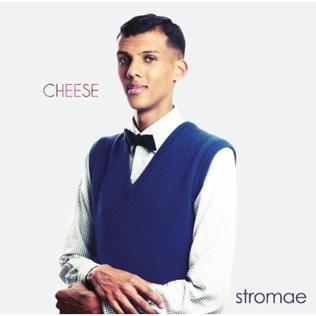
Το πρώτο του άλμπουμ, το Cheese, κυκλοφόρησε το 2010. Εκτός από το smash hit “Alors on Dance” περιέχει και άλλα ωραία κομμάτια, ίσως το αγαπημένο μου είναι το “Te quiero”.

Stromae Racine Carree

Το αριστουργηματικό του δεύτερο άλμπουμ, το Racine Carrée (“Τετραγωνική Ρίζα”), το οποίο κυκλοφόρησε το 2013, είναι ακουστικά πιο ποικιλόμορφο και ολοκληρωμένο, ενώ διατηρεί παράλληλα τους βαθυστόχαστους στίχους. Συμπεριλαμβάνει πολλά υπέροχα τραγούδια, τα περισσότερα εκ των οποίων έχουν φτάσει στο νούμερο 1 των charts της Γαλλίας και του Βελγίου. Είναι δύσκολο -αν όχι αδύνατο- να επιλέξω μόνο ένα τραγούδι από αυτό το άλμπουμ. Αυτά είναι μερικά από τα αγαπημένα μου:

Papaoutai” (“Papa où t’ai/Μπαμπά που είσαι”) μιλάει για απόντες πατέρες: ο πατέρας του Stromae σκοτώθηκε κατά τη διάρκεια της γενοκτονίας στη Ρουάντα, και ο ίδιος μεγάλωσε με τη μητέρα του. Στο πολύχρωμο, οπτικά άψογο βίντεο –με περισσότερα από 300 εκατομμύρια προβολές στο YouTube!– ένα αγόρι χρησιμοποιεί έναν κούκλο για να αντικαταστήσει τον πατέρα του:

Stromae Tous les memesFormidable”, είναι η ιστορία ενός αστέγου. Το βίντεο έγινε viral στο YouTube: για να το κάνει χρησιμοποίησε κρυφές κάμερες σε μια στάση του τραμ και προσποιήθηκε πως ήταν μεθυσμένος.

Tous Les Mêmes” (“Όλοι ίδιοι”), στο βίντεο ο Stromae εμφανίζεται ντυμένος μισός άνδρας, μισός γυναίκα, και αναλύει διάφορα στερεότυπα για τις διαφορές μεταξύ φύλων.

Carmen” χρησιμοποιεί κινούμενα σχέδια για να περιγράψει τους κινδύνους της υπερβολικής χρήσης των μέσων κοινωνικής δικτύωσης:

Quand C’est?” (Πότε είναι; στα γαλλικά ακούγεται σαν “Καρκίνος”) είναι το τελευταίο του βίντεο, περίτεχνο και σκοτεινό, όπου εξερευνά τον φόβο και τον πόνο που μας προκαλεί ο καρκίνος:

Μάθε περισσότερα για τον Stromae εδώ:

Stromae Mosaert

Η σελίδα του στο Facebook  

Ο λογαριασμός του στο Twitter 

Το fashion label του Mosaert

STROMAE

Stromae papillon

After Greece, I felt compelled to travel -musically speaking- to Belgium, moved by the recent tragic events… When thinking Belgium, one artist comes straight away to my mind: Stromae.

Many of you may wonder, Who the hell is Stromae?

Stromae poster on a wall in Austin, Texas

If you live in Europe, chances are that you have already heard -and danced- one of his absolute hits: Alors on dance, which in 2010 topped the charts of most European countries. His fame though, has now largely exceeded the European borders: in a recent tour he managed to take the USA by storm.

But Stromae -his name comes from reversing the syllables of Maestro–  is also a YouTube superstar: his videos have one billion views!!

So, what’s the secret of success, particularly for someone who sings only in French? His melodious tunes? The meaningful lyrics? His enigmatic look? The answer is: all of them!

Stromae yellowAlthough his songs are influenced by electronic and hip hop music, they are not confined to these two genres: some songs have african, other latin sounds, blended harmonically together. But what makes him excel above other artists is that, under the easy-listening rhythms, a powerful social message is hidden: he tells stories about AIDS, cancer, relationships, sexual clichés… Yet Stromae believes that understanding the lyrics is not that important: “Nobody understands English music [in Belgium], but everybody listens to English music, so we can understand the feeling, understand the groove, and it’s enough actually to dance on it or to feel”, he says.

Stromae’s eccentric look has certainly been instrumental for his wide recognition: the exotic racial features, dark skin and green eyes -his father was from Rwanda, his mother is Belgian- as well as his expressive, melancholic regard. And of course his signature, equally exotic dressing style: a blend of British elegance and African aesthetic.

Thus, maybe the secret of success is that Stromae is a symbol of Europe: a mixture of races, styles, and cultures; exhaling a great deal of contradiction and provocation; with utmost attention to aesthetics; weightless but socially engaged at the same time…

Stromae CheeseStromae’s first hit came almost by chance: while working as a trainee at a Belgian radio station, the music manager heard “Alors on dance” and decided to air it. The success was immediate. The song’s catchy beats deliver a message: “Life sucks, so we dance”, which came out in the right place, the right time: at the beginning of Europe’s economic crisis back in 2009. The video shows a guy feeling hopeless about his life and society, so the only thing left is to dance.

His first album, Cheese, was released in 2010; besides the smash hit “Alors on Dance” we find other nice tracks; maybe my favourite is “Te quiero”.

Stromae Racine CarreeHis masterful second album, Racine Carrée (Square Root), is musically more diverse and accomplished, while preserving the relevant lyrics. Released in 2013, it contains many wonderful songs, most of which have reached number 1 in France’s and Belgium’s charts. It is difficult -if not impossible- to pick a single song from this album; these are some of my preferred ones:

Papaoutai” (“Papa où t’ai/Papa where are you”) talks about absent fathers -Stromae’s own father was killed during the Rwandan genocide, and he grew up with his widow mother. In the colourful, visually  impeccable video -with more than 300 million views!- a boy uses a mannequin to replace his absent father:

Stromae Tous les memesFormidable”, a story about a drunk homeless, went viral on YouTube: to make the video, he used hidden cameras at a tram stop and pretended to be drunk.

Tous Les Mêmes” (“All the same”) features Stromae dressed half a man, half a woman, and depicts various stereotypes on gender differences.

Carmen” uses cartoon to accurately describe the dangers of social media overuse:

Quand C’est?” (When is it?; in French sounds like “Cancer”) is Stromae’s latest artful, dark video, where he “explores the pain caused and inevitable fear of cancer”:

More info here:

Stromae Mosaert

His Facebook  page

His Twitter account

His fashion label Mosaert

ZAZ

Zaz photo

Continuing our musical trip, we leave Latin America and fly back to Europe, more precisely to France, through the sounds of the amazing voice of Zaz. With her gypsy jazzy style and her sultry voice, which reminds us of Edith Piaf, she will instantly set us in a french mood…


Zaz albumIsabelle Geffroy (that’s her real name) made its maiden appearance five years ago with the album Zaz, with which she managed to have all Europe singing the addictive “Je veux”. The album went double platinum in France, while the song “Je veux” stayed at the top of most European charts for several weeks. After this massive hit, she became the most listened French singer abroad and, according to an Internet survey in France, the favorite French musician in 2010.


Zaz Recto verso

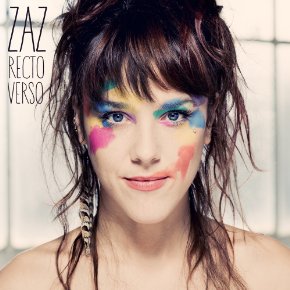
Her second album, Recto Verso appeared one year later. Like Zaz’s debut, Recto Verso became double platinum in France, and was certified gold in several European countries. Her international following kept growing, and during 2012 Zaz toured throughout Europe, Japan, and Canada.


Zaz ParisBy the end of 2014, Zaz released her latest album entitled Paris, where she pays tribute to the “City of Lights”. The album was produced by the legendary Quincy Jones, who was impressed by her voice and style. It includes three collaborations with Charles Aznavour, John Clayton and Nikki Yanofsky. Paris resulted in Top Ten chart placings across Europe, and was followed by a succesful (ongoing) world tour.


The video I chose for this post is from her last album. The song is called “Sous le ciel de Paris” (under the sky of Paris). Listen to it, and you will want to get your ticket to Paris right away…

More info at http://www.zazofficial.com