EGG FREEZING: IS IT FOR ME?

Ann is 36 years old, she is single and hasn’t met “Mr. Right” yet… She feels her biological clock is ticking, and is afraid of not finding the right partner in time to have children.

Marie, age 35, is an executive employee at a big multinational company. Although she would like to have a family, she believes that motherhood at this time will affect her career.

Both of them are wondering the same thing: Should I freeze my eggs?

Egg freezing, also called oocyte cryopreservation, has been around for many years now. But lately it has been extensively discussed in the media, especially since Facebook and Apple announced that they will be paying egg freezing for their female employees (read more here).

You have most likely heard of egg freezing, but how is the procedure? Is it safe? When to do it? Is it a sure thing?

In this article we will clarify the most important aspects of egg freezing and discuss some realities you need to know in case you decide to embark on this venture…

What is egg freezing? Why should I consider it?

egg freezing human-eggEgg freezing means that a woman’s eggs are extracted from the ovaries, frozen and stored for future use.

Fertility declines with age, and this is due to ageing of the ovaries and eggs (oocytes). Unlike men, who produce spermatozoa throughout most of their lifetime, woman are born with a lifetime’s egg supply: we have about 2 million immature eggs at birth, when we reach puberty there are about 300.000 left, and each month we lose several thousands. By the time we are 30 years old, 90% of the eggs are already gone, and only 3% have remained when we reach 40.

But it’s not only quantity that matters, it’s also quality. As the body ages, the oocytes age as well, and their genetic material may become damaged. This is the reason why older women have reduced fertility, but also increased risk of pregnancy loss and having a baby with certain defects such as Down syndrome.

Unlike the eggs, the uterus is not affected by ageing and is able to carry a pregnancy in the 40s and beyond; this is true even for menopausal women.

Therefore, if we pick up the eggs and freeze them, eggs’ quality will remain unaltered with time: let’s say you freeze your eggs at 30 years old, and you put them back in your 40s, your eggs will still be 30 years old!

Who are the candidates for egg freezing?

Egg freezing beautiful-business-woman-looking-what-time-is-itWomen who want to delay motherhood for social reasons, usually due to career or study obligations, or because they are not in a stable relationship. This is the most common reason egg freezing is requested and carried out, although scientific societies’ opinions worldwide are divided in this matter. While the European Society for Human Reproduction and Embryology (ESHRE) endorses it by stating: “Oocyte cryopreservation should […] be available for women […] who want to protect their reproductive potential against the threat of time”, the American Society for Reproductive Medicine (ASRM) stands more cautious, concluding: “There are not yet sufficient data to recommend oocyte cryopreservation for the sole purpose of circumventing reproductive aging”.

Although social egg freezing will be the focus of this article, there are other situations where egg freezing is, beyond any doubt, an invaluable tool:

Women diagnosed with certain cancers. Some cancer treatments such as chemotherapy, radiotherapy or surgery may damage the ovaries, leading to sterility. Thus, freezing the eggs before therapy may preserve fertility in these women.

Women with high risk of going into early menopause:

  • women carrying a faulty gene or chromosome known to cause early menopause;
  • those with a strong family history of early menopause.
  • those having a defective gene (such as BRCA1 and 2 genes) related to high risk of ovarian cancer, when removal of the ovaries is considered. In such women, if childbearing has not been completed, egg freezing may be an option before surgery.

Certain couples undergoing in vitro fertilization (IVF):

  • When for religious or legal reasons the embryos cannot be frozen. This is a common situation in countries such as Italy, where embryo freezing is forbidden by law.
  • If the man is unable to collect sperm, or when men with severe infertility do not have no sufficient spermatozoa to fertilize all available eggs. In such cases, the eggs can be frozen for use at a later date.

How is the procedure I should go through to freeze my eggs?
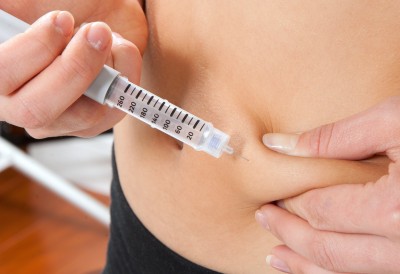
egg freezing woman-giving-herself-ovarian-stimulation-injectionIn order to freeze the oocytes, a woman undergoes a hormonal treatment, aimed to stimulate the ovaries to produce multiple eggs. There are several protocols for that -the so-called short and long protocols- depending on ovarian function and also how urgent the procedure is (e.g. when egg freezing is done before cancer treatment).

Initially, a medication is used to turn off natural hormones, sometimes together with birth control pills. After that, hormone injections are self-administered during 10 to 14 days to mature the eggs.

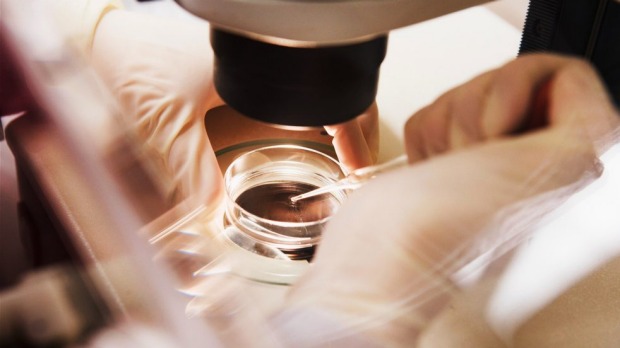
When the eggs are ripe, they are aspirated through the vagina with the aid of a needle, under ultrasound guidance. The procedure is usually done under mild sedation. The eggs are immediately frozen, in most centers with a method called vitrification.

Once a woman decides to attempt pregnancy -this may be months or years later- the oocytes are thawed, injected with a single spermatozoon and left in an incubator to fertilize. After two to five days, the resulting embryos are transferred into the uterus with a thin catheter.

It should be mentioned that some women from whom few eggs are retrieved may need to undergo several stimulation cycles in order to have a reasonable number of oocytes cryopreserved (the ideal number would be 20 to 30).

 Age issues…

What is the ideal age to freeze my eggs?

Egg freezing woman on clock resized 2

From the biological point of view, the answer is straightforward: the younger, the better. Here is why: a woman in her 20s is expected to have 15 to 25 eggs available for freezing. Since the oocytes are of good quality, about 4 to 5 eggs will be needed to produce one baby (some eggs will not survive the thawing process and others will not fertilize). Someone in her 40s, though, will produce in the best of the cases 8 to 10 eggs, but (statistically speaking) 25 eggs may be needed to produce one baby, because the eggs will be of lower quality…

But at what age should a woman take the decision to freeze her eggs? This question is more difficult to answer. Ovarian function is not equal for every woman. While certain women in their early 30s have already diminished ovarian function, others in their 40s have excellent hormonal levels… An ideal time frame would be between 30 and 35, but again, we should be cautious as this may not apply to every woman.

In order to help you decide when to freeze your eggs, some experts suggest to monitor regularly the ovarian reserve by measuring a hormone called Anti Mullerian Hormone (AMH), which is very reliable to show how the ovaries work.

What is the age limit to freeze my eggs?

According to ESHRE, cryopreservation for women older than 38 should not be recommended, unless prior assessment of the ovarian reserve justifies the procedure. In many centers, the upper limit is 43, because this is the age when pregnancy rates drop dramatically. Again, there may be exceptions according to a woman’s ovarian function.

What is the age limit to use my frozen eggs?

Egg freezing New York magazineAs stated above, the uterus is not affected by ageing. There have been reports of women having children -with egg donation from a younger woman- in their 60s. But there is a point where a pregnancy will not benefit neither the woman, nor the children. The ASRM advises against embryo transfer (either fresh or frozen) in women over 55, because over that age the maternal and fetal risks seem to be higher. Many centers set the limit of 50, which is the age limit established by law in many countries.

How well does egg freezing work?
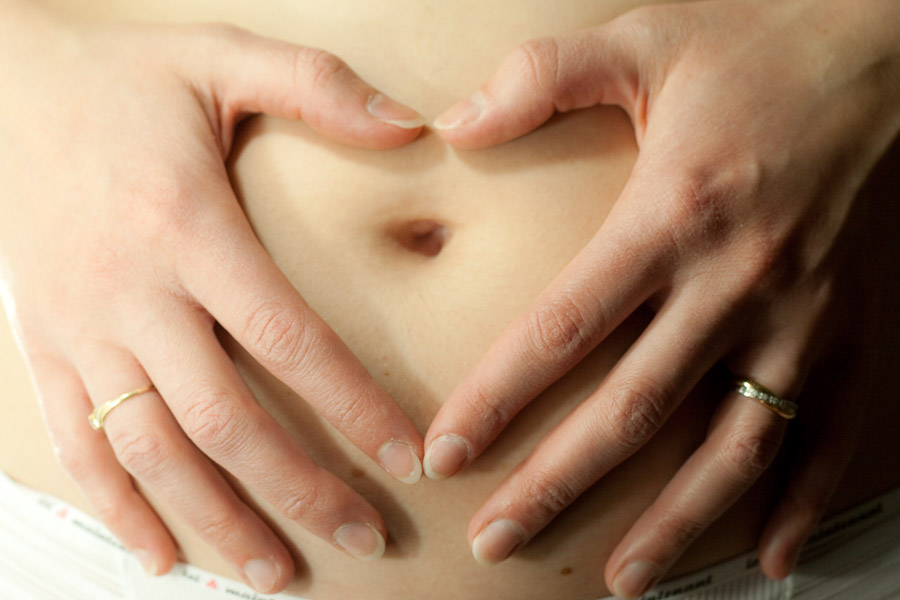
Pregnant HeartOut of all the frozen eggs, about 90-95% will survive the thawing process. When the thawed eggs are fertilized, the results are comparable to those with IVF using fresh oocytes: 36 to 65% pregnancy rate, according to different studies. Like with IVF, success rates are clearly linked to maternal age at the time of freezing, the younger the women, the higher the pregnancy rates.

These results, although  impressive, show that egg freezing is not a 100% guarantee of success; of all women freezing their eggs about half of them will become pregnant.

How long can the eggs remain frozen?
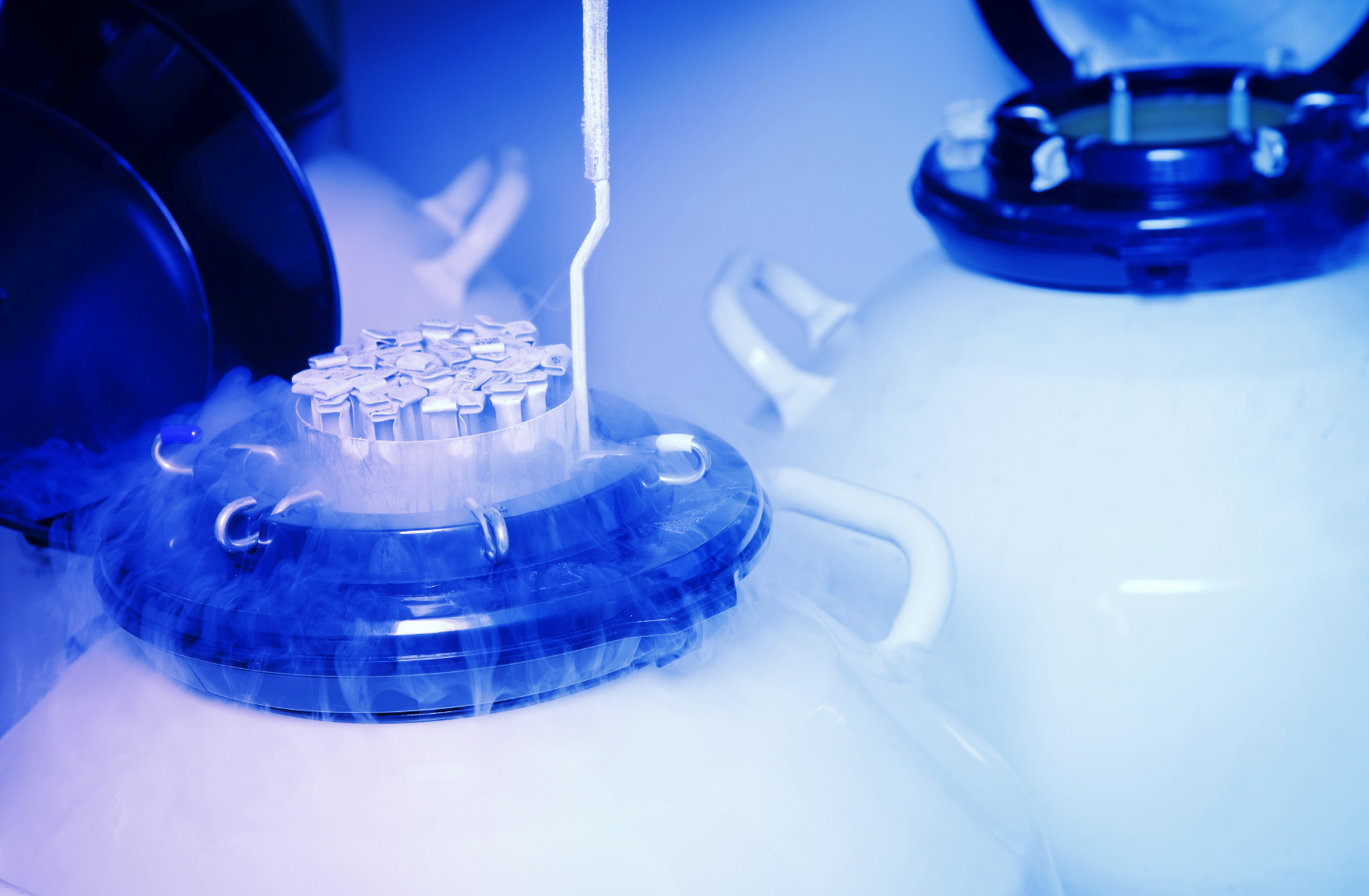
Egg freezing liquid-nitrogenEgg freezing is a relatively recent procedure, but the practice of freezing embryos has been around for many years, and pregnancies have been achieved with embryos frozen for more than 20 years. So we expect that, most likely, the same will apply to frozen eggs.

Is it a safe procedure?…

…For the woman?
Egg freezing petri dishObtaining oocytes for fertility preservation is a very safe procedure, although not entirely without risk of complications. The medications taken to stimulate the ovaries, the procedure of egg pick-up and the anesthesia required are all possible sources of complications. Briefly, the medications’ side effects are usually mild, as one of the most feared complications in assisted reproduction, the ovarian hyperstimulation syndrome, is very rare (this is because the embryo transfer is deferred). The remaining risks are estimated as follows: risks from the anesthesia: in 1/10.000; risk of severe hemorrhage from the egg retrieval procedure: 1/2.500; risk of infection: less than 1/500. For a more detailed analysis of complications, check here.

…For the baby?

Egg freezing babyTo date, more than 5.000 babies have been born from frozen eggs, and the available data seem to be reassuring. The largest study on this subject analyzed 900 babies; no increased rate of birth defects was observed. Of course, since this is a relatively new procedure, it will take many years of follow-up to confirm egg freezing safety.

Unanswered questions…

Egg freezing Woman holding clockThere are still many controversial issues and debate surrounding egg freezing; from women feeling egg freezing is “as liberating as the contraceptive pill”, to those believing this is just a -very lucrative- business, pushing women to consider “a must” to freeze their eggs and to feel “irresponsible” if they don’t do it. This debate has been even more fuelled by Apple and Facebook’s decision to pay the procedure to their employees…

At the present time, some questions remain to be answered:

  • Will egg freezing become a standard procedure, a sort of insurance each woman will have?
  • Will it push women to become mothers at a later age, leading to a generation of older parents?
  • Is egg freezing the future of fertility? Will this procedure contribute to medicalize conception?
  • Can we / should we fool our biological clock?
  • Will companies force women to devote their lives to their jobs, to eventually “discard” them in their 50s? Should women’s efforts be directed towards achieving more benefits for working mothers, rather than getting egg freezing payed?
  • What will happen to all the frozen, unused eggs?
  • What are the psychological risks of the procedure, especially for women who froze their eggs but did not become pregnant?

The bottom line…

  • Egg freezing is not a warrant for future pregnancy. Delaying childbearing you may risk missing the opportunity to eventually have a child.
  • This procedure should be regarded as a “plan B”: an emergency measure in case you fear you won’t be able to have children before running out of eggs.
  • Before deciding to freeze your eggs, you should discuss extensively the procedure with your doctor, in order to learn risks and chances of success in your particular case.
  • What is more important, all women should be aware that there is an age-related fertility decline in women. Therefore, when possible, you should not delay childbearing. The biological clock does tick!


More info at gofertile.eu

References:

The American College of Obstetricians and Gynecologists: Oocyte Cryopreservation. Committee Opinion, Number 584 -January 2014

ESHRE Task Force on Ethics and Law: Oocyte cryopreservation for age-related fertility loss. Hum Reprod. 2012 May;27(5):1231-7.

Practice Committees of American Society for Reproductive Medicine; Society for Assisted Reproductive Technology. Mature oocyte cryopreservation: a guideline. Fertil Steril. 2013 Jan;99(1):37-43.

Cobo A1, Diaz C. Clinical application of oocyte vitrification: a systematic review and meta-analysis of randomized controlled trials. Fertil Steril. 2011 Aug;96(2):277-85.

Egg Freezing for a Future Pregnancy: What to Know. WebMD

Photo credits

Intro: Getty images; oocyte: scitechdaily.com; career woman: youqueen.com; hormone injection: fssc.com.au; intra cytoplasmic sperm injection: Wellcome images, Flickr.com; ideal age: Tatyana A, Flickr.com; age limit to use frozen eggs ffemagazine.com; pregnant heart: Olivier Martins, Flickr.com; Egg freezing: midlandfertility.com; safety for the woman: theage.com.au; for the baby: Daniel James, Flickr.com; unanswered questions: Stefano Corso, Flickr.com; young pregnant woman: Tips Times Admin, Flickr.com.

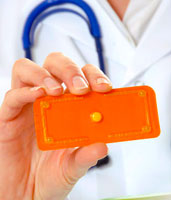
 

THE MORNING AFTER PILL: FACTS AND FICTION

UPDATED JANUARY 2018Morning after pill

“The morning after pill is dangerous”. “You can’t take it more than once or twice in your lifetime”. “If you take it you won’t be able to become pregnant in the future”…

You may have heard all these rumours about the morning after pill and, in case “an accident” happens, you will think twice whether to take it or not… The truth is, the morning after pill has been around for more that 40 years now, but still many misconceptions and controversies persist.

In this article we will try to sort fact from fiction regarding the morning after pill in order to help you make your educated decision…

What is the morning after pill?

Emergency contraception by doctor emergency-contraception_171x200_M9201502The morning after pill, or post-coital pill is a form of emergency contraception that will prevent you from becoming pregnant after an unprotected intercourse, or if a condom breaks during intercourse.

In most countries, there are two types of emergency contraception pills (ECP):

-one containing levonorgestrel (LNG: Norlevo, Levonelle, Plan B, in different countries)

-another containing ulipristal acetate (ella in the USA, EllaOne in Europe).

In many countries such as the UK, France, USA, you may be able to get it (just LNG or both of them) without a prescription.

-When these ECPs are not available, certain ordinary birth control pills can be used as emergency contraception. The regimen is one dose of 4 to 6 pills -depending on the brand- followed by a second dose 12 hours later (the Yuzpe regimen, read more here). If you choose this method, though, it may be a good idea to talk to a health care provider for guidance.

Mifepristone is another highly effective emergency contraception method, available in few countries. However, this medication is also used to induce medical abortion, which may limit its widespread acceptability for use as ECP.

How does it work? Does it cause abortion?

The morning after pill prevents pregnancy by temporarily blocking the egg from being released (that is, inhibits ovulation). In addition, it may stop fertilization. Some people are concerned that the ECP may prevent a fertilised egg from becoming implanted in the uterus, which may be considered as an early abortion. Recent studies have shown that this medication is not effective when ovulation has already occurred, thus it does not seem to prevent implantation. Furthermore, in case an implantation has already occurred before you took it, the morning after pill will not provoke an abortion.

Do I have to take it right away?

Actually “morning after” is a bit of a misnomer: you can take ECP up to five days following unprotected sex. 

Until recently, it was accepted that pills containing LNG (Norlevo, Levonelle, Plan B) should be taken within 72 hours (three days) after the “accident”. However, recent evidence shows that LNG pills continue to be moderately effective if started between 72 and 120 hours; therefore LNG ECP can be taken up to five days after unprotected intercourse.The same is true for EllaOne/ella: it can be safely used up to five days after non-protected sex.

But the sooner you take it, the more effective it is (see below).

Is it effective?

Emergency contraception uhoh_poster_collageNeither type of morning-after pill is 100 per cent effective, but the failure rate is quite low. Like we said, you should take it as soon as possible after unprotected sex, no matter which pill you use. If you take LNG pills within the first 24 hours after sex, they reduce your risk of pregnancy by up to 95%; the efficacy will be reduced the more you delay the ingestion of the pill, roughly to 85% the 2nd day, 60% the third day.

Recent studies have confirmed that EllaOne/ella is more effective than the LNG pill, not only when taken 3-5 days after an unprotected intercourse, but also within the first three days.

Will I get severe side effects?

Emergency contraception pills are very safe: no deaths or serious complications have been ever linked to their use. Moreover, emergency contraception pills do not harm future fertility.

In general, side effects are uncommon and generally mild: the most common are nausea, vomits and menstrual abnormalities (your period may come earlier, later, with more or less blood than usual); more rare side effects are fatigue, breast tenderness, headache and abdominal pain.

There is some controversy as to whether the morning after pill is associated with an increased risk of ectopic pregnancy (a pregnancy outside the uterus, usually inside the fallopian tube). Available evidence suggests that ECP do not increase the chance of ectopic pregnancy; moreover, like all contraceptive methods, they reduce the absolute risk of ectopic pregnancy by preventing pregnancy in general.

Is there any limit to the number of times I can take it?

Emergency contraception womant taking 47929

It has been suggested (mostly by internet rumours) that it could be dangerous to take the ECP more than one or twice in your life. The following is an excerpt from the World Health Organization’s (WHO) site which throws light on this subject:

“There are no restrictions for the medical eligibility of who can use ECPs. Some women, however, use ECPs repeatedly (…) as their main method of contraception. In such situations, further counselling needs to be given on what other and more regular contraceptive options may be more appropriate and more effective. Frequent and repeated ECP use may be harmful for women with conditions classified as medical eligibility criteria (MEC) category 2, 3,or 4 for combined hormonal contraception or Progestin-only contraceptives (POC). Frequent use of emergency contraception can result in increased side-effects, such as menstrual irregularities, although their repeated use poses no known health risks”.

In other words, you shouldn’t take the ECP very often because: 1) you’d rather take the regular contraceptive pills and you will be better protected from unwanted pregnancy; 2) you may get some abnormal periods, BUT IN MOST WOMEN, ECP ARE NOT DANGEROUS! 3) in case you have a severe health problems such as history of stroke, blood clots, certain cancers, etc, then you should avoid frequent and repeat use.

In fact, the Royal College of Obstetricians, says that the LNG pill can be used even more than once in the same cycle. However, it does not recommend taking EllaOne in this way because, being a newer medication, we have not enough evidence for repeated use in the same cycle (although recent evidence indicates that it can be safely used more than once per cycle).

If you find yourself using the morning after pill very often, it might mean that you haven’t yet found a regular method of birth control that works for you. In that case, talk to your doctor about some of your other options.

If ECP fails and I get pregnant, will it affect my unborn baby?

LNG has been used for many years, and evidence shows that there is no increased risk of birth defects or other effects on the baby; new data supports that Ellaone/ella is as safe as LNG and no birth defects have been reported so far.

Can I take ECP if I breastfeed?

You may safely take the LNG pill if you are breastfeeding. Although EllaOne was not recommended during lactation until recently, updated guidelines state that ellaOne is not contraindicated for breastfeeding women, but that breastmilk should not be given to a baby for 24 hours (in the USA guidelines) or one week (in Europe) after a woman has taken the product.

Some final warnings…

  • Emergency contraception keep-calm-and-take-the-morning-after-pill-7The ECP will protect you from an unwanted pregnancy, but it will not provide any protection from sexually transmitted diseases. It is very important that you are aware of safe sexual practices and  incorporate them into your relationships.
  • There is some evidence that the LNG pill might be less effective in women weighting 75kg or more, while the efficacy of EllaOne does not seem to be affected by body weight. Thus, if you are over 75 kg you may prefer to take EllaOne.
  • The efficacy of the ECP will be decreased if you vomit after taking it. If you vomit within 2 hours of taking LNG pill, or 3 hours of taking EllaOne, you will need to take it again.
  • Contraindications: according to the WHO: “There are no medical contraindications to the use of levonorgestrel emergency contraception pills”. Some experts advise against its use in women with severe liver disease.
  • Interaction with other medications: some medications may eventually reduce the effectiveness of the ECP: Saint John’s wort, barbiturates, rifampicin, among others.
  • When to see your doctor: although the ECP may delay your period, contact you doctor if your period doesn’t come some days after the expected time. Likewise, it’s very important that you see your doctor right away if you have irregular bleeding and abdominal pain, to rule out the possibility of an ectopic pregnancy.

The bottom line:

Emergency contraception plan B 1258645.largeThe emergency contraception pill is a safe and effective method of contraception. Most of the rumours you may have heard  about it, are unfounded.

Having said that, it should not be abused.

The (very clever) brand name of the ECP in the USA, Plan B, indicates clearly how this medication should be used: as an option when your plan A (your regular contraception) failed…or wasn’t there.

Related reading:

Contraception: 14 common myths – busted

Fact or myth? Truths, half-truths and misconceptions about the Birth Control Pill

References:

World Health Organization: Emergency Contraception. Fact sheet N°244  June 2017

Trussell J, Raymond E, Cleland K; Emergency Contraception: A Last Chance to Prevent Unintended Pregnancy. November 2017

BREAST CANCER RISK: 12 COMMON MISCONCEPTIONS AND CONTROVERSIES

Embed from Getty ImagesBreast cancer is, without any doubt, women’s most feared cancer. In spite of increased awareness through women’s education, campaigns for its early detection and extensive research, some misconceptions persist and many issues are still a subject or debate, even among doctors and scientific organisations.

In this article we will analyse some common misperceptions women have about breast cancer risk. Many of them are myths, others are somewhat controversial…

1. NO ONE IN MY FAMILY HAS HAD BREAST CANCER, SO I AM NOT AT RISK

Breast cancer mother and daughter 432524737_bcbd224cd8_zYou are at increased risk of breast cancer if you have a family history, but of all breast cancers, only 5 to 10% are hereditary.

If you have one first-degree female relative (mother, sister or daughter) with breast cancer, then your risk is doubled; with two first-degree relatives, your risk of breast cancer is 5 times higher. If your affected relative is a male (yes, men do get breast cancer, but is very rare), your risk of getting breast cancer is higher. The same seems to be true for having a female relative with breast cancer from your paternal side (e.g. an aunt or your grandmother).

Most (but not all) hereditary breast cancers are caused by a defective gene passed from mother to child, the best known of which are BRCA1 and BRCA2. If you have a family history of breast cancer, you may discuss with your doctor whether you should be checked, what being positive means and what you can do about it. As a rough estimation, while an average woman has about 12% risk of developing breast cancer in her lifetime (that is, of 100 women, 12 will develop breast cancer at some point in their lives), a woman with a gene defect may have 45 to 80% risk (4 to 8 out of 10 women with a gene defect will get breast cancer), according to the gene involved.

2. ANTIPERSPIRANTS CAUSE BREAST CANCER

Breast cancer antiperspirant arton2889Some research in the past had suggested that antiperspirants are linked to breast cancer because parabens contained in these products were found in the tissue removed from breast cancer patients. These findings were not confirmed by other studies, and the fact that parabens were found there does not mean that they are the cause of breast cancer.

Aluminum contained in antiperspirants has also been suggested as a possible cancer- causing agent. But this has not been proved by any study.

Another claim is that antiperspirants allow a toxin build-up by blocking the sweat glands. This is another misconception, as toxins are cleared by lymph nodes and not by the sweat glands.

Well-designed epidemiological studies on this issue found no link between breast cancer risk and antiperspirant use, deodorant use, or underarm shaving.

3. UNDERWIRED BRAS CAUSE BREAST CANCER

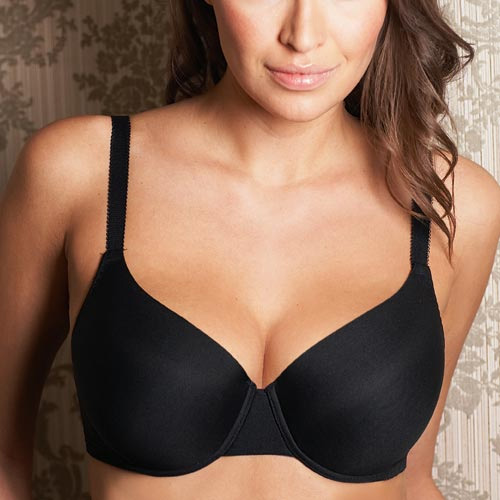
Breast cancer bra prod_1027009It has been suggested (mostly by e-mail and internet rumors) that bras, especially those underwired, may cause breast cancer by obstructing the breasts’ lymphatic flow, which is in charge of clearing different toxins that may be present in the breasts. Several studies have been conducted to address this issue, none of them confirmed these fears.


 4. I DON’T GET MAMMOGRAMS BECAUSE THEY CAUSE CANCER

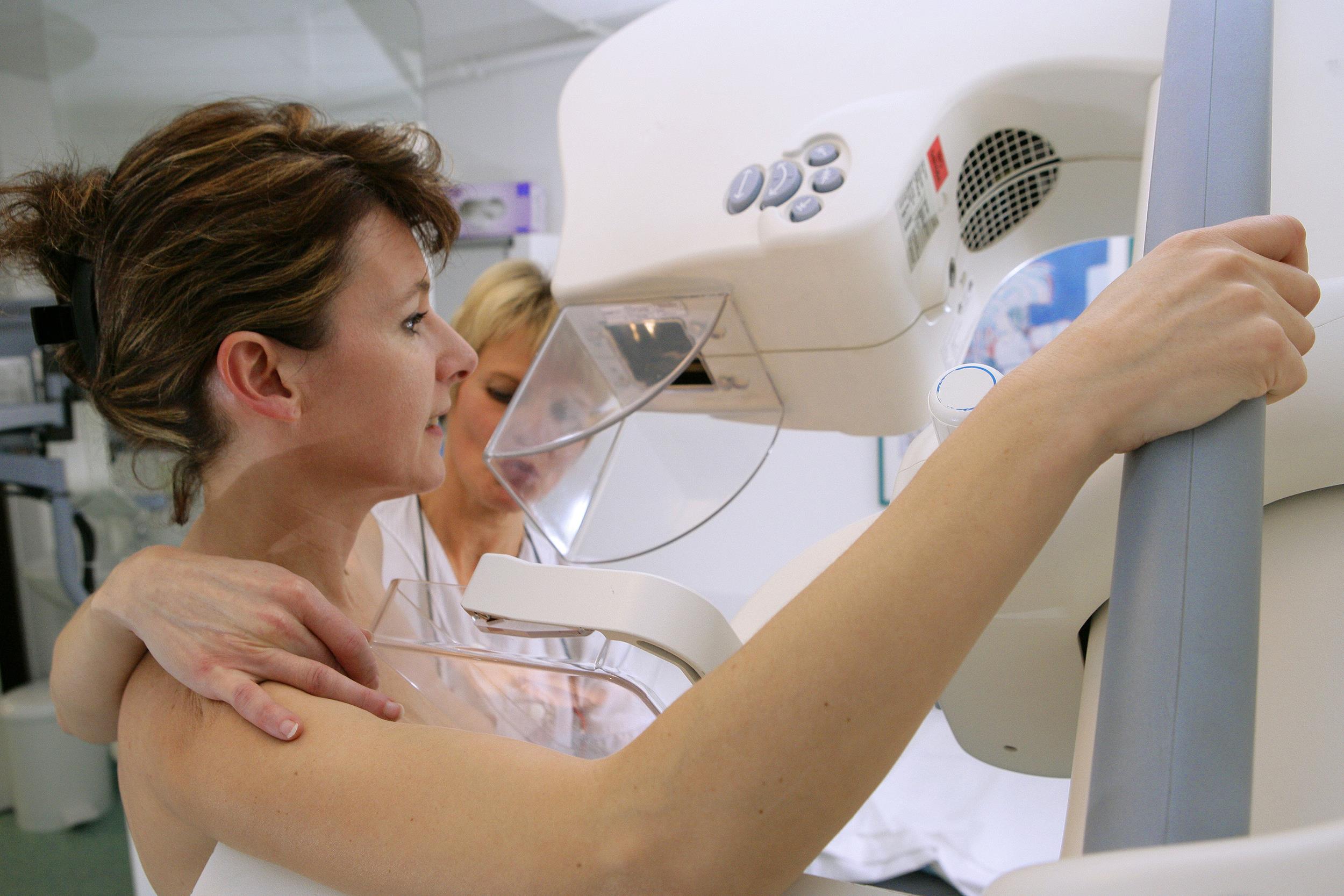
Breast cancer woman getting mammogram140624-mammogram-exam-1627_8cecaf7ed275cf56734d675dcbf19541Mammograms do involve radiation exposure, but the dose utilised is extremely low. With a newer type called digital mammogram, the radiation exposure is even lower. Controversy exists as to whether this low radiation dose is enough to increase breast cancer risk, and experts opinions are divided.

Some evidence indicates that mammograms might increase the risk of breast cancer in women starting  yearly before the age of 35. This is of particular concern when a defective gene (BRCA mutation) is present, since these women are usually advised to start yearly mammograms at young age, and they are the ones that may eventually be more susceptible to the harmful effects of radiation.

For most of the women though, the benefits of mammograms largely outweigh their possible risks.

5. I DON’T GET MAMMOGRAMS BECAUSE THEY DON’T HELP

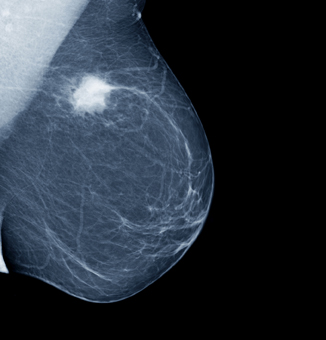
Breast cancer Mammogram_tumorwebThis is another controversial issue that has fuelled endless discussions among experts. Regular mammograms do not prevent or reduce breast cancer. They just detect breast cancer that already exists, but an earlier stage, thus reducing deaths among breast cancer patients by about 17% if done every two years, by 20% if done annually. Other studies have found a 30% reduction in mortality. In addition, since cancers are found earlier, less mastectomies are needed, and most of the women can be treated conservatively (just removing the lump).

These figures mean that thousands of women get to live thanks to mammograms. However, some experts believe that the reduction in mortality mammograms offer is “modest”, which led to intense confusion and disagreement as to whether mammograms are worth doing, and how often they should be done. Mammogram opponents also state that the exam has a considerable false positives rate (that is, it suggests malignancy when something is benign), leading to unneeded breast biopsies, increased health costs and extra anxiety.

6. BREAST IMPLANTS CAUSE BREAST CANCER

Breast cancer implant ucm259884Many studies have been conducted on this subject; breast implants do not seem to increase breast cancer risk. The main problem with implants is an impaired detection of breast cancer since they may yield mammograms and ultrasounds more difficult to perform and interpret.

A very rare type of lymphoma called anaplastic large cell lymphoma might be linked to breast implants. Since this tumor is so uncommon, is very difficult to prove an implant causative role.

A faulty French implant (PIP) was linked to increased risk of breast cancer, leading to massive implant removals.

7. I BREASTFED MY CHILDREN, SO I WON’T GET BREAST CANCER

Breast cacner woman-breastfeeding-babyThe protective effect of breastfeeding is modest at best, and seems to be true mostly for women who breastfed (each child) for more than 1 1/2 to 2 years. Breastfeeding has many benefits, both for the mother and the baby, but its protection against breast cancer is doubtful.


8. I AM YOUNGER THAN 40, I’M NOT AT RISK FOR BREAST CANCER

Breast cancer young woman 5042183570_d979b072c6_zBreast cancer does occur in younger women. Of all cases of breast cancer, about 7%  are diagnosed in young women below the age of 40; furthermore, breast cancer is the most common cancer diagnosed in this age group. Several studies show that this age population tends to have more aggressive cancer types. Family history and genetic mutations account for increased risks of breast cancer in premenopausal women. Other possible factor that may increase risk are long-term use of oral contraceptives and high animal fat diet consumption. Although mammogram is not recommended in this age population unless there is a family history, an annual breast examination is strongly encouraged.

9. I AM OLDER THAN 70, I DON’T NEED MAMMOGRAMS ANYMORE

????????????????????????Breast cancer incidence is strongly related to age; the older a woman is, the higher her breast cancer risk becomes. 

In the UK, an average of 80% of breast cancer cases are diagnosed in women over 50s, and around a quarter (24%) are diagnosed in women aged 75 and over. Breast cancers diagnosed in this age population though, tend to be less aggressive. Controversy also exists as to when to stop doing mammograms. In the UK, women in this age group are invited for mammogram every three years; in the USA most experts consider that there is no upper age limit for mammogram as many studies show that even older women benefit from it.

10. I HAVE FAMILY HISTORY OF BREAST CANCER; I CAN’T DO ANYTHING TO DECREASE MY RISK

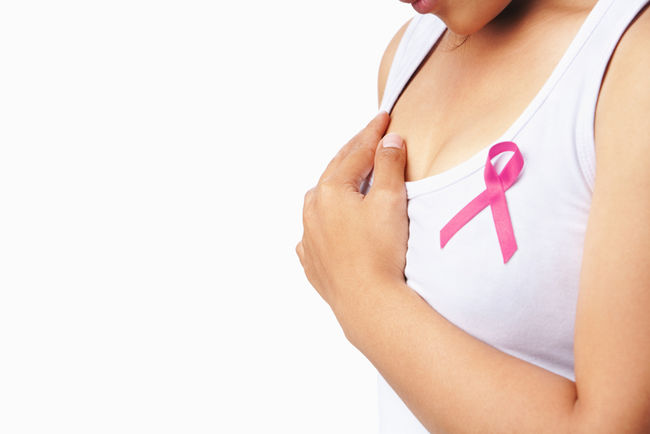
Breast cancer woman with pink ribbon 1336055074592_ORIGINALJust because someone in your family had breast cancer doesn’t mean you will get it. Genetic testing can help you understand your inherited risk and allow you to make choices about your future care. Some studies have shown that a low-fat diet, physical activity and cutting down on alcohol consumption seem to reduce breast cancer risk.

If you are at high risk for breast cancer you will need to do breast examinations and other tests such as mammogram, breast ultrasound and eventually magnetic resonance imaging (MRI) more often; these exams may help you find cancer at a much earlier stage.

A drug called tamoxifen may reduce the risk of breast cancer in certain high-risk women, although more research is needed to precise which women will benefit from this treatment. A lot has been said lately about prophylactic double mastectomy. This is indeed a viable option for women with a very high risk, as it can reduce the incidence of breast cancer by more than 90%, usually with excellent cosmetic results.

11. I HAVE SMALL BREASTS, THEREFORE I HAVE SMALL RISK OF BREAST CANCER

Breast cancer small breasts bra-fitting-horizIt has been long said that there’s no connection between breast size and risk of getting breast cancer. But some recent studies have challenged this old perception: women with very large breasts, besides being harder to examine, do seem to have increased breast cancer risk.

This doesn’t mean that women with small breasts are safe; all women with any breast size should undergo breast cancer screening.

 12. I HAVE DENSE BREASTS, SO I HAVE HIGHER CHANCES OF HAVING BREAST CANCER

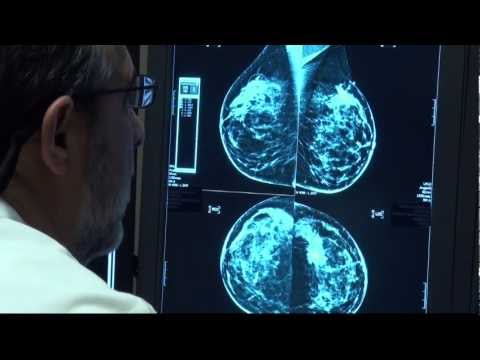
Breast cancer dense breasts 0Breasts are made up of fatty, fibrous and glandular tissue. Dense breasts (as seen on a mammogram) have more glandular and fibrous tissue and less fatty tissue.

It is controversial whether breast density is an independent cancer risk factor, but most studies agree that women with dense breasts have 1,2 to 6 times higher breast cancer risk than women with average density. What is clear is that dense breasts make cancer detection more difficult. A number of factors can affect breast density, such as age, menopausal status, certain medications (including menopausal hormone therapy), pregnancy, and genetics.

If you are interested in learning more about breast cancer risk, you may check this article of the American Cancer Society here

Additional bibliography

Mandelblatt JS, et al. Effects of mammography screening under different screening schedules: model estimates of potential benefits and harms. Ann Intern Med. 2009 Nov 17;151(10):738-47.

When to Get a Screening Mammogram. Web MD

Poly Implant Prothèse. Wikipedia.org

Hussein A, et al. Epidemiology and prognosis of breast cancer in young women. J Thorac Dis 2013;5(S1):S2-S8.

Breast Cancer Risk in American Women. National Cancer Institute

Breast cancer incidence statistics. Cancer Research UK

No Upper Age Limit for Mammograms: Women 80 and Older Benefit. Breast Cancer.org

Eriksson N, et al. Genetic variants associated with breast size also influence breast cancer risk. BMC Medical Genetics 2012, 13:53

Breast Density and Cancer Risk: What Is the Relationship? JNCI J Natl Cancer Inst, 2000, Volume 92, Issue 6, Pp. 443


Photo Credits

Intro: Getty images; 1. Dave, Flickr.com; 2. belle-belle-belle.com; 3. avonshop.co.uk; 4. media2.s-nbcnews.com; 5. verdevalleymedicalcenter.com; 6. FDA.gov; 7. cdn.sheknows.com; 8. Kira Westland, Flickr.com; 9. sublime-beauty.net; 10. torontosun.com; 11. cdn.sheknows.com; 12. i.ytimg.com.


CYSTIC FIBROSIS: SHOULD I HAVE PRENATAL TESTING?

Cystic fibrosis child 64963_275424252527918_2034953432_n

Cystic fibrosis (CF) is the most common inherited disease in most European countries and North America’s white population. Paradoxically though, CF is rather unknown to most people; only the latest years there has been some increased awareness of the disease…

Since 2001, CF prenatal testing is offered to all women of reproductive age as a routine part of obstetric care in the United States. In Europe, the situation is much more heterogeneous: in most countries screening is proposed only to couples at high risk; in the UK and France systematic testing for CF is carried out on newborns, but not on couples without a family history.

In this article I will provide some basic information on cystic fibrosis to help you make your informed decision about prenatal testing…

GETTING TO KNOW CYSTIC FIBROSIS

What is cystic fibrosis?

Cystic fibrosis is an inherited disease, which affects most of the organs of the body, often causing problems with the respiratory and digestive systems. It does not affect a person’s intelligence or appearance. CF generally poses serious risk to a person’s health and shortens life span.

What causes cystic fibrosis?

People have CF because a faulty gene is passed from the parents to the child. Cystic fibrosis is a recessive disorder. That means, both parents must carry the abnormal gene. In that case, there is a 25% (1 in 4) chance the child will have CF, a 50% (1 in 2) chance of the child being a carrier and a 25% (1 in 4) chance he/she will not have the faulty gene. Persons who have one copy of the abnormal gene are called carriers. Almost invariably, carriers will not show no signs of CF.

Cystic fibrosis what-causes-CF(457x300)


How common is cystic fibrosis?

About 4% of the population (1 in 25 persons) are CF carriers. CF concerns 1 in approximately 2500 births (USA’s white population, Greece; 1 in 3000 in UK, 1 in 4500 in France).

What are the symptoms of CF?

The symptoms of CF can vary in type and severity. Many people with CF produce a thick, sticky mucus in their bodies. This mucus clogs the lungs and makes it hard to breathe, leading to infection and eventually severe lung damage. It can also affect the digestive organs, making it difficult for the body to absorb food. Most men with CF are infertile.

Is there a cure for CF?

Currently there is no cure for CF. However, through research and improved care, quality and length of life for people with the condition continues to improve. While in the 60’s, a child born with the disease was lucky to live beyond five years, today around half of persons with CF are expected to live past 41 (median survival 37 years), and approximately 15% of individuals with CF have a mild form of the disease with a median survival of 56 years.


TESTING FOR CYSTIC FIBROSIS

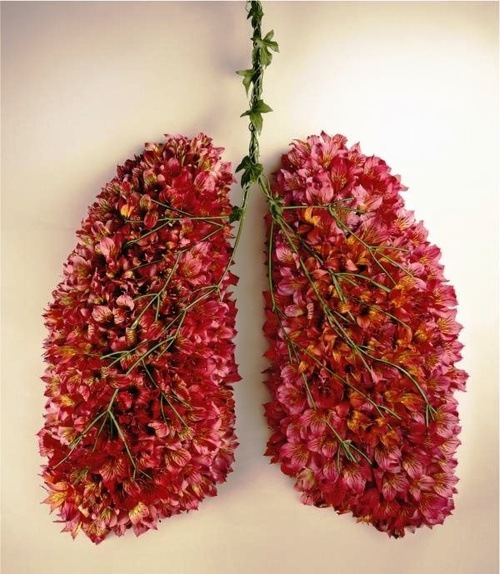
Cystic fibrosis flower lungs

Cystic fibrosis flower lungs @ Pinterest.com

What is a carrier testing? 

Carrier testing looks at a person’s DNA (genetic material) and tells if that person carries a CF gene mutation (an abnormal gene). The test is taken from cells in a blood sample or from cells that are scraped from inside the mouth.

When can CF carrier testing be done?

Carrier testing can be done when a couple is planning a pregnancy, or during pregnancy (ideally before the 20th week of pregnancy). Initially, only one partner is usually checked. If testing shows that a couple is at high risk, more testing can be done during pregnancy to see whether the fetus has CF.

Should I have prenantal testing?

Having the test to learn if you are a CF carrier is a personal choice and may be influenced by medical, ethical or religious factors. You should carefully consider your options in case of a positive result (see below) and decide accordingly.

How accurate is CF carrier testing?

Cystic fibrosis is caused by mutations in the CF transmembrane regulator (CFTR) gene, located on chromosome 7.

Testing for cystic fibrosis, though, is not straightforward. To date, more than 1700 CF mutations have been identified. Of the laboratory tests available for detection of CF mutations, most of them detect between 20 and 32 mutations. With these tests, about 65-80% of the mutations will be identified.

A more complete analysis of the CFTR gene can be done (by a technique called DNA sequencing); this technique is not appropriate for routine carrier screening because, besides being very expensive, it may yield results that can be difficult to interpret. This type of testing is generally reserved for:

  • patients with CF,
  • patients with a family history of CF,
  • infertile men with a specific abnormality called congenital bilateral absence of the vas deferens, (commonly associated with CF), or
  • newborns with a positive newborn screening result.

It is very important that you and your partner understand the sensitivity and limitations of testing, as well as your reproductive options.


UNDERSTANDING THE RESULTS OF CF CARRIER SCREENING TEST

Cystic fibrosis ribbon etsy resized

Purple ribbon for CF awareness @etsy.com

One partner negative: If your test results are negative, the chance that you are a CF carrier is small. There are some rare CF gene defects that the test does not detect. For this reason, you could be told your test result is negative, and you could still be a carrier.

One partner positive: If the test results show that one partner is a carrier, the next step is to test the other partner. Both parents must be CF carriers for the baby to have CF.

If one parent has a negative test result, the chance that the baby will have CF is small. Because the risk is small, if one partner is a carrier but the other has a negative result, no further testing is recommended.

If the father is not available for a carrier test, you may discuss with your doctor to help you decide whether to have prenatal testing of the fetus.

Both partners positive: If both partners are CF carriers, further prenatal testing can be done to see if the baby has CF. As stated before, if two CF carriers have a baby, there is a 25% chance that the baby will have CF, 50% chance the baby will be a carrier, and 25% chance that the baby will not be a CF carrier.


WHEN BOTH PARTNERS ARE POSITIVE…

Various

Preimplantation genetic diagnosis

What prenatal tests can be done to know if the fetus is affected?

Prenatal tests done to detect CF (and other disorders) involve obtaining with a needle some of the fetus’ genetic material and analyzing it to see if it is affected. This can be done around the third month of pregnancy by chorionic villus sampling (CVS) or during the fourth month by amniocentesis. With CVS the genetic material is taken from the placenta, with amniocentesis from the amniotic fluid. You should know that both tests have a small risk of miscarriage.

What are our options if the fetus has CF?

You may decide to:

1. Continue the pregnancy. You may, until the time of delivery, get prepared to live with an affected child, learn more about the disease and eventually discuss with other parents who have a child with CF; or

2. End the pregnancy. Each country has its own laws on pregnancy termination. You should discuss this decision with your doctor.

What are our options when planning a pregnancy?

You may decide to:

1. Have amniocentesis or CVS in each pregnancy,

2. Undergo a technique called preimplantation genetic diagnosis, where you do in vitro fertilization with your own sperm and eggs, and then check the embryos for CF by performing an embryo biopsy (see picture above),

3. Use donor sperm or donor eggs (the donor should be tested for CF carrier status), or

4. Adopt a child.

If you are interested in learning more about cystic fibrosis and prenatal testing, discuss it with your obstetrician–gynecologist, or read more here:

Cystic Fibrosis Foundation

Cystic Fibrosis Trust

Inserm.fr (French and English)


References:

American College of Obstetricians and Gynecologists (ACOG): Cystic Fibrosis prenatal screening and diagnosis. (For patients)

ACOG Committee Opinion: Update on Carrier Screening for Cystic Fibrosis. December 2005

Best practice guidelines for molecular genetic diagnosis of cystic fibrosis and CFTR-related disorders – updated European recommendations. Eur J Hum Genet. 2009 Jan; 17(1): 51–65.

National Health System (NHS) UK: Cystic Fibrosis

American College of Medical Genetics: Technical Standards and Guidelines for CFTR Mutation Testing. 2006 Edition

CF Network

Photo credits

Heading: ahealthiermichigan.orgRecessive disorder: cysticfibrosis.org.uk, CF flower lungs: Pinterest.com; CF purple ribbon: etsy.com; PGD: www.imt.ie


PAINFUL PERIODS: A VISUAL GUIDE

What causes menstrual cramps?

Embed from Getty Images

Menstrual cramps (also called primary dysmenorrhea) are caused by contractions of the uterus. These contractions are triggered by a substance normally produced by our body called prostaglandin. In some women, these prostaglandins are produced in excess.


What are the symptoms?

Dysmenorrhea symptoms_CollagePain in the low abdomen, sometimes very intense, occasionally with some of the following:

  • Feeling of pressure in the abdomen
  • Back pain, pain in the hips or thighs
  • Headache
  • Nausea or vomits
  • Diarrhea (loose stools)


What can I do to to relieve menstrual cramps?

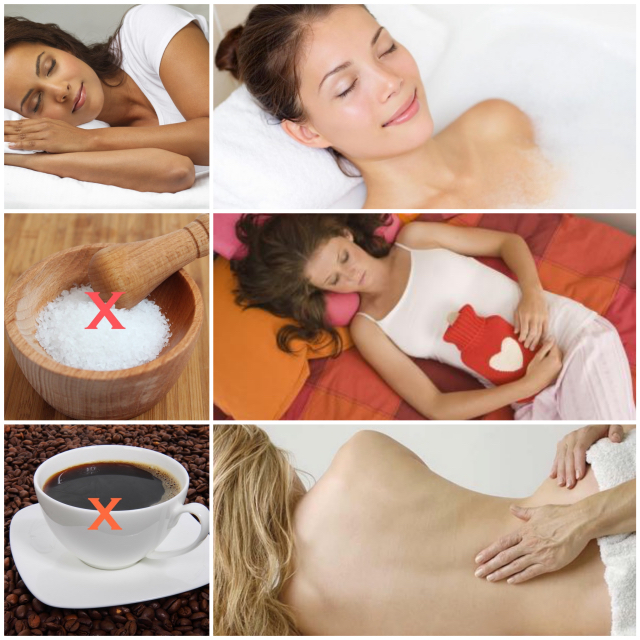
Dysmenorrhea measures X Collage

  • Place a heating pad on your abdomen or back
  • Take a warm bath
  • Massage your abdomen and your back
  • Rest
  • Avoid caffeine and salt, that may worsen pain.


Medications

acetaminophen

You may take painkillers such as acetaminophen (also called paracetamol), ibuprofen, mefenamic acid. Medications are more effective if taken as soon as cramping starts, or even better, before pain starts (if you have regular cycles and you know when pain is about to start).


Dietary changes

Dysmenorrhea diet Collage

A low fat diet seems to reduces menstrual pain according to some studies. Other proposed dietary changes:

Increase consumption of :

  • calcium: almonds, dark green leafy vegetables (spinach, kale), low fat diaries
  • antioxidants: blueberries, cherries, tomatoes, squash, pepper
  • proteins: lean meats, cold-water fish, tofu, beans

To avoid:

  • “bad” carbohydrates: white bread, pasta, sugar, sweets
  • “bad” fats: french fries, donuts, processed foods.


Herbal products and dietary supplements

Dysmenorrhea supplements Collage

These are the supplements that have proved to be effective in several studies:

  • Omega-3 fatty acids
  • Thiamine (vitamin B1)
  • Vitamin B6
  • Magnesium
  • Vitamin E


Other interventions

Dysmenorrhea other interventions Collage

The following help relieving menstrual cramps:

  • Exercise
  • Yoga
  • Acupuncture
  • Homeopathy (not much scientific evidence, but it seems to help some women)


What if nothing works?

Contraceptives resized

You may discuss with your doctor the following:

  • Oral contraceptives or other hormonal treatments
  • Stronger painkillers
  • Other possible treatments such as surgery (reserved for very severe cases).


Are menstrual cramps always normal?

Dysmenorrhea secondary Collage

Sometimes menstrual pains are not normal and indicate a medical problem; this is called secondary dysmenorrhea. Some conditions that can cause painful periods are:

  • Endometriosis: a condition in which the tissue lining the uterus (the endometrium) is found outside of the uterus
  • Pelvic inflammatory disease: an infection that starts in the uterus and spreads to other reproductive organs
  • Narrowing of the cervix (stenosis), often caused by scarring
  • Fibroids: benign tumors of the uterus
  • Congenital (birth) abnormalities of the uterus or vagina (such as the presence of a diaphragm).


When should I see a doctor?

Call the doctor medical-563427_1280

Most of the times menstrual cramps are not a cause for concern, especially if you started menstruating within the past few years. But you should see a doctor if menstrual cramps:

  • Interfere with your everyday life every month
  • Get increasingly worse
  • Start after age 25
  • Last more than 2 or 3 days
  • Are accompanied by heavy bleeding, fever or foul smelling discharge.

Painful periods, whatever the cause, can be treated, so go ahead and get checked!


References

  1. http://emedicine.medscape.com/article/253812-overview
  2. http://www.aafp.org/afp/1999/0801/p489.html
  3. Proctor M, Farquhar C. Diagnosis and management of dysmenorrhoea. BMJ. May 13 2006;332(7550):1134-8.
  4. Hansen SO, Knudsen UB. Endometriosis, dysmenorrhoea and diet. Eur J Obstet Gynecol Reprod Biol. 2013 Jul;169(2):162-71
  5. Dennehy CE. The use of herbs and dietary supplements in gynecology: an evidence-based review. J Midwifery Womens Health. 2006;51(6):402-9.


PREGNANCY DO’S AND DON’T’S (Part 3)

EXERCISE, SEX, WORK AND TRAVEL

The first post on Pregnancy do’s and dont’s analysed what is allowed and what discouraged during pregnancy concerning food, beverages, alcohol and cigarette (see here). The second part dealt with beauty treatments and medications (see here). Check out this third article on do’s and dont’s regarding exercise, sex, working and travel while pregnant…

EXERCISE 

Embed from Getty Images

Why to exercise: Beginning or continuing a moderate course of exercise during pregnancy is not associated with adverse outcomes. In fact, exercise may have many health benefits: it lessens some of the discomforts of pregnancy, it helps strengthen the muscles used in labor and delivery, it may give you more energy and make you feel better. There is also some evidence that exercise may prevent pregnancy-related diabetes and high blood pressure. The American College of Obstetrics and Gynecology recommends for pregnant women 30 minutes of moderate exercise per day on most days of the week.

Pregnant woman by pool resizedCheck with your doctor first! There are certain circumstances in which women should not exercise, such as those with asthma or heart problems, or pregnancies complicated with bleeding, low placenta, weak cervix or premature contractions.

Exercises that are safe: The type of exercise you can do during pregnancy depends on your health and how active you were before getting pregnant. This is not a good time to start a very demanding sport. But if you were active before, you can continue to be, within reason. The following activities, in moderation, are especially good during pregnancy:

  • Swimming (it should be OK even in chlorinated pools)
  • Brisk walking
  • Prenatal exercise classes
  • Prenatal yoga

Prenatal aqua yoga 2-swimming-1387531814252Exercises to avoid: Pregnant women should avoid the following:

  • High-impact or vigorous sports that may involve the risk of abdominal trauma, falls or excessive joint stress.
  • Holding your breath during activity
  • Exercises that require lying flat on your back for more than three minutes (especially after the third month of pregnancy)
  • Heavy exercise spurts followed by periods of no activity
  • Exercise in hot and humid weather
  • Activities in hot water (see more here)
  • Vigorous racquet sports
  • Activities where falling is likely (e.g. skiing, horseback riding, mountain biking)
  • Contact sports: football, basketball, volleyball, softball
  • Scuba diving, which may result in birth defects and fetal decompression disease.

Tips for safe exercise:  Even though exercise can be beneficial, you should be careful. During pregnancy, your centre of gravity shifts and your balance changes. Your joints and ligaments get more relaxed. This may put you at a greater risk for falls. You tire more easily. Caution should be the rule!

Pregnant yoga on the beach 4495406433_45030db1e5_bThese are some tips for exercising while pregnant:

  • Avoid getting overheated.
  • Limit outdoor exercise in hot weather.
  • Avoid exercise that makes you very tired, or with high risk of falling or getting an abdominal trauma
  • Get up slowly after doing floor exercises, to avoid getting dizzy
  • Drink lots of water
  • Consume extra calories if you exercise regularly
  • Wear good support shoes and bra
  • Don’t push yourself too much! Listen to your body and slow down when you feel tired.

Signs to stop exercising: You should stop exercising and call you doctor if you feel one of the following:

  • Dizziness, fainting or nauseated
  • Rapid or irregular heatbeat
  • Short of breath
  • Pain in your chest
  • Recurring abdominal pain or uterine contractions
  • Swelling in your calf
  • Intense headache
  • Blurred vision
  • Vaginal bleeding
  • Fluid leaking from your vagina
  • A decreased or absence of baby’s movements

SEX

Sex and pregnancy resizedIs it safe? Sexual intercourse in pregnancy is not known to be associated with any adverse outcomes; therefore, it can be safely continued throughout pregnancy.

The baby is well protected inside the uterus! The uterine wall, the amniotic sac and the mucus plug (thick mucus that seals the cervical canal to prevent infections) will all keep the baby safe.

Keep in mind that intercourse can cause uterine contractions: the orgasm itself, nipple stimulation and prostaglandins (a substance contained in sperm) will all may make the uterus contract. In general, these contractions are mild and harmless.

Love making has been long proposed as a measure to induce labor at term. Although there is no scientific evidence that sex triggers labor, it may help, and it won’t harm!

pregnant woman and man resized 2Does sex feel the same while pregnant? Sex during pregnancy can be different than before. For some women, it may be more pleasurable, due to the high hormonal levels, genital engorgement and increase in vaginal secretions. For others though, sexual desire may be reduced for many reasons: nausea and dizziness during the first trimester, genital swelling which may sometimes cause discomfort, or you may just feel uneasy with your body changes…

Furthermore, your breasts get very engorged and tender, which may be pleasant for some women, but annoying for others…

Love making in practice… needless to say, certain positions will be uncomfortable, or impossible as your womb gets bigger…You may need to experiment a little bit to find which positions are fine for you… Especially during the third trimester, you should avoid lying flat on your back, because the pressure of the womb on the major blood vessels may cause a drop in blood pressure and dizziness. Although oral sex is fine, blowing into the vagina is to be avoided, as it may cause air embolism (a bubble of air entering the blood circulation), which may have fatal consequences.

When to avoid intercourse: there are certain situations, in which sexual intercourse is discouraged: if you have vaginal bleeding, a history of repeated miscarriages, preterm uterine contractions, or a weak cervix. In addition, you will be told to abstain from sex if you have a diagnosis of placenta previa (when the placenta lyes low in the uterus or covers the cervix). Always check with your doctor to make sure it’s OK for you to have sex.

When to call your doctor: you should call your healthcare provider if, after sex, you have intense abdominal pain, cramping, foul smelling discharge or bleeding coming from the vagina.

WORKING DURING PREGNANCY

Embed from Getty ImagesIf you are a healthy woman and you have a normal pregnancy, most likely it will be safe to continue working during pregnancy. Don’t forget to talk to your doctor about your work environment. There are certain occupations that may be dangerous, and others that may require certain modifications:

Lab tech 4-medical-and-laboratory-shots-stephen-smithExposure to radiation and radioactivity: there is evidence to support an association between x-rays or radioactivity exposure and miscarriages, birth defects and other pregnancy complications. You should inform right away your doctor and your employer if you receive occupational x-rays or radioactivity exposure.

Exposure to chemicals: Studies results are less conclusive for occupational exposure to chemicals, but there seems to be some increased risk of miscarriages and eventually malformations. Some examples of jobs with chemical exposure are dry-cleaning, painting industries, operating rooms, jobs involving pesticide or heavy metals exposure (lead, mercury). Inconclusive evidence also exists for women working in beauty salons (for more info check here).

Physically demanding work: jobs with prolonged standing (such as cooks, police officers, nurses) and heavy weight lifting may be associated with poor pregnancy outcome, that is, more likely to deliver prematurely, have low-birth-weight-babies and develop high blood pressure.

Woman Cook o-CHEF-COOKING-facebookStressful jobs and long working hours: Some research has shown that pregnant women who reported high work stress in combination with a long workweek (more than 32 hours a week) have two times higher risk of giving birth to a small baby.

The evidence on prolonged hours and shift working is inconclusive.

Desk jobs: Although some studies in the 80s had suggested that computers may increase the risk of pregnancy complications, many studies have been done since then, and these findings have not been confirmed. In fact the dose of radiation emitted by a computer is extremely low. The problem of a desk job lies mostly in sitting for a long period of time, which may lead to neck, eyes, wrist and back strain. If you have an office job, try to get up frequently and take a break from time to time.

Other possible occupational risks may include exposure to infections or heavy noise.

TRAVEL

Embed from Getty Images

Is it safe? For uncomplicated pregnancies, it is safe to travel throughout most of the pregnancy, usually until the last month (36 weeks). Inform your doctor whether you plan to travel, and precise where and when you plan to go. There are certain women that should not be traveling, such us those with vaginal bleeding, high risk of preterm labor or increased chances of forming blood clots.

Land travel: It is fine to travel by car, train or bus. It is very important that you wear your three-point seatbelt (shoulder and lap), above and below the womb, not over it. Try to avoid very long trips, stop or walk from time to time to stretch your legs in order to keep the blood circulating.

Sea travel: Traveling by boat is safe in pregnancy, but keep in mind that the boat’s motion may accentuate, or provoke, nausea and vomiting. So be prepared for that! In addition, avoid destinations which may not have easy medical access; if you are on a cruise make sure they have a healthcare provider on board.

Woman airport luggage Header_Samsonite2013Air travel:

  • For most of pregnant women, traveling by plane is permitted. Most of the companies will allow traveling up to 32 weeks of pregnancy, many others up to 36 weeks (you will need to provide a doctor’s permission). Check always with the airline company before making your reservation…
  • You should’n worry about walking through metal detectors at the airport security check, the radiation dose they emit is extremely low.
  • In order to avoid heavy luggage lifting, you may prefer to use suitcases with wheels to make travel as easy as possible.
  • Long-haul air travel is associated with an increased risk of venous thrombosis (blood clots formation), a potentially serious pregnancy complication. This risk is attributed predominantly to immobility during air travel, especially when traveling in economy class, where the space between the seats is very narrow. Precautionary measures include:
    • wear loose-fitting clothes and comfortable shoes,
    • do isometric calf exercises (stretch your legs from time to time),
    • walk regularly around the aircraft cabin,
    • avoid dehydration: drink plenty of water, minimise alcohol and caffeine intake,
    • check with your healthcare provider the possibility of wearing special elastic stockings in order to improve blood circulation.

pregnant woman sunbathing at a Caribbean beachTravelling abroad: Travelling overseas may present certain challenges. Keep in mind the following:

  • Discuss with your doctor possible safety risks for you and your baby.
  • Certain destinations are best avoided: places with difficult access to health care, or high risk of contracting infections or other diseases.
  • Special consideration should be taken when travelling to countries where yellow fever vaccination or malaria prevention medication may be needed. Make sure that any vaccines or medications required are not contraindicated in pregnancy. You may check the authoritative site of the US Centers for Disease Control and Prevention (CDC) for useful information (see here), but you must talk about it with your doctor.
  • You may take with you a copy of your medical records, in case anything is needed in your foreign destination.

References

NICE: Antenatal Care- Routine Care for the Healthy Pregnant Woman. March 2008, UK

HAS: Comment mieux informer les femmes enceintes? Avril 2005, France

http://www.nhs.uk/conditions/pregnancy-and-baby/pages/pregnancy-exercise.aspx#close

http://www.hse.gov.uk/pubns/indg373.pdf

http://www.cdc.gov/niosh/topics/repro/employers.html

http://www.abcd-study.nl

Planning Your Pregnancy and Birth Third Ed. The American College of Obstetricians and Gynecologists, Ch. 5.

http://wwwnc.cdc.gov/travel

Photo credits

Exercise: Getty images; media3.onsugar.com;  sohanews2.vcmedia.vn; Jose Gabriel Lugo, Flickr.com;

Sex: Trevor, Flickr.com; Melissa Segal, Flickr.com;

Work: Getty images; fineartamerica.com; huffpost.com;

Travel: Getty images; globalblue.comtravelingtoworld.com

2014 IN REVIEW: HEALTH HIGHLIGHTS 

SunsetThis is time of the year when everybody reviews the highlights of (almost gone) 2014, and I decided to do the same with health and medicine highlights. We start by taking a look at Google trends for 2014, and we see that two subjects are health-related. Number 3 is Ebola virus disease, number 5 is the ALS Ice Bucket Challenge, which besides raising a lot of money for the cause, helped many people become familiar with ALS (Amyotrophic lateral sclerosis)…At the top of the list though, is the death of Robin Williams, which is not strictly a health matter, but his suicide due to a depression problem increased Google searches on “depression” and people’s awareness on how depression can be a very serious problem…

Needless to say, the majority of us consult regularly “Dr Google” to satiate our curiosity on health matters…The “What is…” list also features among the top 10, four health issues: ” What is Ebola?” What is ALS?” “What is asphyxia?” What is MERS”…  We as doctors many times have to deal with “Dr Google’s answers” and we might have endless discussions on all the positive and negative aspects of that…

Regardless of Google trends, for this post I picked 5 health issues that kept us talking during 2014. The reason for choosing them was either because they are medical breakthroughs, or due to their considerable media attention…

1) PARALYSED MAN WALKS AGAIN AFTER CELL TRANSPLANT

Spine Paralyzed-Man-Walks-After-Cells-from-His-Nose-Are-Transplanted-into-His-Spine-462795-2Darek Fidyka was paralysed from the chest down since 2010 after being stabbed in the back. He can now walk using a frame thanks to a therapy involving the transplant of cells from his nasal cavity into his spinal cord.The treatment was carried out by surgeons in Poland in collaboration with scientists in London.

This is to date the first person with a severe spinal cord injury to have regained movement and sensation in his lower limbs following a cell transplant.

These results are very encouraging, but like with every revolutionary treatment, it will need to be reproduced in a larger group of patients with a similar problem to proof its value…

Read more here.

2) SOCIAL MEDIA: DO THEY AFFECT OUR MENTAL HEALTH?

Social media resizedThe Pew Internet Project on social networking showed that, in the USA, 74% of online adults use social networking sites, and 71% of online adults use Facebook. The rise of smartphones has made social networking even easier to access. Fully 40% of cell phone owners use a social networking site on their phones…

Do social media really make us more happy and social? An earlier study had shown, after surveying British university students, that half of them had feelings of anxiety and inadequacy when compared to their online friends; two thirds of the respondents had difficulty relaxing and sleeping after using social media sites (see here). Later studies have found that Facebook can increase feelings of jealousy (as compared to “social” friends). There are also several reports on social media addiction (see this article), and distraction from work and interpersonal relationships.

But can social media have positive impact on our mental health? New research suggests that happy status updates encourage happy updates from other users (see here). In addition, experts state that social-media exchanges – such as birthday wishes or congratulatory messages after a major life event – may make people feel more connected to their social network and loved. Read more here and here.

3) EGG FREEZING AS AN EMPLOYEE’S BENEFIT?

Time woman 389343285_95df334bd4_o Facebook and Apple announced last October that they will be paying egg freezing for their female employees. This measure intends to support women workers to alleviate the conflict many of them face between career and family, in a way to somehow “fool” the biological clock . These headlines have raised lots of controversy, between those believing that this is a major, avant-garde move from the companies, and those affirming that it will turn into a boomerang on women, giving companies the right to demand them more commitment, longer hours at work and full time availability to their job…See more here.


4) CELL AND CORDLESS PHONES RELATED TO BRAIN TUMOURS

Cell phone woman 8099619164_2158b600a3_kThe relationship between cell and cordless phone use and brain tumour risk has been debatable for years, with studies results being contradictory. This year, cell phones are again in the spotlight, as a Swedish study showed that long-term use of both mobile and cordless phones is associated with an increased risk for glioma, the most common type of brain tumour.

The new study shows that the risk for glioma was tripled among those using a wireless phone for more than 25 years and that the risk was also greater for those who had started using mobile or cordless phones before age 20 years. Read more here.

5) LIVEBIRTH AFTER UTERINE TRANSPLANTATION

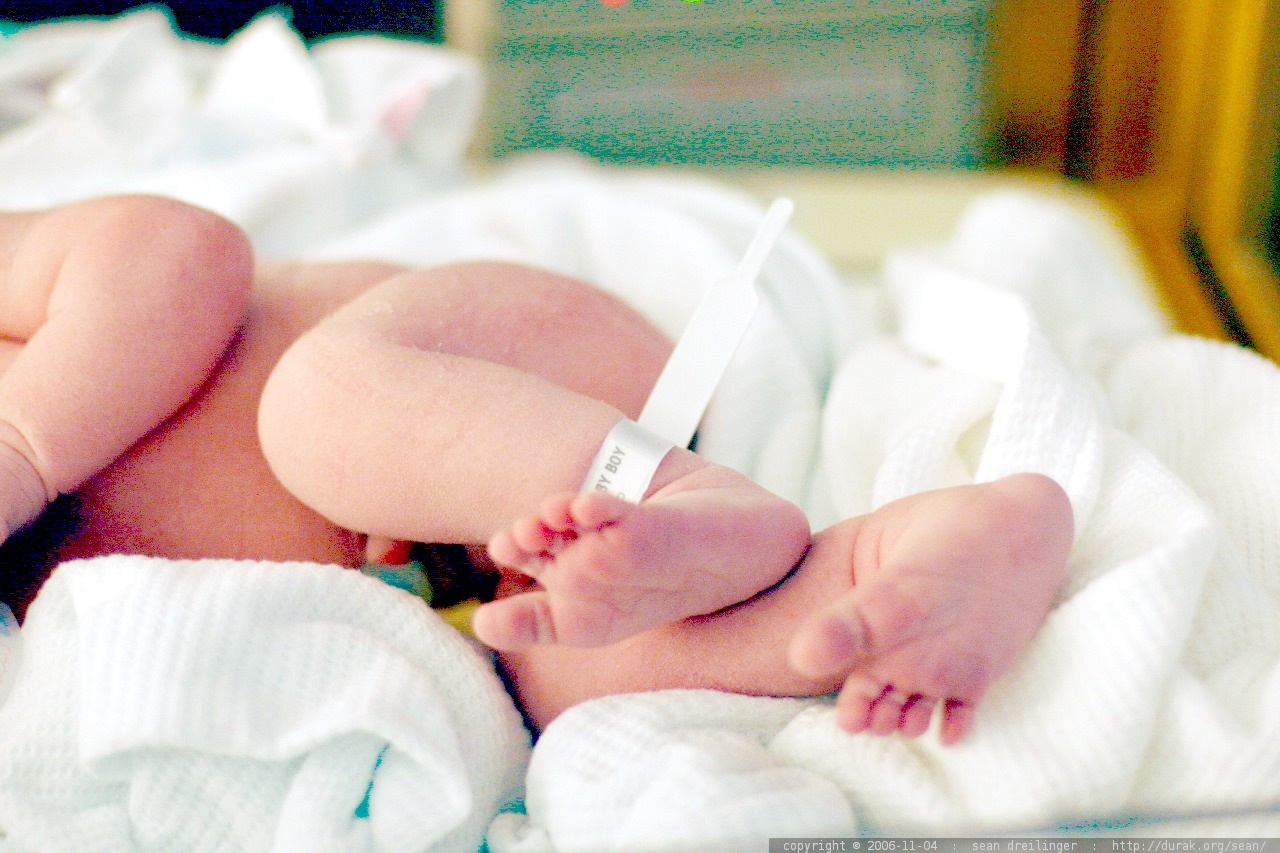
Newborn feetSwedish scientists announced the birth of a baby whose mother had received a uterine transplant, as reported in October in the prestigious journal The Lancet. Read my post on this subject here.


Photo Credits
Sunset skipperscove.com.au; 1) i1-news.softpedia-static.com; 2) mkhmarketing.wordpress.com, Flickr.com; 3) Andre Cortes, Flickr.com; 4) John, Flickr.com; 5) sean dreilinger, Flickr.com

PREGNANCY DO’S AND DONT’S (Part 2)

BEAUTY TREATMENTS AND MEDICATIONS

In a previous post on Pregnancy do’s and dont’s, we analysed what is allowed and what discouraged during pregnancy concerning food, beverages, alcohol and cigarette (see here). This second part will deal with beauty treatments and medications. A third part with more do’s and dont’s will follow…

BEAUTY TREATMENTS

Pregnancy comes with many body changes: weight gain, swelling…. And on top of that, hormonal shifts causing mood swings… You want to look beautiful! But is it possible to be both pregnant and beautiful? Of course! You will just need to be a little bit more careful and avoid certain things, either because there is some concern that they may be harmful for you baby, or we do not have enough evidence to prove their safety. This guide will help you be both beautiful and safe…

  1. Artificial tanning
  2. Botulinum toxin (Botox)
  3. Essential oils
  4. Hair dye, perms and straightening treatments
  5. Hair removal
  6. Insect repellents
  7. Nail beauty
  8. Skin care and cosmetics
  9. Spa visits
  10. Sunscreens
  11. Teeth whitening

1. Artificial tanning

Tanning bed resized 5759547871_da1a39bfab_o

Fake tan products are generally safe to use during pregnancy; they contain Dihydroxyacetone (DHA), which is not absorbed into the body when applied to the skin as cream, mousse or wipes. But avoid spray tans as the effects of breathing in the spray are not known.

You should stay away from tanning pills, they might be toxic to your baby (they are banned in several countries but they are sold online).

Solarium’s /Tanning Beds: we do not know whether they may affect the unborn baby, but they have been related to skin cancer, so better avoid them. The risk of overheating during pregnancy should also be considered (see below).

Anyhow, keep in mind that your skin is more sensitive while pregnant, therefore some products may cause skin irritations, or you may get burnt more easily.

2. Botulinum toxin (Botox)

Embed from Getty Images

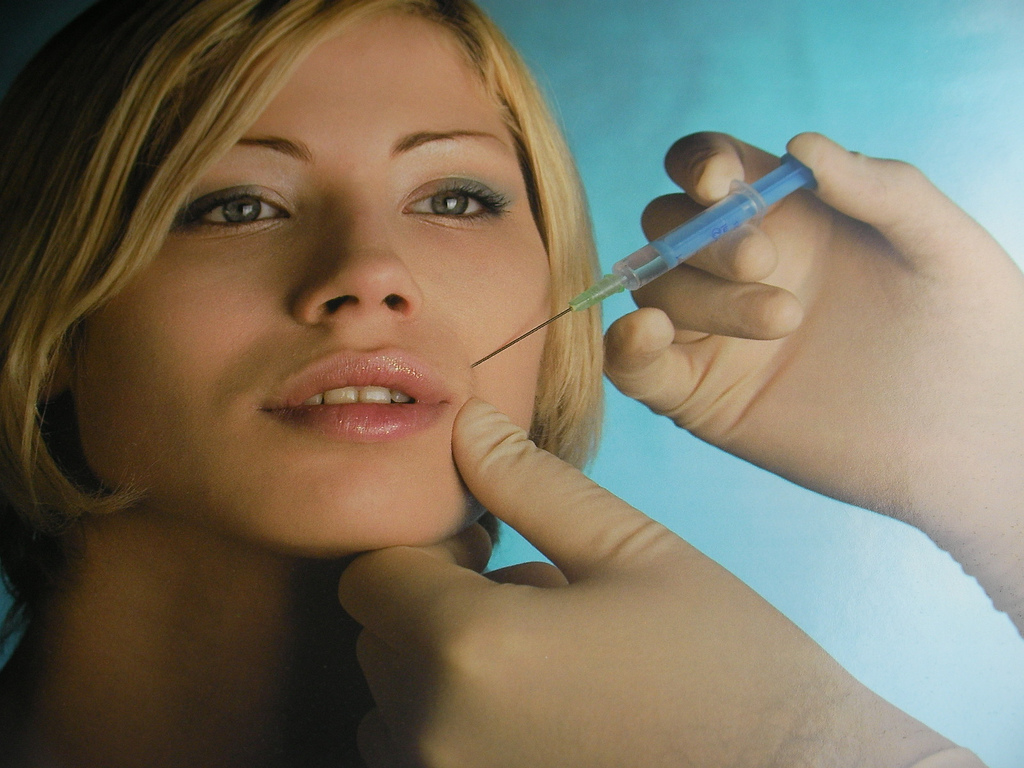
Botox injections, used to smooth wrinkles are not recommended in pregnancy, unless they are done for medical reasons. Although no risk has been demonstrated, there are no adequate studies to prove its safety. In any case, don’t worry on this one, your wrinkles will get naturally smoother as your pregnancy progresses!

3. Essential oils

OLYMPUS DIGITAL CAMERA

Essential oils are highly concentrated substances coming from plants. They are used in aromatherapy, either in massage or put in a vaporiser to breathe them in. While some essential oils are safe for use in pregnancy, other can be harmful, either by causing contractions, bleeding or eventually birth defects. Consequently, you should be extremely careful with their use, and always ask advise from your physician or someone specialised  in aromatherapy. For a more detailed list of essential oils allowed and discouraged in pregnancy, click here.

4. Hair dye,  perms and straightening treatments

Embed from Getty Images

It is not clear whether the chemicals used for hair dying are completely safe during pregnancy, although the risks are likely to be low. Some studies have linked the use of hair dye with a rare type of cancer in babies (neuroblastoma); however, other studies have not corroborated this finding. To be extra cautious, it is usually advised to avoid them during the first trimester. To limit exposure to chemicals, you may prefer highlights. Vegetable dyes may be a good alternative, but be aware that many of those contain the same chemicals than the regular ones.

Regarding perms and straightening treatments, they seem to be safe during pregnancy. Again, it seems wiser to avoid them during the first trimester. You should better stay away from keratin treatments (also called Brazilian keratin treatments) as they contain formaldehyde which might be harmful to the baby (and to you).

  • There seems to be an increased risk of miscarriage in woman working at a hair salons. If you work at a hair salon and you cannot avoid exposure to chemicals, take the same precautions stated for nail salon workers (see below).

5. Hair removal

Epilation resized

There are no studies that evaluate the safety of electrolysis and laser. Electrolysis uses 2 types of currents, thermolysis and galvanic; while the former seems to be safe, galvanic electrolysis should not be used in pregnancy. Laser use during pregnancy has not been evaluated properly, although it seems to be safe. Most specialists will propose to avoid it throughout the whole pregnancy due to lack of information about its safety.

Waxing is safe and should be preferred to creams. Creams and depilatories contain barium sulfide powder and calcium thioglycolate. There is no evidence that they are harmful for pregnancy, but no studies have been conducted to prove their safety.

6. Insect Repellents

spray-316524_1280 resized

When used as recommended, most insect repellents are considered safe during pregnancy. Since there are different types of active ingredients (pesticides) in insect repellents, read the label carefully. The chemical DEET (N, N-ethyl-m-toluaminde or m-DET) is the most effective and best studied product, and is very good at preventing mosquito and tick bites. Both animal and human studies found no increase in babies’ defects, survival, growth, or development in the first year of life. In any case, try to minimise exposure by using a product with the lowest concentration of DEET needed for your protection. When possible, apply the pesticide to your clothing rather than directly to your skin.

Some insect repellent products contain citronella oil. While the American Food and Drug Administration (FDA) considers citronella- containing repellents safe for use, in Europe citronella use is banned due to some concerns on toxicity.

7. Nails beauty

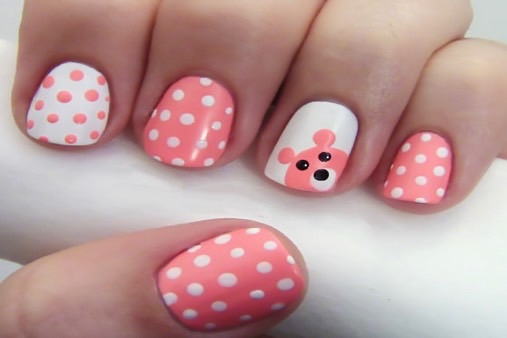
Nails pretty-polka-dot-nails resized

Gel nails, shellac nailpolish, acrylic nails, nail art… so many ways you can adorn your nails… But are they safe? Let’s see in  detail…

Nail polish: it is fine to use nail polish every now and then. There are three, potentially toxic substances in nail polish: Dibutyl Phthalate (DBP), Toluene  and Formaldehyde. Of particular concern is DBP; the European Union has banned its use, but it is still being found in some nail polishes. Formaldehyde and Toluene should not be a problem if used occasionally, but it may be an issue for pregnant women regularly exposed to them, such as those working in a nail salon. If you want to be on the safe side, use chemical-free products and make sure you paint your nails in a very well ventilated room.

Nail polish remover: It is OK if you use it occasionally. It usually contains acetone, a substance naturally produced by our body (in very small amounts). If you are regularly exposed to large amounts of acetone, there is a slight possibility of increasing your changes of having a miscarriage or a baby with some birth defects. To play safe, you may use acetone-free products.

Acrylic nails: concerns have been raised both on the glue used to stick the nails, and on a substance the nails may contain (methylmetacrylate or MMA, now mostly replaced by a supposedly safer EMA). Again, it should not be a risk if you do it occasionally, in a very well ventilated area. Moreover, you should know that fake nails have been related to higher chances of getting bacterial and fungal nail infections or nail deformities.

Gel nails: gel nails are applied as a gel to the nail, and then set by a UV lamp, or by the application of a chemical. Like acrylic nails, they contain methacrylate monomers, which may be dangerous for pregnant and non pregnant women. In addition, the UV lights used to dry the nails have been linked to skin cancer. The other problem is their removal: you need to keep your hands for 20 minutes in acetone. While the small amount of acetone used to remove the common nail polish seems to be harmless, this extended exposure raises some concern. So, if possible, stay away from gel nails.

Shellac nail polish: Shellac is a resin secreted by a bug, which is applied on the nails and then dried with an UV lamp. While no specific pregnancy-related risks have been observed due to its application, there has been a report on increased risk of skin cancer due to the UV exposure. In addition, the removal needs acetone for 20 minutes (see gel nails). Therefore, you best avoid it.

  • An issue to consider with these more “permanent” techniques is that, in case of an emergency or hospitalisation, where we may need to check the oxygen level from your thumb, permanent nail polishes will not allow us to do so, as hospitals usually do not have the means to remove it!
  • Some studies have shown an increased risk of miscarriages in salon workers. Therefore, if possible, you could ask a colleague to take over some of your work while you’re pregnant. If inevitable, take the following precautions:

•wear a face mask and rubber gloves

•work near a window

•take regular breaks for fresh air

8. Skin care and cosmetics

Cosmetics resized 7506998160_a85489a084_o

In general you can keep using your usual make-up and skin care regime as there’s no evidence that any cosmetics will be of any harm to your baby, with the exception of some anti-ageing creams (see below).

Cosmetics are covered by very strict safety laws, so you can be quite reassured that your moisturiser, serum, foundation or lipstick are safe to use when pregnant.

Acne medication and anti-ageing creams are related because they can both contain retinoids (a type of vitamin A). Retinoids are known to cause birth defects when taking orally. The main concern is the acne drug isotretinoin, which can be extremely harmful for the baby if taken during pregnancy. Retinoids are also used in some anti-ageing creams as they can speed up skin’s renewal, so stay away from them.

9. Spa visits

Spa beach resized 4172938501_1e44ae7db1_o

You can indulge yourself at a spa, get a massage, make a facial, get a manicure or pedicure. There are certain things, though, that you should avoid while visiting a spa:

  • saunas
  • steam rooms
  • tanning beds
  • hot springs
  • whirlpools, hot tubs and spa baths

All the above mentioned pose a risk of overheating, dehydration and fainting; there is a slight possibility that excessive heat may affect your baby’s development. If you are exercising in water, the temperature of the water should not exceed 32 0C, otherwise check that the water temperature is below 35 0C.

10. Sunscreens

Pregnant on the beach resized 29051269_4bb86aa8b6_o

Sunscreens are perfectly safe for use in pregnancy. Some of them do not penetrate the skin and others get absorbed but in very low amounts. Sunscreens containing titanium dioxide and zinc oxide may be preferred as they are powerful physical sun blockers and do not penetrate the skin.

11. Teeth whitening

Embed from Getty Images

Teeth whitening involves bleaching your teeth to make them lighter through a peroxide-based whitening agent or a laser. According to the British Dental Health Foundation, teeth whitening in pregnancy is best avoided as we are unaware of the potential side effects on babies.

MEDICATIONS

Medications resized 5223834995_d4a1650944_o

Few medicines have been established as safe to use in pregnancy. Medications in general should be used as little as possible during pregnancy and should be limited to circumstances whether the benefit outweighs the risk.

It is very important that you mention to your doctor any medicine you may be taking or you take occasionally. Some medicines may harm your baby and will need to be replaced by safer ones, whereas others are indispensable for you and you should keep taking them.

As  a rule, do not take unnecessary medications during pregnancy, and this is particularly important during the first trimester, which is the period when the baby’s organs are formed.

Herbal Medicines

Herbs tea-490311_1280 resized

“Natural” is not a synonym of “safe”, so do not assume that because something is natural or alternative is devoid of risk…

The only herbal medicines that have been assessed in trials and seem to be safe are ginger (used for nausea and vomiting in pregnancy) and red raspberry leaf (used to tone the uterus). The latter in several studies did not prove to be effective, but some experts propose, just in case, to use it only during the third trimester. You will find a list of herbal medications that seem to be safe and those that are better avoided here.

References
American Family Physician: Evidence-Based Prenatal Care: Part I. General Prenatal Care and Counseling Issues. April 2005, USA. http://www.aafp.org/afp/2005/0401/p1307.html
NICE: Antenatal Care- Routine Care for the Healthy Pregnant Woman. March 2008, UK
HAS: Comment mieux informer les femmes enceintes? Avril 2005, France
http://www.babycentre.co.uk/x536449/is-it-safe-to-use-essential-oils-while-im-pregnant
http://www.nhs.uk/chq/Pages/2402.aspx?CategoryID=54#close
http://www.babycentre.co.uk/a536346/herbal-remedies-in-pregnancy
Photo credits
Intro: Getty images; 1. Miran Rijavec, Flickr.com; 2. Getty images; 3. Wikimedia commons; 4. Getty images; 5. http://www.lingrid.lt/straipsniai/oda.png; 6. Pixabay.com; 7. http://glamradar.com/10-cute-and-easy-nail-designs-ideas/; 8. Joe Hsu, Flickr.com; 9. Casa Velas Hotel, Flickr.com; 10. Arne Hendriks, Flickr.com; 11. Getty images; Medications: Gatis Gributs, Flickr.com; Herbal: Pixabay.com

HOW CAN Ι BOOST MY IMMUNE SYSTEM?

JumpingThe immune system is like our own personal army, it protects us against different enemies such as bacteria, fungi, viruses and even cancer. But like every other system in the body, if we don’t take good care of it, then it can deteriorate.

We know that a low immune system can predispose our body to a number of health problems, from a common cold to cancer. Of particular interest to women is the HPV virus. HPV’s evolution is clearly affected by the body’s immunity status: the lower the immune system, the more chances the virus will lead to advanced disease in the genital area. If you want to know more about HPV, click here.

So, a question I get very often is: how can I boost my body defences?

The answer is not straightforward. The immune system is pretty complex and we don’t know everything about it. Furthermore, it is not easy to evaluate in studies the effect of different lifestyle interventions on the immune system. A lot of research is being done, some studies have reached interesting conclusions, many times though refuted by others…

Here you will find some measures that seem to be effective in helping your immune system work adequately.

I) HEALTHY LIFESTYLE

A healthy lifestyle seems to be the best strategy to have a healthy body, which comes with a strong immune system. What do you have to do to follow a healthy lifestyle?

  1. EAT HEALTHY
  2. DO NOT SMOKE OR TAKE DRUGS
  3. DRINK ALCOHOL WITH MODERATION
  4. KEEP A HEALTHY WEIGHT
  5. EXERCISE REGULARLY
  6. GET ADEQUATE SLEEP
  7. KEEP GOOD HYGIENE
  8. MANAGE STRESS
  9. SEE REGULARLY YOUR DOCTOR

Let’s analyse these factors in detail…

1. EAT HEALTHY

Healthy food resized14694618894_0778b1aacd_oEating a healthy and varied diet is very important to keep your immune system working at its peak performance. A healthy diet means eating plenty of fruits, vegetables, grains, meat and dairy products, and drinking lots of fluids.

Many studies have been done trying to clarify the effect of our diet on immunity, both in animal and humans. Most of the evidence on nutrition’s benefit is indirect, for example, observing the effect on the T cells (a subtype of white cells involved in immunity) or on certain antibodies. That does not necessarily translates into “increase in immunity” or “not having a certain disease due to it”… Nevertheless, here is a list of the nutrients that seem to reinforce your immunity:

Selenium: the lack of selenium has been linked to some types of cancer, such as breast, bladder and colon. You can find it in: nuts (Brazil nuts, walnuts), fish (tuna, cod, red snapper, herring), beef and poultry, grains.

Vitamin A: its deficiency has been associated with impaired immunity and increased risk of infections. You can find it in: egg, milk, liver, cereals, carrot, spinach and apricots.

Vitamin B2 (Riboflavin): it seems to enhance resistance to bacterial infections. You can find it in: milk, meat, egg, nuts and green vegetables.

Vitamin B6 (Pyridoxine): its deficiency may impair the body’s immune response. You can find it in: grains, legumes, vegetables, milk, fish, liver, meat, egg, flour.

Vitamin C: although used for long to boost protection against viruses (such as common cold), its efficacy is doubtful. You can find it in: green peppers, citrus, strawberries, tomato, broccoli.

Vitamin D: we hear a lot about this vitamin lately, which seems to protect against some types of cancer, among other benefits. The evidence though is inconclusive. You can find it in: butter, eggs, fish (salmon, tuna, mackerel), fortified milk and cereals. But the best source of vitamin D is sunlight: 10-15 minutes (without sunscreen) a couple of times a week will give you enough amount.

Vitamin E: its supplementation may help fight some infections. You can find it in: vegetable oils, green leafy vegetables, fortified cereals, egg, nuts.

Zinc: its deficiency seems to depress the immune action (but too much zinc seems to be detrimental).You can find it in: red meat, poultry, oysters, fortified cereal, whole grains, beans and nuts.

Bunch_of_blueberriesA lot is being said lately about superfoods: a “marketing” denomination of a group of foods that seem to have health benefits, mostly due to their high content in antioxidants. The list of the foods usually referred as superfoods include: berries, nuts, seeds, dark green vegetables, citrus, fatty fish, vegetables with intense colours, legumes and whole grains. The scientific evidence for their health benefit is lacking.

Vitamins thumbnailIf you are vegetarian or you are not eating healthy, you may consider a multivitamin supplement. It should be mentioned that vitamins supplements are clearly effective when there is a deficiency, let’s say that they will fill in the voids… The benefit of a consumption of massive doses of vitamins is doubtful and they should not replace a healthy diet.

2. DO NOT SMOKE OR TAKE DRUGS

Smoking 3285244646_f8559abbf4_oCigarette smoking has a direct toxic effect on the immune system by depressing certain antibodies and cells that react against foreign invaders. The causal relationship of tobacco with cancer is beyond any doubt.

Drug abuse has also direct toxic effect on the immune system and is clear that drug addicts are more prone to certain infections.

3. DRINK ALCOHOL WITH MODERATION

Cocktails resized 5873730552_c47aeb3a8c_oChronic alcohol consumption affects the body defences in two ways:  it has direct toxic effect on the blood cells involved in immunity, and decreases the absorption of healthy nutrients. It also predisposes to liver cancer.

But moderate use of alcohol (one drink per day) has not been associated with negative effects. Moreover, a recent study showed that moderate consumption of polyphenol-rich alcohol beverages (wine and beer) seem to have beneficial impact on the immune system.

4. KEEP A HEALTHY WEIGHT

scale resized-403585_1280Excessive weight causes hormonal imbalances that may affect the immune system.

Excess body fat, particularly abdominal fat, seems to “angers” the immune system, which reacts in a way that harms, rather than protects our body. This inflammatory reaction makes the body more prone to different diseases. Bad nutrition may also add to the problem.

5. EXERCISE REGULARLY

exercise resized14748647133_50a02658c9_o-2Regular exercise improves cardiovascular health, lowers blood pressure, helps control our body weight, and protects against some diseases. Exercise also promotes good blood circulation which may help the immune system to work more efficiently, and it possibly increases the amount of blood cells involved in immunity.

While moderate exercise is beneficial, too much exercise seems to have the opposite effect.

6. GET ADEQUATE SLEEP

Sleeping woman resized-9951_640When we sleep, our body refuels its natural functions, including the immune system. The chronic lack of sleep put us at higher risk of certain diseases, such as hypertension, stroke, diabetes, obesity and heart disease. In addition, studies have shown that, when sleep deprived, our T cells (cells involved in immunity) go down and some harmful inflammatory substances (cytokines) go up, thus depressing our immune system.

7. KEEP GOOD HYGIENE

Shower resized 5715400566_542400826a_bProper hygiene measures will help you stay away from dangerous pathogens which may weaken your body’s defences. If you don’t observe good hygiene measures, you may be overwhelming your immune system which will eventually lead to infections and disease. Besides the obvious measures of good personal hygiene, such as bathing, washing your hair, brushing your teeth, washing your clothes, you should pay special attention to your sexual behaviour.

8. MANAGE STRESS

Relax resized 2697801877_0991e1b8bd_bThe immune system, once though to be autonomous, is now known to respond to signals from other systems in the body, particularly the nervous and the endocrine systems. Consequently, environmental events that affect the nervous and endocrine system can also affect the immune system.

The effect of stress on the immune system is difficult to evaluate in studies. Every person may react differently to certain situations, every stressful situation may affect differently our body. According to animal studies (which may not apply exactly to humans) stress does affect certain markers of immunity, and this includes physical stress, social stress and isolation. Studies evaluating humans who underwent a severe stressful situation also showed affected immune markers. Less clear is the evidence for chronic stress, but a recent study including hundreds of research reports found that stressful events were indeed associated with changes in the immune system, and this was even more evident for chronic stress.

Every day stress is inevitable: hectic schedules, pressure at work, personal problems….What you can do is to change the way you react to stress, and mostly find ways to de-stress: practise yoga, exercise, go out with friends, do thing that make you relax, etc….

9. SEE REGULARLY YOUR DOCTOR

Stethoscope resized 14752060890_dd0707690d_oLast, but not least, don’t forget your regular visits to your doctor. Your physician can pinpoint any health problem you may have, and you will get the screening tests you need according to your age, risk factors, etc.

II) HERBAL AND OTHER SUPPLEMENTS

There is a plethora of supplements that promise “Immunity enhancement”, but none of them has proved for sure that helps. Again, it is difficult to design a study to prove an effect on immune system. That doesn’t mean that they are not effective, and like everything else, they may help one person and not the other…

Here is a list of supplements that have been most related to benefits on the immune system:

Aloe_vera386868234Aloe vera: although topical aloe vera is helpful for minor burns, wounds, skin inflammations, there is no conclusive evidence that it can affect the immune system.


Astragalus_membranaceusAstragalus membranes: this product that comes from the root of a plant, although marketed as immune-system stimulant, it has not been confirmed by most studies, and it may be dangerous.


próba makra 2007-07-17 15-50-27Echinacea: mostly used to limit the severity of colds, but the evidence for its efficacy is equivocal. It has also been utilised, in combination with antifungals, to treat repeated yeast infections.


Garlic Opened_garlic_bulb_with_garlic_cloveGarlic: garlic does seem to have infection-fighting capability, and in some studies it even seems to reduce the risk of some cancers.


Ginseng_in_KoreaGinseng: among the many health benefits attributed to ginseng is the ability to stimulate the immune system. There are no large studies to prove its benefits, but there is ongoing research on this topic.


KONICA MINOLTA DIGITAL CAMERAGlycyrrhiza glabra (licorice root): very popular in Chinese medicine, but the evidence is not conclusive, and there is a possibility of serious side effects, so it is better avoided.


SONY DSCHippophae (sea-buckthorn): its berries are under research for its possible benefits on inflammation and cancer.


Probiotics thumbnailProbiotics: probiotics are good bacteria, such as Lactobacillus and Bifidobacterium, that are a part of the normal intestinal and vaginal flora. These bacteria seem to enhance the immune system, but the evidence is not there, even when taking together with antibiotic to replenish the normal fora. In any case, they are not harmful, and they may be of benefit.


Royal jelly thumbnailRoyal Jelly: milky secretion produced by the worker honey bees, it has been used for many health problems, including to boost the immune system. Some animal research has shown some activity against tumours, but this has not been corroborated in humans.


Spirulina thumbnail

Spirulina (Blue-green algae): a group of plant-like organisms which are being researched for potential effects on the immune system, inflammation and viral infections. The evidence is not conclusive though.


References
http://www.health.harvard.edu/flu-resource-center/how-to-boost-your-immune-system.htm
http://www.webmd.com/vitamins-and-supplements/lifestyle-guide-11/supplements-guide
http://www.eufic.org/article/en/artid/The-science-behind-superfoods/
http://www.ncbi.nlm.nih.gov/pmc/articles/PMC1361287/


Photo Credits
Intro Be-Younger.com Flickr.com; 1. Sammy Jay Jay Flickr.com, Wikimedia commons,  Colin Dunn Flickr.com; 2. Gazskoin Flickr.com; 3. Kirti Poddar Flickr.com; 4. Pixabay.com; 5. Carlos Newsome Flickr.com; 6. Pixabay.com; 7. tamahaji Flickr.com; 8. David Smith Flickr.com; 9. John Twohig Flickr.com. Herbal: all images from Wikimedia commons
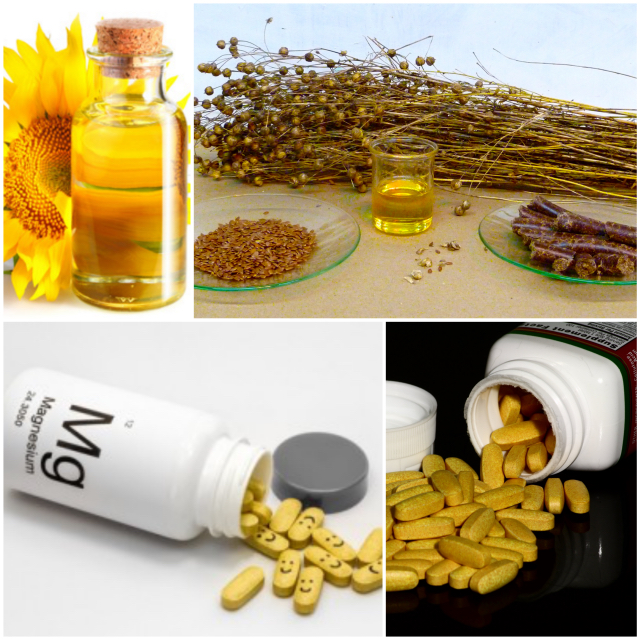
PREGNANCY DO’S AND DON’T’S (Part 1)

FOOD, DRINKS, ALCOHOL AND TOBACCO

Yes!! the pregnancy test is positive! You go and share the good news with your friends and relatives…And that very same moment, people will start “bombarding” you with advices: do this, don’t do that… So you start wondering: What is safe? What can harm my baby?

This post is about the most common “Is it safe….?” questions. Since the subject is extensive, this will be “Part 1”, dealing with food, drinks, alcohol & tobacco. More do’s and dont’s are coming….

FOOD AND DRINKS

Embed from Getty Images

Eating healthy is one of the best things you can do to your baby, and to yourself! There is not a specific diet for pregnancy; you should just follow a healthy, varied, balanced diet: plenty of fruits, grains and vegetables, but also dairy products and meat, which provide iron, calcium, vitamins and proteins. You don’t need to eat for two! Actually, if you have a normal weight, only a few extra calories a day are needed while pregnant: none during the first trimester, about 300 the second, 450 the last trimester!

Try to eat frequent and small meals, and avoid eating a copious meal before bedtime. Although sweets, fatty or processed food should not be in your every day diet, don’t feel bad if you get occasionally tempted! In any case, pay attention to quality, but also to quantity: excessive weight gain may put you at risk of having gestational diabetes, pregnancy-induced hypertension or delivering a macrosomic (too big) baby…Not to mention that you will suffer to lose those extra kilos after birth!

Herein you will find some things you need to know about eating and drinking during pregnancy:

Meat & Eggs

Red meat d56da7e3faa04dd1_steak.xxxlarge

Meat is an excellent source of protein, iron, vitamins and minerals. But you should only eat well-cooked meat. Forget about carpaccio, steak tartare or saignant!

Eating undercooked or raw meat can lead to toxoplasmosis, a severe infection that may harm your baby. Uncooked cured meat, such as salami or prosciutto should also be avoided. Liver and liver products (such as pate) contain high levels of vitamin A, which is toxic for the baby. Indeed, a single serving of cow’s liver contains three times the recommended daily amount of vitamin A allowed in pregnancy, so even if liver is considered to be a healthy food, rich in proteins, iron and vitamins, stay away from it, or consume it no more than once a month.

Undercooked meat, especially poultry can carry salmonella, which may cause a very severe form of food poisoning, so pay special attention to cook well your chicken. Since Salmonella is also present in eggs, the consumption of raw or partially cooked egg is discouraged (this includes homemade mayonnaise, tiramisu, etc).

Fish & Seafood 

Had sushi for lunch last Saturday. It was delicious.

Fish is an excellent source of proteins, vitamins and the valuable omega 3 fatty acids, which boost your baby’s brain and eye development. However, you should avoid certain fishes, such as shark, swordfish, king mackerel, tilefish, and tuna. These fishes are contaminated with large amounts of mercury, which can be toxic for your baby. To see more details about mercury levels in fish and allowed servings, please click here.

Raw fish and seafood may contain harmful bacteria or viruses. Therefore, do not eat raw fish (includes some varieties of sushi and sashimi) or raw oysters. Octopus, calamari, shrimp are fine as long as are properly cooked. With smoked fish (such as salmon and trout) the opinions are divided: while it is considered to be safe by some experts, others advise against it due to the possibility of contamination with listeria, a bacterium potentially harmful for your baby.

Cheese & Milk

Cheese is a great source of calcium and vitamins, so go ahead and eat cheese as long as it is made of pasteurised milk. You should not eat soft cheeses such as brie, camembert, chevre, roquefort, which may grow the rare, but dangerous listeria. Check the packages, where it usually states states if the cheese is made with raw or pasteurised milk, and avoid homemade cheeses. Hard cheeses are fine. For the same reason, the milk you drink should always be pasteurised.

Coffee

There is some (controversial) evidence that having more than 200 mg of caffeine a day may put you at risk of miscarriage or having a baby with low birth weight. This means that you may drink up to two cups of instant coffee or 1 cup of brewed coffee a day. Don’t forget other sources of caffeine, such as tea, cola, energy drinks or chocolate. For caffeine content of different beverages, please click here.

Herbal teas

Tea time resized 2352395427_fce9b7fde4_b

Herbal or natural doesn’t necessarily mean “safe”. Most teas are thought to be safe in pregnancy, as long as you don’t drink large amounts. Green tea contains caffeine, so do not exceed the recommended limit of 200 mg of caffeine per day (see above).

There are a couple of teas that you better avoid: Sage tea may be linked to miscarriage and high blood pressure. Parsley tea may increase the risk of miscarriage. Valerian is also best avoided, as well as chamomile in large amounts. Raspberry leaf tea may cause contractions, so do not consume it in early pregnancy, but it may be fine to drink during late pregnancy.

Artificial sweeteners

Sweetener resized 5608101779_536b9957ac_b

In general, artificial sweeteners seem to be safe to have in pregnancy, they are though recommended with moderation. Stevia and sucralose should be preferred. Aspartame seems to be safe with moderate consumption, but it should be avoided by anyone with a rare disease called Phenylketonuria (PKU) or by persons with high levels of phenylalanine in blood. Saccharin and cyclamate have been possibly linked to same types of cancer, so they are best avoided in pregnancy.

ALCOHOL AND TOBACCO

White wine and painting resized 98337136_fc50b5a6b0_o

Alcohol in large amounts is highly toxic for the unborn baby. For light (social) drinking, the data has been contradictory. According to the British organisation NICE, although there is uncertainty regarding a safe level of alcohol consumption in pregnancy, at this low level there is no evidence of harm to the unborn baby: no more than one or twice a week, 250cc beer or 1 shot (25 ml) spirit or 2 small (125 ml) glasses of wine. Nevertheless, NICE recommends to avoid alcohol consumption during the first trimester due to a possible increased risk of miscarriage.

Cigarette resized 4322886680_87b73de16b_b

The dangers of smoking have been widely established. Smoking during pregnancy puts you at higher risk of having a baby with low birth weight, as well as stillborn, sudden infant death syndrome, miscarriage, premature labor and placental abruption. Moreover, later evidence incriminates smoking of causing birth defects. See more information here. The risk includes even secondhand smoke. If you are pregnant and you keep smoking, discuss with your doctor the options you have to quit as soon as possible…


References

American Family Physician: Evidence-Based Prenatal Care: Part I. General Prenatal Care and Counseling Issues. April 2005, USA. http://www.aafp.org/afp/2005/0401/p1307.html
American Family Physician: Evidence-Based Prenatal Care: Part II. Third-Trimester Care and Prevention of Infectious Diseases. April 2005, USA. http://www.aafp.org/afp/2005/0415/p1555.html
ACOG: FAQ – Nutrition During Pregnancy. September 2013, USA. http://www.acog.org/Patients/FAQs/Nutrition-During-Pregnancy
NICE: Antenatal Care- Routine Care for the Healthy Pregnant Woman. March 2008, UK
HAS: Comment mieux informer les femmes enceintes? Avril 2005, France


Photo credits

1.Getty images; 2.media1.onsugar.com; 3.alachia, Flickr.com; 4.Back East Photography, Flickr.com; 5.Susanne Nilsson, Flickr.com; 6.Steve Nodgrass, Flickr.com; 7.Luz Bratcher, Flickr.com; 8.emdot, Flickr.com; 9.Shrikant Nigam, Flickr.com