HOME BIRTH: SMART CHOICE OR RISKY BUSINESS? (Part 1)

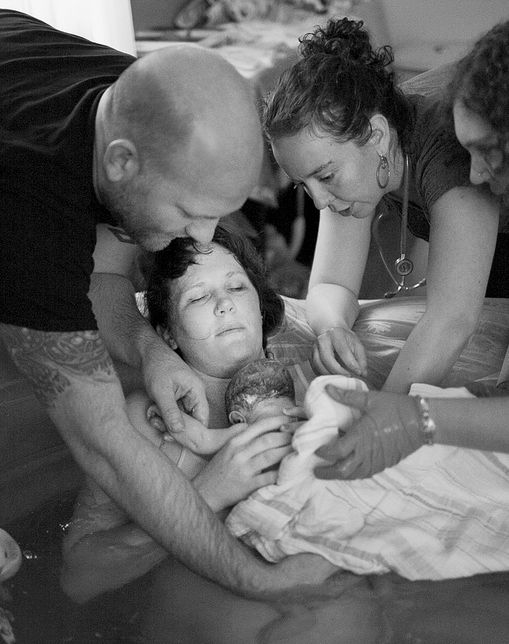
home-birth-bw-flickr-resized

Home births have been, for a long time now, the subject of endless controversy and polarized discussions among physicians, midwives and strongly opinionated women. Indeed, the idea of giving birth at home sounds attractive. With the growing  interest for an “all natural” lifestyle, natural home birth looks like a logical way to go. What’s more, celebrities are doing itand midwives are becoming a status symbol!

home-birth-gisele-pregnant-resizedEven mass media has embraced the trend: since 2008, when the documentary The business of being born was aired in the USA many women were “converted” to fanatic home birth supporters. This documentary follows a New York midwife who delivers babies at home, while it “uncovers” -what they consider- the major business childbirth has become for doctors and hospitals. In the UK, the series Call the midwife, with its empathetic view of midwives have experts hoping that “it will spark a resurgence in home births…as women see the holistic care that midwives can deliver”.

home-birth-business-of-being-bornAnd all this “campaign” seems to have worked! Home births have seen a considerable increase in many countries, including the USA, Canada, UK and Australia.

So why the fuss about giving birth at home? Why do women want to deliver like in the 1900s? The answer to these questions is not straightforward…

While reviewing the bibliography on home birth, I realized how massive the amount of information on this subject is, both in scientific and lay sites, and how contradictory it becomes sometimes…

If you are considering home birth, check out this article where I analyze the reasons women choose to have their child at home. In order to simplify reading, I divided it in three parts; read all three so that you can make your responsible and educated choice.

1) “A delivery at home is a wonderful experience”

Embed from Getty Images

                          Satisfaction is home birth’s raison d’être

There is no doubt that birth is a unique, life-changing experience for every woman, and no one can deny the importance of the emotional and psychological aspects of a bringing a child to the world. As mentioned earlier, the reasons women choose a home birth are many: some women feel that the privacy of their home will make them feel more comfortable, less stressed out, and with more control of their own labor. Others find that being surrounded by friends, relatives, or their older children is of utmost importance. Finally, many woman choose home birth out of curiosity, as they have heard so many stories about amazing, empowering, ecstatic, or even “orgasmic” home births. Actually, personal satisfaction seems to be the main reason women want to deliver at home.

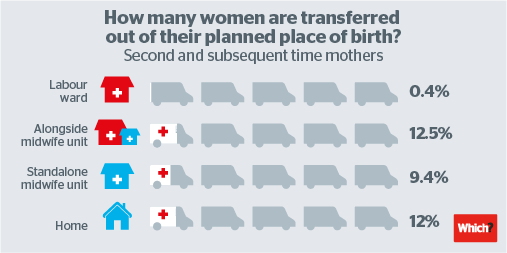
home-birth-transfer-primiparousBut is home birth always this pleasurable, fantastic experience women expect?  Unfortunately, this is not always the case. According to Birthplace, a recent British study, a high percentage of women will need a hospital transfer: up to 45% of first-time mums (nulliparous) and 13% of second and subsequent time mothers (multiparous) were transferred to a hospital. Similar figures are reported in the Netherlands, a country with a long tradition of home birth: 49% of primiparous and 17% of multiparous women are transported during labor. Most of the times, transfer to a hospital is not a great experience for the couple, as their expectations for a home birth are not fulfilled; this has been uniformly demonstrated by several studies from different countries (such as Sweden, Netherlands and Belgium). Moreover, a Dutch study evaluating women’s views of their birth experience 3 years after the event revealed persistent levels of frustration, including serious psychologic problems, in transported women compared with those who delivered at a hospital.

home-birth-transfer-multiparous

There is another fact we should not ignore: labor is inherently painful. Even though at home women may be more comfortable and this may result in less pain, sometimes it may be impossible to cope with pain and an epidural may be necessary. Pain relief is actually one of the most common reasons for transport to the hospital, since pain can become overwhelming, In fact, a recent study showed that inability to control labor pain may increase the risk of developing postpartum depression.

2) “Home births are safe for the mother”

home-birth-painfulHome births result in less interventions, including pain relief…

Besides personal satisfaction, another common reason women choose home birth is because it’s less invasive. The dreadful “cascade of events“, that is, one intervention leading to another during a hospital birth fills with terror most home birth supporters. Indeed, almost every study shows that home births are associated with less interventions as compared to hospital births. The term “interventions” includes: epidural anesthesia, ventouse or forceps delivery, cesarean section and episiotomy (see also here, here and here).

Another controversial intervention that has gained a bad reputation among home birth supporters is continuous fetal monitoring, as they think that it is not needed, it gets in the way of the natural birthing process and it increases interventions such as cesarean section and forceps delivery. But what is the scientific evidence on this subject? According to a Cochrane review, the use of fetal monitoring increases the cesarean delivery rate, vacuum and forceps operative vaginal delivery; in addition, fetal monitoring does not seem to reduce perinatal mortality, neither cerebral palsy risk; however, it reduces by 50% the risk of neonatal seizures, that is, of brain damage.

home-birth-helpBut while some women may experience fetal monitoring, episiotomy or vacuum delivery as a traumatic experience, others may not get particularly bothered by an episiotomy -and many will feel blessed by the epidural “intervention”. So maybe a more important question is: What about severe maternal complications and maternal deaths? In regard to this matter, there is not much information, and the studies’ conclusions are contradictory. A Dutch study  looked at “severe acute maternal morbidity” (such as admission to intensive care unit, uterine rupture, blood transfusion, etc) and found that women who delivered their first baby at home had the same risk with women delivering at a hospital, but parous women had increased risk of postpartum hemorrhage and blood transfusion when delivering at a hospital; however, another study, also from the Netherlands, did not confirm these findings. Therefore, a hospital birth leads to more interventions, but it does not seem to increase the risk of serious maternal complications. Regarding maternal deaths, they are a rare event; thus it is not possible to draw conclusions from the studies.

There is something that every woman considering home birth should understand: the studies results apply only to very low-risk pregnancies. Higher risk women, such as those with twin pregnancies, previous cesarean sections, prematures, post term pregnancies, were excluded from most studies, although it is no secret that they are also having home births (it’s easy to realize it just by checking the social media…). It is certain that for these women the risks is much higher, not only for them, but also for their babies.

3) Home births are safe for the baby

A healthy baby and a healthy mother are supposed to be a birth’s ultimate goal…

Studies analyzing the baby’s risk yield completely different results according to the country they were done, but they also differ in different areas of the same country, or according to the scientist analyzing the data! In here, I mention the most important studies evaluating neonatal risk by country of origin:

home-birth-canada-babyCanada: A recent study showed that planned home birth was not associated with a difference in serious adverse neonatal outcomes as compared to hospital births (Hutton et al, 2016). This study was limited to the Ontario area, had very strict inclusion criteria and high transport rates (see below).

home-birth-dutch-pregnantThe Netherlands: The Netherlands are usually considered the “gold standard” due to their long tradition in home births. In 2009, de Jonge  showed that home birth does not increase the risk of perinatal mortality and severe perinatal morbidity among low-risk women. However, some aspects of this paper may have underestimated the risk (e.g.,  paediatric data on intensive care admissions was missing for 50% of non-teaching hospitals, among others). In fact, a subsequent Dutch study showed that infants of pregnant woman at low risk under the supervision of a midwife had 2,3 times higher risk of perinatal death than infants of pregnant women at high risk  under the supervision of an obstetrician. Moreover, infants of women who were referred by a midwife to an obstetrician during labor had a 3,66 times higher risk of delivery related perinatal death than women who started labor supervised by an obstetrician (See below for more details on home births in the Netherlands).

home-birth-british-babyEngland: A 2011 large study, the Birthplace study showed that, for low-risk women,  home birth had 60% higher chances of “baby events”. The events included death (13%), neonatal encephalopathy (brain damage due to lack of oxygen, 46%), meconium aspiration syndrome (the baby swallows stools, a sign of suffering, 30%), brachial plexus injury (damage of the nerves of the arm, 8%), fractured humerus or clavicle (4%); if the analysis was restricted only to nulliparous women, this risk was almost 3 times higher. For multiparous women (2 or more children), there were no significant differences in the incidence of adverse outcome by planned place of birth.

home-birth-australian-babyAustralia: in a paper by Kennare et al, although there were no differences in perinatal mortality, home birth was associated with 7-times higher risk of intrapartum death, and 27-times higher risk of death from intrapartum asphyxia (lack of oxygen). Interesting enough, one of the authors (Dr. Keirse) was the chairperson of the working party that developed the Policy for Planned Birth at Home in South Australia.

home-birth-american-babyUSA: The largest American study comparing home and hospital births was published in 2013, including data on more than 13 million births. This study indicated that babies born at home are 10 times more likely to be born dead and have almost 4 times higher risk to have neonatal seizures or serious neurological dysfunction (that is, brain damage) when compared to babies born in hospitals. Moreover, the risk of stillbirth in women delivering their first baby at home was 14 times the risk of hospital births. Dr. Grunebaum, one of the authors, explains that most likely the risks are even higher than that: “… the outcomes for patients whose care began out of the hospital but were then transferred to the hospital due to complications are reported as hospital deliveries. If the data were corrected, the risk of out-of-hospital delivery is likely to be much greater.” Another American study confirmed these findings, which, contrary to the British study, showed that the neonatal outcome was worse both for nulliparous and multiparous delivering at home.

home-birth-international-babyPooled data from USA, Australia, Switzerland, Netherlands, Sweden, Canada & UK: A study by Wax et al. showed that home births are associated with a risk of neonatal death three times higher as compared to hospital births. The results of this study led the reputed medical journal The Lancet to write an editorial stating “Home birth: proceed with caution”. Wax’s study though was highly criticized on methodological grounds.

Why such a disparity in the results of the different studies?

There are many possible explanations:

  • The lack of randomized trials, as it is not possible to force women to deliver at home or at a hospital against their will. It is clear from different studies that women delivering at home are different from those delivering at hospitals (usually home birthers are more educated and come from a more socioeconomically advantaged area); populations may also differ from country to country.
  • Underreport. In many home births studies there are missing data; in others home births that were transferred to hospitals are included in the hospital group.
  • Midwives’ training. In most European countries and Canada, home births are attended only by midwives or physicians; midwives have a university degree and undergo intensive training. In most states of the United States, besides certified nurse midwives (with formation equivalent to European midwives), births are also attended by “direct-entry midwives” with no university degree and diverse training; the only requirement for them to practice is a high school degree.home-birth-all-babies
  • Eligibility criteria for a home birth. Studies with good outcome had very strict inclusion criteria for home birth, that is, they excluded women with twin pregnancies, preterm labor, preeclampsia, etc.
  • Transport rates. Best outcome was associated with a very high transportation rate: about 40-50% for nulliparous, 10-20% for multiparous. On the contrary, the US studies -with more adverse results- report overall transportation rates of about 10%.
  • Efficiency of transport system, midwives’ integration to hospitals. Rapid availability of ambulances -such as the so-called Obstetric flying squad in the UK- and hospitals in tight collaboration with midwives working in the community seem to be essential. But even so, some complications may not be solved, even by the most efficient form of transport.
  • Distance to the hospital. Although shorter distance to hospital seems to be crucial, even this may not prevent certain complications. Hospitals have what is called the “decision to incision” rule, that is, the maximum time that should pass between the decision to make an emergency cesarean section and the time it is actually done. This rule is 20 or 30 minutes, according to different countries. It is clear that this time frame cannot be achieved with home birth, not even with close distance to a hospital.


Read the second part here:  Home birth: smart choice or risky business? (Part 2)

Photo Credits:

Intro: Flickr.comPinterest.comWikipedia.org; 1) Gettyimages.comwhich.co.ukwhich.co.uk; 2) booshparrot.com, herb.co; 3) Flickr.commoveoneinc.com, Pinterest.com, sheknows.com, blogqpot.combabynames.allparenting.com,  mercatornet.comlaineygossip.com

WHEN SEX IS PAINFUL: 8 COMMON PROBLEMS – AND HOW TO FIX THEM

Sexual intercourse is supposed to provide pleasure, satisfaction and fulfilment. We -particularly women- tend to expect flawless, movie-like sex, romantic, luscious or passionate, with music playing in the background! Well, in real life sex is not always that perfect: according to an American survey, about 1 out of 3 women reported pain the last time that they have had sex. What’s more, many women feel ashamed to talk about it, giving up the idea of pleasurable sex. It is not unusual for these women to avoid having intercourse, leading to couple conflicts and eventually to psychological problems…

But why so many women feel pain while making love?

Whether it happens each time or occasionally, you feel just some discomfort or unbearable pain, dyspareunia (painful intercourse) can be related to a gynecological or medical problem, to your emotions or your state of mind; occasionally your partner is to blame, or maybe both of you, let’s not forget that it takes two to tango!

Below you will find 8 common painful situations you may encounter during intercourse. Understanding the type and location of the pain will help us pinpoint its cause, so that you can take some measures to get over it!

Problem # 1: “I feel a burning sensation outside the vagina”

painful-intercourse-burning-loveYou may feel a painful, burning sensation in your vulva (the external genitals), the area may be red and eventually swollen.

Possible causes:

  • Yeasts or other infections: a yeast infection will cause “cottage cheese-like” discharge; other bacteria can produce yellow or green discharge which may also be foul-smelling.
  • Contact dermatitis: you may realize that the problem starts after using certain lubricant, soap or cream, laundry soaps or softener; certain clothes can also be responsible.
  • Allergic reaction to condoms: the burning feeling starts after having sex, usually within 48 hours.
  • Menopause: although menopause generally causes vaginal dryness, some women also feel intense burning, which gets worse with intercourse.

What to do about it:  

  • Check with your doctor, who can give you a treatment for your yeast infection, if you are prone to get them, over-the-counter medications are available.
  • In the doubt, your doctor may order a culture, to see which bacteria is responsible for your symptoms.
  • In case of dermatitis or allergic reaction, stay away from possible irritants, your doctor can prescribe you a cream to soothe discomfort.
  • If you are allergic to latex (the material condoms are made of), stick to non-latex condoms.

Problem # 2: “I have a painful bump in my vulva”

painful-sex-bumpYou may feel a sharp, localized pain; while trying to precise its location you may touch a “bump” in the vulva. If you look with a mirror you may be able to identify the spot. Sex, due to rubbing, will make it even more painful.

Possible causes:

  • Pimple or ingrown hair: these are the commonest “bumps” appearing in the genitals. They can be quite sore if they become infected. A clogged sweat gland can also cause a painful pimple.
  • Bartholin gland cyst: they are soft cysts arising at the opening of the vagina. They can be very large (like a walnut) and become extremely painful if they get infected.
  • Herpes: genital herpes is a sexually transmitted infection. It causes itchy, burning and painful lesions that often start as a sore spot, becoming over a few days one or several blisters. Read more here.
  • Other dermatological or medical problems: rarely, diseases causing genital ulcers may be the cause of pain.

What to do about it:

  • Check with your doctor if you are not sure what is causing you pain.
  • Pimples may require a local cream to relief pain. If they are infected antibiotics may be necessary; more rarely incision and drainage are needed.
  • Bartholin cysts are treated with warm sitz baths. If infected antibiotics, incision and drainage may be necessary.
  • Herpes is managed with antiviral medications (locally or by mouth), painkillers may also be required.

Problem # 3: “I’ve tried everything, but penetration is impossible and triggers excruciating pain”

painful-intercourse-obstacleYou were never able to have penetration; even introducing tampons is impossible because you feel there is an “obstacle”.

Possible causes:

  • Hymen problems: you hymen may be abnormally thick, or imperforate.
  • Vaginal problems: your vagina can be too narrow or have a septum.
  • Vaginismus: see below.

What to do about it:

If penetration was never possible, check with your doctor who can rule out any anatomical problem; most of them can be solved with a simple surgical intervention.

Problem # 4: “I have intense pain in the opening of the vagina during penetration”

painful-intercourse-pins-and-needlesEven if you are aroused and willing to have sex, penetration triggers an intense pain in the entrance of the vagina; this is called entry dyspareunia.

Possible causes:

  • First time: we tend to have high expectations about our first intercourse; however many times it is less extraordinary than expected, and this includes pain; sometimes (but not always) bleeding may occur.
  • Trauma: this can be the result of childbirth (a tear or an episiotomy) or surgery; occasionally injury can be sex-related.
  • Vaginitis: due to yeast or other infection (see above).
  • Vulvodynia: it is a distressing, long-lasting condition in which the vulva is so sensitive that just touching the area makes the woman jump with pain. When pain is confined to the vestibule (the area around the opening of the vagina), it is known as vulvar vestibulitis syndrome (VVS). Its cause is unknown.
  • Emotional reasons: see below.

What to do about it:

  • If it is your first time, don’t worry too much about it. Many women have pain or discomfort during their first intercourse, an even a larger percentage will not have an orgasm. Be patient, try to be as relaxed as possible, discuss with your partner the means to reduce pain. If the problem persists, discuss it with a doctor.
  • If your just delivered, wait to have intercourse for at least six weeks after childbirth; some discomfort may persist for a few months, especially if you breastfeed, since your vagina also feels dry (see below). If pain continues for a long time or is very intense, talk to your doctor.
  • Vulvodynia may require medications, or eventually surgery. Read more here.

Problem # 5: “My vagina feels too dry”

Vaginal dryness is extremely common, and does not always mean problem. While some women produce  a lot of vaginal secretions, others are drier. However, there are factors that influence natural lubrication levels: sexual stimulation increases the amount of secretions; therefore, adequate and prolonged foreplay will help you being aroused. Sometimes though, your vagina keeps being dry and sex becomes painful.

Possible causes:

  • Menopause: due to the low level of estrogen (the hormone in charge of lubricating your genitals), your vagina will feel extremely dry and sex can be very painful, sometimes impossible.
  • Breastfeeding: also related to low estrogen.
  • Medications: some medications such as birth control pills, decongestants and antihistaminics may reduce vaginal moisture; contraceptive pills can also decrease sexual desire.
  • Medical problems: certain medical conditions can indirectly affect sexual response: diabetes, cancer, and thyroid problems, among others.
  • Your emotions: see below.

What to do about it:

  • Use a lubricant. Water-soluble lubricants are the best choice if you experience vaginal irritation. Silicone- based lubricants last longer and are more slippery. Do not use petroleum jelly, baby oil, or body lotion with condoms, as they can cause the condom to break (read more here).
  • For chronic cases, you may try long-acting vaginal moisturizers which, unlike lubricants, are absorbed into the vaginal lining for 3 to 4 days, mimicking natural secretions.
  • For menopausal women, when lubricants or moisturizers won’t work, a vaginal estrogen product may be necessary. More info here.
  • In any case, talk to your doctor if lubricants or moisturizers don’t help.

Problem # 6: “My vagina is just not opening”

Each time you try to have sexual intercourse, your vagina “closes”; any attempt of penetration is painful, and usually impossible.

Possible causes:

  • Vaginismus: it is a tightening (or reflex contraction) of the muscles of your vagina which occurs during penetration, but eventually also while attempting to insert a tampon, or during a gynecological exam. Its cause is unknown, although it is frequently related to anxiety, or fear of having pain during sex. Learn more here.
  • Your emotions: see below.

What to do about it:

  • Progressive desensitization consists of special exercises aimed at learning to relax your vaginal muscles.
  • Medical treatment may be useful in certain situations.
  • For women whose vaginismus is related to fear or anxiety, psychotherapy usually helps.

Problem # 7: I feel pain in my bladder during intercourse together with constant urge to urinate

painful-intercourse-tap-waterWhile having intercourse, you feel low abdominal pain and a persistent need to pee.

Possible causes:

  • Cystitis: read more here.
  • Interstitial cystitis (IC): also called bladder pain syndrome (BPS) is a chronic problem, which causes a feeling of pain and pressure in the bladder area, together with burning during urination. IC may feel like a bladder infection, but it’s not an infection; in fact, its cause is unknown.

What to do about it:

  • Read here to see what you can do if you have a bladder infection, particularly if you get one very often.
  • Regarding BPS, check with your doctor. No single treatment works for every woman, it should rather be individualized and based on symptoms. Learn more here.

Problem # 8: “I feel a deep pain in my abdomen during sex”

A deep pain or cramping in your abdomen during sex -or deep dyspareunia – can be the result of numerous problems.

Possible causes:

  • Gynecological problems: endometriosis, fibroids, ovarian cyst, adhesions, or infection (pelvic inflammatory disease). Many of these also cause painful periods.
  • Irritable bowel syndrome: a chronic condition that affects the large intestine; it commonly causes cramping, abdominal pain, bloating, gas, diarrhea and constipation. More info here.
  • Collision dyspareunia”: a funny name to describe the pain you may feel if the tip of your partner’s penis hits your cervix. This can happen if your partner is longer than average, if you’re not fully aroused, or if your cervix is unusually positioned. Read more here.
  • Other reasons: constipation, a retroverted uterus, a forgotten object in the vagina (usually a tampon).

What to do about it: 

Although many of the causes of deep dyspareunia are not important, some of them can be serious; therefore, you should see a doctor, especially if it is a new-onset problem. Many of these situations will be treated with medications, others require surgical intervention.

THE EMOTIONAL FACTOR

Our emotions are tightly related to our sexual life; thus, negative emotions are frequently the source of painful sex. Some examples are:

  • The way you feel about having sex: fear, embarrassment, guilt, being concerned about your physical appearance, being to too anxious about “doing it right” can all may make you unable to relax; therefore, arousal is difficult and you end up having pain.
  • Stress, fatigue, anxiety, depression: your everyday life problems can affect your desire to have sex. In addition, your vaginal muscles tend to tighten; this can also contribute to painful sex.
  • Relationship problems: problems with your partner may be related to painful sex by reducing arousal or provoking vaginismus.
  • A previous bad sexual experience: such as women with a history of sexual abuse, who tend to relate sex with something bad or negative.

WHEN YOUR PARTNER IS THE PROBLEM…

Painful sex is not always your fault!

  • Your partner may have sexual problem, which in turn can make you feel anxious about sex.
  • If your partner is taking a drug for erectile dysfunction, he may have delayed orgasm, causing long and painful intercourse.
  • Size problem: feel that your partner is “too big”? In fact, when a woman is aroused and relaxed, the vagina extends by several inches – so most women should be able to accommodate most males! Nevertheless, if size is indeed a problem, try a lubricant, and check which sex positions are less likely to make you hurt. Come close, a new device can be a good option for you.

SHARED PROBLEM: SEXUAL MISMATCH

Besides size mismatch, or differences in the way you both enjoy sex, a common issue leading to painful sex is mismatched sexual desire. Read more here.

TAKE HOME MESSAGE

painful-intercourse-dont-want-to-talk

If you have pain during sex, talk about it! It may be embarrassing to discuss your sexual problems with a doctor, but you should know that, with proper care most problems can be solved; therefore there is no reason to condemn yourself to a pleasureless, painful sexual life!

In the meantime, these are some tips that may help you relieve your pain:

  • Talk to your partner: mutual communication is essential. Discuss with your partner where and how is the pain, so you can both find ways to avoid it or minimize it.
  • Use a lubricant: a simple measure that can ease your suffering. It’s a good idea to keep always one with you.
  • Make time for sex: not always easy to include sex into our busy schedules! Nevertheless, try to find a moment of the day when you and your partner will be less tired or anxious.
  • Engage in sexual activities that don’t cause pain: if penetration is painful, you may consider other forms of pleasure, such as oral sex.
  • Try different sex positions: if you have deep dyspareunia, it can be worse in certain positions. Try to find those that are less likely to trigger pain.
  • Include relaxing activities: your partner may give a massage.
  • Take steps to relieve pain before making love: take a warm bath, empty your bladder, take a painkiller.
  • If you experience burning after intercourse: apply a frozen gel pack or some ice wrapped in a towel to your vulva.

References

  1. The American College of Obstetricians and Gynecologists: When sex is painful.
  2. Lori J, Heim LTC: Evaluation and Differential Diagnosis of Dyspareunia. Am Fam Physician. 2001 Apr 15;63(8):1535-1545.
  3. NHS UK: Why does sex hurt?

Photo credits

Intro: dailymedicalinfo.com; 1: rascoecam.wordpress.com; 2:liferunning.wordpress.com; 3: daroachbooks.blogspot.gr; 4: pixabay.com; 5: scienceclarified.com; 6: newauthors.wordpress.com; 7:diversehealthservices.wordpress.com; 8: everythingselectric.com; Take home: pinterest.com

HPV VACCINE: THE CONTROVERSY CONTINUES…

HPV Vaccine 2 adThis year is the HPV vaccine’s 10th anniversary, as the first cervical cancer vaccine was licensed by the US Food and Drug Administration (FDA) in June 2006. Should we celebrate or not? Arguably the HPV vaccine is one of the most controversial vaccines ever released…

In October 2015 I published the article: “The HPV vaccine controversy: science, media… and marketing”, where I included the information available on the vaccine, focusing on its safety and efficacy. A lot has happened since then, many articles have been published which, instead of clarifying the situation, have rather divided even more both the general public and the scientific community. The result: doctors hesitate to recommend the vaccine, parents and young women are even more confused when they have to decide whether to get vaccinated or not…

In this article I outline the recent events related to the HPV vaccine, focusing on new indications, safety statements and current controversies.


HPV-Associated Cancers are on rise

Malignancies related to HPV include cervical, vulvar, vaginal, penile, oropharyngeal, anal, and rectal cancers.

According to a new report from the USA Centers for Disease Control and Prevention (CDC), HPV-associated cancer incidence have increased from 10.8 per 100,000 persons during 2004–2008 to 11.7 per 100,000 persons during 2008–2012. The most common cancers are cervical and oropharyngeal (although not all oropharyngeal cancers are HPV-related).

The report stresses that a large number of these cancers are associated with the HPV types included in the vaccine, thus vaccination may potentially reduce the incidence of cancer in the future.

The same trend is observed in other countries such as the UK: while the incidence rates of cervical cancer for women aged 25-34 initially decreased by 35% between 1985-1987 and 2000-2002, rates have since increased by 50% in this age group.


More medical societies urge to increase HPV vaccination rates

HPV vaccine 2 ASCODespite many professional organisations recommending HPV vaccination, vaccine uptake in the United States remains low: about 39% of girls and 21% of boys have received the full schedule of HPV vaccines.

Taking into consideration these data, the American Society of Clinical Oncology (ASCO) has recently issued a statement urging to increase vaccination rates. In this article “ASCO stresses (…) the need to increase the proportion of adolescent boys and girls receiving the HPV vaccine (…) which could lead to complete eradication of HPV-related cancers in men and women”. They further emphasize its safety by stating that “Both Gardasil and Cervarix vaccines reported excellent short- and long-term safety results in clinical trials”.

But some issues in the ASCO statement have been questioned, namely the “complete eradication of HPV-related cancers” (as none of the available vaccines is 100% effective), and the “excellent safety results”, as worldwide reports of adolescents with chronic side effects after HPV vaccination continue to be published (see below). In addition, the report does not mention anything about screening tests (Pap smears), which are an indispensable tool for preventing cancer by early detection of precancerous lesions.


Changes in the HPV vaccination schedule

The CDC recently published the new 2016 recommended immunization schedule for children and adolescents. The schedule for HPV vaccination introduces the ninevalent (9vHPV) vaccine for males and females. While females may receive any of the three available vaccine types: 9vHPV (Gardasil 9), 4-valent (Gardasil) or 2-valent (Cervarix), only Gardasil 9 or Gardasil may be used for males.

The CDC also states that HPV vaccine should be administered beginning at age 9 years to children and youth with any history of sexual abuse or assault who have not initiated or completed the 3-dose series.


More studies confirming reduction in the prevalence of HPV, cervical abnormalities and genital warts 

Reduction of HPV prevalence

An American study confirms previous observations of HPV vaccine impact: within 6 years of vaccine introduction, there was a 64% decrease in the four HPV types included in the vaccine among females aged 14 to 19 years and a 34% decrease among those aged 20 to 24 years.

Decrease in condylomas in women and men

In Denmark, girls and young women have been vaccinated since 2008. A recent study shows a significant reduction in the incidence of genital warts, not only in women, but also in men, This means that the vaccine has caused what is called herd immunity. The study concludes: “The reduction is seen in both women up to 35 years of age and men aged 12 to 29 years, suggesting that HPV vaccination is highly efficient and that herd protection has developed.”

Reduction of abnormal Pap tests in high-risk patients

A new study demonstrated the HPV vaccine is effective in a real-world setting of high-risk patients (low-income females, engaging in high-risk sexual behaviors) many of whom had not completed the HPV vaccine schedule.

After following 4127 girls and young women from 11 through 20 years of age who underwent Pap smears, they found that abnormal cytology was less common in vaccinated vs unvaccinated females (8 vs 13 % respectively). The risk was lower if  the 3-dose vaccine series was completed or if the vaccine was administered from 11 through 14 years of age.


The European Medicines Agency concludes HPV vaccine is safe

In my previous article, I mentioned that the European Medicines Agency (EMA) would conduct a safety review of HPV vaccines, mainly due to the numerous reports on severe side effects, not only in lay media, but also in medical journals. The main concern was the occurrence of two particular syndromes, namely complex regional pain syndrome (CRPS) and postural orthostatic tachycardia syndrome (POTS) (see here for more details), suspected to be related with HPV vaccination.

The long awaited EMA review was published in November 2015, and concluded that “the evidence does not support that HPV vaccines (Cervarix, Gardasil, Gardasil 9, Silgard) cause CRPS or POTS. The benefits of HPV vaccines continue to outweigh their risks”. Read their press release here.

After this review, a World Health Organization – Global Advisory Committee on Vaccine safety (GAVCS) Statement on Safety of HPV vaccines followed in December 2015, which declares ” The GACVS has systematically investigated safety concerns raised about HPV vaccines and has issued several reports in this regard. To date, it has not found any safety issue that would alter its recommendations for the use of the vaccine”. The statement refers specifically to CRPS and POTS, but also to the increased incidence of Guillain-Barre syndrome found in a French study (see my previous article).


Danish scientists skeptical about EMA’s conclusions, start independent research

It was Denmark that had requested the safety review of HPV vaccines from the EMA, as this country, with a high vaccine uptake, reported that more than 1300 girls and young women with chronic symptoms (POTS, CRPS) have been referred to specialized centers.

Not convinced with EMA’s conclusion, Denmark is conducting its own investigation into the issue. The Ministry of Heath has given 7 million DKK (US$1.01 million) for research leaded by specialists who are seeing girls with symptoms after HPV vaccination and who are independent of the pharmaceutical industry.


Nordic Cochrane Centre accuses EMA of maladministration and scientific misconduct

HPV vaccine 2 Cochrane NordicRecently, the reputed Nordic Cochrane Centre filed a complaint to the EMA expressing their concern about EMA’s handling of the HPV vaccine safety issue.

The Nordic group says that the EMA report is flawed, and points out several issues. Briefly:

  • The EMA has concluded that there is no causal link between CRPS / POTS and the HPV vaccine, but the Nordic Cochrane group says “The EMA’s official report gives the impression of a unanimous rejection of the suspected harms. However, the EMA’s internal report (…) tells a very different story. This “internal report is confidential but has been leaked,” the group notes, and it “reveals that several experts had the opinion that the vaccine might not be safe and called for further research, but there was nothing about this in the official report.”
  • “The EMA asked the pharmaceutical companies to search for side effects of the vaccine in their own databases and did not check the companies’ work for accuracy,” they say. They also allege that their criteria to consider cases as POTS were extremely restrictive: “In the search for cases coded as POTS (…)  almost half (40 cases) are dismissed for not meeting the case definition for POTS”.  “This is extraordinary, as the companies have a huge vested interest in not finding these possible harms in their databases,” the Nordic group comments.
  • Another issue is the placebo that was used in the clinical trials of HPV vaccines. “In all the vaccine trials apart from a small one, the control group was given a placebo that contained an aluminium adjuvant, which is suspected of being neurotoxic,” they note. The group quotes information contained in the leaked internal documents: “Initially, the vaccine was compared with a placebo group being vaccinated with physiological serum, whereby the number of adverse reactions was much higher and much more serious than in the control group. After comparing 320 patients in the saline placebo group, a quick move was made to an aluminium-containing placebo, in order to be able to only evaluate the effects of the active substance. However, this distorted the comparison (…)”. “We believe this constitutes scientific misconduct,” the Nordic group says.
  • The group highlights the “extreme levels of secrecy” that surround the EMA review process, in which experts who are involved in the process are not named and are bound by lifelong secrecy about what was discussed. Nordic Cochrane argues that instead, all documents involving HPV vaccination safety should be made publicly available.
  • They also question whether EMA has behaved fairly, in particular towards Dr. Louise Brinth, the Danish whistle-blower who first described cases of POTS in the medical literature, as EMA accuses her to report on “a sample of patients, apparently chosen to fit a pre-specified hypothesis of vaccine-induced injury”. The Nordic group concludes “We find that the EMA’s comments are unprofessional, misleading, inappropriate and pejorative, and that the EMA’s approach (…) is unscientific”.

Dr Brinth, who cosigns the Nordic Cochrane complaint, has published her own 63-page response to the EMA review (it’s really worth a read).

The situation in Japan

Japan puts in place a scheme to manage symptoms after HPV vaccination

HPV vaccine 2 japanese girls

Japan has put in place a scheme to manage symptoms, especially generalized chronic pain, that have arisen after HPV vaccination. Guidelines for the evaluation and management of symptoms that begin after HPV vaccine injection were issued to healthcare professionals and approved by the Japan Medical Association and the Japanese Association of Medical Sciences.

Class action lawsuit filed against Japanese government and vaccine manufacturers

Sixty-three women and girls who reported side effects from cervical cancer vaccines sued the Japanese government and drugmakers. “More plaintiffs are expected to join the suit “, The Japan Times recently reported.  According to the Japanese Ministry of Health, Labor and Welfare, 2,945 of the 3.39 million women who had received the vaccines, or 0.09 percent, have reported side effects.

Scientist accuses WHO, GAVCS, CDC of misconduct

In an open letter of complaint to the World Health Organization (WHO), Japanese Dr. Sin Hang Lee expresses concerns regarding the conduct of certain members of GACVS, WHO, CDC and other scientific/health professionals. “I have come into possession of documentation which leads me to believe multiple individuals and organizations deliberately set out to mislead Japanese authorities regarding the safety of the human papillomavirus (HPV) vaccines, Gardasil and Cervarix”, he writes.  In his letter he explains that there is at least one known mechanism of action explaining why serious adverse reactions occur more often in people injected with HPV vaccines than other vaccines, and why certain predisposed individuals may suffer a sudden unexplained death as a result, but he alleges that this information was deliberately “ignored” by the experts.


Potential risk of Primary Ovarian Failure associated with HPV vaccination

HPV vaccine 2 American-College-of-PediatriciansThe American College of Pediatricians (ACP) issued a statement in January 2016 warning of a potential relationship between Primary Ovarian Failure and HPV vaccination.

“It has recently come to the attention of the College that one of the recommended vaccines could possibly be associated with the very rare but serious condition of premature ovarian failure (POF), also known as premature menopause“, they report.

They further state that, although most physicians are probably unaware of a possible association between the HPV vaccine  and POF, and may not consider reporting cases or prolonged amenorrhea (missing menstrual periods) to the Vaccine Adverse Event Reporting System (VAERS), 213 cases were reported. When the cases are more carefully chosen:  “86/89 cases are associated with Gardasil, 3/89 with Cervarix, and 0/89 with other vaccines administered independently of an HPV vaccine. Using the same criteria, there are only 7 reports of amenorrhea from 1990 through 2005″.

“While there is no strong evidence of a causal relationship between HPV4 and ovarian dysfunction, this information should be public knowledge for physicians and patients considering these vaccines”, they conclude.

A possible association between ovarian problems and the HPV vaccine had been already reported by Dr Deirdre Little, an Australian gynecologist:

It should be mentioned that the ACP statement, as well as Dr. Little’s research have been heavily criticized by other physicians.


Conclusions

HPV vaccine 2 Should I get HPV Vaccine

I was hoping that, with the new available information on the HPV vaccine safety, I could reach a conclusion on how to counsel, as a physician, young women and mothers asking me whether to get the HPV vaccine or not. I was expecting to have a thorough review stating loud and clear the HPV vaccine expected benefits vs. the documented risks.  Unfortunately, no conclusion can be easily drawn so far. It is extremely difficult to find a balance between the scientific evidence -with studies not always well-designed-, the experts’ opinions and the increasing criticism surrounding this vaccine.

While most professional societies urge us to promote vaccination, the constant reports on serious side effects coming from all around the globe cannot be ignored. It’s unfortunate to see a woman dying of a cancer that could have been prevented, but it is equally heart-breaking to see a healthy teenager, full of life, suddenly prostrated in a wheelchair…

I have no doubt that vaccines are an invaluable public health tool against fatal diseases, and it’s imperative that we all continue to believe in vaccines. However, it’s my opinion that the HPV vaccine in particular deserves further study.

The unanswered questions are too many, not only about potential risks, but also about potential benefits. Therefore, I believe that further independent research is urgently warranted – not just in Denmark, but worldwide. With  more than 175 millions vaccine doses distributed in 63 countries, it is certain that a coordinated, global effort would shed light on some aspects of this controversial vaccine.

Acknowledgement

I am genuinely grateful to Ms Caron Ryalls, who kindly contacted me and provided me with some of the information presented here.

PREGNANCY SYMPTOMS: WHAT TO EXPECT THE SECOND TRIMESTER

Embed from Getty Images

You just made it through the first trimester of your pregnancy! Congratulations!

The second trimester – which lasts from the beginning of week 14 through the end of week 27- is for most women, the easiest of all three: the annoying symptoms of the first trimester usually disappear and you feel full of energy again! In addition, you will be less heavy, tired and anxious than during the third trimester…

The fact that you feel better doesn’t mean that nothing is going on! Your baby grows very fast during this period, and your body is working incessantly; thus you will notice many changes…

From all the symptoms you had during the first trimester (see here), many will disappear, other persist and some new will show up.

These symptoms usually disappear or ease during the second trimester:

  • 2nd trimester B&Wnausea and vomits,
  • food aversions,
  • heartburn,
  • frequent urination,
  • acne.

These are symptoms that may persist:

  • dizziness,
  • bleeding of gums and nose,
  • stuffy nose,
  • vaginal discharge,
  • headache,
  • constipation,
  • food cravings.

In this article we will focus on the symptoms that make their appearance during the second trimester, or that are somewhat different now. Here is what you can expect:

1) Backache

While back pain during the first trimester is mostly related to mild uterine cramping, as pregnancy progresses it’s caused by weight gain and  the shift of your center of gravity as a result of the growing uterus. Thus, you gradually adjust your posture, which results in back pain or strain.

What can you do about it:

  • avoid standing up for long periods of time,
  • sit up straight; use a chair with good back support,
  • sleep on your side; a pillow tucked between your legs may help,
  • avoid carrying anything heavy,
  • wear comfortable, low-heeled shoes with good arch support (read more here),
  • a heating pad may provide some relief,
  • if you feel really uncomfortable you may have a pregnancy massage.

If these measures don’t work or if the pain is strong, call your doctor, who can prescribe you a pain medication suitable for pregnancy.

2) Breast enlargement

2nd trimester breastsWhile the tenderness and swelling you experienced during the first trimester usually wear off by now, your breast will keep growing in preparation for breastfeeding. You may occasionally have some leakage of milk.

What can you do about it:

  • wear a support bra; most likely you will need a bigger size,
  • avoid lacy or wired bras.

3) Emotional changes

2nd trimester emotional prenatal yogaAs pregnancy progresses your body changes, so do your emotions! Your hormones certainly play a role, but it’s not only that: there is so much going on! So it’s natural to be worried or anxious at times, or to have mood swings (see here).

You will most likely feel less tired and with more energy than before, so enjoy your pregnancy! Start preparing yourself for the coming of your baby, you can learn more about labor and delivery. Focus on healthy lifestyle regarding nutrition (read here) and physical activity (here). This may be also a good time to indulge yourself with a trip, or some vacations! (see here).

Some women experience increased sexual desire during this period of pregnancy (more info here); others may feel unattractive as the womb grows. Spoil yourself with some beauty treatments! (read more here).

Although mood swings are an inextricable part of pregnancy, keep in mind that if you feel constantly down or overwhelmed, if you have negative or suicidal thoughts, if you can’t go ahead with your daily life you must discuss it with your doctor.

4) Hair changes

2nd trimester hairHormonal changes during pregnancy favour hair growth. This may be great for the hair on your head, which usually becomes thicker, but not so great for hair growing on your face, arms or back!

What can you do about it: 

  • Shaving, tweezing and waxing are safe options, although not always easy to implement as your belly grows!
  • Regarding laser, electrolysis and depilatory creams the experts’ opinions are divided (read more here).

You may discuss with your doctor which is the best technique for you.

5) Hemorrhoids

2nd trimester hemorrhoidsMost women will feel, at some point in their pregnancy, some soft lumps around the anus. In fact, hemorrhoids are swollen veins, which enlarge in pregnancy due to the increased pressure exerted by the growing uterus.

Although sometimes hemorrhoids are asymptomatic, the can be itchy, or painful; they may eventually bleed.

What can you do about it:

  • avoid constipation – they will get worse,
  • you may try a sitz bath (that is, you sit in warm water),
  • if they are too uncomfortable, you may ask your doctor about a hemorrhoid ointment.

6) Leg cramps

2nd trimester leg crampsPainful leg muscle contractions typically affect the calf, foot or both; they are common during pregnancy, and usually occur at night.

The exact cause of leg cramps isn’t clear; possible reasons include pregnancy hormones, compression of the legs’ blood vessels, and calcium or magnesium deficiency.

What can you do about it:

  • regular physical activity might help prevent leg cramps; stretch your calf muscles before bedtime,
  • stay hydrated,
  • choose comfortable footwear with good support,
  • a hot shower, warm bath, ice or muscle massage can all help,
  • eat magnesium-rich foods, such as whole grains, beans, dried fruits, nuts and seeds.

Discuss with your doctor whether it’s OK for you to take a magnesium or calcium supplement.

7) Restless leg syndrome (RLS)

2nd trimester restless legIf you are among the 20% of pregnant women who suffer from this condition, you may have felt an itchy, pulling, burning or creepy-crawly sensation which causes an overwhelming urge to move your legs.

RLS usually strikes at night, when you are lying down or sitting for prolonged time periods; it may also affect the arms. Once you move your legs or arms, the feeling subsides; the problem is that, by then, the movement has already woken you up, making you feel tired and cranky during the day…

The cause of RLS is unknown, but in some women it may be triggered by a deficiency of iron or folic acid.

What can you do about it:

Be patient! RLS goes away right after birth… If your RLS is not that severe, simple lifestyle changes may help:

  • avoid drinking beverages with caffeine (coffee, soda, etc), particularly during the afternoon or evening,
  • don’t exercise close to bedtime (exercising can wind you up),
  • establish a sleep routine: go to bed and wake up at the same time every day,
  • relax before bedtime: take a warm bath, read a book…

When you wake up with RLS:

  • massage your  legs,
  • apply warm or cold compresses to your leg muscles,
  • get up and walk or stretch your legs,
  • a vibrating pad placed under the legs (Relaxis) seems to help some women.

The treatment of severe RLS is challenging during pregnancy, as medications used for its treatment are possibly dangerous for the baby.

  • You may ask your doctor to check your iron levels, if they are low you can take an iron supplement.
  • If RLS makes you feel miserable, discuss with your doctor the possibility of a medical treatment (opioids); this would be the last resort as opioids can cause withdrawal symptoms in the baby.

8) Round ligament pain 

2nd trimester round ligament painAs the womb grows, the ligaments that support it start stretching, making them more likely to become strained.

Round ligament pain is one of the most common complaints during pregnancy. Sudden movements can cause the ligaments to tighten quickly, which provokes a quick jabbing feeling, often felt in the lower belly or groin area on one or both sides, most commonly on the right side. Generally the pain is triggered by exercise, sneezing, coughing, laughing, rolling over in bed or standing up too quickly, and lasts only a few seconds or minutes.

What can you do about it:

  • avoid sudden movements,
  • flex your hips before you cough, sneeze, or laugh,
  • mild exercise will help you strengthen your abdominal muscles,
  • stretching exercises and yoga can be helpful,
  • a heating pad or a warm bath may ease pain,
  • you may take a painkiller such as acetaminophen.

Round ligament pain usually doesn’t last long. If you have severe pain that lasts more that a few minutes, or if it is accompanied by fever, burning with urination, or difficulty walking you should call your doctor right away.

9) Skin changes

2nd trimester skin changes woman with hatPregnancy hormones and your growing uterus are responsible for numerous skin changes that you will start noticing from now on. Here are the most common:

Pregnancy glow: pregnant women often look as though they are “glowing” because hormones increase the skin oil production and vascularisation, thus your face may appear flushed and shiny.

Mask of pregnancy: also called chloasma;  an increase in the pigment melanin leads to brown marks on the face.

Linea nigra: related as well to increased melanin, it’s a dark line down the middle of the abdomen.

These skin changes should fade after the baby is born. In the meantime, you can use makeup to conceal them.

Keep in mind that your skin is more sensitive to the sun right now, so make sure to wear a high-protection sunscreen;  limit also your time in the sun, especially between 10 am and 4 pm; a hat and sunglasses will provide extra protection.

Itchy skin: as your skin stretches due to your growing belly -and weight gain- it may feel itchy and dry, especially around your womb and breasts2nd trimester skin changes.

To relieve it, moisturize often with mild skin care products; do not take hot showers and baths, which will dry out even more your skin. Also, avoid synthetic clothing which may irritate your skin.

Inform your doctor if your itching is unbearable, she/he can recommend you a medication adequate for pregnancy, and eventually rule out certain rare conditions which may be dangerous for you or your baby (though they usually appear during the third trimester).

Stretch marks: as with itching, stretch marks are the result of your skin expanding. Starting now, you may notice red or purple lines on your abdomen, breasts or thighs.

Watch your weight gain! The more weight you gain, the more likely to get stretch marks. Many creams and lotions are available to prevent them, although their efficacy is not backed up by much scientific evidence… In any case, most stretch marks will fade on their own after delivery.

10) Sleep problems

2nd trimester sleep problemsWhile everybody tells you to rest now to get prepared for the sleepless nights ahead once the baby is born, sleeping in pregnancy is not easy! A recent study showed that 3 out of 4 women! experience poor sleep quality: from all women included in the study, all of them reported frequent awakening, mostly due to frequent urination and difficulty finding a comfortable sleep position; insomnia, breathing problems (snoring and sleep apnea) and restless leg syndrome (see above) were also common complaints.

And let’s not forget heartburn, leg cramps, stuffy nose, eventually vivid dreams or nightmares…

What can you do about it:

  • avoid caffeine in the afternoon or evening,
  • stay away from sugar at night,
  • don’t drink too much right before bedtime to avoid frequent visits to the toilet,
  • work out, but only until early evening, as exercise can be energizing,
  • have a light snack before bedtime to prevent “hunger attacks” at night,
  • a glass of warm milk before sleeping may help,
  • take a warm bath just before bed,
  • keep your room cool; research has shown that is useful for better sleep,
  • a massage before sleeping can soothe you, as well as relaxation exercises, deep breathing, meditation, yoga, etc,
  • making love can also help!

You should mention any sleep problems to your doctor, who might be able to suggest more tips or eventually prescribe you medications that are safe during pregnancy.

11) Spider and varicose veins 

2nd trimester spider and varicose veinsYour blood circulation increases to send more blood to your baby; this can cause tiny red veins known as spider veins. Pressure on your legs from the growing uterus can result in swelling of your legs’ veins, which become blue or purple; these are called varicose veins.

What can you do about it:

Spider veins usually fade once your baby is born.

Varicose veins should improve within three months after you deliver. In the meantime, you may prevent them from getting worse:

  • avoid standing up for long periods of time,
  • get up often, move throughout the day,
  • keep your legs elevated (prop them on a stool) whenever you have to sit for a long time,
  • wear support hose.

12) Swelling of the ankles and feet

2nd trimester swollen legsA very common symptom, is experienced by about three in four pregnant women, starting at about week 22 of pregnancy and lasting until delivery.

What can you do about it:

  • try to keep active,
  • avoid long periods of standing or sitting,
  • if you can’t avoid sitting or standing for a long time, move regularly your feet, or
  • keep your legs elevated while sitting,
  • support hose can help.

What else to expect

Quickening”, baby movements

At about 20 weeks you will probably start feeling the first flutters of movement in your belly, which is often called quickening. Quickening may be first felt as early as week 15, but usually around weeks 18 to 22. A multipara (that is, a woman who has been pregnant before) usually feels the baby earlier. Some women won’t experience quickening until week 26, so don’t worry!

Keep in mind that babies, like the rest of us, are all different: while some are very active, others are more calm; activity also varies among different days and within the same day.

Weight gain

2nd trimester what elseYour appetite should be back during the second trimester, once nausea and vomits have diminished or gone away. Since now you will feel hungrier, be aware of how much you’re eating! You only need about an extra 300 to 500 calories a day during the second trimester, and you should be gaining about 1,4 -1,8 kilograms a month until delivery. However, if you were overweight before pregnancy, your doctor may recommend gaining less weight.

Discuss with your health care provider what’s best in your case in order to manage your weight throughout pregnancy.

Braxton Hicks contractions

During the second trimester, your uterus may start contracting. These contractions, called Braxton Hicks, should be weak and come and go unpredictably.

If contractions become painful or regular, they could be a sign of preterm labor, so you should inform your doctor.

When to worry

2nd trimester warningAny of these symptoms could be a sign that something is wrong with your pregnancy. Call your doctor right away if you experience:

  • Severe abdominal pain or cramping
  • Bleeding
  • Severe dizziness or fainting
  • Rapid weight gain or intense swelling
  • Fever (unrelated to a cold)
  • Watery vaginal discharge
  • Abundant green, yellow, foul-smelling discharge.


References

  • NICE: Antenatal Care- Routine Care for the Healthy Pregnant Woman. March 2008, UK
  • HAS: Comment mieux informer les femmes enceintes? Avril 2005, France

Photo credits

Intro: Getty images, businessinsider.com; 1) simplebackpain.com; 2) pinterest.com; 3) kentuckianamommies.com; 4) drdina.ca; 5) hemorrhoidexpert.org; 6) newkidscenter.com; 7) babygaga.com; 8) viphealthandfitness.com; 9) woolworthsbabyandtoddlerclub.com.au, beautysouthafrica.com; 10) thebabychecklist.com; 11) pinterest.com; 12) pinterest.com; What else: popsugar.com; When to worry: earlypregnancy.net.

CONTRACEPTION: 14 COMMON MYTHS – BUSTED

Contraception myths teen couple kissing

How good is your knowledge on contraception? Statistics show that even if contraception awareness is on the rise, there are still a lot of important gaps, and many misconceptions persist.

If you are like most young people, your “education” on birth control comes mainly from your friends, and the internet. And you may have learnt valuable things from them! But there is still a lot of misinformation going around, leading in many cases to misunderstandings and unpleasant surprises…

Following are some of the most common myths, rumours and misperceptions regarding birth control that you should know in order to avoid an unplanned pregnancy.

MYTH # 1: I won’t get pregnant if my partner pulls out before he comes

4eme withdrawal method cartoonThis is one of the most common misconceptions, responsible for many unwanted pregnancies. Also known as the withdrawal method, it has a high rate of contraception failure. This is because some pre-ejaculation fluid (or pre-come) may be released before the man actually ejaculates; this pre-come contains spermatozoids, and it takes only one sperm to get you pregnant! In addition, some men may not have enough self control to withdraw in time…

Keep in mind that pre-ejaculation fluid can also contain sexually transmitted infections, so pulling out will not prevent you from getting an infection.

MYTH # 2: I don’t get pregnant if I have sex during my period

Contraception myths pregnant with periodThe chances of getting pregnant while on your period are low, but it may happen, mainly in women with shorter cycle –i.e., if you get your period every 21-24 days. In such case, your ovulation occurs around the 10th to 12th day after the beginning of your period. Since sperm can live up to 5 days inside your body, if you have sex towards the end of your period, sperm can wait for the egg to be released and you may become pregnant.

But even in women with longer, regular cycles, the ovulation may eventually take place earlier… So remember, you can get pregnant at any time of the month if you have sex without contraception.

MYTH # 3: The morning after pill is dangerous, you can’t take it more than once or twice in your lifetime

Emergency contraception keep-calm-and-take-the-morning-after-pill-7It has been suggested (mostly by internet rumours) that it is dangerous to take the emergency contraception pill more than one or twice in your life. According to the World Health Organisation: “Emergency contraceptive pills are for emergency use only and are not appropriate for regular use as an ongoing contraceptive method because of the higher possibility of failure compared with non-emergency contraceptives. In addition, frequent use of emergency contraception can result in side-effects such as menstrual irregularities, although their repeated use poses no known health risks.” Emergency contraception pills are very safe and do not harm future fertility. Side effects are uncommon and generally mild. Read more about the morning after pill here.

MYTH # 4. I don’t get pregnant if I have sex standing up or if I’m on top

Contraceptive myths teenage couple standing up

Some women believe that having sex in certain positions, such as standing up, sitting down, or if they jump up and down afterwards, they won’t get pregnant as sperm will be forced out of the vagina. In fact, sperm are very strong swimmers! It has been showed that within 5 minutes, sperm are able to reach the tube, where the fertilisation of the egg takes place, and this happens regardless of the position you have sex in.

There’s no such thing as a “safe” position if you’re having sex without a condom or another form of contraception. There are also no “safe” places to have sex, including the bathtub, the shower or the sea.

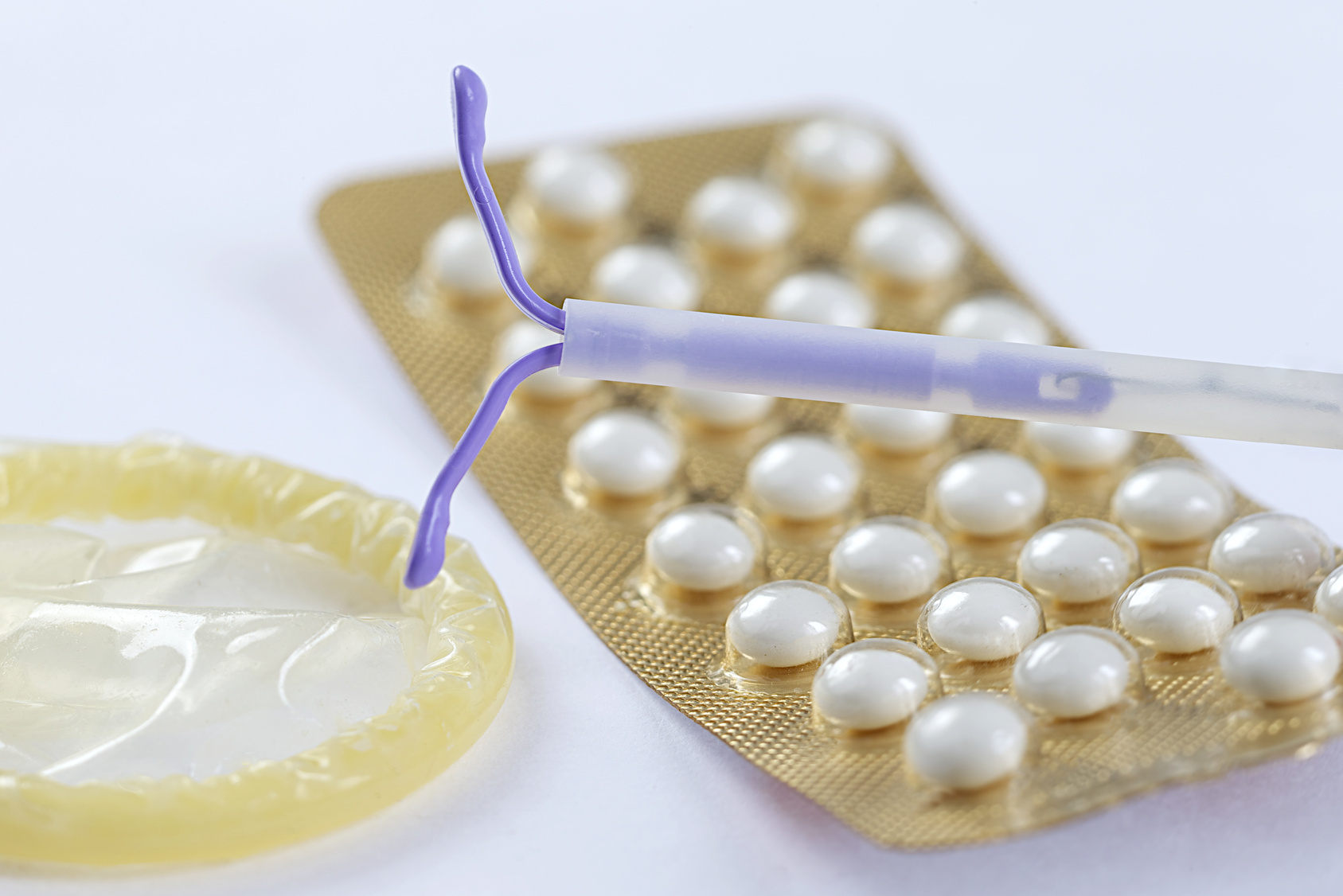
MYTH # 5. There are only 3 contraceptive options: the condom, the pill and the IUD

Although these three methods are the best-known, there are 15 different methods of contraception (the available options differ in each country). Unfortunately -for women- there are only two choices for men (the male condom and permanent sterilisation). Women have a choice of about 13 methods, including several of long-acting reversible contraception -this means you don’t need to remember to take it or use it every day or every time you have sex.

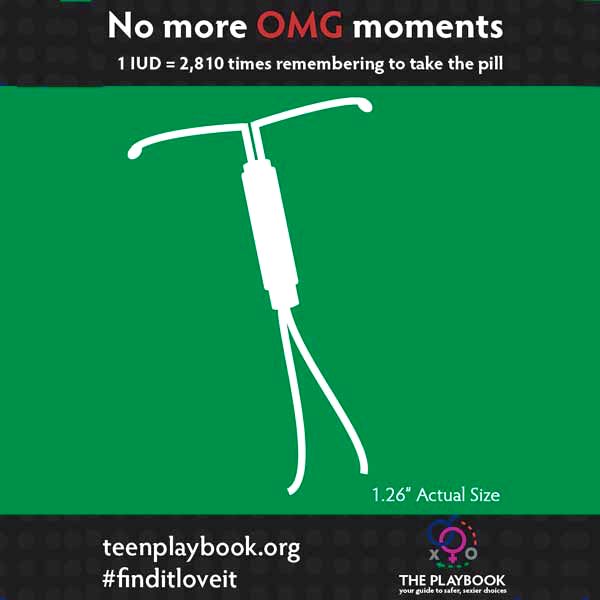
MYTH # 6. The IUD is not suitable for teenagers and women without children

Contraception myths IUD in teens 1

In the USA, 44% of adolescent girls ages 15 to 19 have had sexual intercourse. Although most of them have used contraception, teenagers frequently use methods with high failure rates -such as withdrawal, or they incorrectly use more reliable methods -such as the pill. In fact, 8 out of every 10 adolescent pregnancies are unintended.

The intrauterine device (IUD), a small device that is inserted into the uterus, has been traditionally reserved to women who have had children. However, new guidelines issued by the American College of Obstetricians and Gynecologists have changed this old perception: the IUD, together with the contraceptive implant, are considered now first-line contraceptive options for sexually active adolescents and young women, as they are the most effective reversible contraceptives for preventing unintended pregnancy, with about 99% effectiveness.

Of course, the IUD and the implant do not protect against sexually transmitted infections, therefore you should also use condoms for that purpose.

MYTH # 7. You can’t get pregnant if it’s the first time you have sex, or if you don’t have an orgasm

Contraception myths sex first timeThese persistent misconceptions are, unfortunately, still responsible for many unplanned pregnancies. If the intercourse takes place during your fertile period, you may become pregnant, whether it’s the first or the hundredth time you’ve had sex, whether you liked it or not.

MYTH # 8. Two condoms are better than one

Contraception myths two condomsCondoms may occasionally break. Many people think that using two condoms (also known as “double bagging”) is safer than using one. Actually, it’s exactly the opposite: using two condoms causes friction between them, increasing the risk of breakage. Thus, two condoms should not be used, neither for pregnancy prevention or for safer sex; this is also true for using a male and a female condom at the same time. When used properly, a male condom  is 98% effective at preventing pregnancy, a female condom is 95% effective.

MYTH # 9. I can use any lubricant together with the condom

Contraception myths personal-lubricant

During intercourse, adding lubricant may ease penetration, so sex is pleasurable and not painful. This is important when, for many reasons (such as stress, medications, taking the pill, etc) the natural wetness of the genital area is reduced.

Lubricants can be made from water, oil, petroleum or silicone; however, when using condoms, water-based lubricants should be used: oil-based products such as petroleum jelly, creams, or baby oil and can damage the latex and make the condom more likely to split, resulting in no contraceptive protection.

Silicone-based lubricants are a newer form of lubrication; they are safe to use with condoms. However, they can be harder to wash off and may cause irritation.

MYTH # 10. If you take the pill for many years, you won’t be able to have children in the future

Contraception myths the pillThis is another very common misconception. After stopping the oral contraceptive pill you may get pregnant immediately, but sometimes it may take two or three cycles for your fertility to fully return, no matter how long you have been using it. Some studies have shown that, within a year after going off the pill, 80% of women trying to get pregnant will get pregnant – exactly like women who were never on the pill.

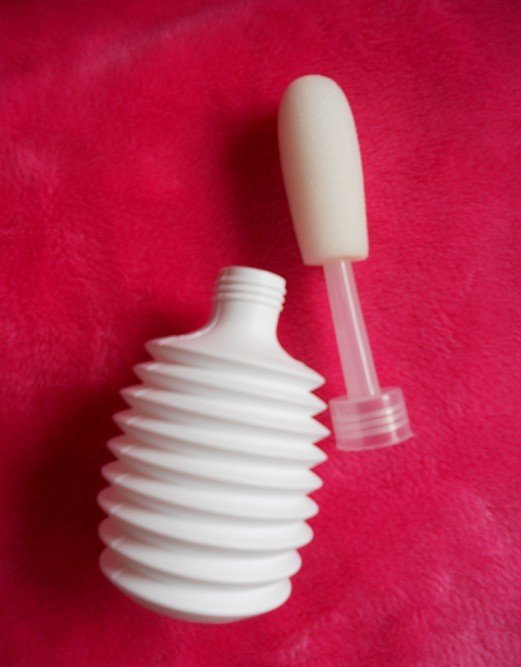
MYTH #11. You don’t get pregnant if you douche right after sex

Contraception myths vaginal doucheVaginal douching (washing out the vagina) after sex won’t help to prevent a pregnancy. Again, this has to do with spermatozoa being fast swimmers. By the time a woman starts douching, sperm are already well inside the uterine cervix, where no douching solution can reach them.

In fact, you should never douche: douching can lead to many health problems, including problems getting pregnant, vaginal infections and sexually transmitted infections.

MYTH #12. I’m breastfeeding so I can’t get pregnant

Contraception myths breastfeeding

While you’re less fertile when breastfeeding, you may become pregnant; there is no accurate way to predict when fertility returns, even if you breastfeed exclusively. You may not menstruate for several months after giving birth, but at some point you will have your first ovulation -where you can get pregnant- and this will occur two weeks before you get your first period.

Thus, when nursing you should use birth control if you wish to avoid pregnancy.

MYTH # 13. You’re only fertile one day a month

If you have a regular cycle of 28 days, the ovulation usually occurs the 14th day of your cycle. But it’s not only that day that you are fertile. As said before, sperm can live in the cervix for up to 5 days, waiting for the egg to be released. Studies have shown that most pregnancies result from intercourse that takes place during a six-day period ending on the day of ovulation. Once the egg leaves the ovary, in about 24 hours it dies, and the fertile period is over.

However, even in women with a perfectly regular cycle, the hormonal balance involved in the ovulation process can be disrupted by many factors: stress, medications, etc, leading to an earlier or delayed ovulation. Thus, trying to avoid a pregnancy by just having intercourse on the “safe” days can be difficult and may eventually result in an unwanted pregnancy.

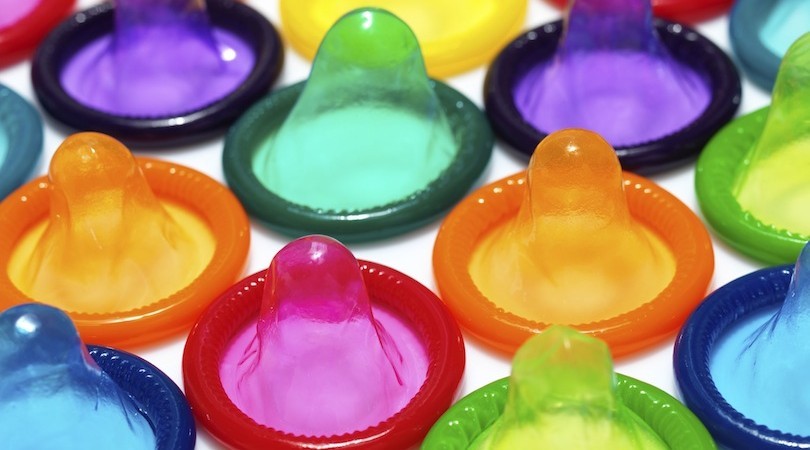
MYTH # 14. I don’t need a condom because I’m taking the pill

Contraception myths condomsA survey conducted in France showed that “…one in ten young women ages 15 to 20 is not aware that the pill does not protect against HIV and sexually transmitted infections”. In fact, the only contraceptive method that offers protection against STIs is the condom. Even other barrier methods, such as the diaphragm, do not to keep bacteria out of the vagina, and the pill and IUD offer no STI protection at all.


The bottom line:

Don’t be afraid to talk to a doctor about birth control! True, discussing contraception and sexual practices with a healthcare professional may be embarrassing… but it’s better to discuss ways to prevent an unintended pregnancy rather than dealing with one after it happened!

You can do your research before scheduling an appointment -there are many good sites to learn useful information about birth control – but a doctor will help you decide which is the best contraceptive method for you, and how to use it in a proper way.

Knowledge is empowerment! Learn your choices, be aware of the dangers of irresponsible sexual practices, be the advocate for your own sexual health!


Find out more about contraception here:

Centers for Disease Control and Prevention, USA. Contraception

National Health System, UK. Your contraception Guide

FPA UK. My contraception tool


Photo credits

Intro: evoke.ie; 1: your-life.com; 2: aboutgettingpregnant.com; 3: keepcalm-o-matic.co.uk; 4: pinterest.com; 5: xonecole.com; 6: teenplaybook.org; 7: geekandjock.com; 8: contraception.about.com; 9: hackcrow.com; 10: telegraph.co.uk; 11: aliexpress.com; 12: fidias.net; 13: dailymail.co.uk; 14: blog.path.org; bottom line: contraception-about.com.

PREGNANCY SYMPTOMS: WHAT TO EXPECT THE FIRST TRIMESTER

Embed from Getty Images

Pregnancy usually comes with a lot of joy… but sometimes it can be pretty overwhelming! Especially the first trimester, when your body starts changing. These changes are not the same for all women, though: while some women feel great and full of energy, others feel completely miserable…

Food cravings, nausea, mood swings… You have most likely heard about these pregnancy symptoms, but… what is normal? What to do about them? When to call your doctor?

In this article you will find a list of 16 common symptoms you may experience during the first trimester of pregnancy (weeks 0 to 13), you will learn why they happen, what you can do about them, and when to call your doctor -or midwife.

1) Abdominal cramping and backache

Pregnancy symptoms back painWhy it happens: one of the earliest pregnancy symptoms, this slight cramping confuses many women who believe they’re about to have their period. Abdominal and back pain are caused by normal, mild uterine contractions related to the increasing pregnancy hormones.

What can you do about it: nothing, unless pain gets intense or comes with vaginal bleeding.

When to call your doctor: if you experience strong pain, or if you have pain and bleeding, in order to rule out certain pregnancy complications (see vaginal bleeding) or other conditions unrelated to pregnancy.

2) Acne

Pregnancy symptoms acneWhy it happens: this is a very common symptom -pimples appear in about 50% of women- and sometimes can be quite intense. The β-HCG hormone (beta – human chorionic gonadotrophin), which raises from the beginning of pregnancy has androgenic effect (mimics male hormones), leading to increased skin oil production and the appearance of acne.

What can you do about it: most of medications used to treat acne are not allowed throughout pregnancy -isotretinoin, one of the most effective acne medications is also one of the most dangerous during pregnancy. Be patient! pregnancy acne will resolve after childbirth.

In the meantime, just get some good medication-free skin care:

  • wash your face and body with a gentle cleanser, alcohol and oil-free,
  • avoid over-cleansing as it may have the opposite effect,
  • shampoo regularly and avoid oily hair mousse,
  • do not pop your pimples, since it may cause permanent scarring.

When to call your doctor: If your acne is severe, you may consult a dermatologist to get the most adequate care for your skin type.

3) Bloating and constipation

Pregnancy symptoms constipationWhy it happens: during pregnancy a hormone called progesterone relaxes the bowels wall and slows down their activity in order to allow the absorption of more nutrients to feed your growing baby. The downside: you may feel bloated, gassy and get frequently constipated.

What can you do about it: 

  • increase your fiber intake,
  • avoid foods that cause bloating (beans, cauliflower, etc),
  • drink plenty of fluids,
  • engage in physical activity.

When to call your doctor: if constipation really bothers you, ask your doctor for a laxative or stool softener that is safe for pregnancy.

4) Breast swelling and tenderness

Pregnancy symptoms breast pain 2Why it happens: your breasts, under the influence of the high hormones, start getting ready for breastfeeding, thus they engorge and receive more blood supply; this will cause tenderness and swelling.

What can you do about it:

  • wear a support bra (you may need to get a bigger size),
  • avoid lacy or wired bras.

When to call your doctor: if you get severe breast pain or redness, or if you palpate any lump.

5) Dizziness and fainting 

Pregnancy symptoms dizzinessWhy it happens: your blood vessels dilate to increase blood supply to the womb and to your baby, leading to a drop in blood pressure, which can make you feel dizzy, lightheaded, or even faint. Dizziness can also be due to low blood sugar, especially if you are not eating adequately.

What can you do about it:

  • avoid prolonged standing,
  • rise slowly when you get up from sitting or lying down,
  • be especially careful if you drive or execute activities that require special concentration,
  • eat healthy, frequent meals (every two to three hours),
  • drink plenty of fluids to raise your blood pressure.

When to call your doctor: if your experience intense dizziness, especially if you have bleeding or intense abdominal pain, to rule out a miscarriage or an ectopic pregnancy (see vaginal bleeding).

6) Fatigue and sleepiness

Pregnancy symptoms fatigueWhy it happens: from early pregnancy, your body has some extra work to do! Your metabolism increases and you start preparing the placenta; these changes together with the high progesterone levels are responsible for this constant feeling of drowsiness and intense fatigue. Your body reminds you that you should get some rest, so you will be stronger to carry your baby!

What can you do about it:

  • take naps and rest when possible,
  • eat healthy,
  • drink plenty of fluids,
  • avoid standing up for long periods of time.

When to call your doctor: if you feel that your drowsiness affects your daily activities, inform your doctor who can rule out other possible causes of fatigue such as anemia. If you have intense sleepiness together with negative feelings, hopelessness or sadness, inform your doctor to rule out depression.

7) Food cravings, food aversions

Pregnancy symptoms cravingWhy it happens: the sudden hormonal increase changes your food tastes; therefore, you may get food cravings -a sudden and intense urge to eat something in particular, which may eventually be quite unusual- or food aversion -repulsion for certain foods, even with the thought of them.

It is believed that during pregnancy our body asks for what it needs -hence cravings- and makes us reject things we don’t need or may be harmful, such as aversion to cigarette in smokers (unfortunately, this is not always the case).

What can you do about it:

Cravings:

  • Go ahead and indulge yourself with what you crave, provided that you generally follow a balanced and healthy diet,
  • when you crave for unhealthy foods, try to avoid excess: eat one scoop of ice cream, not the whole 1-kilo carton!
  • if cravings are too frequent, try to do activities to distract yourself so that you don’t think about food all the time: go for a walk, talk to a friend, read a book, go to the movies…

Aversions:

  • Most food aversions will go away after the first trimester, so most likely you will be able to eat meat or drink milk again thereafter,
  • if you keep having aversion to certain foods, try to find healthy substitutes for what you can’t tolerate, e.g., have calcium-fortified cereals if you can’t drink milk.

When to call your doctor: If you crave for clay, ashes or dirt -a condition called pica– as this can be really dangerous for you and your baby; if your food aversions are too intense and followed by frequent vomiting (see Nausea and vomiting).

8) Frequent urination

Pregnancy symptoms frequent urinationWhy it happens: you may notice from very early in pregnancy that you need to pee more often. As your body blood flow increases with pregnancy, more blood goes to the kidneys in order to flush more waste products out of your body; this leads to increased urine production. Urination is more frequent during the night because the fluid you had retained in your legs during the day will get reabsorbed when you lie down. In addition, as the uterus grows it starts putting pressure on the bladder.

What can you do about it:

  • don’t hold you urine, as this can predispose you to urinary infections,
  • avoid too much caffeine (coffee, tea, cola drinks) since they have diuretic effect,
  • don’t drink too much before going to bed.

When to call your doctor: If, besides frequent urination, you feel burning or pain when you pee, or you see blood when wiping: these can be signs of a urinary tract infection.

9) Headaches

Pregnancy symptoms headacheWhy it happens: headaches occur frequently early in pregnancy mostly due to the increased hormone levels; but low blood pressure, low sugar, anemia or dehydration can all worsen headaches. Women who had migraines before getting pregnant may experience worsening in the first trimester, but usually improvement as the pregnancy progresses.

What can you do about it:

  • drink plenty of fluids,
  • eat frequent meals,
  • get some rest when possible.

When to call your doctor: If headaches persist, check with your doctor whether you can take acetaminophen (Tylenol), which is usually allowed throughout pregnancy. Contact you doctor if your headaches are too intense, do not subside with Tylenol or are accompanied by visual disturbances or other symptoms.

10) Heartburn, heavy stomach

Pregnancy symptoms heartburn 2Why it happens: Again, progesterone is responsible for relaxing the sphincter (ring of muscle) that separates the stomach from the esophagus; this leads to acid reflux.

What can you do about it:

  • eat small, frequent meals, don’t eat too much before going to bed,
  • avoid too spicy, greasy, acidic or sweet foods,
  • don’t lie flat, sleep with two or more pillows to have your head at a higher level than your body.

When to call your doctor: if you can’t cope with heartburn, ask your doctor to prescribe you an antiacid medication that is safe for pregnancy.

11) Mood swings

Pregnancy symptoms mood swingsWhy it happens: mostly because of your hormones, but eventually increased by your dizziness, nausea or other pregnancy symptoms, you may feel at times irritated or depressed, anxious or out of energy, overjoyed or panicked! Is not only hormones,  though. Pregnancy will bring major changes to your life, so it’s natural to worry about many things: whether your will make it through labor and delivery, if you baby will be fine, whether you will be a good mother, if the relationship with your partner will be affected, etc, etc… Most women will also become more forgetful; while this is normal, it may be quite frustrating…

What can you do about it:

  • talk about it, find someone who can listen to you: your partner, a family member, a friend, or other mums-to-be,
  • ask for understanding and support, not only psychological but also physical: if you can’t do certain activities at work or a home, let someone help you,
  • get some rest: you may feel worse if you are tired or sleep-deprived,
  • engage in activities that calm you down and relax you; mild exercise can also help.

When to call your doctor: if you feel constantly down or overwhelmed, if you have negative or suicidal thoughts, if you can’t go ahead with your daily life; in these situations you may need professional help.

12) Nausea and vomits

Pregnancy symptoms nauseaWhy it happens: nausea is one of the commonest pregnancy symptoms (occurs in about 85% of pregnancies). It is not fully understood why it happens, but it seems to be related to β-HCG levels: the higher levels, the more nauseous you may feel (e.g., women carrying twins).

Nausea and vomits usually start around the 6th week of pregnancy and persist until week 13, although they may last up to the 16th – 20th week, or more rarely beyond 20 weeks. They can be of variable intensity, for some women very mild, for others very severe, leading to continuous vomiting. Nausea may be more intense during the morning -that’s why it’s called morning sickness– although this is not always the case.

What can you do about it:

  • nausea gets worse when you have empty stomach, therefore, have frequent and small meals,
  • foods with high starch content may relieve nausea (crackers, potatoes, rice, pasta), but each woman find which foods can tolerate and which not,
  • avoid food with strong smell or taste,
  • ginger can help (either raw ginger, ginger ale or ginger pills),
  • accupressure, motion sickness wristbands and vitamin B6 can also be effective,
  • stress and tiredness can worsen nausea, therefore try to get plenty of rest,
  • keep drinking to avoid dehydration, but drink small amounts of fluids at a time, since large amounts can make nausea worse.

When to call your doctor: if nausea doesn’t allow you to eat or drink anything, or if you can’t stop vomiting, your doctor can prescribe you certain medications that may be helpful. Sometimes intense vomiting may lead to dehydration, a condition called hyperemesis gravidarum, which requires admission to a hospital for rehydration and intravenous treatment.

13) Nosebleed, stuffy nose, gum bleeding

Pregnancy symptoms stuffy noseWhy it happens: blood flow increases in pregnancy, and your gums and nasal lining are very fragile and bleed easily. Gums may bleed when you brush your teeth. Nosebleeds may appear when you blow your nose; you may also notice that your nose gets more easily congested, also as a result of the increased blow flow to the nose’s mucous membranes.

What can you do about it:

  • keep seeing regularly your dentist to rule out certain gums problems, which are common in pregnancy and may increase bleeding,
  • switch to a softer toothbrush,
  • to stop nose bleeding pinching your nose for a few minutes should help,
  • for your nose congestion you may use a humidifier, or try a saline nasal spray,
  • don’t use nose spays or other decongestants without checking with your doctor.

When to call your doctor: if your gum or nose bleeding are heavy or too frequent. If your nose congestion gets too intense and you can’t breathe.

14) Smell intolerance, increased sense of smell

Pregnancy symptoms smellsWhy it happens: many women won’t stand certain strong smells, either from food, cosmetics or others sources, triggering nausea or vomits. This sensitivity to smells is hormone-related; it is said that nature prepares you to “sense” dangerous threats in order to protect your baby.

What can you do about it:

  • avoid foods with intense smell,
  • you may need to stop cooking for a while -if possible,
  • don’t use scented cosmetics if the smell bothers you; this is also true for laundry soap, softeners, air fresheners, etc.

When to call your doctor: in case your smell intolerance leads you to intense vomiting (see Nausea and vomits).

15) Vaginal bleeding

Pregnancy symptoms vaginal bleeding 2Why it happens: Bleeding during the first trimester is extremely common (it happens in about 25% of pregnancies) and is usually of no concern. A slight bleeding may be due to the implantation of the embryo in the uterus; sometimes a small detachment of the sac from the uterine cavity -or subchorionic bleeding- may be the reason; an inflammation of the cervix may occasionally cause slight bleeding (mainly with intercourse). Sometimes though, bleeding can be worrisome, i.e., when related to threatened miscarriage or ectopic pregnancy (a pregnancy outside the uterus).

What can you do about it:

  • keep track of the amount and characteristics of the blood,
  • don’t have intercourse, don’t use tampons,
  • according to the cause of the bleeding, you may be asked to get some bedrest, and refrain from heavy work or heavy lifting.

When to call your doctor: If you see blood, you should inform your doctor, even if you have light bleeding, as it may not be always easy to understand when bleeding is to worry about. But you should call your doctor right away (or go to the emergency room) if you have heavy bleeding, cramps (like intense period pain), or sharp pain in your abdomen, as these can be signs of miscarriage or ectopic pregnancy.

16) Vaginal discharge

Pregnancy symptoms vaginal discarge 2Why it happens: Your high hormones are responsible for an increase in vaginal discharge, that should be white or clear, and thin.

What can you do about it:

  • you can wear panty liners, but you should not wear tampons,
  • prefer cotton underwear,
  • avoid string or thong underwear that may cause intense rubbing, which together with the increased discharge can favor yeast or other infections.

When to call your doctor: if you have discharge that is yellow, green or foul-smelling, or if you have intense itching or burning.


Stay tuned! More posts with symptoms to expect during the second and third trimester of pregnancy will follow…


References

  • NICE: Antenatal Care- Routine Care for the Healthy Pregnant Woman. March 2008, UK
  • HAS: Comment mieux informer les femmes enceintes? Avril 2005, France
  • American College of Obstetrician and Gynecologists: Nausea and vomits, Vaginal bleeding

Photo credits

Cover: Getty images; 1) dornascostasnuncamais.com.br; 2) babycenter.com; 3) adriseaplanes.eu; 4) thealphaparent.com; 5) pregnancymagazine.com; 6) womenshealthcaretopics.com; 7) motherandbaby.co.uk; 8) ladycarehealth.com; 9) momjunction.com; 10) ladycarehealth.com; 11) fitbottomedmamas.com; 12) not-equal.eu; 13) womenshealthcaretopics.com; 14) health-and-parenting.com; 15) zliving.com; 16) privatepregnancy.co.uk

FASHION VICTIM? 14 FASHION TRENDS THAT CAN BE BAD FOR YOUR HEALTH

Models present creationby British fashion designer Alexander McQueen for his Ready to Wear Spring Summer 2010 fashion collection, presented in Paris, Tuesday Oct. 6, 2009. (AP Photo/Michel Euler) France Fashion

As the saying goes, “Beauty is pain”… And that’s so true: those six-inch stilettos may be killing your feet, but your legs look amazing; you can hardly breath when wearing your spanx, but it smoothes beautifully your contour; tattoos and piercing are the ultimate fashion accessory, even if you have to suffer to get them…

But can fashion trends be harmful for our health?

While people are becoming increasingly aware of the devastating effects of extremely low body weight, the health risks of what we wear are less known…

Check out these 14 fashion trends that can represent health hazards, and read what you can do to overcome them…

UNDERWEAR

1) Thongs, strings, synthetic underwear

Fashion thongWhile they may look great under your skinny trousers, thongs and strings have been blamed for causing yeast infections, urinary infections, vulvar irritation and hemorrhoids.

Actually, no scientific evidence supports these claims, but some women do realise that, when wearing thongs, some problems show up. And there are possible explanations for that:

  • Thongs and strings are usually made of synthetic fabrics, which are non-breathable, as opposed to cotton underwear. This means that more moisture remains trapped in the genital area, favouring the development of infections, particularly yeast infections.
  • The thin and close-fitting band of material at the crotch of the thong may transfer bacteria from the anus to the vagina and the urethra, predisposing to bacterial vaginosis and bladder infections (read more here).
  • Thongs can also provoke genital irritation. Either because they are too narrow to provide effective barrier effect against clothes-induced irritation, or due to excessive rubbing, tight underwear may cause micro-abrasions of the genital area, resulting not only in vulvar pain and burning sensation, but also predisposing to vaginal infections and urinary tract infections.
  • Whether thongs cause hemorrhoids is less clear, but women who already have hemorrhoids may eventually get intense irritation due to constant underwear rubbing.

The bottom line: If you are prone to urinary or vaginal infections, or if you find that every time you wear thongs you get an infection, then you should avoid them. For a woman without predisposition to infections, thongs, strings and synthetic underwear do not seem to be dangerous, especially if worn occasionally.

2) Tight bras, wired bras

Fashion braBras are sexy, they provide support and mould breast contour, they can even help “increase” or “reduce” breast size. However, bras have been linked to different health problems.

It has been suggested (mostly by internet rumors and badly-designed studies) that bras, especially those underwired, may cause breast cancer by obstructing breasts’ lymphatic flow, which is in charge of clearing different toxins that may be present in the breasts. Several studies have been conducted to address this issue, none of them confirmed these fears (read more here).

However, too-tight bras do seem to pose other health problems, such as breast pain, back and neck pain, breathing problems, impaired digestion and skin diseases (such as lipomas and fungal infections) due to intense pressure.

The bottom line: A recent French study has challenged the benefits of bra wearing. While most of us won’t dare to go braless, avoid ill-fitting bras, as well as continuous use of wired bras.

3) Shapewear

Fashion spanxThese undergarments, intended to slim our body and smooth its contour, have become an essential piece in most women closets, with many celebrities swearing by them. They do make us look fabulous, but watch out! They can cause serious health problems: heartburn, breathing problems, yeast infections, nerve compression (see skinny jeans), and even potentially lethal blood clots.

The bottom line: Choose the size of shapewear that fits correctly on you; if you don’t feel comfortable, most likely you are not wearing the adequate size or type for you, therefore increasing the risk of health problems. Moreover, do not wear them for long periods of time.

ACCESORIES 

4) Heavy bags

Fashion Chanel-Hula-Hoop-BagLarge bags are trendy, and very practical as we can carry plenty of things inside them: our wallet, make-up, a water bottle, umbrella and sunglasses, even our laptop! But how burdensome are they for our body? Experts agree on that: heavy bags are responsible for neck, back and shoulder pain; and when used repeatedly, they may lead to muscle spasm, arthritis, sciatica, even spinal misalignment. This is also true for heavy backpacks.

The bottom line: Find ways to avoid carrying excessive weight all the time. It may not be easy, but it is certain that you will find inside your bag some items that can stay at home…

5) Jewels

Fashion large earrings resizedYou can find a great deal of beautiful and cheap jewelry around, but be careful! They can pose serious health risks. Costume jewelry can lead to nickel allergy in susceptible women, causing rash, itching, and redness. But more worrisome, dangerous heavy metals have been found in faux-bijoux, such as lead, cadmium, chromium, mercury and even arsenic…

In addition, many cases of ear lobe tears or “split” occur in women wearing heavy, large earrings, which in some cases require surgical repair.

The bottom line: Try to “get real” and choose hypoallergenic jewelry made from stainless steel, titanium, yellow gold (white gold can contain nickel), sterling silver, copper and platinum.

To avoid earring accidents, do not wear them very often or when injuries are possible, i.e., while practising sports.

6) Piercing

Fashion piercingBody piercing has become increasingly trendy; according to a study, people get piercing mainly “to express individuality”. But piercing is not devoid of risks:

The bottom line: Before taking the decision of getting pierced, get informed, know the risks, choose a reputable piercing studio and be very careful while your piercing is healing.

7) Tattoos

Fashion tatto waistTiny or full-body, black or colorful, minimal or true artwork, we can find them in the most unimagined body parts (think the eyeballs!).

They have huge fans and sworn detractors, but there is no doubt that tattoos have become a social phenomenon: according to the Pew Research Center, 38 percent of Americans aged 18 to 29 have at least one tattoo… The reasons why tattoos became so popular have to do with the influence of the television (the reality show Miami Ink), some celebrities getting inked, and of course, social media… Therefore, it is very pertinent what Pew researchers pointed out: tattoos represent something of a trademark for Millennials…

But could this must-have fashion accessory be literally “to dye for”?

There are certainly risks related to tattoos, some of which have been known for a long time now, such as:

  • Infection: most commonly bacterial infections (caused by Staphylococcus), usually at the tattoo site, but more rarely evolving to serious, generalized infections; in addition, hepatitis, HIV, warts and herpes may occur with use of contaminated needles.
  • Allergies: to ink pigments, causing itching, swelling and redness of the tattooed area; red pigments seem to be the most allergenic. These reactions can be very difficult to treat, and rarely, the tattooed area needs to be surgically removed.
  • Scarring: this can happen from getting, but also when removing a tattoo.
  • Granulomas: they are small bumps that may develop as a body reaction to pigments.

As tattoos became increasingly common, more rare side effects have come out:

  • Rare infections: besides the above-mentioned, infections with a bacteria called mycobacteria, which had contaminated ink pigments have been reported.
  • MRI complications: tattoos may get burnt while undergoing MRI, due to the presence of iron in black pigments (red pigments can also have iron).
  • Reactions to sun exposure (photosensitivity): tattoos exposed to the sun may become itchy, red and swollen.
  • Hiding skin cancer: there are case where tattoos covered up skin cancers, preventing them from being found at an earlier stage.
  • Severe allergic reactions: leading to ulcerations, gangrena and even leg amputation.

You may click here to see some serious complications of tattoos  (I warn you though, some pictures can be shocking).

The bottom line: Think before you ink!  Inform yourself, understand the risks… And if you still decide to go ahead, plan carefully:

  • the tattoo’s design: it would be a good idea to start with a small one, to check for possible bad reactions;
  • on which body part: there are places that may be more painful, with more difficult healing, or with higher risk of complications;
  • when: while healing, you should avoid tattoo’s exposure to sun and water bodies;
  • where: it is essential that you choose a reputable tattoo studio with experienced artists, where hygiene standards are respected and good quality inks are used.

Once you got your tattoo, you should be extremely careful until it heals, usually a couple of weeks.

You should consider tattoos a something permanent; tattoos’ removal may be difficult, and have eventually bad aesthetic results.

FOOTWEAR

Stilettos, peep-toes, wedges, flats, sandals, lace-ups: it is not a secret that we LOVE shoes. Manolo Blahnik, Christian Louboutin and Jimmy Choo’s have become our objects of desire… But can we be stylish and have “happy feet” at the same time? Well, you should know that certain shoe styles can hide some dangers:

8) High heels

Fashion high heelsFrequent high-heel use for extended periods can cause many problems, from ankle strains to muscle fatigue, osteoarthritis of the knee, irreversible damage of the Achilles tendon, to headaches and sciatic pain. Stilettos are particularly harmful, as the leg’s weight is concentrated in a tiny area, increasing the risk of ankle sprain.

9) Ill-fitting shoes

Fashion narrow shoesWearing shoes that are too loose or too tight can lead to a series of foot problems, such as corns, calluses, bunions, in-grown toenails, or intense foot pain (metatarsalgia).

10) Flats

Fashion flatsTheir lack of arch support can cause knee, hip and back pain, as wells as a painful foot condition know as plantar fasciitis.

11) Platforms and wedges

Fashion wedgesThe higher the platform, the less foot flexibility, “locking” the foot and leading to ankle sprains or even fractures.

12) Flip-flops

Fashion flip flopsSince feet are so exposed, they predispose us to foot injuries or splinters; this is the reason why diabetic persons should not wear flip-flops. In addition, due to the lack of arch support, they can lead to plantar fasciitis or painful knees, hips, or back when used for long periods of time.

The bottom line: You don’t have to say goodbye to your favourite spike heels, but try not to use them every day, all day long. Prefer well-fitted, anatomic shoes or those with heels that are no more than 2 inches high. Orthotic inserts can provide support and padding to relieve aching feet, especially when wearing flats.

CLOTHING

13) Synthetic fabrics

Fashion spandex outfitPolyester, acrylic, nylon and spandex may cause skin irritation, known as dermatitis, and this can be a greater problem in susceptible, allergic persons. Dyes and other chemicals added to fabrics may also pose health risks.

In addition, since these fabrics do not allow adequate sweat evaporation, they can lead to vaginal yeast infectionsskin or foot fungi (the latter known as athlete’s foot).

The bottom line: Go natural by wearing cotton, silk, linen, wool or other natural fabrics; check the clothing tags! If your skin is too sensitive or if you are just conscious about the environment, avoid chemical dry cleaning and wash your clothes in a “green”detergent.

14) Tight pants, skinny jeans

Fashion skinny jeans 2Most of us have been occasionally struggling to get into our favourite skinny jeans. But these garments do not come without risks; what’s more, they have even earned their own syndrome!

  • Tight pants syndrome: abdominal discomfort and distention, palpitations and heartburn, all happening in women -and men- wearing ill-fitting pants with waistbands smaller than their bellies…
  • Skinny pants syndrome: or “ tingly thighs” (the scientific name is meralgia paraesthetica), a tingling or burning sensation on the outer part of the thigh due to the compression of a nerve of the leg.

Other more rare health problems may the consequence of wearing tight trousers:

  • The compartment syndrome may happen in women wearing very tight jeans which provoke intense leg compression, this in turn interrupts the leg’s blood flow, potentially leading to muscle and nerve injury.
  • Persistent pressure exerted by tight trousers may lead to a breakdown of fatty tissue of the thighs, causing a condition called lipoatrophia semicircularis.

The bottom line: Do not wear tight, skinny pants for long periods of time, and be aware of any sign of compression; if so, stick to wider pants for a while… There are plenty of stylish models to choose from!


Related reading:

  • Safety of cosmetics: read here
  • Beauty treatments during pregnancy: read here


Photo credits:

Model catwalk: 5why.com.au; thong: etsy.com; bras: s8thisnext.com; shapewear: target.com; heavy bags: popsugar.com; jewels: beautytipsntricks.com; piercing: bubblegumink.com; tattoos: pinterest.com; high heels:  pinterest.com; ill-fitting shoes: polyvore.com; flats:pinterest.com; platforms and wedges: pinterest.com; flip-flops: etsy.com; synthetic fabrics: pinterest.com; tight pants, skinny jeans: wheretoget.it


PHTHALATES LINKED TO PREGNANCY LOSS -AND OTHER HEALTH PROBLEMS

Embed from Getty Images

A recent study came -again- to incriminate certain environmental toxins known as phthalates as being responsible for pregnancy losses. Women undergoing assisted reproduction techniques (in-vitro fertilization or intra-uterine insemination) had urine exams to assess the presence of certain phthalates; it became evident that women with high levels of phthalates had up to three times increased risk of pregnancy loss. The study was recently presented at the Annual Meeting of American Society for Reproductive Medicine (ASRM).

For several years now we have been hearing about the toxic effects of phthalates, but what are they exactly? Where do we find them? Are they really harmful? Check out this article to learn more about these enigmatic toxins…

What are Phthalates?

Phthalates are chemicals used to soften plastics and make them more flexible (they are also known as plasticizers). These substances do not bound to plastics, therefore they are continuously released into the air, foods or liquids. Certain phthalates are used as dissolving agents for other materials.

Where do we find them?

Phthalates are used in an astounding array of products. They are most commonly found in:

  • Plastic bottles.Phthalates plastic bottles
  • Plastic containers and plastic wraps.
  • Cosmetics: in creams and lotions (to help them penetrate and soften the skin), in perfumes (to help them last longer), in hair sprays (to reduce stiffness), in nail polish (to prevent chipping), in deodorants, soaps, shampoos and almost every cosmetic with fragrance, including baby products.
  • Household products: air fresheners, paints, plastic flooring.
  • Plastic toys and other baby products such as teethers.
  • Certain medical devices, e.g., blood bags, intubation tubes, intravenous catheters.
  • Objects made of vinyl or PVC.
  • Phthalates are present even in seemingly unexpected sources. One example is milk: even in glass bottles, high levels of phthalates have been found, presumedly due to the plastic tubing used in milking machines.

We get exposed to phthalates by:

  • Ingestion: eating food contaminated from food packaging; drinking beverages from plastic bottles that leach the chemical; sucking plastic objects (e.g., baby toys, teethers).
  • Absortion: using cosmetics products. According to the CDC, women of childbearing age have the highest levels of phthalates, possibly due to the use of cosmetics.
  • Inhalation: breathing dust or fumes from products containing vinyl (vinyl floors, the interior of cars, shower curtains, etc).

Which are the most commonly used phthalates?

Phthalates perfumeThese chemicals have very difficult names, but there are a few you may want to keep in mind (see the studies below):

-In cosmetics: the primary phthalates used in cosmetic products have been dibutylphthalate (DBP), used in nail polishes; dimethylphthalate (DMP), used in hair sprays; and diethylphthalate (DEP), used as a solvent and fixative in fragrances. According to latest survey of cosmetics conducted by the Food and Drug Administration (FDA) in 2010, DBP and DMP are being used rarely, while DEP is the most commonly used phthalate. The use of DBP and DEHP is banned in the European Union  but they are still found in cosmetic products.

-In food packaging: the most commonly used is Di-(2-ethylhexyl) phthalate (DEHP). Bisphenol-A (BPA) is not a phthalate, but is also being used as plasticizer in food packaging and plastic bottles.

-In paints, plastic and PVC objects, solvents and adhesives: DEHP, Diisobutyl phthalate (DIBP) and DBP (also called DnBP).

-In children toys and child care products: In the USA, phthalates used in these products have been divided in three categories:Phthalates toy ducks

  1. permanent ban (permanently prohibits the sale of any “children’s toy or child care article” individually containing concentrations of more than 0.1% of DBP, BBP or DEHP);
  2. interim ban (prohibits on an interim basis the sale of “any children’s toy that can be placed in a child’s mouth” or “child care article” containing concentrations of more than 0.1% of DNOP, DINP, or DIDP); and
  3. currently unrestricted under Section 108 of the Consumer Product Safety Improvement Act of 2008 (DMP, DEP, DIBP, DCHP, DIHEPP, DIOP, DPHP).

Similar recommendations apply in Europe, where the six above-mentioned products are banned.

What is the evidence linking phthalates to pregnancy losses?

In addition to the recent American study (where they measured metabolites of DEHP), two previous studies had found a relationship between phthalates and miscarriages:

In 2012, a Danish study  found an increased risk of early pregnancy loss in women with high urine levels of DEHP‘s breakdown products. More recently, a Chinese study, comparing urine samples of women who had miscarriages and healthy women found that pregnancy loss was associated with higher levels or three phthalates: DEP, DBP, and di-isobutyl phthalate (DiBP).

Another American study also found and increased risk of miscarriages in women with high levels of BPA.

Eliminating phthalates and BPA from our lives is virtually impossible, but you can take some measures to minimize exposure, especially if you are trying to conceive, are pregnant or have young children”

Are there any other health risks?

Phthalates are widely known as endocrine disruptors: they mimic hormones, interfering with their function. Some possible consequences of this are:

Effect on male fertility: phthalate exposure in men was associated with reduced fecundity.

Birth defects in baby boys: several studies have found abnormalities in baby boys’ genitals when pregnant women were exposed to high levels of certain phthalates; another study found increased risk of hypospadias (the opening of the urethra is on the underside of the penis) in occupational exposure of pregnant women.

Neurological problems in newborns, infants and children: such as attention deficit hyperactivity disorder (ADHD), reduced IQ, behaviour problems.

Obesity: both in children and adults.

Asthma: in children when pregnant women were exposed to high level of phthalates.

Interference with puberty in girls: the evidence is inconsistent on this subject; while some studies found that phthalates may be related with precocious puberty, others reported delayed puberty.

Breast cancer: a small study showed increased breast cancer risk, but the evidence is not conclusive; there is a large study being conducted in the USA, which will provide more clear answers on this matter.

What can I do to reduce exposure to phthalates?

Phthalates glass food containersEliminating phthalates and BPA from our lives is virtually impossible -they seem to be everywhere- but you can take some measures to minimize exposure, especially if you are trying to conceive, are pregnant or have young children:

  1. Read labels on personal care products. Unfortunately, manufacturers are not forced to list phthalates, and  they can be added as a part of the “fragrance.” Many companies have voluntarily removed phthalates from their products, so you may search for products labelled as “phthalate-free”.
  2. Limit the use of baby care products in babies and young children.
  3. Don’t microwave food in plastic, or use only “microwave safe” and phthalate-free containers to microwave food or drinks. Phthalates can leach from containers (or plastic wrap) into foods on contact and when heated, particularly oily foods or with a high fat content. Don’t put plastic containers in the dishwasher (heat will increase phthalates leaching).
  4. Replace plastic bottles, cups, dishes and food containers with those made of glass, porcelain or stainless steel, especially for hot food and beverages.
  5. Check labels on plastic bottles and containers: choose only those with recycle codes 1, 2, 4, or 5. Plastics made of polyethylene terephthalate (PET) or high-density polyethylene (HDPE) are safer than those made of PVC (“PET” or “HDPE” may be printed on the label or the bottom of the bottle).
  6. Use only toys and toothbrushes labeled “phthalate- free”. There are strict regulations banning the most dangerous phthalates in toys and baby products, both in the USA and in Europe.
  7. Reduce your use of canned foods, as they are often lined with material that contains BPA. Prefer fresh products or those in glass containers. Avoid canned milk (including canned formula for babies).
  8. Phthalates baby bottlesChoose only bottles and cups that are BPA-free. In fact, BPA was banned in all baby products in 2011 in Europe, and since 2012 in the USA.
  9. When using paints or solvents, keeps the area well ventilated. Prefer natural paints, phthalate-free (DBP is the phthalate usually used in these products).
  10. Choose non-vinyl products, such as shower curtains, raincoats or furniture, as the chemical off-gassing from these products introduces phthalates to your environment.
  11. Keep your house clean, as phthalates can remain in dust.
  12. Avoid air fresheners; prefer essential oils instead.

Is anything being done?

Phthalates safe cosmeticsAs people are becoming more aware of the harmful effects of phthalates, increasing information is being available to consumers; websites such as the Campaign for Safe Cosmetics have actively advocated the elimination of dangerous chemicals from cosmetics and personal care products. As a result, certain companies and retailers have been taking measures to reduce toxic substances in their products.

Initiatives are also being taken at governmental level. European authorities have restricted the use of phthalates in some baby products, cosmetics, and plastics designed to come into contact with food; more phthalates will be soon banned from medical equipment, electrical and electronic devices. Recently, a very extensive Report to the U.S. Consumer Product Safety Commission by the Chronic Hazard Advisory Panel on Phthalates and Phthalates alternatives (CHAP) analyzed the available data on each phthalate and phthalates alternative and provided recommendations, which will hopefully lead to banning certain phthalates that proved to be toxic.


Photo credits

Getty Images; Reciclado creativo, Flickr.com; Etienne, Flickr.com; Pixabay.com; Target.com; Alicia Voorhies, Flickr.comjillsamter.com

THE HPV VACCINE: WHY IS IT CONTROVERSIAL?

The HPV vaccine has been around for almost 10 years and more than 175 millions doses have been distributed in 63 countries, with several studies confirming its safety and efficacy. In spite of that, the vaccine still remains a subject of controversy. Although recommended by most scientific societies worldwide, some recent reports questioning its safety fuelled even more the debate, dividing both general public and medical community.

Embed from Getty Images


In this article we will analyse the existing evidence regarding the HPV vaccine, with particular focus on its efficacy and safety. In order to organise the available information, the article will be divided into the following sections:

  1. Getting to know HPV
  2. Why a vaccine? The burden of HPV-related diseases
  3. The three available HPV vaccines
  4. Vaccination schedule and timing 
  5. Efficacy of the HPV vaccine
  6. Safety of the HPV vaccine
  7. Recent safety concerns: the chronicle of events
  8. Other debatable issues
  9. Unanswered questions…
  10. Conclusion

1. Getting to know HPV

HPV vaccine cure cancer awarenessHPV (human papillomavirus) is a virus and is transmitted from person to person through skin-to-skin contact.

  • HPV infection is extremely common, and most of the times it will be cleared by the immune system.
  • Of the over 100 types of HPV, about 12 subtypes of the HPV (mostly subtypes 6 and 11) may cause genital warts (also known as condylomas). These so-called “low-risk types” can also cause a rare condition called recurrent respiratory papillomatosis, in which warts grow in the throat.
  • Approximately 15 types of HPV (most commonly types 16 and 18) are related to cancer. While cervical cancer is the most common HPV-related cancer, this virus can also cause other cancers: vulvar, vaginal, anal and oropharyngeal (mouth and throat),  as well as penile cancer in men.

You can read more detailed information on HPV here.


2. Why a vaccine? The burden of HPV-related diseases
HPV vaccine every 2 minutes a woman diesThese figures will give you and idea of the magnitude of the problems caused by HPV:

-Worldwide, over 500,000 new cervical cancer cases are diagnosed annually. Cervical cancer ranks as the 4th cause of female cancer in the world and is the 2nd most common female cancer in women aged 15 to 44 years (1).

In the United States, an estimated 26,000 new cancers are attributable to HPV each year, about 17,000 in women and 9,000 in men (2) .

In Europe, about 58,000 new cases of HPV-related cancers are estimated to occur every year (3).

-Regarding  precancerous lesions, the estimated annual burden of high-grade precancerous lesions ranges between 280,000 and 550,000 new cases per year in Europe (4).

-In addition to cancers and precancerous lesions, the problem of genital warts should also be taken into consideration. Genital warts are very common: 1 out of 10 persons will have condylomas at some point in their lives (the frequency varies according to different countries between 0,3 and 12 %) (5). About 800,000 new annual genital warts cases are estimated to occur in women and men in Europe (4). Although not life-threatening, the costs derived from their treatment and their psychological burden should not be neglected.


3. The three available HPV vaccines
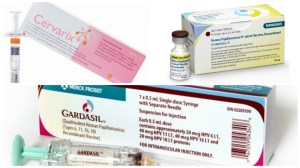
HPV vaccine collageFrom 2006, 2 vaccines have been available: One bivalent (Cervarix®), directed against HPV types 16 and 18, responsible for about 70% of cervical cancers  and other HPV-associated cancers; the other quadrivalent (Gardasil® of Silgard® in different countries) containing 4 HPV types:16 and 18, together with HPV 6 and 11 which are responsible for more than 90% of genital warts.

In December 2014, the American Food and Drug Administration (FDA) approved a nine-valent vaccine, Gardasil 9® (6), which, besides the 4 strains contained in Gardasil (i.e., 6,11,16,18), includes types 31, 33, 45, 52, and 58, responsible for an additional 20% of HPV-related cancers (4). Gardasil 9 has also been recently approved for commercialisation in Europe (7).


4. Vaccination schedule and timing 
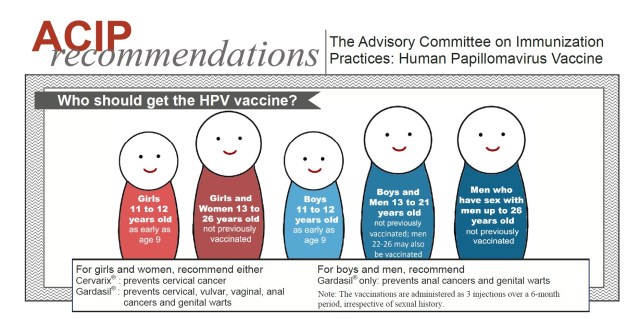
HPV vaccine who should get it ACIPinfographic

  • Vaccines are given as a 3-dose series, Gardasil at 0, 2 and 6 months, Cervarix at 0, 1 and 6 months (8).
  • In the States, The Advisory Committee on Immunization Practices (ACIP) and  the American College of Obstetrician and Gynecologists (ACOG) recommend that girls be routinely vaccinated at age 11 or 12 years.
  • Since 2010 boys have been included in the vaccination schedule in the USA, with the same schedule as girls.
  • If not vaccinated when they were younger, girls/young women and boys/young men should be vaccinated through age 26 (9).
  • Vaccine may be given starting at age 9 years (9, 10).
  • A reduced, 2-dose schedule is recommended by the World Health Organization (WHO) for those aged 9-13 years; this schedule is not recommended by the ACIP but it has been adopted by many countries.HPV vaccine Protect your children
  • Earlier vaccination (before age 14) results in higher immune response. Another argument in favor of early vaccination is the fact that vaccines are more effective before the onset of sexual activity (8).
  • Vaccination is recommended regardless of sexual activity or known HPV infection. Although vaccines seem to be less effective in sexually active people, some benefit is expected to be attained since exposure to all types of HPV included in the vaccines is very unlikely. Testing for HPV is NOT recommended before vaccination.
  • The vaccines are prophylactic, that is, they do not prevent progression of existing infection to disease or treat existing disease. (2)
  • The HPV vaccine is covered by most private health insurance and government insurance programs worldwide. Vaccinations schedules may vary in different countries.
  • There seems to be additional protection by the vaccine in women through age 45, as showed by certain studies (11). However, there is no recommendation for vaccination in individuals aged 26 to 45.
  • The same schedule applies for Gardasil 9 (0, 2 and 6 months). Revaccination with the nine-valent vaccine is not recommended in persons who previously completed the three-dose series with the bivalent or or quadrivalent HPV vaccine (8).

5. Efficacy of the HPV vaccine

HPV Vaccine Charlene-Choi1The ultimate goal of the HPV vaccine is to reduce the incidence of HPV-related cancers. For obvious ethical reasons, the endpoint set to evaluate the HPV vaccine efficacy in different studies was precancerous lesions, namely CIN 2 and 3 (high risk lesions of the cervix, with potential to evolve to cancer). Other efficacy endpoints evaluated were incidence of HPV infection and incidence of condylomas.

Studies conducted before licensure showed that both vaccines achieved a high level of protection: 98-100% for the HPV types included in the vaccine in a naive population (that is, women who did not have HPV 16 or 18 at the time of  vaccination),  although the protection against precancerous lesions was 30-40% in the total vaccinated cohort (which included women who did not finish their immunization plan, or that were already infected with the virus before vaccination) (12, 13, 14, 15). There was also cross-protection for other types of HPV (i.e., HPV 45 and 31), which was more intense with Cervarix (16).

HPV vaccine AustraliaThe impact of vaccination on the general population has also been analysed in some studies. Australia was the first country to introduce an organised HPV vaccination program, achieving one of the world’s highest vaccination compliance rates.  Since 2007, when the National HPV vaccination program started with the quadrivalent vaccine, HPV infections from the types included in the vaccine decreased from 29% to 7% (17); a 93% reduction in the diagnosis of genital warts was also observed (18). Moreover, other recent studies showed an almost 50% reduction of  high-grade cervical precancerous lesions in women who had received all required doses of the vaccine (19).

Denmark also counts with an organised vaccination program. Six years after licensure of the quadrivalent HPV vaccine, a reduction of cervical precancerous lesions was observed, which was 80% in younger patients (20).

Recently, a study was conducted to evaluate the efficacy of the nine-valent vaccine. Gardasil 9 prevented 97% of high-grade precancerous lesions of the cervix, vulva, and vagina caused by the five new high-risk HPV types (HPV31/33/45/52/58) (21). The nine-valent vaccine also generated immune responses to HPV6/11/16/18 that were as good as or better than those generated by the quadrivalent vaccine. (4, 22)


6. Safety of the HPV vaccine

Many studies have evaluated HPV vaccine safety, both before their commercialisation and post-release, which demonstrated no differences in side effects as compared to control groups, irrespective of age and ethnicity (23).

HPV vaccine armed against cancerAccording to the CDC, the most commonly reported side effects of the vaccines are:

  • Pain, redness, or swelling in the arm where the shot was given
  • Fever
  • Headache or feeling tired
  • Nausea
  • Muscle or joint pain

Fainting (also known as syncope) and related symptoms (such as jerking movements) is not uncommon (24), especially in teenagers. For that reason, it is recommended that people receiving the HPV vaccine sit or lie down during vaccination, and remain seated for 15 minutes after the shot. (23)

Considering the target age of vaccination (which includes women in reproductive age), pregnancy outcomes received special attention. No increase in miscarriage rates has been reported for either of the vaccines (25). In addition, pregnant women that were recorded and observed in registrative trials did not have increased rate of congenital abnormalities (26, 27, 24).

Studies have also demonstrated efficacy and safety of the vaccines in men, both in heterosexual and men who have sex with men (28).

Serious side effects are very rare (less than 0.5%) (29), the most common being persistent headache, hypertension, gastroenteritis, bronchospasm and anaphylaxis. Their reported incidence is similar to that of other compulsory vaccines types (30).

HPV vaccine third pokeCertain side effects have been a matter of concern since the introduction of the vaccine, namely autoimmune diseases (AD) (i.e., hypothyroidism, rheumatoid arthritis, Behçet’s syndrome, Raynaud’s disease, type 1 diabetes, and vitiligo), neurological disorders (such as epilepsy, paralysis, Guillain–Barré syndrome, central demyelination, and multiple sclerosis) and venous thromboembolism (a blood clot that plugs a vein). It should be mentioned that ADs are not rare in adolescents and young adults, particularly in women. Therefore, it is a real challenge to distinguish causal from temporal association. A recent study gathered the results of 9 large studies (of which one was an analysis of 42 trials together, or metanalysis) in order to investigate severe adverse reactions after the HPV vaccine. None of the included studies found evidence of increased risk of autoimmune disease, neurological disorder, or venous thromboembolism (31).

The Global Advisory Committee on Vaccine Safety (GACVS), established by the World Health Organization (WHO) provides independent, scientifically rigorous advice on vaccine-safety issues. In December 2013, the committee reviewed different topics and considered all available evidence on the safety of HPV vaccines, and concluded that both commercially available vaccines are safe (32). Likewise, the International Federation of Gynecology and Obstetrics (FIGO) Gynecologic Oncologic Committee and Subcommittee for Cervical Cancer Prevention support the continued administration of the HPV vaccines in appropriate populations (33).

7. Recent safety concerns: the chronicle of events 

HPV vaccine Japanese_SchoolgirlsAlthough some isolated cases of side effects had been described in UK and Australia (34), Japan was the first country reporting on several girls suffering from severe pain and disability; these cases were heavily publicised in newspapers, TV news and social media, but they also alarmed the medical community. Japanese physicians published later on a series of 44 girls who were diagnosed with complex regional pain syndrome (CRPS) (35). Due to these concerns, in June 2013 the Japanese Ministry of Health, Labour, and Welfare (MHLW) decided to suspend its active recommendation of HPV vaccination. This decision created intense debate among scientists and general public, which continues until nowadays (34).

In March 2015, Denmark‘s TV channel TV2 aired a documentary entitled The Vaccinated Girls – Sick and Betrayed. The journalists gathered about 60 girls from all over Denmark who became sick shortly after receiving the HPV vaccine. Among the doctors interviewed is Louise Brinth, who examined approximately 80 girls with similar symptoms potentially caused by the HPV vaccine. Dr. Brinth noted that the girls experience symptoms such as dizziness, passing out, and severe headaches. She said, “They have abdominal pain and nausea. They have weird muscle movements they cannot control. And they’re very tired… We see a pattern that screams to heaven, and that should be examined by some solid research.”

HPV vaccine Danish documentaryIn April 2015, Dr. Brinth reported in a scientific journal on 53 patients complaining of orthostatic intolerance, severe headache, excessive fatigue, cognitive dysfunction, gastrointestinal discomfort and widespread pain. Most of them were diagnosed with a rare syndrome known as postural orthostatic tachycardia syndrome (POTS), and all of them were in close temporal association with the HPV vaccine (36a, 36b).

Denmark’s documentary has had a huge impact worldwide, both in the general public and the medical community. A closed Facebook page set up for suspected victims of adverse reactions to Gardasil in Denmark tripled its -careful verified- members; similar Facebook groups were created in other countries.

At the request of Denmark, The European Medicines Agency (EMA) is currently conducting a safety review of HPV vaccines. However, the agency emphasizes that this review “does not question that the benefits of HPV vaccines outweigh their risks.”The agency also notes that while the review is being carried out, no change in the use of these products is recommended. See the EMA’s review conclusions here.

HPV vaccine reactions independent UKIn May 2015, UK’s newspaper The Independent published an article entitled: Thousands of teenage girls report feeling seriously ill after routine school cancer vaccination. The article focuses on the story of Emily Ryalls, 17, who started feeling intense pains and difficulty breathing soon after receiving the HPV vaccine.

Mrs Ryalls reported Emily’s symptoms to the Medicines and Healthcare Products Regulatory Agency (MHRA), and she was not alone: adverse reactions after HPV vaccination numbered 8,228, of which 2,587 were classified as “serious”; that’s substantially more that those reported with other compulsory vaccines (see graph). The MHRA, though, said it had no concerns on the numbers of adverse reactions related to the HPV vaccine and that the “expected benefits in preventing illness and death from HPV infection outweigh the known risks”.

Emily’s mother, together with other 80 families in similar situation across the UK have formed the Association for HPV Vaccine Injured Daughters (AHVID).

As stated by the newspaper “This article created significant debate among medical professionals, journalists and members of the public…”.

HPV vaccine France fiasco SV-1136-vaccin-HPVIn France, the National Security Agency of Medicines and Health Products (ANSM) just published (September 2015) the results of the follow-up of more than 2 million girls aged 13-16 years, vaccinated between 2008 and 2013 to evaluate the occurrence of side effects, mainly autoimmune diseases. When analysed all the diseases together, their results showed no overall increased risk of occurrence of serious events. However, when each disease was analysed individually, a four-fold increase in the occurrence of Guillain Barre syndrome was observed. The study also found an increased risk of Inflammatory Bowel disease, but the association was weak.

The authors conclude: “…the results of the study… prove reassuring regarding the risk of autoimmune disease associated with the HPV vaccines. The expected benefits of this vaccination in terms of public health are far greater than the eventual risks the girls may be exposed to” (37). In spite of these “reassuring” results, the vaccination rate in France continue to be low (less than 30%).

HPV vaccine POTSIn September 2015, another report provided details on 45 individuals from 13 countries who developed a chronic ailment soon after receiving the HPV vaccine. “A disabling syndrome of chronic neuropathic pain, vexing fatigue, and profound autonomic dysfunction may appear after HPV vaccination,” say the authors, headed by Manuel Martínez-Lavín, MD, a specialist in chronic pain conditions from Mexico City. After a mean period of 4 years following HPV vaccination, 93% of individuals “continue to have incapacitating symptoms and remain unable to attend school or work,” write the authors (38).

POTS after HPV vaccination has also been reported in the United States.  Dr. Blitshteyn, a neurologist from New York, described six patients who developed POTS between 6 days and 2 months after HPV vaccination. All patients reported improvement over 3 years, but residual symptoms persisted (39).

The US Food and Drug Administration (FDA) and the Centers for Disease Control and Prevention (CDC) emphasised that controlled clinical trials in tens of thousands of individuals plus postlicensure monitoring of millions of individuals have found no causal association between HPV vaccination and atypical pain syndromes or autonomic dysfunction.
HPV vaccine Diane HarperDr. Diane Harper, an american obstetrician & gynecologist, is one of the HPV experts called in to design the clinical trials of Gardasil and Cervarix.  Although initially in favour of the vaccine, in recent years she has questioned Gardasil safety. She stated that “Gardasil has been associated with at least as many serious adverse events as there are deaths from cervical cancer developing each year”. Moreover, in an article published in December 2009 she concluded that, given the various limitations and risks of the vaccines, the benefits and risks of HPV vaccination must be weighed with the benefits and risks of HPV screening (Pap smears) to reduce cervical cancer in a cost-effective manner (40).

Dr. Harper does not support mandatory HPV vaccination for schoolchildren, because she believes that the duration of protection may be too short (see below). She has also criticised the short period of time vaccines were tried before its licensure,  and the misleading publicity carried out by the pharmaceutical companies. Learn more here.

8. Other debatable issues

Vaccination in boys

HPV vaccine is cancer prevention.

The rationale of vaccinating boys is to reduce the transmission of the HPV virus to women and to protect them against oral and anal cancers (41). Since these cancers are very rare, it has been questioned by some scientists whether is it worth to expose millions of boys to potential vaccine side effects in order to protect girls, or to prevent a so rare type of cancer (responsible for just 300 deaths in the USA); whether the benefit outweighs the risk and if men vaccination is cost effective. While countries such as Australia and the USA include boys in their vaccine recommendations, other countries (i.e., UK and France) have not yet adopted this measure.

Men who have sex with men are a special category, since they are at higher risk of anal cancer. Thus, some experts believe these men (and not every boy) should be offered the vaccine. However, this measure may be difficult to implement: in order get covered by their insurance or social security, young men may be required to declare their sexual preferences.

Immunogenicity of Gardasil vs. Cervarix
HPV vaccine ArgentinaImmunogenicity means the ability of the vaccine to provoke an immune response; in other words, the “strength” of the vaccine.

Most countries adopted vaccination with Gardasil instead of Cervarix assuming equal protection for cancer, with the “bonus” protection against genital warts. But is it really like this?

Several studies have demonstrated that Cervarix elicits stronger and longer-lasting immune response than Gardasil (42, 43).

These laboratory findings have also been confirmed by some clinical studies: Over the years, the efficacy of the Cervarix to protect vaccinated women from precancerous lesions (total vaccinated cohort-naive) was 93%, while Gardasil’s dropped to 43% (44)

Age of vaccination

HPV vaccine school girlThis subject has also raised intense debate and concern. As stated above, immune response provoked by the vaccines may be of limited duration, especially for Gardasil. This can be a serious limitation of the vaccine because, as Dr. Harper noted “… if the HPV vaccine does not last for at least 15 years, no cancers will ever be prevented; women will just get the cancers at a later time in life after the vaccine has worn off“.

If this short protection span is confirmed by clinical studies, a boost dose would solve this limitation. However, this would increase considerably the cost of the vaccine; moreover, women who don’t comply with this recommendation will become unprotected over time.

Increase of promiscuity?

Many people feared that the the HPV vaccine would lead girls to promiscuous behavior. This was actually investigated by some studies, and have proved not to be true: no increase in sexually transmitted diseases was observed among vaccinated girls (45), showing that vaccination is unlikely to promote unsafe sexual activity.

9. Unanswered questions…

  • HPV cancer vaccine flyer - 8-1/2 x 11Will the HPV vaccine reduce cervical cancer deaths in real-world conditions?
  • In light of the latest publications, should vaccination programs be halted until the situations is clarified?
  • Due to these latest concerns, will more women opt for no vaccination, missing the opportunity to be protected against cancer?
  • Since the syndromes potentially related to vaccines are difficult to diagnose, is it possible that they have been underreported in the past? Could they possibly become over reported in the future?
  • Will the vaccine create a false sense of full protection against cervical cancer, resulting in less women attending screening programs?
  • Will the vaccine lead to a reduction of the HPV types included in the vaccine, but to an increase of those not included in the vaccine?

10. Conclusion

HPV vaccine End-cervical-cancer-posterIt is indeed exciting to have a vaccine that protects against cancer. After seeing women dying from cervical cancer, I truly wish that cervical cancer will be eradicated in the future. But we MUST be sure that we don’t create more harm than good in the process.

HPV vaccine smear for a smear campaignI am in favor of vaccines. Vaccines have done a lot of good to humanity (just imagine if we would still have small pox, or poliomyelitis…). It is true that every single medical practice may come with side effects, and this include vaccines. But we MUST know exactly what are the vaccine risks, and whether the benefits outweigh the risks.

I firmly believe that governments, scientific societies and pharmaceutical companies MUST do an effort to inform people in a responsible and honest manner, so that all of us -young people, parents and physicians- continue to believe in good science, and vaccines don’t lose their credibility.

It will take 10 to 20 years to figure out the true benefit of the HPV vaccine. In the meantime, keep in mind that Pap tests never killed anyone, on the contrary, they have saved millions of lives. Therefore, don’t forget your Pap smear!


Read on the latest events related to the HPV vaccine here.


References

  1. International Agency for Research on Cancer, World Health Organization. Globocan 2012: Estimated Cancer Incidence, Mortality and Prevalence Worldwide in 2012
  2. CDC Grand Rounds: Reducing the Burden of HPV-Associated Cancer and Disease. Morbidity and Mortality Weekly Report (MMWR) January 31, 2014 / 63(04);69-72
  3. Human Papillomavirus and Related Diseases Report. hpvcentre.net March 20th, 2015
  4. Hartwig S, et al: Estimation of the epidemiological burden of HPV-related anogenital cancers, precancerous lesions, and genital warts in women and men in Europe: Potential additional benefit of a nine-valent second generation HPV vaccine compared to first generation HPV vaccines. Papillomavirus Research, In Press (Available online 16 June 2015)
  5. Patel H, et al: Systematic review of the incidence and prevalence of genital warts. BMC Infectious Diseases 2013, 13:39
  6. “FDA approves Gardasil 9 for prevention of certain cancers caused by five additional types of HPV” (press release). 10 December 2014.
  7. Gardasil® 9: new HPV vaccine approved in the European Union. The European Commission grants marketing authorisation for the first 9-valent HPV vaccine” (press release) Sanofi Pasteur MSD, June 17, 2015.
  8. Human Papillomavirus Vaccination. The American College of Obstetricians and Gynecologists, Committee Opinion Number 641, September 2015
  9. Recommendations on the Use of Quadrivalent Human Papillomavirus Vaccine in Males — Advisory Committee on Immunization Practices (ACIP), 2011. Morbidity and Mortality Weekly Report (MMWR), December 23, 2011 / 60(50);1705-1708
  10. Markowitz L, et al: Quadrivalent Human Papillomavirus Vaccine Recommendations of the Advisory Committee on Immunization Practices (ACIP). Morbidity and Mortality Weekly Report (MMWR), March 23, 2007 / 56(RR02);1-24
  11. Castellsagué X, et al: HPV vaccination against cervical cancer in women above 25 years of age: key considerations and current perspectives. Gynecologic Oncology 115 (2009) S15–S23
  12. Villa L, et al: Prophylactic quadrivalent human papillomavirus (types 6, 11, 16, and 18) L1 virus-like particle vaccine in young women: a randomised double-blind placebo-controlled multicentre phase II efficacy trial. Lancet Oncol 2005; 6: 271–78
  13. The FUTURE II Study Group: Quadrivalent Vaccine against Human Papillomavirus to Prevent High-Grade Cervical Lesions. N Engl J Med 2007;356:1915-27
  14. Paavonen J, et al: Efficacy of human papillomavirus (HPV)-16/18 AS04-adjuvanted vaccine against cervical infection and precancer caused by oncogenic HPV types (PATRICIA): final analysis of a double-blind, randomised study in young women. Lancet, Vol 374, No. 9686, p301–314, 25 July 2009
  15. Lehtinen M, et al: Overall efficacy of HPV-16/18 AS04-adjuvanted vaccine against grade 3 or greater cervical intraepithelial neoplasia: 4-year end-of-study analysis of the randomised, double-blind PATRICIA trial. Lancet Oncol, Vol 13, No. 1, p89–99, January 2012
  16. Harper D: Prophylactic human papillomavirus vaccines to prevent cervical cancer: review of the Phase II and III trials. Therapy 2008, 5 (3), 313-324
  17. Tabrizi SN, et al: Fall in human papillomavirus prevalence following a national vaccination program. J Infect Dis. 2012; 206(11):1645-1651
  18. Mariani L, et al: Early direct and indirect impact of quadrivalent HPV (4HPV) vaccine on genital warts: a systematic review. Adv Ther, 32 (2015), pp. 10–30
  19. Crowe E, et al: Effectiveness of quadrivalent human papillomavirus vaccine for the prevention of cervical abnormalities: case-control study nested within a population based screening programme in Australia. BMJ 2014;348:g1458 
  20. Baldur-Felskov B, et at: early impact of Human Papillomavirus Vaccination on cervical Neoplasia—Nationwide Follow-up ofYoung Danish Women. J Natl Cancer Inst (2014) 106(3): djt460 doi:10.1093/jnci/djt460
  21. Joura E, et al: A 9-Valent HPV Vaccine against Infection and Intraepithelial Neoplasia in Women. N Engl J Med 2015; 372:711-723
  22. Petrosky E, et al: Use of 9-Valent Human Papillomavirus (HPV) Vaccine: Updated HPV Vaccination Recommendations of the Advisory Committee on Immunization Practices. Morbidity and Mortality Weekly Report (MMWR), March 27, 2015 / 64(11);300-304
  23. Center for Disease Control and Prevention. Human Papillomavirus (HPV) Vaccine Safety. Updated September 28, 2015
  24. Slade BA, et al: Postlicensure safety surveillance for quadrivalent human papillomavirus recombinant vaccine. JAMA, 2009;302(7):750–757
  25. Wacholder S, et al: Risk of miscarriage with bivalent vaccine against human papillomavirus (HPV) types 16 and 18: pooled analysis of two randomised controlled trials. BMJ 2010;340:c712
  26. Garland SM, et al: Pregnancy and infant outcomes in the clinical trials of a human papillomavirus type 6/11/16/18 vaccine: a combined analysis of five randomized controlled trials. Obstet Gynecol 2009;114(6):1179–1188
  27. Dana A, Buchanan KM, Goss MA, et al. Pregnancy outcomes from the pregnancy registry of a human papillomavirus type 6/11/16/18 vaccine. Obstet Gynecol. 2009;114(6):1170–1178
  28. Moscicki A, et al: HPV in men: an update. J Low Genit Tract Dis. 2011 Jul; 15(3): 231–234
  29. Gonçalves AK, et al: Safety, tolerability and side effects of human papillomavirus vaccines: a systematic quantitative review. Braz J Infect Dis, Vol 18, Issue 6, Nov–Dec 2014, Pages 651–659
  30. Lu B, et al: Efficacy and safety of prophylactic vaccines against cervical HPV infection and diseases among women: a systematic review and meta-analysis. BMC Infect Dis. 2011;11:13
  31. De Vincenzo R, et al: Long-term efficacy and safety of human papillomavirus vaccination. International Journal of Women’s Health 2014:6 999–1010
  32. World Health Organization. Global Advisory Committee on Vaccine Safety, 11–12 December 2013: Human papillomavirus vaccines safety (HPV). Wkly Epidemiol Rec. 2014;89(7):58–60
  33. Denny L: Safety of HPV vaccination: a FIGO statement. Int J Gynaecol Obstet. 2013;123(3):187–188
  34. Wilson R, et al: HPV Vaccination in Japan. The Continuing Debate and Global Impacts. A Report of the CSIS Global Health Policy Center. April 2015
  35. Kinoshita T, et al: Peripheral Sympathetic Nerve Dysfunction in Adolescent Japanese Girls Following Immunization with the Human Papillomavirus Vaccine. Intern Med 53: 2185-2200, 2014
  36. a: Brinth L, et al: Suspected side effects to the quadrivalent human papilloma vaccine. Dan Med J 2015;62(4):A5064 b: Brinth L, et al: Orthostatic intolerance and postural tachycardia syndrome as suspected adverse effects of vaccination against human papilloma virus. Vaccine, 2015 May 21;33(22):2602-5
  37. Vaccination contre les infections à HPV et risque de maladies auto-immunes : une étude Cnamts/ANSM rassurante – Point d’information 13/09/2015
  38. Martínez-Lavín M, et: HPV vaccination syndrome. A questionnaire-based study. Clinical Rheumatology pp 1-3. Online 10 September 2015
  39. Blitshteyn S. Postural tachycardia syndrome following human papillomavirus vaccination. Eur J Neurol, Vol 21, 1, 135–139, 2014
  40. Harper, D: Current prophylactic HPV vaccines and gynecologic premalignancies. Current Opinion in Obstetrics and Gynecology 2009, 21:457–464
  41. Giuliano A, et al: Efficacy of Quadrivalent HPV Vaccine against HPV Infection and Disease in Males. N Engl J Med 2011;364:401-11
  42. Einstein M, et al: Comparative immunogenicity and safety of human papillomavirus (HPV)- 16/18 vaccine and HPV-6/11/16/18 vaccine: follow-up from months 12-24 in a Phase III randomized study of healthy women aged 18-45 years. Human Vaccines, vol. 7, no. 12, pp. 1343–1358, 2011
  43. Barzon L, et al: Neutralizing and cross-neutralizing antibody titres induced by bivalent and quadrivalent human papillomavirus vaccines in the target population of organized vaccination programmes. Vaccine, vol. 32, no. 41, pp. 5357–5362, 2014
  44. Di Mario S, et al: Are the Two Human Papillomavirus Vaccines Really Similar? A Systematic Review of Available Evidence: Efficacy of the Two Vaccines against HPV. Journal of Immunology Research, Volume 2015 (2015), Article ID 435141, 13 pages
  45. Jena A, et al: Incidence of Sexually Transmitted Infections After Human Papillomavirus Vaccination Among Adolescent Females. JAMA Intern Med. 2015;175(4):617-623


Photo Credits

Intro: Getty images; 1: curecancer.org; 2: m2.behance.net; 3: (collage) wikimedia commons; 4: cityofchicago.org; nkytribune.com; 5: english.cri.cnhpv.health.gov.au; 6: marketingmag.cascontent.cdninstagram.com; 7: Japan: wikimedia commons; Denmark: vaccineimpact.com; UK: independent.co.uk; France: science-et-vie.com; POTS: pinterest.com; Harper: initiativecitoyenne.be; 8: bphc.orgmigueljara.files.wordpress.comlh3.googleusercontent.com; 9: healthvermont.gov; 10: compasscayman.comi.dailymail.co.uk

MY NATURAL HOSPITAL BIRTH STORY

Wonderful. Empowering. Overwhelming. It is difficult to find a word to describe the experience of a vaginal birth. As a mother -who went through this experience-  and obstetrician, even after having delivered thousands of babies, I can’t help but admire every single time the beauty of a vaginal birth, it always feels to me like a perfectly designed choreography…

But the fact that something is natural doesn’t mean that is devoid of risks or complications. Thus, a hospital natural birth allows a woman to deliver with minimum intervention, while assuring peace of mind in case something goes wrong. And believe me, sometimes things DO go wrong, and then we may have just a few minutes to save the mother or the baby… 
True, hospitals can sometimes interfere with the process of a natural birth: measures such as fetal monitoring or the IV line are usually non-negotiable requirements for a hospital birth, but they can be invaluable, even life-saving in case an emergency ensues.
A natural, unmedicated hospital birth IS possible, it’s just a matter of having a motivated mom and a supportive team…
Here, KM shares her experience of a natural birth at a hospital and provides some tips to overcome the obstacles that may present in the process…

Natural Birth KM 2 resized

My Natural Hospital Birth: Overcoming obstacles to get to the birth I had

“I gave birth without pain relief and I consider my fifteen hours of labour as some of my best. My husband turned ace birth partner – a nice surprise, and a lucky one considering we opted not to hire a midwife or doula. We swayed to Don Carlos’s Rivers of Babylon and Simon and Garfunkel’s I am a Rock, among other soothing tunes in our Labour Chill Mix; moo-ed like cows; and got tennis balls rolling on my back. The first ten hours at home and en route to the hospital felt like a date: laughter, teamwork, watermelon juice (it was August, we live in Greece)… and some manageable pain thrown in to rally against together.

Natural Birth KM 1 resizedWhat I found least pleasant about my birth experience wasn’t the pain. It was the hospital admittance process keeping my husband and me apart and waiting. The hospitals I know prioritise hospital practicalities and legal self-protection over emotional wellbeing. Routine procedures like the IV are designed to allow quick and easy access to medical intervention, not for soothing pregnant women to “open up and let the baby out”. We didn’t expect the hospital setting to encourage natural birth, so we worked with my obstetrician ahead of time to overcome the obstacles we could predict.

Having read Birthing from Within and Ina May’s Guide to Childbirth (one of these suggests moo-ing like a cow to relax and open the cervix), attended birthing classes at Eutokia and Babycenter’s online birthing course, we were convinced that the less unnecessary medical intervention the better for both mom and baby. Avoiding unnecessary intervention seems like common sense, but as my obstetrician reminded us: common sense is not so common. We prepared for birth in the country with the highest rate (at 70%) of caesarean births in the world, a Human Rights in Childbirth case study.

Here is what was at stake at the hospital and how we managed each concern:

A. My rights over my body – My obstetrician kept me informed of my choices throughout. Her track record in vaginal births, willingness to explain our options, welcoming attitude to our attempts to be informed all set the stage for mutual respect. When she suggested interventions, we agreed. I had a membrane sweep a day before my due date and had my waters broken when I was about 8cm dilated.

B. My responsibility towards my baby – Protecting my birth experience felt like a first success at parenting. The memory still provides a deep well of confidence that we draw from in the endurance sport of parenting.

C. Recovery time – I was able to walk to the toilet by myself after the birth, and to walk to the nurse’s desk to ask for my baby back.

D. Breastfeeding success – I chose to room in with my baby and I enforced this choice by asking for my baby back. Even though we were “rooming-in”, our baby spent a lot of time out of our sight. My obstetrician informed the hospital staff that I was interested in exclusive breastfeeding and asked that they not to offer formula or water. Leaving the hospital after 24 hours ensured that any accidental feeds during the baby’s long absences from rooming in didn’t sabotage my breastfeeding goals.

E. The opportunity to bond with baby – My obstetrician did her best to remove unnecessary separations between us and our new baby. She arranged some alone time for the three of us before the hospital’s priorities took over again after the birth. She also signed off on our “early” release at 24 hours.

Natural Birth KM 5 resizedEight tips to having a natural birth in hospital: 

  1. Learn about what you can expect. We had read about the “I don’t think I can do this” moment getting through the last couple of centimetres. Knowing about this ahead of time kept us calm and later we laughed in recognition of the predictability of it. Just because childbirth (and breastfeeding, for that matter) is natural, it doesn’t mean that it comes easily or without need for knowledge.
  2. Be vigilant about what you want and get your birthing team on the same page. My husband and I wrote our birth wishes down (see below) and talked them over with each other, our obstetrician and the hospital staff until we reached a version that was more realistic. The process of writing this one pager was invaluable – it helped us become more informed and helped us mentally prepare for what success could look like.
  3. Arrive at the hospital late. On our obstetrician’s advice, we didn’t leave our home until after my contractions were about three minutes apart, ten hours into labour. I credit my obstetrician with sharing this advice, but I imagine that the advice she is able to give varies based on how informed a couple is.
  4. Make yourself at home in the hospital. We dimmed the lights, brought music and admittedly a small suitcase full of other personal touches we didn’t end up using. It turned out that I was focused inward much of the time in the later stages of labour at the hospital and my husband and music were all I needed to feel relaxed. I still claim that having the little suitcase of other supplies was comforting.
  5. Have at least one champion who will be vocal about what you want. There came a time when I was in another zone and talking was difficult. I was lucky to have both my husband and obstetrician fend off well-meaning nurses offering an epidural too late into my labour,  when it was tempting but would have been counter productive. I later roomed with a mom who was given such a late epidural, essentially sabotaging her natural birth efforts after having done most of the hard work.
  6. Rooming in – ask for your baby back! In my experience “rooming in” babies seem to spend a surprising amount of time in some auditorium that parents aren’t allowed even to look into. They are not returned after their individual checks are done but when they are all done, unless you ask.Natural Birth KM 4 resized
  7. Ask for the advice you need to care for your baby yourself – how to change a nappy, how to hold the baby to wash away poop, how to help baby latch onto nipple, how to breastfeed lying down. Many of these are much easier to learn with guided practice rather than through books. I noticed that hospital staff are used to parents who are content to let them handle the baby, but who miss out on learning while in the hospital.
  8. Get out as soon as possible, unless you find the hospital setting a rest from home (my obstetrician suggested I keep an open mind about this since the hospital can be a nice break when there are other children waiting at home). I gave birth at the only Greek hospital at the time that allowed exit after 24 hours, assuming all is well. We fought for our exit and the two couples we roomed with decided to do the same. We were much more relaxed at home and I could stop demanding for my baby back.

The husband adds:

Natural Birth KM 3 resizedPreparation was key to having an excellent birth experience. To support my wife, it was important to be involved, not just by being present for the labour but at an early stage. Reading the books Katerina mentions, Birthing from Within and Ina May’s Guide to Childbirth, were critical to understanding exactly what was going on – and what to expect — at all of the stages of labour, and how panic can cause the process to go into reverse. Doing my homework beforehand allowed me to remain calm and focused. Being involved also created a sense of shared endeavour with Katerina, an important bond necessary for fostering the feelings of trust and safety between us during the labour.

One more thing: if you’re a birth partner, and you have any feelings of self-consciousness about not behaving “seriously” during the labour, get over them. The books were full of useful tips about what to do in specific situations to help Katerina overcome fears and relieve tensions that commonly crop up. If she was going to open up her whole body to let a human out, mooing like a cow was a small ask for me.


BIRTH WISHES

KM & MB

Due date: Sunday, 11 August 2013

Baby details: Our first, a girl, we intend to name her CLLB

Obstetrician: Dr. Liliana Colombero


We are open to any intervention that Dr. Colombero judges is necessary for the safety of mom and baby. We ask that, outside of an emergency, we are informed before any procedures and be allowed to ask questions about the pros and cons. We are aware that things can change suddenly. Below is our best case scenario, as we imagine it today, 9 August 2013. Thank you for taking the time to read our birth wishes. 

HOSPITAL ADMISSION & PROCEDURES 

Once I’m admitted, I’d like to: 

Prep

  • Opt out of being shaved, assuming I’ve shaved myself already.
  • Opt out of the enema, assuming my system has emptied out ahead of time on its own.
  • Have a heparin lock instead of routine IV, assuming I’m not going for an epidural or c-section.

Environment

  • Listen to music and limit outside noise.
  • Dim the lights when visibility isn’t important.
  • Drink water, or other clear fluids.

LABORING AND BIRTH

As long as the baby and I are doing fine, I’d like to:

  • Avoid a cesarean.
  • Avoid being induced with pitocin.
  • Try a membrane sweep before induction by pitocin.
  • Progress in labor without time limits.
  • Not be offered an epidural, unless I request it.

When it’s time to push, I’d like to:

  • Try different positions.
  • Try perineal massage or compress.
  • Push instinctively when I have the urge.
  • Get guidance about how to push during crowning to reduce the chances of perineal tearing.
  • Avoid an episiotomy, unless Dr. Colombero feels that tearing will be very extensive.

After birth, I’d like to: 

  • Have the baby placed on my stomach immediately for skin-to-skin contact.
  • Hold off on the cutting of the umbilical cord until it stops throbbing.
  • Try to nurse immediately.
  • Wait for the placenta to be delivered in its own time, as much as possible.
  • Hold off on procedures (labelling, shots, tests) for an hour to allow for nursing and bonding.
  • Stay together during recovery with my husband and baby as long as possible.

IF CESAREAN IS REQUIRED

  • I would like to be conscious and have skin-to-skin contact with the baby as soon as possible.
  • Please use double-layer sutures to raise my chances of a VBAC in future.
  • I would like to stay together with my baby during recovery, and to breastfeed as soon as possible.

POSTPARTUM 

While recovering, I’d like to: 

  • Choose 24-hour rooming-in with our baby.
  • Have procedures on our baby done in our presence, as much as possible.
  • Breastfeed exclusively.
  • Speak to a lactation consultant as soon as possible.
  • Avoid baby formula, sugar water, or a pacifier being offered to my baby without my consent.
  • Go home as soon as possible, if all is well.”


Do you have any experience to share with us? You may help other women! Send us your story to woman2womenblog@gmail.com