Βάτες, μαλλί χαίτη, ελαφριά ακούσματα και πολύ συνθεσάιζερ: αυτό μας έρχεται στο μυαλό όταν σκεφτόμαστε τη δεκαετία του ’80… Και η Γαλλία ακολούθησε αυτή την τάση: η μουσική σκηνή αυτής της περιόδου κυριαρχείται από την ποπ μουσική, που στα γαλλικά ονομάζεται “βαριετέ”. Παρόλα αυτά, κάποια μεγάλα ροκ συγκροτήματα έκαναν την εμφάνισή τους, και άλλα μουσικά στυλ όπως το πανκ, το new wave και το dance ήταν επίσης παρόντες.
Δείτε αυτήν τη λίστα με τα πιο εμβληματικά τραγούδια της δεκαετίας του ’80:
55) Herbert Léonard, “Pour le plaisir” (1981)
Το τραγούδι αυτό (ο τίτλος σημαίνει “Για την ευχαρίστηση”) το ερμήνευσε ο τραγουδιστής του variété Herbert Léonard. Το ομώνυμο άλμπουμ έφτασε γρήγορα στο νούμερο 1 στα charts, και πούλησε 2.000.000 αντίγραφα.
56) Jean-Jacques Goldman – “Comme Toi” (1983)
Ο Goldman είναι εξαιρετικά δημοφιλής στο γαλλόφωνο κόσμο, και θεωρείται ο δεύτερος πιο εμπορικά επιτυχημένος ζωντανός καλλιτέχνης ποπ-ροκ, μετά τον Johnny Hallyday. Comme toi (“Όπως και εσύ”) μιλά για την Σάρα, μια Εβραία θύμα του Ολοκαυτώματος (είναι και ο ίδιος εβραϊκής καταγωγής).
57) Les Rita Mitsouko – “Marcia Baila” (1984)
Με το μοναδικό τους στιλ, μείγμα από punk, new wave, dance και καμπαρέ, Les Rita Μιτσούκο θεωρούνται ένα από τα πιο αντιπροσωπευτικά συγκροτήματα της δεκαετίας του ’80. Ο τίτλος του τραγουδιού είναι στα ισπανικά (“Η Marcia χορεύει”), και είναι αφιερωμένο στην Αργεντίνα χορεύτρια Marcia Moretto, η οποία ήταν μέρος της μπάντας πριν το θάνατό της από καρκίνο του μαστού στα 32 της χρόνια. Το τραγούδι έγινε τεράστια επιτυχία, και παρέμεινε στα Top 50 τραγούδια για 29 εβδομάδες.
58) Étienne Daho – “Week-end à Rome” (1984)
Ο Étienne Daho έχει κυκλοφορήσει πολλές synth-pop επιτυχίες από τα 80s, και όλα τα άλμπουμ του έχουν γίνει χρυσά ή πλατινένια. Πολύ διάσημος σε γαλλόφωνες χώρες, ο Daho έγινε γνωστός και στη Αγγλία μετά την διασκευή αυτού του τραγουδιού από τους στο Saint Etienne. Και οι Nouvelle Vague κυκλοφόρησαν μια όμορφη διασκευή αυτού του τραγουδιού μαζί με την Vanessa Paradis.
59) Renaud – “Mistral gagnant” (1985)
Τραγουδιστής και τραγουδοποιός, με μια μοναδική “σπασμένη” φωνή, ο Renaud έχει γράψει και ερμηνεύσει πολλές επιτυχίες, αν και το έργο του είναι σχεδόν άγνωστο έξω από το γαλλόφωνο κόσμο. Σε αυτό το συναισθηματικό τραγούδι, ο Renaud μιλά στην κόρη του για τα παιδικά του χρόνια, της λέει πώς ο χρόνος κυλά γρήγορα και ότι τελικά και η ίδια θα μεγαλώσει: “ο χρόνος είναι ένας δολοφόνος, που μας στερεί το γέλιο των παιδιών, και τα Mistral gagnants” (ήταν καραμέλες πολύ δημοφιλείς στη Γαλλία στις δεκαετίες του ’50 και ’60).
60) Daniel Balavoine – “L’Aziza” (1985)
Με την ιδιαίτερη του φωνή και τους ψαγμένους στίχους, ο Daniel Balavoine έγινε ένας από τους μεγαλύτερους καλλιτέχνες της δεκαετίας του ’80, ο οποίος πούλησε πάνω από 20 εκατομμύρια αντίγραφα μέχρι τον τραγικό του θάνατο το 1986. “L’Aziza” σημαίνει “Αγαπημένη μου” στα αραβικά. Ο τραγουδιστής το αφιέρωσε στην Εβραία- Μαροκινή γυναίκα του, και είναι μια δήλωση κατά του ρατσισμού. Στη Γαλλία, το τραγούδι ήταν πολύ μεγάλη επιτυχία, παρέμεινε στην κορυφή των charts για δύο μήνες και θεωρείται ακόμα και σήμερα ένα κλασικό τραγούδι.
Ήδη γνωστός παγκοσμίως από το 1977 λόγω του hit Rockollection, ο Voulzy ερμηνεύει αυτό το όμορφο τραγούδι, το οποίο πήρε το όνομά του από δύο νησιά, το Belle-Île-en-Mer στη Βρετάνη (που ήταν αγαπημένος του προορισμός ) και το Marie-Galante στην Γουαδελούπη (που ήταν η πατρίδα των γονιών του). Αν και το τραγούδι μιλά για τη ζωή του, σε δεύτερη ανάγνωση αναφέρεται και στην απομόνωση και στη μοναξιά (και ενδεχομένως στις διακρίσεις). Είναι μία από τις μεγαλύτερες επιτυχίες του Voulzy και έχει εκλεγεί “το καλύτερο τραγούδι της δεκαετίας του ’80” και “το 14° καλύτερο τραγούδι του 20ου αιώνα” από το Victoires de la musique.
62) Desireless – “Voyage Voyage” (1986)
Αναμφισβήτητα ένα από τα πιο εμβληματικά τραγούδια της δεκαετίας του ’80, και σίγουρα η μεγαλύτερη γαλλική επιτυχία της δεκαετίας σε όλο τον κόσμο. Παρά το γεγονός ότι είναι στα γαλλικά, κατάφερε να παρακάμψει το εμπόδιο της γλώσσας και έγινε απόλυτο διεθνές hit μεταξύ το 1986 και το 1988.
63) France Gall – “Ella, elle l’a” (1987)
Η France Gall ήταν δημοφιλής τραγουδίστρια γιε-γιέ από τη δεκαετία του ’60, αλλά αυτό, κατά την άποψη μου, είναι το ομορφότερό της τραγούδι. “Ella, elle l’a” (“Η Ella το έχει”) είναι ένας φόρος τιμής στην Ella Fitzgerald. Το τραγούδι σημείωσε μεγάλη επιτυχία σε πολλές ευρωπαϊκές χώρες, και στη Γαλλία παρέμεινε 9 εβδομάδες στο Top 10 chart και 19 εβδομάδες στο Top 50.
64) Florent Pagny – “N’importe quoi” (1987)
Με αυτό το τραγούδι ο Florent Pagny έκανε το ντεμπούτο του. Έγινε μεγάλη επιτυχία στη Γαλλία, όπου παρέμεινε στην κορυφή των charts για δύο μήνες. Στο τραγούδι αυτό ο Pagny μιλάει σε ένα φίλο του που έχει εθιστεί στα ναρκωτικά και στο ποτό.
65) François Feldman – “Le mal de toi” (1987)
Καθιερωμένος σταρ στη Γαλλία, ο François Feldman έχει τραγουδήσει πολλά κλασικά γαλλικά τραγούδια, πουλώντας πάνω από 10 εκατομμύρια άλμπουμ κατά τη διάρκεια της μακρόχρονης καριέρας του. Αυτό το τραγούδι είναι από το πρώτο του άλμπουμ, “Vivre, vivre”.
66) Vanesa Paradis – “Joe le taxi” (1987)
“Ο Τζο ο ταξιτζής” ήταν το πρώτο hit της τραγουδίστριας / τραγουδοποιός / μουσικός / ηθοποιός / μοντέλο / πρώην του Τζόνι Ντεπ / Βανέσα Παραντί. Ήταν 14 ετών όταν κυκλοφόρησε αυτό το τραγούδι, το οποίο παρέμεινε στην κορυφή των chart στη Γαλλία για 11 εβδομάδες και, σπάνιο για ένα γαλλόφωνο τραγούδι εκείνη την εποχή, έγινε επίσης επιτυχία στο Ηνωμένο Βασίλειο.
67) Patricia Kaas – “Mon mec à moi” (1988)
Αυτή είναι μέχρι και σήμερα η μεγαλύτερη επιτυχία της Patricia Kaas. Στο τραγούδι αυτό (ο τίτλος σημαίνει “Το αγόρι (μου λέει) εμένα”, μια γυναίκα μιλά για το σύντροφό του, ο οποίος της λέει πολλά ψέματα, αλλά εκείνη τον πιστεύει. Έχει παραμείνει κλασικό τραγούδι όλα αυτά τα χρόνια.
68) Patrick Bruel – “J’te l’dit quand même” (1989)
Μια τεράστια προσωπικότητα στη Γαλλία, λατρεμένος από τους φαν του – τόσο πολύ που τα μέσα μαζικής ενημέρωσης μιλάνε για “Bruelmania” – ο Patrick Bruel είναι επίσης ένας ταλαντούχος ηθοποιός: έχει εμφανιστεί σε πολλές ταινίες, όπως και στην “Le Prénom” (“Για όνομα!”, δείτε περισσότερο για την ταινία εδώ). Αυτό το ρομαντικό τραγούδι ανήκει στο άλμπουμ του Casser la Voix.
Το κίνημα των χίπηδων, που είχε γίνει ιδιαίτερα ισχυρό μετά το γαλλικό Μάη του ’68, επηρεάζει όχι μόνο τη μόδα και το σινεμά, αλλά και τη μουσική. Επιπλέον, η αγγλοσαξονική κουλτούρα ασκεί όλο και μεγαλύτερη επιρροή στη Γαλλική μουσική σκηνή: ροκ, ντίσκο, και πανκ κάνουν σταδιακά την εμφάνιση τους.
Στη δεκαετία του εβδομήντα τα ανερχόμενα αστέρια των ’60 καθιερώνονται ως “vedettes”, αλλά παράλληλα κάνουν την έλευση τους νέα ταλέντα με διαφορετικά μουσικά στυλ: μερικοί καλλιτέχνες εμπνευσμένοι από την αγγλική μουσική, άλλοι με πιο φολκ ύφος, αλλά και πολλοί νέοι που αναλαμβάνουν να εκσυγχρονίσουν το παραδοσιακό Γαλλικό chanson. Μια νέα τάση θα βρει πολλούς οπαδούς αυτήν την περίοδο: το ντουέτο.
Παρότι η δεκαετία του΄70 θεωρείται από πολλούς η αρχή της παρακμής της Γαλλίας ως πολιτιστικός trend-setter, πολλά όμορφα τραγούδια προέρχονται από αυτήν την περίοδο. Μάλιστα, δυσκολεύτηκα πολύ να επιλέξω ανάμεσα στα πολλά αξέχαστα κομμάτια!
Αυτά είναι μερικά από τα καλύτερα γαλλικά τραγούδια των ’70:
34) Léo Ferré – “Avec le temps” (1970)
Ο κάπως αμφιλεγόμενος Léo Ferré έγραψε, συνέθεσε και τραγουδά αυτό το όμορφο και λυπηρό τραγούδι, εμπνευσμένο από μια δική του ερωτική απογοήτευση. Έγινε άμεσα ένα κλασικό κομμάτι και ένα από τα γαλλικά τραγούδια που έχουν διασκευαστεί περισσότερο παγκοσμίως.
35) Barbara – “L’ aigle noir” (1970)
Η τραγουδίστρια-τραγουδοποιός Barbara ήταν γνωστή για τα ποιητικά και μελωδικά της τραγούδια, καθώς και για την βαθιά συγκινητική της φωνή. Αυτό το σκοτεινό τραγούδι (ο τίτλος σημαίνει “Ο μαύρος αετός”) πιστεύεται πως αναφέρεται στην σεξουαλική κακοποίηση που βίωσε η ίδια ως παιδί.
36) Jean-François Michael – “Je pense à toi” (1971)
Αυτό το τόσο ρομαντικό τραγούδι (“Σε σκέφτομαι”) είναι μια διασκευή του ιταλικού “E penso a te” του Lucio Battisti. Έχει ερμηνευτεί και σε άλλες γλώσσες.
37) Michel Delpech – “Que Marianne était jolie” (1972)
Ο τίτλος του τραγουδιού σημαίνει “Η Marianne ήταν τόσο όμορφη”. Η Marianne είναι ένα αλληγορικό όνομα για τη Γαλλική Δημοκρατία, το οποίο ερμήνευσε ένας από τους μεγαλύτερους εκπροσώπους του chanson Française, ο Michel Delpech. Το έχει τραγουδήσει πρόσφατα και ο Renaud (τον Ιανουάριο του 2016) στη μνήμη των θυμάτων της επίθεσης στο Charlie Hebdo.
38) Maxime Le Forestier – “San Francisco” (1972)
Γνωστός για το φολκ ύφος των τραγουδιών του, ο Maxime Le Forestier έγινε σημαντική επιρροή για μια ολόκληρη γενιά baba cool. Για ένα χρονικό διάστημα ο Le Forestier έμενε σε μια κοινότητα χίπηδων, σε ένα μπλε σπίτι στο Σαν Φρανσίσκο, και εκεί εμπνεύστηκε ένα από τα πιο γνωστά του hits: το “Σαν Φρανσίσκο”. Το τραγούδι ξεκινά με τους στίχους: “Είναι ένα μπλε σπίτι στην πλαγιά του λόφου”. Λόγω της επιτυχίας αυτού του τραγουδιού, πρόσφατα οι ιδιοκτήτες του διάσημου σπιτιού συμφώνησαν να το ξαναβάψουν μπλε (για πολλά χρόνια ήταν βαμμένο με πράσινο χρώμα).
39) Michel Fugain – “Une belle histoire” (1972)
Μετά την κυκλοφορία του το 1972, “Une belle histoire” (Μια όμορφη ιστορία) έγινε αμέσως τεράστια επιτυχία και κατάφερε να παραμείνει all time classic, το οποίο ακόμα παίζεται συχνά σε ορισμένους γαλλικούς ραδιοφωνικούς σταθμούς.
40) Vicky Leandros – “Après toi” (1972)
Με αυτό το τραγούδι (ο τίτλος σημαίνει “Μετά από σένα”) η Ελληνίδα Βίκυ Λέανδρος -που εκπροσωπούσε το Λουξεμβούργο- νίκησε τον διαγωνισμό τραγουδιού της Eurovision το 1972. Αν παρακολουθείτε το Eurovision πραγματικά αξίζει να δείτε αυτό το βίντεο: οι διαφορές του τότε διαγωνισμού με τη σημερινή εποχή είναι εντυπωσιακές…
Αν και το τραγούδι αυτό το ερμήνευσαν αρχικά οι Ιταλοί τραγουδιστές Μίνα και Αλμπέρτο Λούπο, αυτή η βερσιόν της διαχρονικής ντίβας Δαλιδά μαζί με τον ηθοποιό και sex-symbol Αλέν Ντελόν το ξεπέρασε σε επιτυχία και έγινε ένα τεράστιο hit όχι μόνο στη Γαλλία, αλλά και σε άλλες χώρες.
42) Michel Sardou – “La Maladie d’amour” (1973)
Εγγενώς ρομαντικός αλλά και με κοινωνικές και πολιτικές πεποιθήσεις, ο Michel Sardou είναι ένας από τους πιο δημοφιλείς καλλιτέχνες του Γαλλόφωνου κόσμου. “Η αρρώστια του έρωτα” θεωρείται ένα από τα πιο γνωστά τραγούδια του Sardou και ουσιαστικό κομμάτι της μουσικής κληρονομιάς της Γαλλίας. Αυτό και άλλα τραγούδια του Sardou έχουν περιληφθεί στην πολύ ωραία ταινία “Η οικογένεια Bélier” (διάβασε για το φιλμ εδώ).
43) Nino Ferrer – “Le Sud” (1974)
Αν και ο Nino Ferrer έγινε αρχικά γνωστός για τα αστεία του τραγούδια όπως το “Le téléfon” και “Les cornichons”, με την πάροδο του χρόνου υιοθετεί ένα πιο σύνθετο και σοβαρό ύφος. Το αποτέλεσμα: δύο από τις μεγαλύτερες επιτυχίες του, “La maison près de la fontaine” και αυτό το όμορφο τραγούδι. Le Sud (Ο νότος) αναφέρεται στη Νέα Καληδονία, η χώρα όπου ο Ferrer πέρασε τα παιδικά του χρόνια.
44) Nana Mouskouri – “Que je sois un ange” (1974)
Η Νάνα Μούσχουρη θεωρείται ένα από τους καλλιτέχνες με τις μεγαλύτερες πωλήσεις παγκοσμίως: έχει κυκλοφορήσει -μέχρι στιγμής- πάνω από 200 άλμπουμ σε 10 διαφορετικές γλώσσες! Από τα πολλά όμορφα τραγούδια της, αυτό είναι το αγαπημένο μου. Πρόσφατα το έχει διασκευάσει ο Nym.
45) Joe Dessin – “L’été indien” (1975)
Ο Τζο Ντασέν ήταν ήδη διάσημος στα ’60, αλλά κατά τη διάρκεια της δεκαετίας του ’70 θα καθιερωθεί ως καλλιτέχνης και θα γίνει γνωστός σε όλο τον κόσμο. Παρότι “L’Été indien” (“Ινδικό καλοκαίρι”) είναι το μεγαλύτερο του hit, ο Ντασέν ερμήνευσε πολλά σπουδαία τραγούδια: “Et si tu n’existais pas”, “À toi”, μεταξύ άλλων.
46) Jeane Mason – “Avant de nous dire adieu” (1976)
Αυτή ήταν μία από τις πρώτες και μεγαλύτερες επιτυχίες της Αμερικάνας (πρώην Paymate) Jeane Mason. Ο τίτλος σημαίνει “Πριν λέμε αντίο”.
47) Gérard Lenorman – “Michèle” (1976)
Ο Λενορμάν έγινε πολύ δημοφιλής στη Γαλλία και σε άλλες γαλλόφωνες χώρες κατά τη διάρκεια της δεκαετίας του ’70 και στις αρχές της δεκαετίας του ’80. Αυτό είναι ένα από τα πιο γνωστά και όμορφα τραγούδια του, μαζί με το “Voici les clés“.
48) Plastic Bertrand – “Ca plane pour moi”(1977)
Ο πανκ-ροκ Βέλγος τραγουδιστής Plastic Bertrand τραγουδά αυτό το κομμάτι, το οποίο έγινε ένα από τα hits της δεκαετίας του ’70. Αν και διασκευάστηκε αρκετές φορές, η πρωτότυπη βερσιόν εξακολουθεί να είναι η πιο γνωστή. “Ça plane pour moi” είναι μια ιδιωματική έκφραση που σημαίνει “Όλα πάνε καλά για μένα”. Μπορεί να το έχετε ακούσει πρόσφατα στην διαφήμιση μιας γνωστής μάρκας ουίσκι.
49) Marie Myriam – “L’oiseau et l’enfant” (1977)
“Το πουλί και το παιδί” ήταν το νικητήριο τραγούδι στο διαγωνισμό τραγουδιού Eurovision του 1977, το οποίο ερμήνευσε η Marie Myriam. Αυτή ήταν η τελευταία φορά που ένα γαλλικό τραγούδι κέρδισε το διαγωνισμό. Το 2015, το Kids United (μουσικό συγκρότημα που δημιουργήθηκε για υποστήριξη της UNICEF, το οποίο αποτελείται από έξι παιδιά από Γαλλία) κυκλοφόρησε μια πολύ επιτυχημένη διασκευή αυτού του τραγουδιού.
50) Michel Polnareff – “Lettre à France” (1977)
Provocateur και εκκεντρικός, με τα χαρακτηριστικά μαύρα γυαλιά και τα φανταχτερά παντελόνια, ο θρυλικός Polnareff εξακολουθεί μέχρι και σήμερα να έχει τεράστια επιτυχία στις περιστασιακές περιοδείες του. Έγραψε αυτό το νοσταλγικό “Lettre à France” (Επιστολή προς τη Γαλλία), όταν εξορίστηκε στις ΗΠΑ λόγω φορολογικών και οικονομικών προβλημάτων.
51) Michel Berger et Luc Plamondon – “Le blues du businessman” (1978)
Αυτό είναι ένα από τα τραγούδια της ροκ όπερα Starmania, η οποία θα γίνει μια τεράστια επιτυχία στις γαλλόφωνες χώρες. Μια αγγλική έκδοση ακολούθησε αργότερα. Το τραγούδι μιλάει για έναν επιχειρηματία ο οποίος, αν και επαγγελματικά επιτυχημένος, συνειδητοποιεί ότι θα είχε προτιμήσει να γίνει καλλιτέχνης.
52) Julien Clerc – “Ma préférence” (1978)
Ταλαντούχος τραγουδιστής, τραγουδοποιός και πιανίστας, ο Clerc εξακολουθεί να είναι ένας εξαιρετικά σεβαστός Γάλλος καλλιτέχνης, με ενεργό ανθρωπιστικό έργο. Από το ευρύ του ρεπερτόριο, αυτό είναι το πιο όμορφο τραγούδι του, με το οποίο ζητά στη σύντροφό του να τον συγχωρέσει για τις απιστίες του και να γυρίσει πίσω μαζί του.
53) Claude Nougaro – “Tu verras” (1978)
Ο τίτλος σημαίνει “Θα δεις” και είναι μια διασκευή του Βραζιλιάνικο τραγούδι O Que Será? του Chico Buarque. Λόγω της άμεσης επιτυχίας του, το τραγούδι κερδίζει το βραβείο της Δισκογραφικής Ακαδημίας της Γαλλίας.
54) Francis Cabrel – “Je l’aime a mourir” (1979)
“Την αγαπώ μέχρι θανάτου” έγινε μεγάλο hit όχι μόνο στη Γαλλία, αλλά και στον Καναδά, την Ευρώπη και σε άλλες χώρες (o Cabrel το ερμήνευσε και στα ισπανικά). Έχει διασκευαστεί πολλές φορές και σε πολλές γλώσσες, μία από τις τελευταίες έγινε από την Shakira.
Με την ολοκλήρωση της μεταπολεμικής ανασυγκρότησης, η δεκαετία του ’60 αποπνέει μια αίσθηση δύναμης και αισιοδοξίας στη Γαλλία. Η μόδα, ο κινηματογράφος και η μουσική αντανακλούν αυτά τα συναισθήματα: η κινηματογραφική Nouvelle Vague και το pret-à-porter είναι εμβληματικά αυτής της περιόδου. Εν τούτοις, μετά τα γεγονότα του Μάη του ’68, οι νέοι θα επηρεαστούν σε μεγάλο βαθμό από την κουλτούρα των χίπις, γνωστή στην Γαλλία ως baba cool. Στην γαλλική μουσική σκηνή εμφανίζεται το γιε-γιέ (από τα αγγλικά “ναι, ναι”), ένα μουσικό στιλ που έγινε παγκόσμιο φαινόμενο και έδωσε στον κόσμο μερικά από τα καλύτερα τραγούδια όλων των εποχών.
Αυτά είναι μερικά από τα πιο αξιομνημόνευτα γαλλικά τραγούδια της δεκαετίας του ’60:
16) Gilbert Bécaud – “Et maintenant” (1961)
Γνωστός ως “Monsieur 100.000 Volts” λόγω της ενέργειας του μετέδιδε επί σκηνής, ο Bécaud υπήρξε δημοφιλής καλλιτέχνης για σχεδόν πενήντα χρόνια. Αυτό το τραγούδι είναι για μια ερωτική απογοήτευση: η απελπισία και η θλίψη του ακούγονται σε κρεσέντο (όπως και η μουσική), και καταλήγει με έναν τραγικό στίχο: “Πραγματικά δεν μου έχει μείνει τίποτα”.Ήταν τεράστια επιτυχία. Το 1961 ο ίδιος ο Bécaud το ερμήνευσε στα αγγλικά με το όνομα “What Now My Love”, και έγινε αμέσως hit στο Ηνωμένο Βασίλειο και τις ΗΠΑ.
17) Françoise Hardy – “Tous les garçons et les filles” (1962)
Ο τίτλος του τραγουδιού σημαίνει “Όλα τα αγόρια και τα κορίτσια” και μιλά για τα συναισθήματα μιας νεαρής γυναίκας που δεν έχει βρει την αληθινή αγάπη, και τον φθόνο που νιώθει για τα ζευγάρια που την περιβάλλουν. Πολύ γρήγορα έγινε επιτυχία, η ίδια η Hardy το ερμήνευσε και στα αγγλικά, στα ιταλικά και στα γερμανικά. Έχει διασκευαστεί πολλές φορές και έχει ακουστεί σε κάποιες ταινίες, όπως και στην ελληνική Attenberg.
18) Georges Brassens – “Les copains d’abord” (1964)
Παραγωγικός τραγουδιστής / τραγουδοποιός / ποιητής, με περισσότερα από 100 ποιήματα και 14 άλμπουμ στο ενεργητικό του, ο Brassens είναι γνωστός για τις αναρχικές του ιδέες και το μαύρο χιούμορ που περιέχουν οι στίχοι του. Les copains d’abord, ένας ύμνος στη φιλία, έχει γίνει ένα από τα πιο διάσημα του τραγούδια, το οποίο ο τραγουδοποιός είχε γράψει για την ταινία Les Copains.
19) Enrico Macias – “L’amour c’est pour rien” (1964)
Ο Αλγερινός Macias αναγκάστηκε να εγκαταλείψει τη χώρα του κατά τη διάρκεια του πολέμου της ανεξαρτησίας, και εξορίστηκε στη Γαλλία. Από τότε δεν του έχει επιτραπεί να γυρίσει στην πατρίδα του, εξού τα νοσταλγικά, ανατολίτικα τραγούδια του: “Adieu mon pays”(Αντίο πατρίδα μου), “L’oriental” (Ο ανατολίτης), μεταξύ άλλων. “L’amour c’est pour rien” (Η αγάπη είναι δωρεάν) είναι ένα πιο ρομαντικό και ελαφρύ κομμάτι.
20) Alain Barrière – “Ma vie” (1964)
Διάσημος μετά από τη συμμετοχή του στο διαγωνισμό τραγουδιού Eurovision το 1963, ο Barrière κυκλοφόρησε το πρώτο του άλμπουμ, Ma vie (Η ζωή μου), από το οποίο το ομώνυμο κομμάτι έγινε τεράστια επιτυχία.
21) Charles Aznavour – “La Bohème” (1965)
Με τη μοναδική του φωνή, ο Αζναβούρ έγινε ένας από τους μακροβιότερους καλλιτέχνες της Γαλλίας, ο οποίος συνήθως συγκρίνεται με τον Frank Sinatra. Έχει ηχογραφήσει πάνω από 1200 τραγούδια σε 8 γλώσσες. “La Bohème” είναι από τα πιο γνωστά του τραγούδια, που μιλά για έναν ζωγράφο που θυμάται τα νεανικά του χρόνια στην μποέμ συνοικία Μονμάρτρη του Παρισιού.
22) Christophe – “Aline” (1965)
Αυτή η ρομαντική μπαλάντα περιγράφει, με ποιητικό τρόπο, τα συναισθήματα ενός άνδρα για την αγαπημένη του, την Aline, η οποία τον έχει αφήσει. Έγινε αμέσως επιτυχία σε διάφορες χώρες, και είναι από το πιο διάσημα τραγούδια του Christophe, μαζί με το εξίσου ρομαντικό Oh mon amour.
23) Sylvie Vartan – “La plus belle pour aller danser” (1965)
Η Sylvie Vartan συγκαταλέγεται μεταξύ των πιο διάσημων καλλιτεχνών του γιε-γιέ. Αυτό το τραγούδι (ο τίτλος σημαίνει “Η πιο όμορφη για το χορό”) έγινε μία από τις μεγαλύτερες της επιτυχίες, όχι μόνο στη Γαλλία, αλλά και σε άλλες χώρες, όπως Ιαπωνία.
24) Adamo – “La nuit” (1965)
Ο Βέλγος καλλιτέχνης Salvatore Adamo (επίσης γνωστός ως Adamo) είναι ένας από τους πιο διάσημους καλλιτέχνες της δεκαετίας του ’60, αλλά και ο Βέλγος μουσικός με τις μεγαλύτερες πωλήσεις όλων των εποχών. Μάλιστα, θεωρείται ένας από τους πιο εμπορικά επιτυχημένους μουσικούς στον κόσμο. “La Nuit” (Η νύχτα) είναι ένα από τα πιο εμβληματικά του τραγούδια μαζί με το “Tombe la neige” και το “Inch’Allah”.
25) Hervé Villard – “Capri c’est fini” (1965)
Αυτό το τραγούδι (ο τίτλος σημαίνει “Το Κάπρι τελείωσε”) μιλάει για το τέλος μιας σχέσης που είχε ξεκινήσει στο ιταλικό νησί του Κάπρι, που ήταν ένας πολύ δημοφιλής καλοκαιρινός προορισμός κατά τη διάρκεια της δεκαετίας του ’60. Το τραγούδι έγινε τεράστια γαλλική και διεθνής επιτυχία το καλοκαίρι του ’65 μαζί με το Aline του Christophe.
26) Mireille Mathieu – “La dernière valse” (1967)
ΗMireille Mathieu ήταν ένα από τους πιο αναγνωρίσιμους Γάλλους καλλιτέχνες της δεκαετίας του ’60 -και εξακολουθεί να είναι! Έχει ηχογραφήσει πάνω από 1200 τραγούδια σε 11 γλώσσες, και έχει πουλήσει πάνω από 150 εκατομμύρια άλμπουμ παγκοσμίως. Αυτό το τραγούδι είναι η γαλλική εκδοχή του “The Last Waltz”, και έγινε επιτυχία όχι μόνο στη Γαλλία, αλλά και στο Ηνωμένο Βασίλειο, όπου η Mathieu κλήθηκε να το τραγουδήσει στο Royal Performance για την Βασίλισσα Ελισάβετ ΙΙ.
27) Jacques Dutronc – “Les cactus” (1967)
Ο Dutronc ήταν πολύ δημοφιλής στις γαλλόφωνες χώρες, αν και ελάχιστα γνωστός αλλού. Είναι εκπρόσωπος ενός μουσικού στιλ που έγινε γνωστό ως garage rock, το οποίο δημιουργήθηκε ως αντίθεση στην ελαφρότητα των “γιεγιέδων”.
Μην νομίζετε πως οι στίχοι αυτού του τραγουδιού δεν βγάζουν νόημα (“Όλος ο κόσμος είναι ένας κάκτος, είναι αδύνατο να καθίσεις”): ο Dutronc επικρίνει δριμύτατα την συμβατικότητα, την αστική τάξη και “τον εγωισμό και ατομικισμό που προκύπτουν από τον καπιταλισμό”.
28) Claude François – “Comme d’habitude” (1968)
Μετά την κυκλοφορία του το 1968, το κομμάτι αυτό γινόταν όλο και μεγαλύτερη επιτυχία, και παιζόταν συνεχώς στο ραδιόφωνο και την τηλεόραση. Σε ένα ταξίδι του στο Παρίσι, ο Paul Anka έτυχε να το ακούσει, αγόρασε τα δικαιώματά του και του έγραψε αγγλικούς στίχους. Και έτσι γεννήθηκε ένα all-time classic : το περίφημο “My Way” του Φρανκ Σινάτρα.
29) Joe Dassin – “Les Champs Élysées” (1969)
Αυτή είναι μία από τις πρώτες επιτυχίες του Ντασέν, ο οποίος θα γίνει εξαιρετικά δημοφιλής κατά τη διάρκεια της δεκαετίας του ’70. Περιέργως, αυτό το τόσο παριζιάνικο κομμάτι είναι μια διασκευή από ένα αγγλικό τραγούδι. Το έχει ερμηνεύσει τελευταία και η Zaz.
30) Georges Moustaki – “Le Métèque” (1969)
Αιγύπτιο-Γάλλος (Ίταλο-Ελληνικής καταγωγής) ο Ζωρζ Μουστακί έγινε γνωστός για τα ποιητικά, απλά και ρομαντικά τραγούδια που συνέθεσε και συχνά τραγουδούσε. Κατά τη διάρκεια της μακρόχρονης καριέρας του, έδωσε στην Γαλλία μερικά από τα πιο αγαπημένα της τραγούδια: έγραψε περίπου 300 κομμάτια, τα περισσότερα εκ των οποίον ερμήνευσαν οι πιο δημοφιλείς Γάλλοι τραγουδιστές (ακόμα και η Πιάφ). Αυτό το αυτοβιογραφικό τραγούδι έγινε τεράστια επιτυχία: Métèque (από την ελληνική λέξη μέτοικος) είναι ένας υποτιμητικός όρος που χρησιμοποιόταν εκείνη την εποχή για τους μετανάστες μεσογειακής προέλευσης.
31) Zanini – “Tu veux ou tu veux pas” (1969)
Με το χαρακτηριστικό μικρό μουστάκι, το καπέλο και τα γυαλιά του, ο Zanini θα γίνει γνωστό μετά την μεγάλη επιτυχία του “Tu veux ou tu pas veux” (Θέλεις ή δεν θέλεις), το οποίο είναι μια διασκευή του βραζιλιάνικου τραγουδιού “Nem vem que não tem” του Wilson Simonal.
32) Johnny Hallyday – “Que je t’aime” (1969)
Το πιο εμβληματικό κομμάτι του “Γάλλου Elvis” Johnny Hallyday, το οποίο παραμένει μέχρι και σήμερα ένα από τα αγαπημένα τραγούδια του γαλλικού λαού. Ήταν τέτοια η επιτυχία του, που οι φαν του συχνά πάθαιναν υστερία και λιποθυμούσαν. Ο Hallyday αναγκαζόταν πολλές φορές να “διασωθεί” από έναν περιπολικό για να αποφύγει τον υπερβολικό ενθουσιασμό των θαυμαστών του.
33) Serge Gainsbourg & Jane Birkin – “Je t’aime moi non plus” (1969)
Ο τίτλος του τραγουδιού σημαίνει “Σ’αγαπώ – εγώ όχι πια” και αφηγείται την αδυναμία δύο εραστών να είναι μαζί. Έγινε αμέσως ένα απόλυτο hit διεθνώς, αν και λόγω του σεξουαλικού του περιεχομένου, απαγορεύτηκε σε πολλές χώρες.
Ο Gainsbourg εμπνεύστηκε το τραγούδι όταν η Μπριζίτ Μπαρντό του ζήτησε να γράψει “το ομορφότερο ερωτικό τραγούδι που θα μπορούσε να φανταστεί”. Και τα κατάφερε μια χαρά! Για μένα, είναι πράγματι ένα από τα πιο αισθησιακά τραγούδια που έχουν ποτέ κυκλοφορήσει.
Όλοι αγαπάμε τη μουσική. Η μουσική μπορεί να αγγίξει τα πιο βαθιά μας συναισθήματα, να μας προκαλέσει χαρά, συγκίνηση ή θλίψη… Μια μελωδία μπορεί επίσης να μας ταξιδεύει: απλά και μόνο με το άκουσμά της, μπορεί να βρεθούμε “αλλού”, ή και σε άλλη εποχή! Επιπλέον, με την μουσική εμβαθύνουμε στην κουλτούρα μιας χώρας (όπως συμβαίνει και με τον κινηματογράφο, και με τη γαστρονομία). Έτσι, σήμερα σας προτείνω ένα ταξίδι στο χρόνο στη Γαλλία!
Αν θέλετε να εξασκήσετε τα γαλλικά σας, αν προσπαθείτε να κατανοήσετε την personnalité του γαλλικού λαού, ή απλώς επειδή λατρεύετε την γαλλική μουσική -όπως και εγώ-, ακούστε αυτά τα 100 τραγούδια, τα οποία είναι αντιπροσωπευτικά του πλουσίου πολιτισμού και της ιστορίας της Γαλλίας. Η λίστα χωρίζεται σύμφωνα με την δεκαετία που κυκλοφόρησαν:
Δεκαετίες του 1930, ’40 & ’50
Δεκαετία του 1960
Δεκαετία του 1970
Δεκαετία του 1980
Δεκαετία του 1990
Δεκαετία του 2000
2010-2016
Amusez-vous bien! (Καλή απόλαυση)
1) Lucienne Boyer “Parlez-moi d’amour” (1930)
Αυτό το όμορφο τραγούδι (σημαίνει “Μίλα μου για τον έρωτα”) κέρδισε ευρεία αναγνώριση μετά την εμφάνιση του στην ταινία Casablanca. Μπορεί να το έχετε ακούσει επίσης στο Μεσάνυχτα στο Παρίσι του Woody Allen. Το έχουν ερμηνεύσει και άλλοι Γάλλοι τραγουδιστές, ίσως η πιο γνωστή ερμηνεία είναι αυτή της Dalida.
2) Josephine Baker – “J’ai deux amours” (1931)
Αν και γεννημένη στην Αμερική, η Josephine Baker έγινε πιο γνωστή στη Γαλλία. Αυτό είναι το πιο εμβληματικό της τραγούδι, το οποίο περιλαμβάνει τις διάσημες γραμμές: “Έχω δύο αγάπες, τη χώρα μου και το Παρίσι”.
3) Fréhel – “Si tu n’étais pas là” (1934)
Η Παριζιάνα Fréhel ήταν μια από τις πιο διάσημες τραγουδίστριες της δεκαετίας του ’30 και έγινε επίσης γνωστή εξαιτίας της θυελλώδους προσωπική της ζωής. Αυτό το όμορφο τραγούδι το ακούσαμε στην ταινία Amélie.
4) Maurice Chevalier – “Paris sera toujours Paris” (1939)
Τραγουδιστής και διάσημος ηθοποιός, ο Maurice Chevalier ήταν επίσης και αστέρι του Χόλιγουντ! Αυτό το τόσο παριζιάνικο τραγούδι (σημαίνει “το Παρίσι θα είναι πάντα το Παρίσι”) ερμηνεύτηκε πρόσφατα από την Zaz.
5) Tino Rossi – “J’attendrai” (1939)
“Θα περιμένω” έγινε μεγάλη επιτυχία στην Γαλλία κατά τη διάρκεια του Β ‘Παγκοσμίου Πολέμου (είναι η γαλλική εκδοχή του ιταλικού τραγουδιού “Tornerai”). Έχει ερμηνευτεί πολλές φορές – η πιο δημοφιλής βερσιόν είναι αυτή της Dalida– και έχει ακουστεί σε αρκετές ταινίες.
6) Léo Marjane – “Seule ce soir” (1941)
Αυτό το τραγούδι της Léo Marjane (η οποία ακόμα ζει, και είναι 104 χρονών!) θα γίνει ένα από τα πιο αγαπημένα τραγούδια της εποχής του, καθώς κατάφερε να συλλάβει τα συναισθήματα των πολλών ανθρώπων που τους είχε χωρίσει ο πόλεμος (ο τίτλος σημαίνει “Μόνη μου σήμερα το βράδυ”).
7) Charles Trenet – “La mer” (1946)
“La Mer” (Η θάλασσα) έγινε ένα τεράστιο hit μόλις κυκλοφόρησε, και από τότε θεωρείται ένα διαχρονικό, κλασικό τραγούδι της γαλλικής chanson. Έχει ακουστεί σε πολλές ταινίες και έχει διασκευαστεί σε πολλές γλώσσες.
8) Édith Piaf – “La vie en rose” (1947)
Είναι από τα πιο εμβληματικά τραγούδια της Εντίθ Πιάφ. Το έχουν ερμηνεύσει πολλοί καλλιτέχνες όλα αυτά τα χρόνια, ίσως οι πιο γνωστές διασκευές είναι αυτές του Louis Armstrong το 1950 και της Grace Jonesτο 1977.
9) Yves Montand – “Les feuilles mortes” (1949)
“Τα φθινοπωρινά φύλλα”, με στίχους του μεγάλου Γάλλου ποιητή Ζακ Πρεβέρ, αρχικά έγινε διάσημο από τον Yves Montand, αλλά έχουν γίνει πολλές διασκευές τα τελευταία χρόνια, το πιο διάσημα είναι αυτές των Nat King Cole, Miles Davis και Eric Clapton.
10) Jean Bretonnière – “Sous le ciel de Paris” (1951)
Το τραγούδι “Κάτω από τον ουρανό του Παρισιού” γράφτηκε για την ομώνυμη ταινία. Από τότε που βγήκε έχει διασκευαστεί ακατάπαυστα. Αξιοσημείωτες διασκευές είναι αυτές των Edith Piaf, Yves Montand, Michel Legrand, και τελευταία της Zaz.
11) Juliette Gréco – “Je suis comme je suis” (1951)
Γαλλίδα ηθοποιός και δημοφιλής τραγουδίστρια του chanson, λάτρης της μόδας μποέμ των διανοούμενων της μεταπολεμικής Γαλλίας, η Gréco τραγουδά “Είμαι αυτή που είμαι”, ένα ποίημα του Ζακ Πρεβέρ, το οποίο μιλά για τις γυναίκες και την γοητεία τους, και την ανάγκη να αποδεχόμαστε τον εαυτό μας όπως είναι.
12) Yves Montand – “À Paris” (1953)
Τραγουδιστής και ηθοποιός, ο Montand έχει πρωταγωνιστεί σε πολλές αμερικάνικες ταινίες. Τα αναγνωρίσιμα τραγούδια του, ειδικά αυτά για το Παρίσι, έγιναν all time classic (το C’est si bon είναι ένα άλλο ωραίο τραγούδι). Η Zaz έχει πρόσφατα διασκευάσει αυτό το τραγούδι στο άλμπουμ της αφιερωμένο στο Παρίσι.
13) Gloria Lasso – “Étrangère au Paradis” (1955)
Αυτή είναι η γαλλική εκδοχή του “Stranger in Paradise”, ένα δημοφιλές τραγούδι από το μιούζικαλ Kismet.
14) Jacques Brel – “Ne me quitte pas” (1959)
Ο τίτλος σημαίνει “Μη μ’αφήνεις”. Είναι ένα πανέμορφο, μελαγχολικό τραγούδι από το Βέλγο τραγουδιστή-τραγουδοποιό Jacques Brel. Έχει διασκευαστεί από πολλούς Γάλλους και ξένους καλλιτέχνες (μου αρέσει πολύ η βερσιόν του Yuri Buenaventura!). Έχει μεταφραστεί σε 26 γλώσσες! Στα ελληνικά το έχει διασκευάσει ο Γιάννης Πάριος.
15) Édith Piaf – “Non, je ne regrette rien” (1959)
Αν θα έπρεπε να επιλέξω το καλύτερο γαλλικό τραγούδι όλων των εποχών, θα ήταν χωρίς καμία αμφιβολία αυτό το διαχρονικό αριστούργημα. “Όχι, δεν μετανιώνω τίποτα” είναι ένα τόσο ισχυρό και συγκινητικό τραγούδι, με τόσο μοναδικό στυλ… Δεν είναι τυχαίο πως καμία από τις πολλές διασκευές που έχουν γίνει δεν έγινε γνωστή. Αν αγαπάτε τον κινηματογράφο, θα το έχετε ακούσει στο φιλμ Inception. Σας συστήνω ανεπιφύλακτα να δείτε και την εξαιρετική αυτοβιογραφική ταινία “Ζωή σαν τριαντάφυλλο” με την καταπληκτική Μαριόν Κοτιγιάρ στο ρόλο της Piaf.
Οι γιορτές είναι η τέλεια εποχή να μαζευτούμε δίπλα στο τζάκι, και με φόντο το φωτισμένο χριστουγεννιάτικο δένδρο… να πάρουμε μια γερή δόση Χριστουγεννιάτικων ταινιών! Εάν όμως έχεις βαρεθεί να δεις Μόνος στο σπίτι και The Polar Express ξανά και ξανά, διάβασε αυτή τη λίστα με 12 πιο “εναλλακτικές” επιλογές για να απολαύσεις αυτές τις μέρες … και όχι μόνο!
1) IN BRUGES (Αποστολή στη Μπριζ, 2008)
Δύο Ιρλανδοί εκτελεστές (ο Colin Farrell και ο Brendan Gleeson), λαμβάνουν εντολές να παραμείνουν στη παραμυθένια πόλη Μπριζ (στο Βέλγιο) κατά την διάρκεια των Χριστουγέννων μετά από μια δουλειά που πήγε στραβά. Σε αναμονή για την επόμενη τους αποστολή, εμπλέκονται στα πιο σουρεαλιστικά γεγονότα, και όταν τελικά αποκαλύπτεται η δουλειά, ακολουθεί ένας αγώνας ζωής και θανάτου, ο οποίος προκαλεί ταυτόχρονα μελοδραματικές και ξεκαρδιστικές καταστάσεις … Ευφυέστατη, σκοτεινή, υπαρξιακή και προκλητική ταινία, που πραγματικά αξίσει να δεις οποιαδήποτε εποχή του χρόνου.
2) LE PÈRE NOËL EST UNE ORDURE (Ο Άγιος Βασίλης είναι σκέτη λέρα, 1982)
Αν σου αρέσουν οι γαλλικές κωμωδίες (δες τη λίστα μου εδώ), θα λατρέψεις αυτήν την ταινία. Ο Pierre και η Thérèse, οι οποίοι εργάζονται για μια τηλεφωνική γραμμή ψυχολογικής υποστήριξης την παραμονή των Χριστουγέννων, εμπλέκονται στις πιο απίστευτες και τρελές καταστάσεις που μπορεί να φανταστεί κανείς. Ασεβής και ξεκαρδιστική, με το πάντα “πολιτικά μη-ορθό” γαλλικό χιούμορ. Ένα all time classic στη Γαλλία, ένα must κατά τη διάρκεια των εορτών.
Ο Jack Campbell (Nicolas Cage), επιτυχημένο στέλεχος της Wall Street και απόλυτα ευχαριστημένος με την εργένικη του ζωή, ξυπνάει το πρωί των Χριστουγέννων, και ανακαλύπτει πως είναι παντρεμένος με την πρώην του φίλη και έχουν 2 παιδιά! Μέσα στις εβδομάδες που ακολουθούν, θα πάρει μια γεύση για το πως θα ήταν η ζωή του εάν θα είχε παντρευτεί. Γλυκιά και συγκινητική ταινία που μας δείχνει πώς ορισμένες αποφάσεις που παίρνουμε μπορεί να μας αλλάξουν εντελώς, και μας κάνει να σκεφτούμε ποιες είναι οι προτεραιότητές μας στη ζωή…
4) LIFE OF BRIAN (Ένας προφήτης… μα τι προφήτης!, 1979)
Η ιστορία της αρχής των Χριστουγέννων, όπως την φαντάστηκαν οι ασύγκριτοι Monty Python. Ο Brian του Ναζαρέτ γεννιέται σε ένα στάβλο τα Χριστούγεννα, ακριβώς δίπλα στον Ιησού. Ακολουθούμε τις παράλληλες ζωές τους, και πώς, μέσα από τις πιο απίστευτες καταστάσεις, ο Brian γίνεται ο Μεσσίας. Η διάσημη σκηνή με το τραγούδι “Always look on the bright side of life” έχει παραμείνει ως ένα all time classic του σινεμά. Σατιρική, με γρήγορο ρυθμό, έξυπνη και αστεία, μία από αυτές τις ταινίες που κάθε σινεφίλ πρέπει να δει τουλάχιστον μία φορά…
Τα Χριστούγεννα στο Λος Άντζελες είναι το φόντο για αυτή την πνευματώδης μαύρη κωμωδία, όπου ένας κλέφτης (Robert Downey Jr) που γίνεται ηθοποιός και μετά ντετέκτιβ ενώνει τις δυνάμεις του με ένα ιδιωτικό ντετέκτιβ (Val Kilmer) και μια επίδοξη ηθοποιός (Michelle Monaghan) για να λύσουν το μυστήριο ενός φόνου. Η καλές ερμηνείες, σε συνδυασμό με την έξυπνη ιστορία και τη σκηνοθεσία του Shane Black κάνουν αυτή η ταινία μια πολύ καλή επιλογή για λίγη Χριστουγεννιάτικη διασκέδαση.
Καλύτερα να προσέξετε … Ο Άγιος Βασίλης έρχεται στην πόλη! Την παραμονή των Χριστουγέννων στη Φινλανδία, πραγματοποιείται μία από τις μεγαλύτερες ανακαλύψεις της ανθρωπότητας: σε μια αρχαιολογική ανασκαφή, ο πραγματικός Άγιος Βασίλης ξαναζωντανεύει! Μόνο που δεν είναι ο καλός άνθρωπος που κάθε παιδί έχει στο μυαλό του… Τρόμος, φαντασία, περιπέτεια και λίγο φινλανδικό μαύρο χιούμορ.
7) LE TOUT NOUVEAU TESTAMENT (Η ολοκαίνουργια…Καινή Διαθήκη, 2015)
Τελικά αποδεικνύεται ότι ο Θεός υπάρχει, και ζει στο Βέλγιο! Το πρόβλημα είναι πως έχει βαρεθεί την ζωή του, και η μοναδική του χαρά είναι να καταστρέψει τις ζωές των ανθρώπων. Αλλά η κόρη του Εα αποφασίζει να πάρει την κατάσταση στα χέρια της για να σώσει τον κόσμο από τον τρελό της μπαμπά. Πρωτότυπο σενάριο, καλές ερμηνείες, η ταινία αυτή έλαβε θριαμβευτικές κριτικές και πήρε πολλά βραβεία.
Serendipity σημαίνει “τυχερό γεγονός” ή “ευχάριστη έκπληξη”, και αυτό ακριβός είναι το θέμα της ταινίας… Ο Jonathan συναντά την Sara κατά τύχη τα Χριστούγεννα στη Νέα Υόρκη, και επειδή νιώθουν μια αμοιβαία έλξη, πάνε μαζί στο εστιατόριο Serendipity 3. Εκεί, η Sara εκφράζει την άποψή της ότι η μοίρα καθορίζει τις περισσότερες αποφάσεις στη ζωή. Έτσι, γράφει το τηλέφωνο της σε ένα βιβλίο που θα πουλήσει την επόμενη μέρα, και ο Jonathan σε ένα χαρτονόμισμα, δηλώνοντας πως, αν η μοίρα τους θέλει μαζί, θα ξανασυναντηθούν. Είναι μια ανάλαφρη αλλά απολαυστική ρομαντική κωμωδία που θα σε κάνει να σκεφτείς για τη μοίρα, τις αδελφές ψυχές και την αληθινή αγάπη …
Και άλλο must-see για τους σινεφίλ από τον Terry Gilliam, πρώην μέλος των Monty Python. Σε αυτήν την δυστοπική ταινία επιστημονικής φαντασίας, ένας δημόσιος υπάλληλος που εργάζεται σε ένα Οργουελιανό, γραφειοκρατικό κράτος, ψάχνει να βρει μια γυναίκα που εμφανίζεται στα όνειρά του. Αλλά προσπαθώντας να διορθώσει ένα διοικητικό λάθος, γίνεται απρόσμενα εχθρός του κράτους, και τα πράγματα γίνονται ακόμα πιο περίπλοκα όταν βρίσκει κάποια που μοιάζει με την γυναίκα των ονείρων του… Η ταινία είναι οπτικά εντυπωσιακή, εξαιρετικά έξυπνη, προκλητική και απολαυστική.
Είναι σίγουρο πως αν σκέφτεσαι “αντισυμβατικό σινεμά”, ο σκηνοθέτης Τιμ Μπάρτον έρχεται αμέσως στο μυαλό σου. Η ιστορία του Edward ο Ψαλιδοχέρης, ένας άνθρωπος που έχει ψαλίδια αντί για χέρια, είναι μια από τις πιο όμορφες και συγκινητικές Χριστουγεννιάτικες ιστορίες στο σινεμά. Διάβασε περισσότερα για αυτή την ταινία εδώ.
Αν σου αρέσει ο Γούντι Άλεν, τα Χριστούγεννα θα είναι η τέλεια δικαιολογία για να (ξανα) δεις αυτή την καταπληκτική ταινία, η οποία είναι για τους περισσότερους φαν -και εγώ μαζί τους- μία από τις καλύτερες του ταινίες, η οποία συχνά συγκαταλέγεται ανάμεσα στις καλύτερες κινηματογραφικές κωμωδίες όλων των εποχών. Στην ταινία αυτή, ο Νεοϋορκέζος, νευρωτικός κωμικός Alvy ερωτεύεται την επίδοξη (και λίγο χαζή) τραγουδίστρια Annie Hall. Τα στερεότυπα των φύλων, η ψυχανάλυση και η εβραϊκή ταυτότητα είναι τα θέματα που ο Γούντι αναλύει με τρόπο μοναδικό, ξεκαρδιστικό αλλά και μερικές φορές δραματικό.
Η Γεωργία, μια ντροπαλή ιδιωτικός υπάλληλος, μαθαίνει πως είναι πολύ άρρωστη και της μένουν μόνο λίγες εβδομάδες να ζήσει. Αποφασίζει λοιπόν να ξοδέψει όλα τα λεφτά που έχει στις διακοπές των ονείρων της στο πολυτελές ξενοδοχείο Grandhotel Pupp στο Κάρλοβι Βάρι της Τσεχίας. Αφού δεν έχει τίποτα να χάσει, ζει τη ζωή της στο έπακρο, το οποίο έχει απρόβλεπτες συνέπειες για την ίδια και τους ανθρώπους που συναντά… Feel-good και ευχάριστη, με ένα απλό αλλά σημαντικό ηθικό δίδαγμα: ας απολαύσουμε τη ζωή μας, γιατί ποτέ δεν ξέρεις τι σε περιμένει στη γωνία! Η υπέροχη Queen Latifah και ο πάντα ανατρεπτικός Gerard Depardieu προσθέτουν τη δικιά τους γοητεία σε αυτή την χαριτωμένη ρομαντική κωμωδία.
Christmas is the perfect time to sit by the fireplace, contemplate the snow falling outside… and get an overdose of Christmas movies! If you are tired though of watching Home Alone or The Polar Express over and over again, check out this list with 12 more alternative movies to indulge yourself these holidays… and not only!
1) IN BRUGES, 2008
Two Irish hit-men (Colin Farrell and Brendan Gleeson) are sent by their boss (Ralph Fiennes) to the medieval Belgium city of Bruges in Christmas after a job gone wrong in a London church. While waiting for their next assignment, the most surreal events take place, and when the job is finally revealed, a life and death struggle ensues, which ends up having both melodramatic and hilarious consequences… This is a brillant, dark, existentialist, though-provoking film, actually a must-see no matter the time of the year.
2) LE PÈRE NOËL EST UNE ORDURE (SANTA CLAUS IS A BASTARD), 1982
If you like French comedy films (check my list here), you will love this one. Pierre and Thérèse, working for a suicide hotline on the night of Christmas Eve, get involved in the most unbelievable and crazy situations one can imagine. Irreverent and hysterically funny, with the always politically incorrect French humor. An all-time classic in France, a not-to-be-missed during the holidays.
Wall Street successful executive Jack Campbell (Nicolas Cage), happily living his single life, wakes up on Christmas morning, and finds himself being married to his ex-girlfriend and having 2 children! Over the next few weeks, he gets a glimpse of what his life would have been like if he’d married her. This is a sweet, heart-warming movie that shows how the decisions we take can change us completely, and make us reflect on what are our priorities in life…
The origin of Christmas, told by the incomparable Monty Python. Brian of Nazareth is born in a stable on Christmas, right next to Jesus. We follow their parallel lives, and how, through the most incredible situations, Brian is mistakenly taken as the Messiah. The famous scene “Always look on the bright side of life” has remained as a cinematic all-time classic. Satirical, fast-paced, clever and funny, one of those films every cinephile should see at least once…
Snowless Christmas in Los Angeles is the background for this witty and dark comedy, where a thief (Robert Downey Jr) turned-actor-turned-detective teams up with a private detective (Val Kilmer) and a struggling actress (Michelle Monaghan) to solve a murder. The great acting, combined with Shane Black’s sharp writing and direction make this film a great choice for some Christmas fun.
You better watch out… Santa Claus is coming to town! On Christmas Eve in Finland, one of the greatest discoveries of mankind takes place: Santa Claus is unearthed in an archaeological dig. Only that Santa is not the good guy we have in mind… Horror, fantasy, adventure and a hint of Finnish black humor.
7) LE TOUT NOUVEAU TESTAMENT (THE BRAND NEW TESTAMENT), 2015
Technically speaking not a Christmas film, but it has something about it… It turns out that God exists, and lives Belgium! The problem is that he is bored and vicious, and his only pleasure is to ruin people’s lives. But his only daughter Ea decides to take the situation in her hands to save the world from her insane dad. Original script, great acting, this film was critically acclaimed and received many awards.
“Fortunate happenstance” or “pleasant surprise”: this is what Serendipity means and what the movie is about… Jonathan meets Sara by chance at Christmas in New York, and since they feel a mutual attraction, they go together to the restaurant Serendipity 3. In there, Sara reveals her opinion that fate determines most decisions in life. Thus, she writes her telephone in a book that will be sold the following day, and Jonathan on a five dollars bill, stating that, if destiny wants them together, they will meet each other again. This is a light-hearted, delightful romantic comedy that makes you think about fate, soul mates and true love…
Another cinephile gem directed by one of the Monty Python troupe members, Terry Gilliam. In this dystopian science fiction film, a civil servant working in an Orwellian, bureaucratic state, tries to find a woman who appears in his dreams. But while trying to correct an administrative error, he becomes an enemy of the state; things get even more complicated when he seems to find someone who looks like his dream woman…The movie is visually stunning, extremely clever, mind-bending and thoroughly enjoyable.
If we think “unconventional filming”, director Tim Burton comes right away to our minds. The story of Edward Scissorhands, a man who has scissors instead of hands, is one of the most beautiful and meaningful cinematic Christmas tales. Read more on this movie here.
If you like Woody Allen, Christmas will be the excuse to watch (again) this fantastic film, which is for most fans -including myself- one of Woody Allen’s best movies, often listed among the greatest film comedies of all time. In this film, neurotic New York comedian Alvy Singer falls in love with ditzy, aspiring nightclub singer Annie Hall. Gender stereotypes, psychoanalysis and the Jewish identity are careful dissected with Allen’s unique, hilarious but at times dramatic style.
Georgia, a shy store assistant, is told that she has a terminal disease and only a few weeks to live. She decides to spend her last funds and sets off on a dream vacation at the deluxe Grandhotel Pupp in Karlovy Vary (Czech Republic). Having nothing to lose, she lives her life to the full, which has unexpected consequences for her and the people she meets… Feel-good and enjoyable, the film delivers a simple but effective message: let’s enjoy our lives, as we don’t know what is just around the corner… Lovely Queen Latifah and always great Gerard Depardieu add their own charm to this romantic comedy.
In the Part 1of Home birth: Smart choice or risky business? we analyzed the issues of personal satisfaction, maternal safety and baby’s risks. Part 2 dealt with hospital transfers, water birth and the situation in the Netherlands. Check out the last three reasons women choose home birth, and read the final conclusion to decide whether home birth is a clever or a dangerous option…
7) “Home birth is cheap”
Home birth is cheaper… provided that no transfer is needed and nothing goes wrong
Cost-effectiveness is an important issue in every country with an organized health system. Countries like England or the Netherlands, where the National Health System (NHS) covers the cost of deliveries, have calculated that is cheaper that women deliver at home, avoiding a more expensive hospital admission. For example, the UK NHS “prices” home birth £1066 and birth at a hospital £1631. The economical factor is one of the reasons certain professional organizations support home labor, such as the Royal College of Obstetrics and Gynaecologists (RCOG) which states that: “home birth is the most cost-effective place for delivery”.
But this cost analysis has been challenged, as it does not take in consideration the high transport rates; in fact, a Dutch report calculates a general 3-fold increase of costs in patients transported during labor, when the costs of the midwife, the transport system, the obstetrician and the hospital are included. In addition, the costs derived from the maintenance of an adequate transport system (ambulances and trained staff) should not be neglected. Assuming increased neonatal risks, admissions to the neonatal intensive care unit, the lifetime costs of supporting neurologically disabled children and potentially increased professional liability costs resulting from a complicated home birth can potentially inflate the costs.
Indicative of these unexpected expenses is the article Home birth: What the hell was I thinking? A journalist from The Guardian went on a mission following a home birth. After managing to deliver her child at home, both the woman and her baby had a complication and needed to be transferred to a hospital. Since the baby and the mother were not allowed to be in the same ambulance, two ambulances were required…
Regarding the costs arising from a private home birth, the situation varies in different countries; in the USA home births are not covered by health insurances, and a couple is expected to pay $1500 to 4500 to the midwife. Hospital births can range from $3,296 to 37,227, although they are usually covered totally or partially by the insurance. Of note: adoctor gets paid about $2500-4000, same as a midwife. Ιn Europe, a couple is expected to pay about 2000-3000 €; recently the Italian newspaper La Stampa published the article Home birth: a 3000 € luxury that does not convince doctors.
8) “Birth is not a disease, it’s a natural thing. Mother nature can’t go wrong”
Unassisted childbirth: don’t try this at home – or anywhere else
Indeed, Mother nature is great. If you think about it, the whole process of labor and delivery seems to be so perfect, almost magical… But “natural” is not a synonym of “risk-free”. Sometimes Mother nature can play strange games. We may believe we have everything under control, but things may flip just in a second: think earthquakes, or tsunamis… Exactly the same thing applies to childbirth: even when someone seems to be “low risk”, disaster can strike without any warning …
“Childbirth is inherently dangerous,” writes in her blogAmy Tuteur, an American obstetrician gynecologist. “In every time, place and culture, it is one of the leading causes of death of young women. And the day of birth is the most dangerous day in the entire 18 years of childhood”. Finally, she adds: “Why does childbirth seem so safe? Because of modern obstetrics. Modern obstetrics has lowered the neonatal mortality rate 90 per cent and the maternal mortality rate 99 per cent over the past 100 years.”
The absolute confidence in a woman body’s ability to deliver is expressed bysupporters of unassisted childbirth (UC), the “hard core” version of home birth, which, although practised already since the 70s, it has lately seen a resurgence. Also known as freebirth, DIY (do-it-yourself) birth, unhindered birth, or unassisted home birth, it refers to women that intentionally deliver without the assistance of a physician or midwife; they may be completely alone (“solo birth”) or assisted by a lay person, such as the spouse, family, friend, or a non-professional birth attendant. There are no data on safety of UC, except that coming from a religious group in Indiana (USA) that found a perinatal mortality rate 2,7 times higher, and a maternal mortality rate 97 times higher than the state average.
Among the most famous UC advocates is Janet Fraser who, ironically, lost her baby after five days of home labour; in spite of that she continues to advocate for freebirth. In fact, UC is not endorsed by any scientific organization, as it is considered too dangerous. According to André Lalonde, executive vice-president of the Society of Obstetricians and Gynaecologists of Canada (SOGC):“Freebirth is the equivalent of playing Russian roulette with your child”.
9) “I have the right to deliver wherever I want”
A home birth oxymoron: right to privacy vs. social media exposure
This is a very complex issue with ethical and legal connotations, which has originated intense debate among experts. Even scientific organizations differ in their recommendations. For example, The American College of Obstetricians and Gynecologists, until recently opposed to home births, has decided to temper its position: “…hospitals and birthing centers are the safest setting for birth, but it respects the right of a woman to make a medically informed decision about delivery.” On the other side, the American College of Nurse-Midwives (ACNM) maintains that “every family has a right to experience child birth in an environment where human dignity, self-determination, and the family’s cultural context are respected” and that “every woman has a right to an informed choice regarding place of birth and access to safe home birth services”. Let’s analyze the ethical and legal aspects of home birth:
Ethical issues
These are some of the ethicals dilemmas related to home birth:
Mother vs child safety. Although hospital birth seems to increase maternal interventions in all studies (apparently without increasing severe risk), the baby’s safety remains a subject of debate; taking though in consideration all the studies, there seems to be increased risk for the baby. Let’s take for example the Birthplace study (which is in somewhere in the middle). This study found that, particularly for first time mothers, the baby’s risk is 3 times higher (of which more that half of the cases are death and brain damage). Is it ethically acceptable for a woman to value her birth experience over her baby’s welfare? Is maternal emotional wellbeing so important to justify risking the baby’s health?
Respect for dignity and privacy. “Dignity” may have a different meaning for each person. Some home births supporters feel that the presence of a doctor and the hospital staff make them feel “degraded”; moreover “for some women the possibility of the loss of privacy is a major issue, because privacy is a valued possession”.
Is it not contradictory that so many women, zealous advocates of home birth and their right to privacy, do not hesitate to publish their home birth photographs and videos -some of them with incredible details- in every social media site, where they are exposed to the eyes of millions of people?
Self-determination. In order to make truly informed decisions about childbirth options, women need to be informed of what they are and have the possibility to discuss them. Is it ethical to offer the option of home birth knowing that there is increased risk for her baby?
In theory, the person informing the pregnant woman should inform her objectively and avoid being paternalistic. The problem is that, informed decision-making implies accurate assessment of risks and benefits, but the safety of home birth remains debatable. Is it possible to inform objectively a pregnant woman about home birth? Or the information will be biased according to the health care provider beliefs or experiences?
Other possible ethical issues:
In the home birth situation, are a woman’s reproductive rights and medical responsibility incompatible with each other?
Where do a woman’s rights end and medical responsibility begins, especially considering that the physician is also responsible for the baby’s welfare?
In case of a baby adverse outcome that could have been prevented in a hospital setting, what will be the psychological consequences for the couple?
What is the psychological burden of a home birth in a family’s older children witnessing a home birth? What if a complication occur in their presence?
Legal issues
Legal issues can affect a woman’s decision to give birth at home in different countries. In certain places, home births are restricted, and even possibly criminally punishable, and family homes have been turned into crime scenes when women who have opted for homebirths experienced complications. In others countries, there are no regulating laws.
In Europe, the European Court of Human Rights (ECtHR) ruled in 2010 that Hungary had violated Article 8 of the European Convention on Human Rights (ECHR) because it had interfered with a woman’s right to choose where to give birth. Ms Ternovszky wanted to give birth at home but argued that she was prevented from doing so because a government decree dissuaded health care professionals from assisting home births. This case was the first decision by an international human rights organization on the right to choose the circumstances of giving birth, and was heralded by home birth advocates across Europe.
However, in a recent case against the Czech Republic, the Human rights judges decided that national authorities of each country has “considerable room for manoeuvre” when regulating home births, a matter for which there is no European consensus and which involves complex issues of health-care policy as well as allocation of State resources.
So, is home birth a smart choice or a risky business?
The Monty Python satirize the medicalisation of childbirth in The Meaning of Life
As an obstetrician who supports natural birth, I hear many times the women’s complaints about the excessive medicalization of childbirth. And I feel that sometimes they are right. However, being a mother myself, I never regretted my choice of a hospital birth for my children. After having helped so many women deliver their babies, I have seen many times complications that were totally unpredictable. Occasionally, these sudden complications are so serious, that we have to run -literally- from the delivery room to the operating room to save the baby or the mother! Therefore, even when having skilled professionals attending your home birth, even in countries with very organized structures, the distance to a hospital can prove fatal. Is for this reason that, in my opinion, a hospital birth is without any doubt the best choice for every woman. A birthing center attached to a hospital may also be a good choice.
True, the studies results are controversial, but for me “almost as safe as a hospital birth” is not enough to make me change my mind.
True also, a hospital birth is related to more epidurals, cesarean sections, instrumental deliveries and episiotomies. Regarding the epidural, if you can do it without one, that’s great! But sometimes labor pain is unbearable, and it’s not uncommon to see women without any pain relief who, when the moment to push comes, they are so exhausted and their pain is so overwhelming that they literally lose it. On the contrary, women with an epidural can be more focused and relaxed. The bottom line is: natural birth is not for everybody. And women don’t have to feel guilty because they chose to have an epidural. It’s better to have nice memories of your birth, and for that the epidural can help!
Whether too many cesareans sections are being done is a topic more controversial than home birth itself, and it would deserve a separate article. But what I can say is that, when cesarean sections are done in a judicious way by a conscious physician, they can save your life and your baby’s life. Since hospital births result in better neonatal outcome, it is clear to me that mostinterventions are an inevitable trade-off to save more babies or to avoid severe damage. The same goes for the controversial fetal monitoring, which may lead to more cesarean sections, it may not decrease perinatal mortality, but it reduces by 50% the risk of brain damage. Personally, I would do anything in my power to reduce the chances of having a brain damaged baby.
Of course, a lot that should be done -and can be done- to improve hospital birth: create home-like conditions to help women be relaxed and empowered, allow women to walk during labor, give them possibility to push and deliver in any position they wish, avoid unnecessary interventions such as systematic episiotomies, etc. I believe that some efforts are slowly being done worldwide, but we still have a long way to go!
In conclusion, a woman has the right to choose where to deliver; however, until the risks are clarified, maternal wellbeing may undermine the child’s welfare. Therefore, in my opinion, a natural hospital birth is the safest choice. Natural hospital birth IS possible!You just need motivation and a supportive team…
Hospitals should increase their efforts to provide women with a friendly environment so they can deliver their babies in comfort and total safety. Every baby is precious, every mother is precious!
In the first part of this article we analyzed three important issues related to home birth: personal satisfaction, the mother’s safety and the baby’s risks. Check out the next three reasons women choose a home birth…
4) “I plan to have a home birth, but if something should happen I will go to a hospital”
Even when properly prepared for a home birth, transfer to a hospital is commonly required
As previously mentioned, hospital transportation is a common event: about 1 out of 2 first time mothers and 2 out of 10 second or subsequent time mothers need to be transferred to a hospital; moreover, hospital transfer is almost always perceived by the couple as a negative and disruptive experience (see part 1).
The need for transportation to a hospital can occur before, during of after birth, and can be related to the mother, the baby or both. The top reasons may vary in different countries, although prolonged labour is the first cause of transfer in almost every study, followed by pain relief or the midwife’s unavailability at the onset of labor.
In the UK, the most common reasons for transfer are:
Prolonged labour (32.4%)
Meconium staining (12.2%)
Repair of a perineal tear (10.9%)
Abnormal fetal heart rate (7.0%)
Retained placenta (7.0%)
Request for regional analgesia (epidural, spinal) (5.1%)
Neonatal concerns (postpartum) (5.1%)
Others (20.1%)
Home birth activist Caroline Lovell died of complications after giving birth her second child at home. Her death was preventable, justice says.
–After birth: tears of the vagina or cervix, sphincter rupture, uterine atony, placenta accreta, increta, or percreta.
–Baby-related (post partum): unexpected very low or very high birthweight, neonatal depression, signs of respiratory distress, unexpected malformations, acute sepsis.
These are some important facts to keep in mind:
Maternal and fetal necessity for transport is often impossible to predict.
For unpredictable, extremely sudden complications, even rapid transport may not prevent the baby or the woman from death or severe harm, such as shoulder dystocia, sudden cardiopulmonary arrest, or maternal exsaguination (bleeding to death, read Caroline Lovell story here).
Women with severe hemorrhage may already be in shock when arriving at a hospital. Even though the adequate treatment can be immediately instituted, death may nevertheless occur.
Perinatal mortality is higher when transport to the hospital is required.
5) “At home I can have a water birth”
The latest years there has been an increasing demand for water birth
Immersion in water during labor and delivery, although available for several decades, has seen a greatly renewed interest the latest years. In fact, even certain hospitals and birth centers have incorporated birth pools to their facilities. The results of studies analyzing maternal and fetal benefits and risks of water birth are inconsistent, and many times contradictory. The American College of Obstetricians and Gynecologists (ACOG) has just reviewed the subject and a few days ago (November 2016) published an updated statement. What are then the proposed pros and cons of water birth?
The benefits
For the mother. A Cochrane study found the following results:
Less need for regional analgesia (epidural, spinal, or paracervical; studies show a slight reduction, RR 0.90; 95% CI 0.82–0.99)
Shorter duration of the first stage of labor (32.4 minutes shorter in water immersion)
Improvement in satisfaction among those women delivering in water.
Studies results are contradictory regarding the reduced occurrence perineal tears (including third-degree and fourth-degree lacerations) and need for episiotomy.
One study found less antepartum transfers to hospitals, both from home and midwifery birth units.
Other possible benefits: Increased feelings of relaxation, warmth, privacy, improved ability to maintain control during labor (here, here, here).
For the baby. Supporters of water birth believe that the transition to the outside world is less traumatic for babies born in water as the warm water of the pool may feel like the amniotic fluid; thus water-born babies are supposedly calmer than babies born in air. In fact, no benefits for the newborn were found withmaternal immersion during labor or delivery, neither in 2 systematic reviews including 12 studies and 29 studies respectively, neither in the 2009 Cochrane systematic review, or any individual trials included in ACOG’s review.
The risks
For the mother. ACOG’s review did not find increased risk for maternal infections or postpartum hemorrhage. However, this conclusion must be tempered by the lack of data on rare serious outcomes, such as severe morbidity and mortality.
For the baby. Most studies found that immersion during labor does not increase fetal or neonatal risk. However, concerns have been expressed that immersion during delivery may predispose the infant to potentially serious neonatal complications. Several studies have reported several serious adverse outcomes among neonates delivered in water, these include :
Infection: cases of severe infections with certain bacteria, mainly Pseudomonas aeruginosa (here, here) and Legionella pneumophila (here, here, here, here) have been observed, some of which were fatal. The bacteria causing infections my come from the woman’s body, the water or the pool itself. Recently, a fatal infection by a virus (adenovirus) was reported in a baby born from a mother with gastroenteritis giving birth in a pool.
Water aspiration (drowning or near-drowning): it has been claimed that babies delivered into the water do not breathe or swallow water because of the protective “diving reflex”; however, it has been demonstrated that in compromised newborns the diving reflex is overridden, leading to gasping and aspiration of water. Actually, it seems that even healthy babies may be at risk of water aspiration, which may result in hyponatremia and seizures.
Umbilical cord avulsion(cord “snapping” or cord rupture): this complication may happen in 1 out of 288 water births and occurs when the baby is lifted out of the water; in some instances the affected newborns have required intensive care unit admission and transfusion.
Other possible inconvenients:
The mess: setting a pool at home may be messy and even challenging in certain situations, such as living in a small apartment.
Unpleasant environment: women may feel uncomfortable about accidentally defecating in the pool; which, as stated above, may also predispose the baby to severe infections.
Disappointment with pain relief: for some women, immersion in water is not enough to relieve pain.
Monitoring and emergencies: it may be difficult to quantify blood loss (see photo); in cases of concern about the baby’s heartbeat, monitoring may be difficult; moreover, in the event of a severe maternal complication (such as fainting or heavy hemorrhage) it may be difficult to move the pregnant woman out of the water.
Several professional organizations, including the Royal College of Obstetricians and Gynaecologists and the American College of Nurse–Midwives, support healthy women with uncomplicated pregnancies laboring and giving birth in water. According to ACOG, immersion in water during the first stage of labor may have benefits for the mother and may be offered to healthy women with uncomplicated pregnancies; however, there are insufficient data regarding the relative benefits and risks of immersion in water during the second stage of labor and delivery. Therefore, until such data are available, “it is the recommendation of the American College of Obstetricians and Gynecologists that birth occur on land, not in water”. The British National Institute for Health and Care Excellence (NICE) recommendations are in agreement with the ACOG.
6) “In the Netherlands women have been delivering at home for more than fifty years”
The Netherlands has the highest percentage of home births in the Western world
The Netherlands is a country with a long tradition of home birth, with well-trained midwifes, organized transport system and short distances to hospitals. However, it is one of the few countries in the world where the incidence of home births is decreasing: in 1965, two-thirds of Dutch births took place at home, but that figure has dropped to about 20% in 2013. Moreover, Dutch women have to pay an extra amount (around €250) when deciding for a “nonindicated hospital birth” under the guidance of an obstetrician or a midwife (here). According to Professor Simone Buitendijk, head of the child health programme at the Netherlands Organisation for Applied Scientific Research, “… home birth rates have dropped like a stone. Soon, there will not be enough demand to justify the infrastructure” she says. “Then the system will collapse – and let there be no misunderstanding: we won’t be able to rebuild it”.
This drop in home births seems to be related to the increasing awareness of the media, patients, and obstetricians about the risks of home birth (here). Even more skepticism originated the results of the Euro-Peristat study: the Netherlands is one of the countries with the worst perinatal outcomes of Western Europe.
Home births have been, for a long time now, the subject of endless controversy and polarized discussions among physicians, midwives and strongly opinionated women. Indeed, the idea of giving birth at home sounds attractive. With the growing interest for an “all natural” lifestyle, natural home birth looks like a logical way to go. What’s more, celebrities are doing it, and midwives are becoming a status symbol!
Even mass media has embraced the trend: since 2008, when the documentary The business of being bornwas aired in the USAmany women were “converted” to fanatic home birth supporters. This documentary follows a New York midwife who delivers babies at home, while it “uncovers” -what they consider- the major business childbirth has become for doctors and hospitals. In the UK, the series Call the midwife, with its empathetic view of midwives have experts hoping that “it will spark a resurgence in home births…as women see the holistic care that midwives can deliver”.
And all this “campaign” seems to have worked! Home births have seen a considerable increase in many countries, including the USA, Canada, UK and Australia.
So why the fuss about giving birth at home? Why do women want to deliver like in the 1900s? The answer to these questions is not straightforward…
While reviewing the bibliography on home birth, I realized how massive the amount of information on this subject is, both in scientific and lay sites, and how contradictory it becomes sometimes…
If you are considering home birth, check out this article where I analyze the reasons women choose to have their child at home. In order to simplify reading, I divided it in three parts; read all three so that you can make your responsible and educated choice.
There is no doubt that birth is a unique, life-changing experience for every woman, and no one can deny the importance of the emotional and psychological aspects of a bringing a child to the world. As mentioned earlier, the reasons women choose a home birth are many: some women feel that the privacy of their home will make them feel more comfortable, less stressed out, and with more control of their own labor. Others find that being surrounded by friends, relatives, or their older children is of utmost importance. Finally, many woman choose home birth out of curiosity, as they have heard so many stories about amazing, empowering, ecstatic, or even “orgasmic” home births. Actually, personal satisfaction seems to be the main reason women want to deliver at home.
But is home birth always this pleasurable, fantastic experience women expect? Unfortunately, this is not always the case. According to Birthplace, a recent British study, a high percentage of women will need a hospital transfer: up to 45% of first-time mums (nulliparous) and 13% of second and subsequent time mothers (multiparous) were transferred to a hospital. Similar figures are reported in the Netherlands, a country with a long tradition of home birth: 49% of primiparous and 17% of multiparous women are transported during labor. Most of the times, transfer to a hospital is not a great experience for the couple, as their expectations for a home birth are not fulfilled; this has been uniformly demonstrated by several studies from different countries (such as Sweden, Netherlands and Belgium). Moreover, a Dutch study evaluating women’s views of their birth experience 3 years after the event revealed persistent levels of frustration, including serious psychologic problems,in transported women compared with those who delivered at a hospital.
There is another fact we should not ignore: labor is inherently painful. Even though at home women may be more comfortable and this may result in less pain, sometimes it may be impossible to cope with pain and an epidural may be necessary. Pain relief is actually one of the most common reasons for transport to the hospital, since pain can become overwhelming, In fact, a recent study showed that inability to control labor pain may increase the risk of developing postpartum depression.
2) “Home births are safe for the mother”
Home births result in less interventions, including pain relief…
Besides personal satisfaction, another common reason women choose home birth is because it’s less invasive. The dreadful “cascade of events“, that is, one intervention leading to another during a hospital birth fills with terror most home birth supporters. Indeed, almost every study shows that home births are associated with less interventions as compared to hospital births. The term “interventions” includes: epidural anesthesia, ventouse or forceps delivery, cesarean section and episiotomy (see also here, here and here).
Another controversial intervention that has gained a bad reputation among home birth supporters is continuous fetal monitoring, as they think that it is not needed, it gets in the way of the natural birthing process and it increases interventions such as cesarean section and forceps delivery. But what is the scientific evidence on this subject? According to a Cochrane review, the use of fetal monitoring increases the cesarean delivery rate, vacuum and forceps operative vaginal delivery; in addition, fetal monitoring does not seem to reduce perinatal mortality, neither cerebral palsy risk; however, it reduces by 50% the risk of neonatal seizures, that is, ofbrain damage.
But while some women may experience fetal monitoring, episiotomy or vacuum delivery as a traumatic experience, others may not get particularly bothered by an episiotomy -and many will feel blessed by the epidural “intervention”. So maybe a more important question is: What about severe maternal complications and maternal deaths? In regard to this matter, there is not much information, and the studies’ conclusions are contradictory. A Dutch study looked at “severe acute maternal morbidity” (such as admission to intensive care unit, uterine rupture, blood transfusion, etc) and found that women who delivered their first baby at home had the same risk with women delivering at a hospital, but parous women had increased risk of postpartum hemorrhage and blood transfusion when delivering at a hospital; however, another study, also from the Netherlands, did not confirm these findings. Therefore, a hospital birth leads to more interventions, but it does not seem to increase the risk of serious maternal complications. Regarding maternal deaths, they are a rare event; thus it is not possible to draw conclusions from the studies.
There is something that every woman considering home birth should understand: the studies results apply only to very low-risk pregnancies. Higher risk women, such as those with twin pregnancies, previous cesarean sections, prematures, post term pregnancies, were excluded from most studies, although it is no secret that they are also having home births (it’s easy to realize it just by checking the social media…). It is certain that for these women the risks is much higher, not only for them, but also for their babies.
3) “Home births are safe for the baby”
A healthy baby and a healthy mother are supposed to be a birth’s ultimate goal…
Studies analyzing the baby’s risk yield completely different results according to the country they were done, but they also differ in different areas of the same country, or according to the scientist analyzing the data! In here, I mention the most important studies evaluating neonatal risk by country of origin:
Canada: A recent study showed that planned home birth was not associated with a difference in serious adverse neonatal outcomes as compared to hospital births (Hutton et al, 2016). This study was limited to the Ontario area, had very strict inclusion criteria and high transport rates (see below).
The Netherlands: The Netherlands are usually considered the “gold standard” due to their long tradition in home births. In 2009, de Jonge showed that home birth does not increase the risk of perinatal mortality and severe perinatal morbidity among low-risk women. However, some aspects of this paper may have underestimated the risk (e.g., paediatric data on intensive care admissions was missing for 50% of non-teaching hospitals, among others). In fact, a subsequent Dutch study showed that infants of pregnant woman at low risk under the supervision of a midwife had 2,3 times higher risk of perinatal death than infants of pregnant women at high risk under the supervision of an obstetrician. Moreover, infants of women who were referred by a midwife to an obstetrician during labor had a 3,66 times higher risk of delivery related perinatal death than women who started labor supervised by an obstetrician (See below for more details on home births in the Netherlands).
England: A 2011 large study, the Birthplace study showed that, for low-risk women, home birth had 60% higher chances of “baby events”. The events included death (13%),neonatal encephalopathy (brain damage due to lack of oxygen, 46%), meconium aspiration syndrome (the baby swallows stools, a sign of suffering, 30%), brachial plexus injury (damage of the nerves of the arm, 8%), fractured humerus or clavicle (4%); if the analysis was restricted only to nulliparous women, this risk was almost 3 times higher. For multiparous women (2 or more children), there were no significant differences in the incidence of adverse outcome by planned place of birth.
Australia: in a paper by Kennare et al, although there were no differences in perinatal mortality, home birth was associated with 7-times higher risk of intrapartum death, and 27-times higher risk of death from intrapartum asphyxia (lack of oxygen).Interesting enough, one of the authors (Dr. Keirse) was the chairperson of the working party that developed the Policy for Planned Birth at Home in South Australia.
USA: The largest American study comparing home and hospital births was published in 2013, including data on more than 13 million births. This study indicated that babies born at home are 10 times more likely to be born dead and have almost 4 times higher risk to have neonatal seizures or serious neurological dysfunction (that is, brain damage) when compared to babies born in hospitals. Moreover, the risk of stillbirth inwomen delivering their first baby at home was 14 times the risk of hospital births. Dr. Grunebaum, one of the authors, explains that most likely the risks are even higher than that: “… the outcomes for patients whose care began out of the hospital but were then transferred to the hospital due to complications are reported as hospital deliveries. If the data were corrected, the risk of out-of-hospital delivery is likely to be much greater.” Another American study confirmed these findings, which, contrary to the British study, showed that the neonatal outcome was worse both for nulliparous and multiparous delivering at home.
Pooled data from USA, Australia, Switzerland, Netherlands, Sweden, Canada & UK: A study by Wax et al. showed that home births are associated with a risk of neonatal death three times higher as compared to hospital births. The results of this study led the reputed medical journal The Lancet to write an editorial stating “Home birth: proceed with caution”. Wax’s study though was highly criticized on methodological grounds.
Why such a disparity in the results of the different studies?
There are many possible explanations:
The lack of randomized trials, as it is not possible to force women to deliver at home or at a hospital against their will. It is clear from different studies that women delivering at home are different from those delivering at hospitals (usually home birthers are more educated and come from a more socioeconomically advantaged area); populations may also differ from country to country.
Underreport. In many home births studies there are missing data; in others home births that were transferred to hospitals are included in the hospital group.
Midwives’ training. In most European countries and Canada, home births are attended only by midwives or physicians; midwives have a university degree and undergo intensive training. In most states of the United States, besides certified nurse midwives (with formation equivalent to European midwives), births are also attended by “direct-entry midwives” with no university degree and diverse training; the only requirement for them to practice is a high school degree.
Eligibility criteria for a home birth. Studies with good outcome had very strict inclusion criteria for home birth, that is, they excluded women with twin pregnancies, preterm labor, preeclampsia, etc.
Transport rates. Best outcome was associated with a very high transportation rate: about 40-50% for nulliparous, 10-20% for multiparous. On the contrary, the US studies -with more adverse results- report overall transportation rates of about 10%.
Efficiency of transport system, midwives’ integration to hospitals. Rapid availability of ambulances -such as the so-called Obstetric flying squad in the UK- and hospitals in tight collaboration with midwives working in the community seem to be essential. But even so, some complications may not be solved, even by the most efficient form of transport.
Distance to the hospital. Although shorter distance to hospital seems to be crucial, even this may not prevent certain complications. Hospitals have what is called the “decision to incision” rule, that is, the maximum time that should pass between the decision to make an emergency cesarean section and the time it is actually done. This rule is 20 or 30 minutes, according to different countries. It is clear that this time frame cannot be achieved with home birth, not even with close distance to a hospital.
100 Essential French songs you must hear – Part 6: The 2000s
This fascinating trip through French music is over! We arrived to the present time!
It’s amazing to see how French music has changed throughout the years! Having the whole picture in front of my eyes while preparing this series of posts, it really got me thinking on how France’s music scene evolution is, unfortunately, a sign of the times.
From the 1930s till the 60s, France was the absolute trend-setter. French songs were heard worldwide, many times translated into other languages, including English. During the 70s, Anglo-saxons’s influence on France’s music style becomes slowly evident. We start witnessing the decay of la République Française as a music model; nevertheless, many great songs of this period have remained as all-time classics.
From the 80s, globalization becomes omnipresent, and music is not an exception: more and more English music is being heard in France; the 90s widespread availability of the Internet certainly magnifies this phenomenon. In order to preserve the French language and protect it against the “Anglo-Saxon cultural invasion”, the French government takes a decision: the controversial Toubon law is issued. Effective 1/1/1996, this law forces radio stations to broadcast at least 40% of songs in French. But there is a problem: French radio stations believe that, after 20 years of being applied, this 40% quota has become unsustainable. They denounce a lack of quality of contemporary French music, as well the reduction in the number of artists performing in French. As they point out: “Only 242 francophone albums were released in 2014, against 718 in 2003, representing a 66,3% drop in the production of French music in a little over ten years”.
Why this alarming drop-off in Francophone music? Are French artists lacking creativity? The answer is: not at all! They are performing in English!! With the boom in electro pop and house music, a trademark of the 2010s, mainstream artists such as David Guetta, Daft Punk, Bob Sinclar, as well as other remarkable, less-known bands such as The Avener, Synapson, Christine and the Queens, are now singing in English in order to attract a more international audience.
The future of French music doesn’t look bright: recently, as a result of the pressure exerted by the radio stations, the 40% French music quota was reduced to 35%. This is sad! French music should not disappear! This would be a huge loss, not only for France, but for the whole world…
But there is some hope: outstanding Francophone artists, either because of their commercial success, or due to the quality of their work, still insist on being “a cultural exception”. So, let’s all support French music!! Check out this list, go ahead and Frenchify your playlist!
91) Zaz – “Je veux” (2010)
With her gypsy jazzy style and her sultry voice, Zaz managed to have not only France, but all Europe singing the addictive “Je veux”. The album went diamond-certified in France, while the song “Je veux” stayed at the top of most European charts for several weeks. After this massive hit, she became the most listened French singer abroad and, according to an Internet survey in France, the favorite French musician in 2010. Read more about Zaz here.
92) Mika – “Elle me dit” (2011)
Yes, it’s the same Mika of “Relax, take it easy“. Actually, Mika is British-Lebanese, but he has also lived in France. This song (English: “She tells me”) is, according to himself: “about all the horrific things a mother can say to her son to get him to f..k out of her house”. The video features a well-known ensemble of French actors, including the great Fanny Ardant. It was the most commercially successful francophone hit of 2011 in France.
93) Camille – “Le banquet” (2011)
She may not be for everybody’s taste, but no one can deny she’s got a great talent -and an amazing voice. Quirky and original (though at times she may remind us of Bjork), Camille’s all four studio albums are definitely worth listening to. Almost unanimously acclaimed by the critics, her single “Ta douleur” has been also a commercial success. She has collaborated with the band Nouvelle Vague, and composed songs for the soundrack of the films Ratatouille and Le petit prince. This song belongs to her last album Ilo veyou (anagram for “I love you”).
94) Maître Gims – “J’me tire” (2013)
Worshiped by some, snubbed by others, there is no doubt though that Maître Gims is a big thing in France. Already well-known as the leader of the notorious rap group Sexion d’Assault, in 2013 he went solo with the album “Subliminal”. Although the album got mixed reviews from critics, it was a huge commercial success, becoming double-diamond certified. In this song (English: “I withdraw myself”) he describes how he feels sick of fame sometimes, and that he would like to leave and go some place where people won’t judge him.
95) Stromae – “Papaoutai” (2013)
By 2010, when his first album was released, Belgian musician Stromae spread the word: “Life sucks, so let’s dance”. And he got all Europe on its feet, dancing his major hit Alors on dance. But with his 2013 album Racine Carrée, he clearly demonstrated what an accomplished artist he is. Besides the easy-listening, catchy melodies, all his songs deliver a strong social message, whether they talk about AIDS, cancer, relationships, or sexual clichés…The song Papaoutai (“Papa où t’ai/Papa where are you”) talks about absent fathers. It’s really worth watching the amazing music video, where a boy uses a mannequin to replace his absent father. Learn more about Stromae here.
96) Indila – “Dernière danse” (2014)
This song (English: “Last dance”) is the first single from Indila’s debut album, Mini World. The beautiful music video is a short film that takes place in Paris, and describes the story of a young immigrant who is a victim of racism. Mini World would become diamond-certified in France; although the single Dernière danse never made it to the top of the chart (it reached the second place), it became a huge success in many other countries, such as Greece, Israel, Turkey, remaining several weeks at the top of the charts.
97) Louane – “Jour 1” (2015)
Louane Emera, or just Louane, was already well-known since 2013 for her participation in the talent show The Voice. However, she becomes a national star in 2014 with her role in the film La famille Bélier, for which she won a César Award for the Most Promising Actress. This song belongs to her first album, Room 12, which became the biggest selling album of the year 2015 in France (two-times diamond-certified).
98) Julien Doré – “Le lac” (2016)
Another star arising from a talent show, Julien Doré was the winner of Nouvelle Star in 2007. Since then, he has had a very successful career; his three previous studio albums have all reached the top four on the official French Albums Chart. Just now (October 2016) he released his fourth album, “&”, from which the single “Le lac” (The lake) became instantly the most downloaded single in the charts.
99) Céline Dion – “Encore un soir” (2016)
There is actually not much need for introduction: Céline Dion is, without any doubt, a true star. Although already known from the early 80s in her homeland Canada, further recognition came when Dion represented Switzerland in the 1988 Eurovision Song Contest, winning with the song “Ne partez pas sans moi”. Singing with great success both in French and English, by the mid-1990s she became one of the best-selling artists in the world, particularly after the super massive hit “My heart will go on”. After a 4-year break, she’s back! And with a great French album: “Encore un soir”(One More Night) has garnered positive reviews from music critics and topped the charts in France (where it went 4 times platinum), Quebec, Switzerland, Luxembourg and Belgium.
100) Christophe Maé – “Il est où le bonheur” (2016)
Christophe Maé is considered a real phenomenon: since the release of his first album in 2007, all his albums have topped the French charts. And his fifth album, L’Attrape-rêves, which just came out is no exception! In the video of this song (the title means “Where is happiness?”) the 40 year-old singer travels through time, becoming younger or older thanks to very successful visual effects. With his unique voice, he reminds us that we should not run after happiness because it is right in front of us, although but we do not always see it.

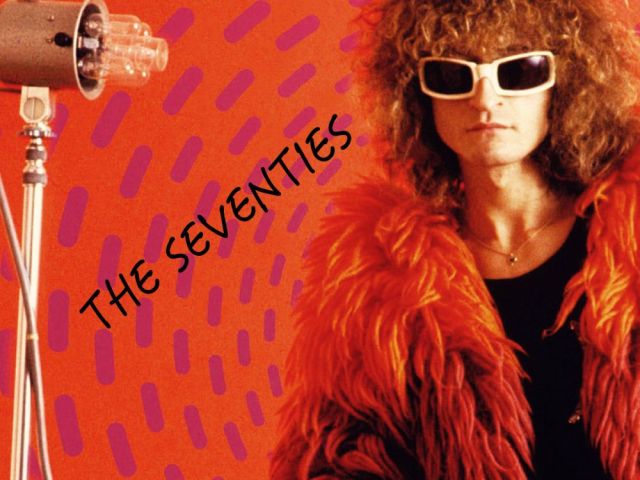
 Δείτε επίσης:


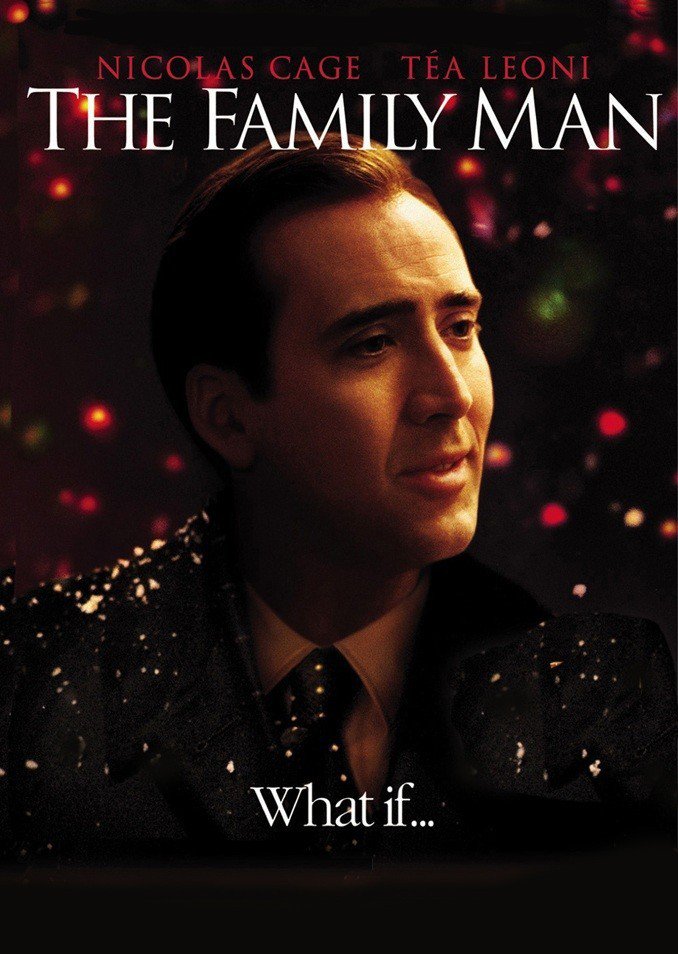
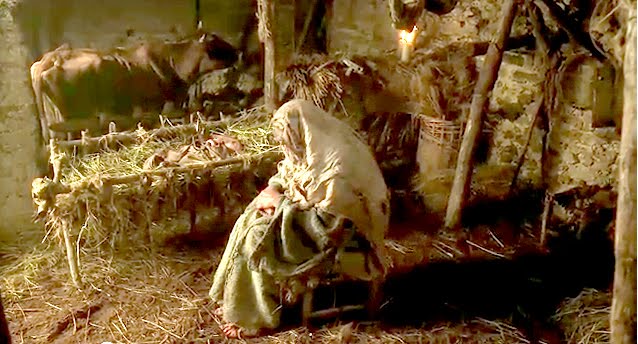


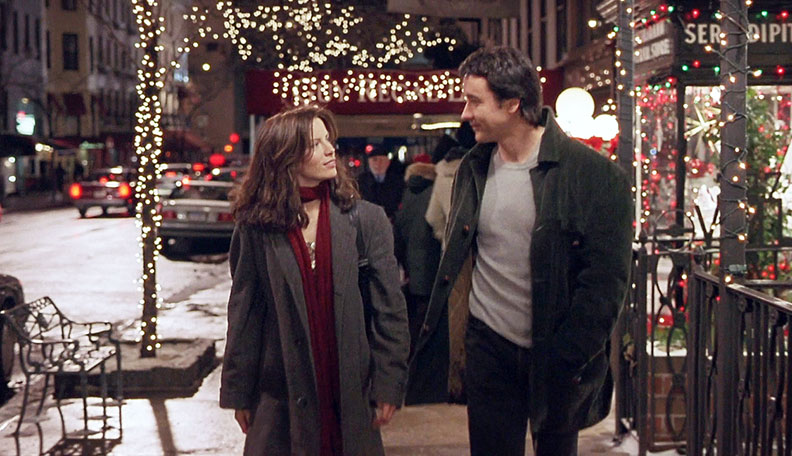
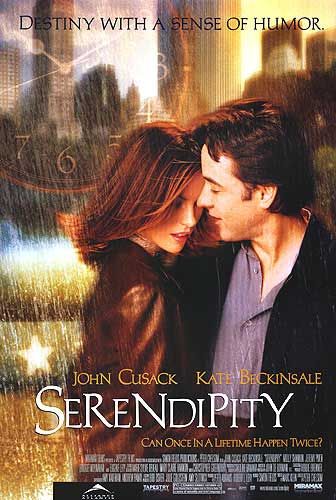


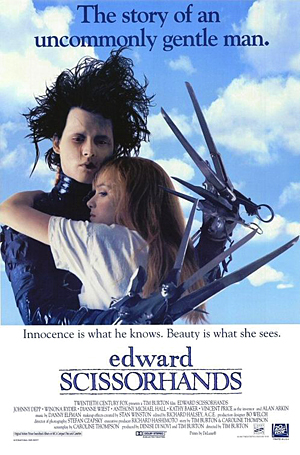


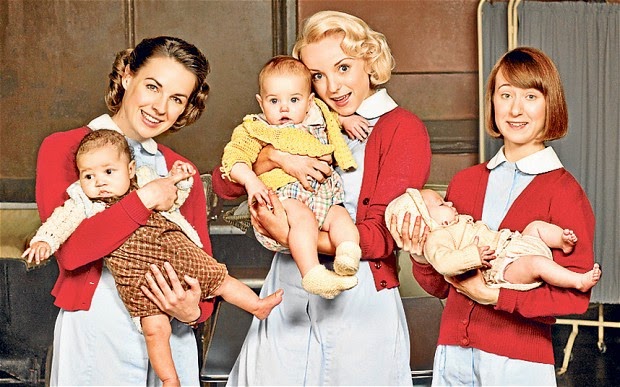 Home birth is cheaper… provided that no transfer is needed and nothing goes wrong
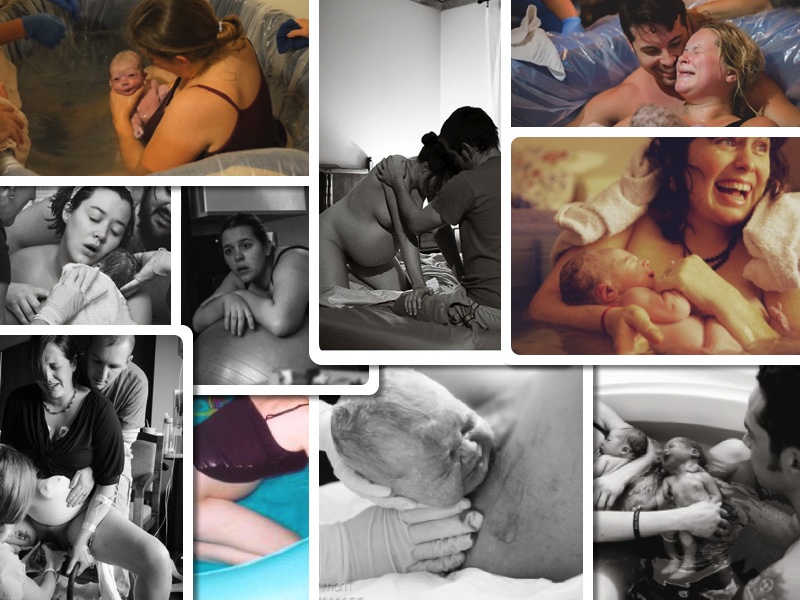


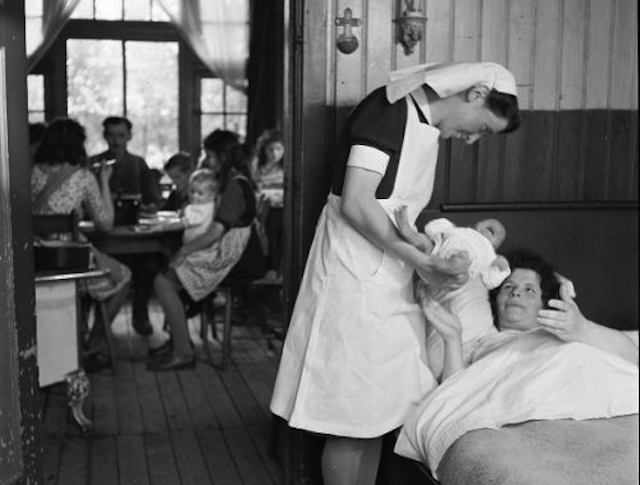
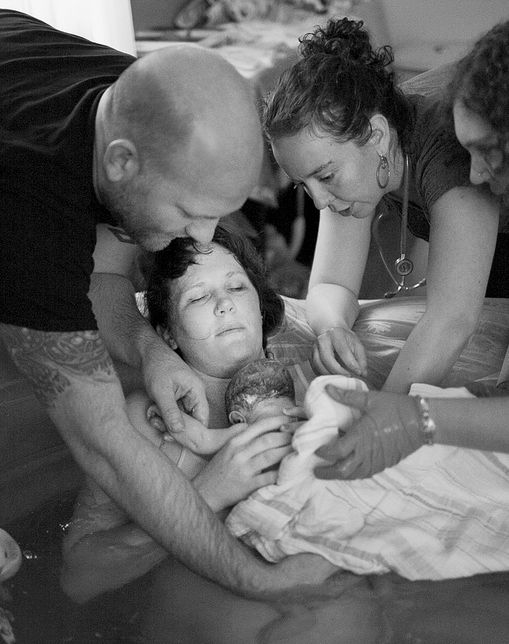
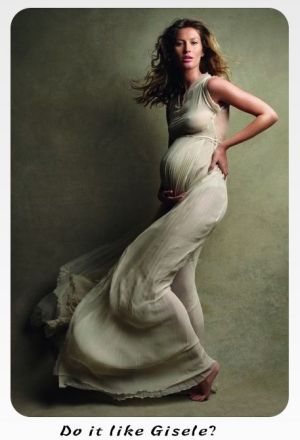


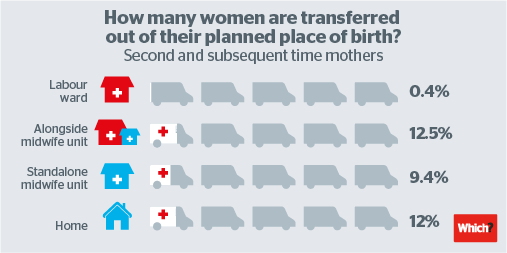


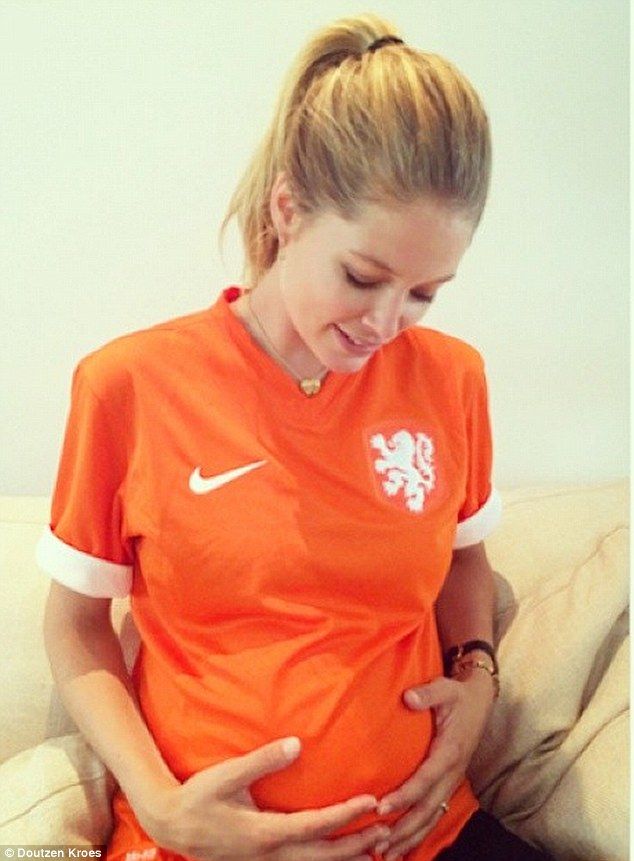



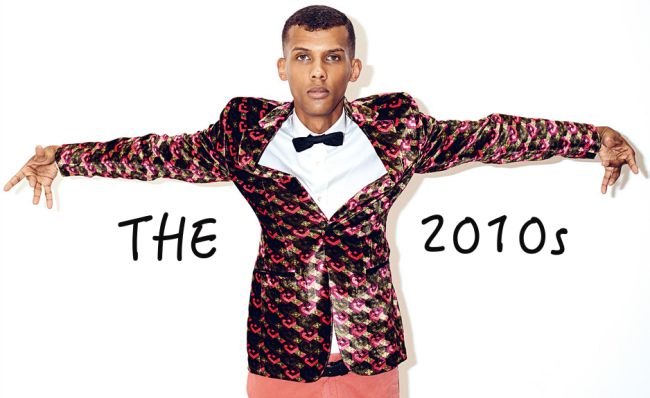
 Woman 2 women